The Paleolithic Secrets of the Sharjah Desert
By Rizwan Zulfiqar Bhutta
How the silent sands of Mleiha are rewriting the story of humanity, revealing that the Arabian Peninsula was not a barrier to civilisation—but one of its earliest crossroads.
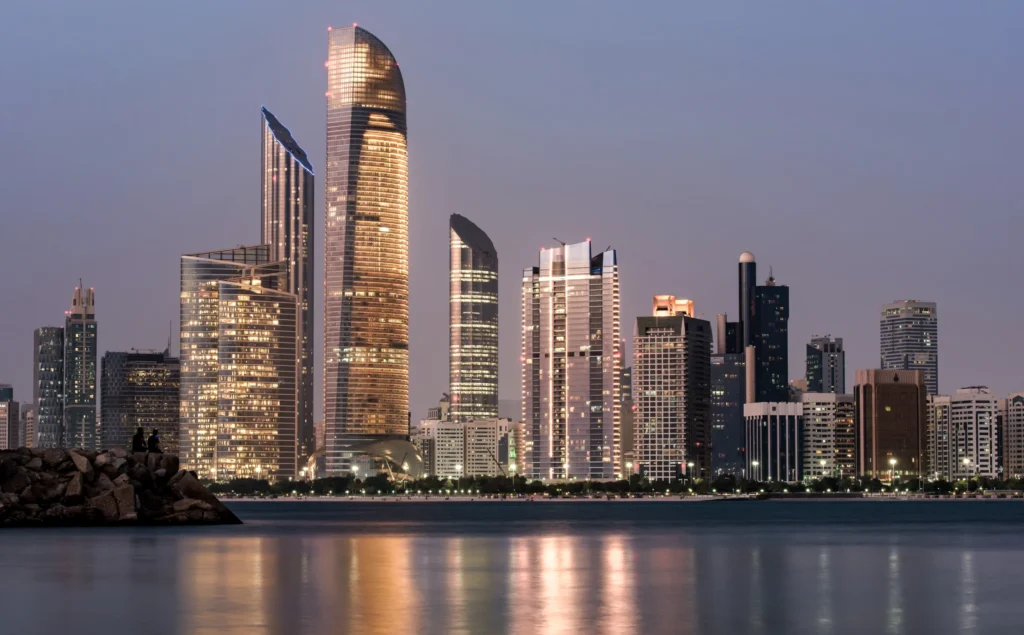
When people think of the United Arab Emirates, their minds are naturally drawn to futuristic skylines, thriving ports and world-class infrastructure. It is a nation celebrated for innovation, ambition and rapid transformation. Yet beneath the modern landscape lies another story—one that stretches back not decades or centuries, but more than 130,000 years.
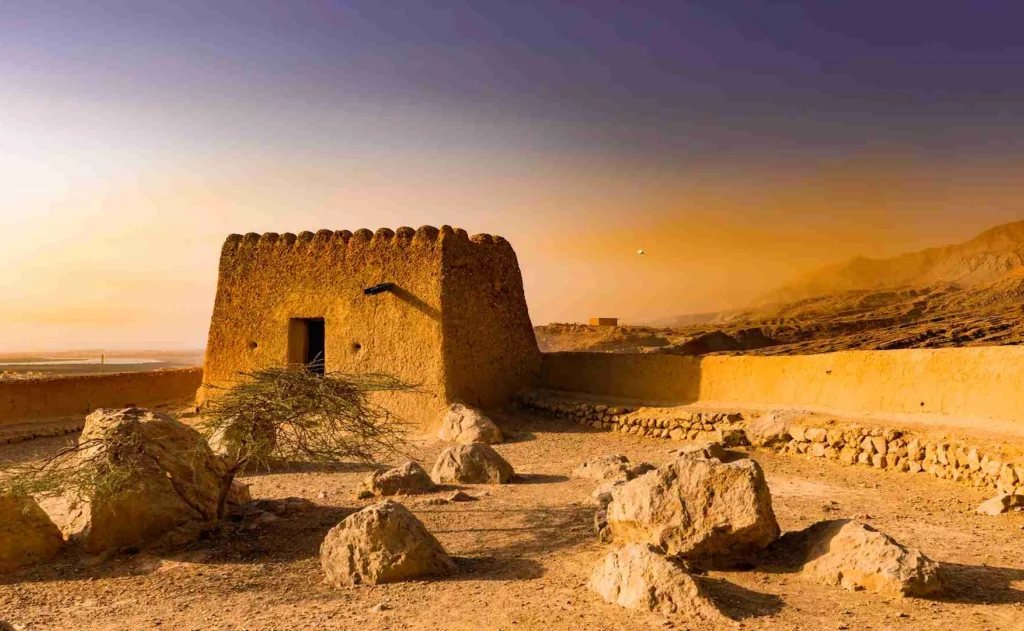
Long before skyscrapers rose above the horizon, before oil transformed economies and before trade ships crossed the Arabian Gulf, the deserts of Sharjah were already witnessing extraordinary human journeys.
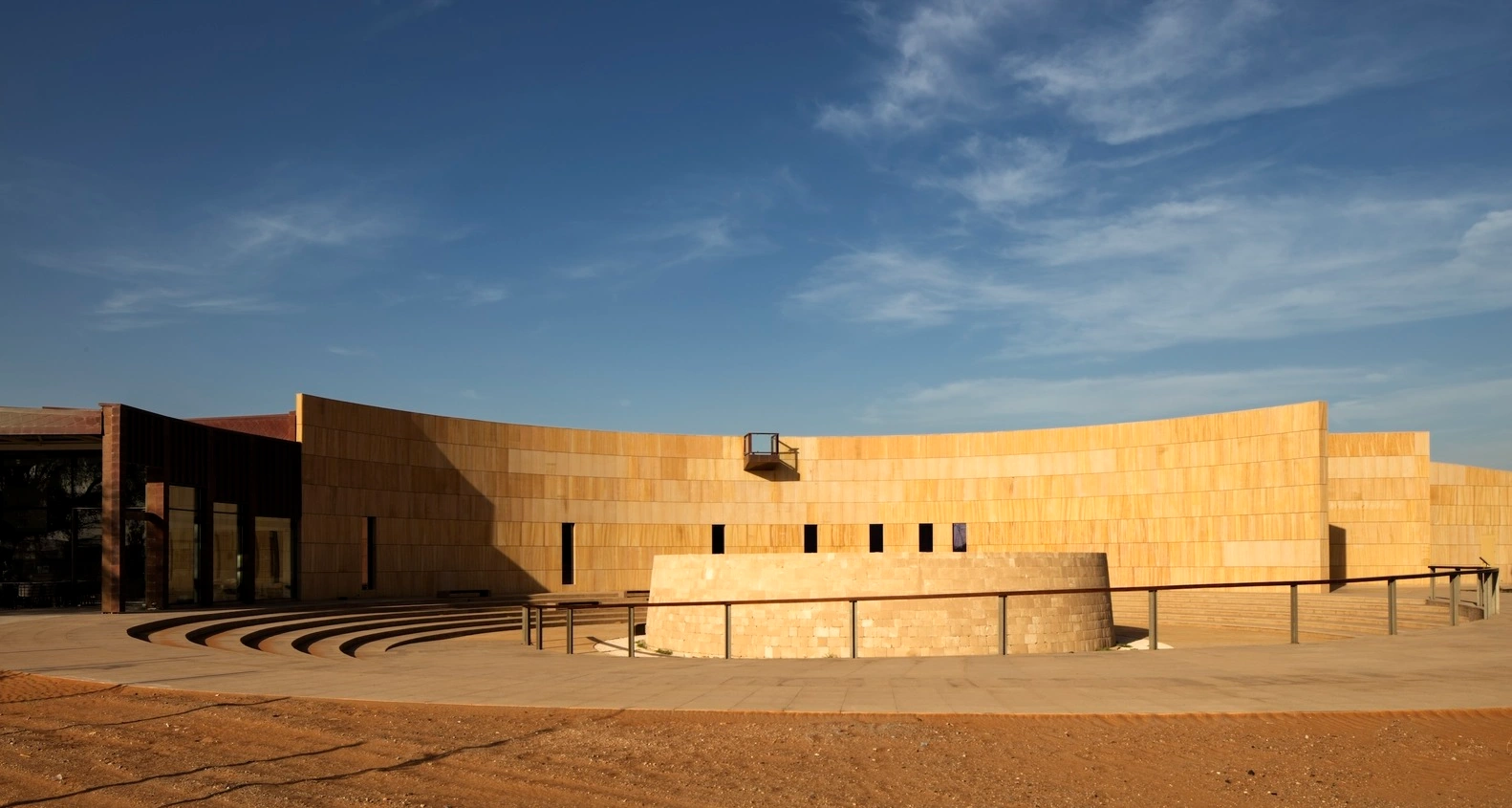
The vast landscape of Mleiha, nestled in the heart of Sharjah’s interior, has become one of the Middle East’s most remarkable archaeological treasures. Here, scientists have uncovered compelling evidence that early humans walked these desert plains approximately 130,000 years ago, making the region one of the most significant chapters in the story of human migration beyond Africa.
For generations, historians believed the Arabian Peninsula was little more than an unforgiving barrier separating continents. Today, archaeology is telling a very different story.
Rather than an obstacle, Arabia was a bridge.
As climate patterns shifted thousands of years ago, periods of increased rainfall transformed parts of the Arabian Peninsula into landscapes far greener than those we know today. Lakes formed, wildlife flourished and early human communities travelled through regions that are now covered by endless dunes.
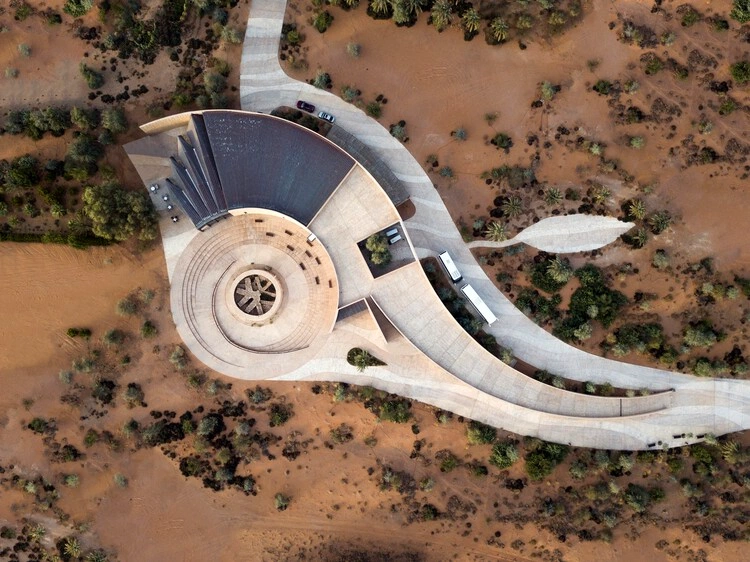
These discoveries suggest that the UAE occupied a strategic position in one of humanity’s earliest migrations, connecting Africa with Asia and eventually the rest of the world.
It is a remarkable reminder that history is constantly evolving. Every archaeological excavation has the power to challenge long-held assumptions, and every artefact uncovered beneath the desert sands becomes another sentence in humanity’s unfinished story.
Yet Mleiha offers far more than evidence of prehistoric life.
It reveals that this landscape continued to thrive for thousands of years, becoming a vibrant centre of civilisation long before the emergence of the modern Gulf states. Archaeologists have uncovered Bronze and Iron Age settlements, sophisticated irrigation systems, monumental tombs, ancient coin mints and fortified settlements that speak of a society deeply connected to regional and international trade.
Far from being isolated, this corner of Arabia was part of an extensive network linking Mesopotamia, Persia, India and the Mediterranean world. Merchants crossed deserts with caravans carrying incense, precious stones, metals, textiles and spices, while ideas, languages and cultures travelled alongside them.
The desert was never empty.
It was alive with movement.
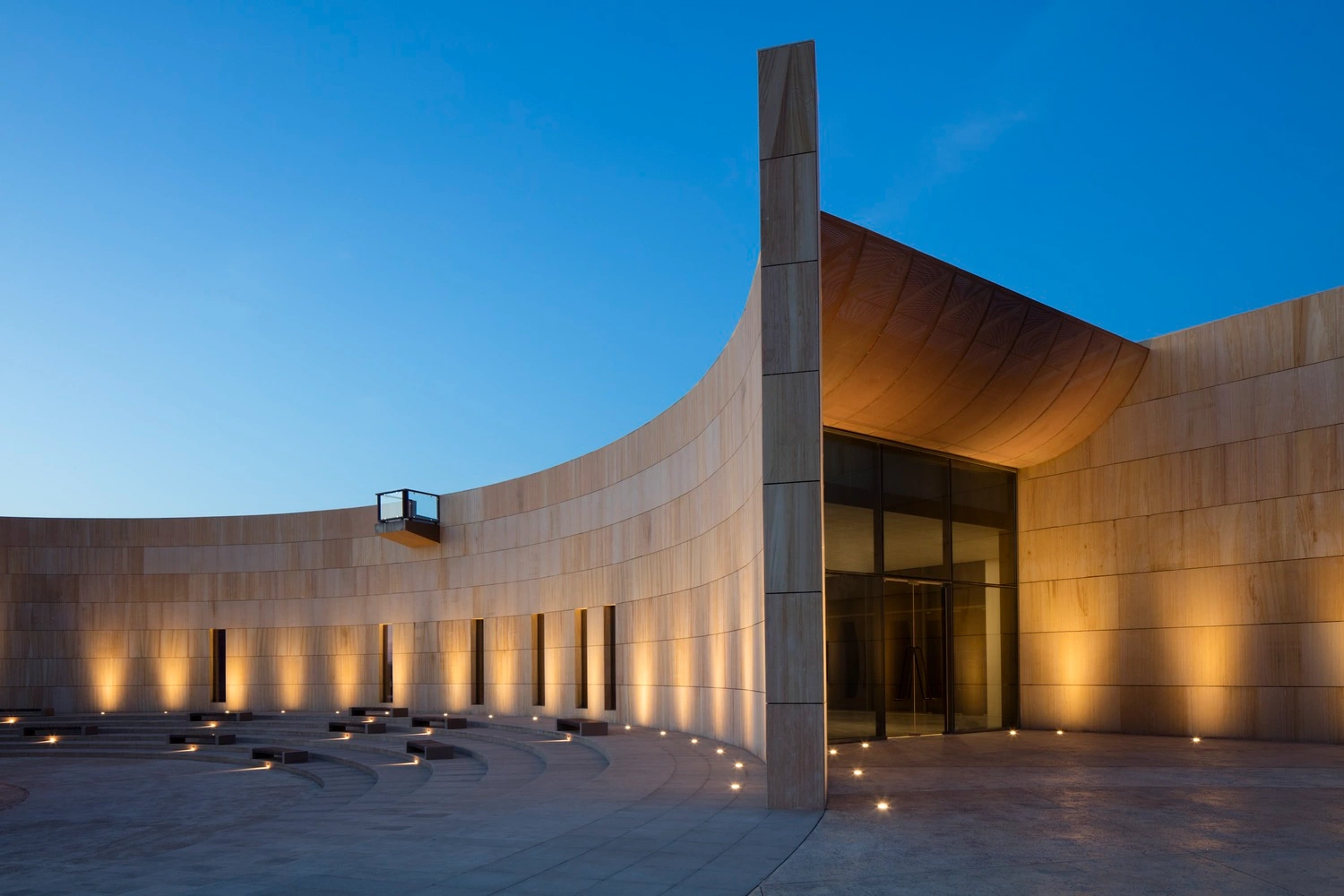
The discovery of Bedouin tombs scattered across the landscape provides an intimate glimpse into communities that lived, travelled and buried their loved ones in these challenging environments. Every burial site tells a story of belief, family and identity, while every recovered object reveals another fragment of daily life thousands of years ago. Together, they paint a portrait of resilient societies that adapted not despite the desert, but because of it.
Perhaps nowhere is human resilience more evident than in the ability of these ancient communities to flourish in one of the world’s most demanding environments.
The desert has always tested those who call it home. Temperatures soar, water is scarce and survival depends upon knowledge passed from one generation to the next. Yet rather than resisting nature, these early inhabitants learned to understand it. They followed seasonal patterns, mastered scarce resources and developed settlements that reflected remarkable ingenuity. Their success was never accidental; it was built upon observation, adaptation and cooperation.
In many ways, the resilience displayed by these ancient communities mirrors the spirit that continues to define the UAE today. Modern cities may now rise where caravans once travelled, but the determination to overcome challenges, embrace opportunity and innovate in demanding conditions remains deeply woven into the nation’s identity.
One of the most fascinating aspects of archaeology is that it constantly reminds us how little we truly know. Every excavation at Mleiha uncovers new questions alongside new answers. Stone tools, animal remains, pottery fragments, ancient inscriptions and forgotten structures continue to emerge from beneath the sand, each discovery reshaping historians’ understanding of Arabia’s place in world history.
These are not simply relics of the past.
They are conversations across time.
They remind us that the people who lived here thousands of years ago shared the same hopes that define humanity today: to build communities, protect families, trade with neighbours and leave something meaningful behind. Although separated from us by millennia, their stories remain surprisingly familiar.
The significance of Mleiha extends far beyond the borders of the United Arab Emirates. Its discoveries contribute to one of archaeology’s greatest questions: how early humans spread across the world and how civilisations emerged through movement, adaptation and cultural exchange. As researchers continue their work, the Sharjah desert is becoming an increasingly important destination for scholars seeking to understand humanity’s shared origins.
The UAE is often recognised as a nation looking confidently towards the future. Yet it is equally a country that understands the importance of preserving its past. Across the Emirates, investments in archaeology, heritage conservation and historical research reflect a belief that progress is strongest when it is rooted in identity and understanding.
The sands of Sharjah continue to guard many secrets.
Each excavation reveals another piece of a story that began long before modern borders, long before recorded history and long before civilisation took the form we recognise today. Beneath the silence of the desert lies one of humanity’s oldest archives, written not in ink, but in stone, earth and time itself.
The Paleolithic secrets of Mleiha remind us that the UAE is not only a nation of extraordinary modern achievements. It is also one of the world’s oldest landscapes of human resilience, a place where the footsteps of our earliest ancestors still echo beneath the desert sands, quietly reminding us that every great journey has a beginning.