Abdulnasser Gharem, The Cultural Avant-Garde, Art, Identity & the Future of Change
By Janhavi Gusani
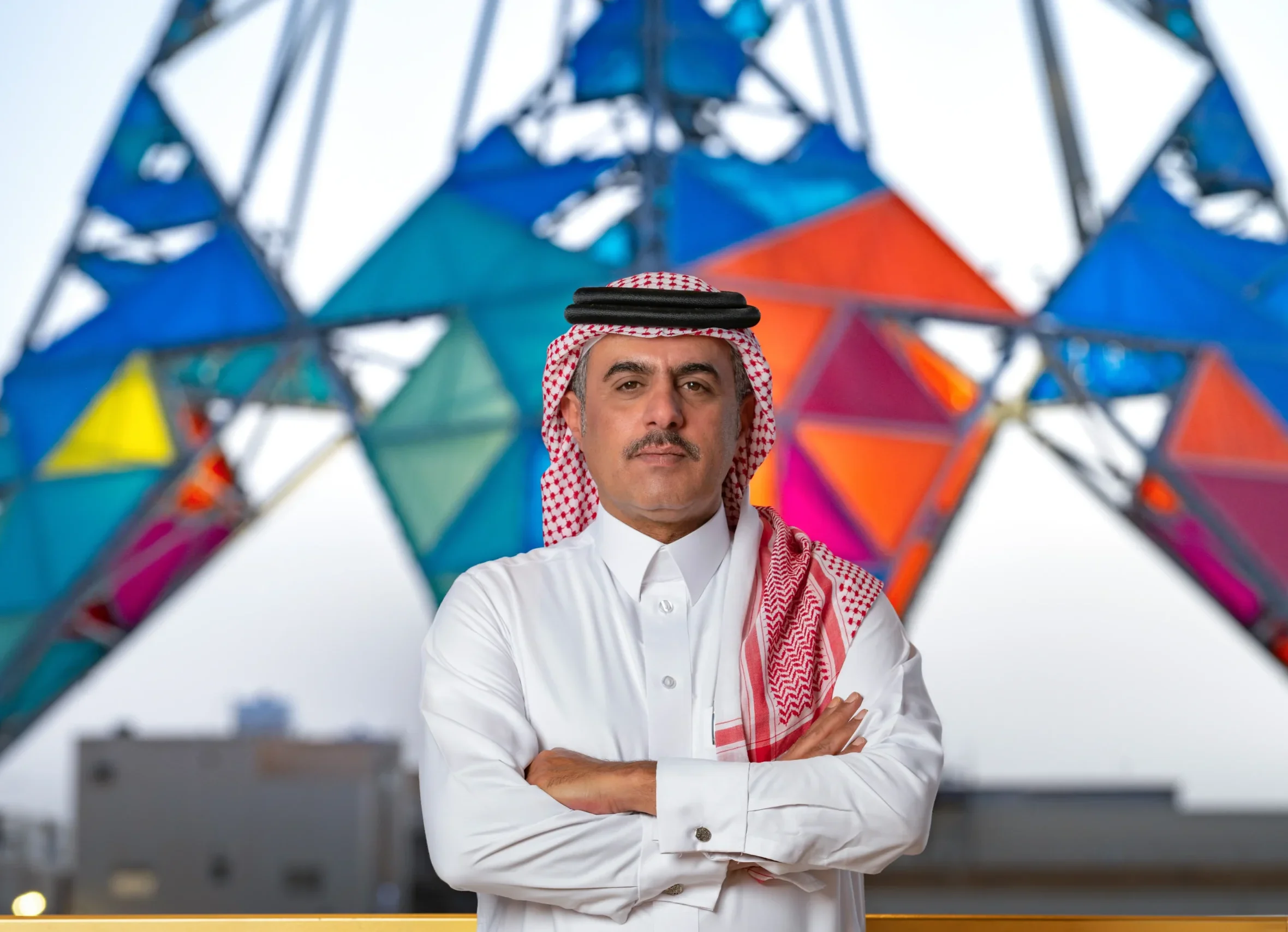
Abdulnasser Gharem is one of the defining voices in contemporary Saudi art, recognised not only for his conceptual practice but for his wider contribution to cultural dialogue, artistic development, and creative exchange. His work exists at the intersection of art, society, memory, and transformation, exploring how individuals navigate systems of authority, identity, and belonging.
For Gharem, art has never been limited to the creation of objects. It is a platform for questioning, understanding, and creating awareness. Through his practice as an artist, founder, and cultural contributor, he has expanded the role of creativity beyond galleries and exhibitions, advocating for spaces where ideas can be challenged, conversations can evolve, and future generations can develop their own voices.
His perspective has been shaped by a unique combination of experiences: nearly twenty-three years within the military, decades of artistic exploration, and an active role in the growth of Saudi Arabia’s contemporary cultural landscape. These experiences have informed a practice that examines the relationship between individuality and authority, discipline and freedom, tradition and transformation.
At the heart of Gharem’s artistic philosophy is an interest in the structures that influence human behaviour. His work often moves beyond simple interpretations of East and West, instead exploring the complexity of hybrid identities and cultures. He believes that cultural exchange creates opportunities for new forms of knowledge, allowing societies to evolve through dialogue rather than isolation.
This approach is reflected in his use of familiar objects and everyday materials. Concrete barriers, official stamps, road signs, and other ordinary elements become powerful artistic symbols when placed within new contexts. Gharem is drawn to these objects because they already carry collective memories and meanings. They are part of daily life, yet they often contain deeper social, political, and cultural narratives waiting to be examined.
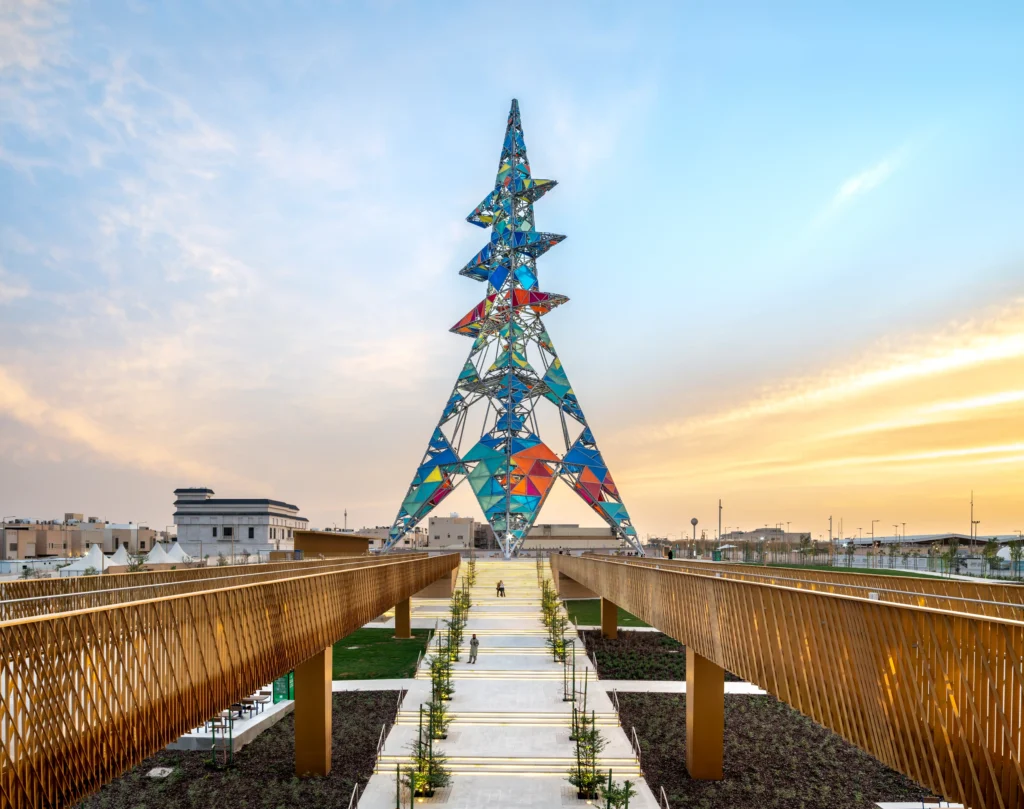
The stamp, for example, became an important symbol within his practice after his early experiences in the military environment. Traditionally, a stamp represents approval, certification, and authority. Yet Gharem questioned the power contained within that small mark: who grants legitimacy, and who decides what is accepted? By creating his own artistic stamps, he explored the possibility of establishing a different form of authority – one shaped through creativity, imagination, and critical thinking.
Similarly, his use of concrete barriers reflects broader questions around borders, movement, and belonging. Objects designed to separate and restrict become opportunities to examine how societies define inclusion and exclusion. Through these transformations, Gharem demonstrates how art can reveal hidden meanings within the most familiar aspects of everyday life.
His understanding of systems and authority is deeply connected to his own background. His military career introduced him to discipline, hierarchy, repetition, and structure – elements that later became central themes within his artistic language. Rather than viewing repetition only as a mechanism of control, Gharem examines its dual nature. Repetition can shape conformity, but it can also become a tool for reflection and liberation.
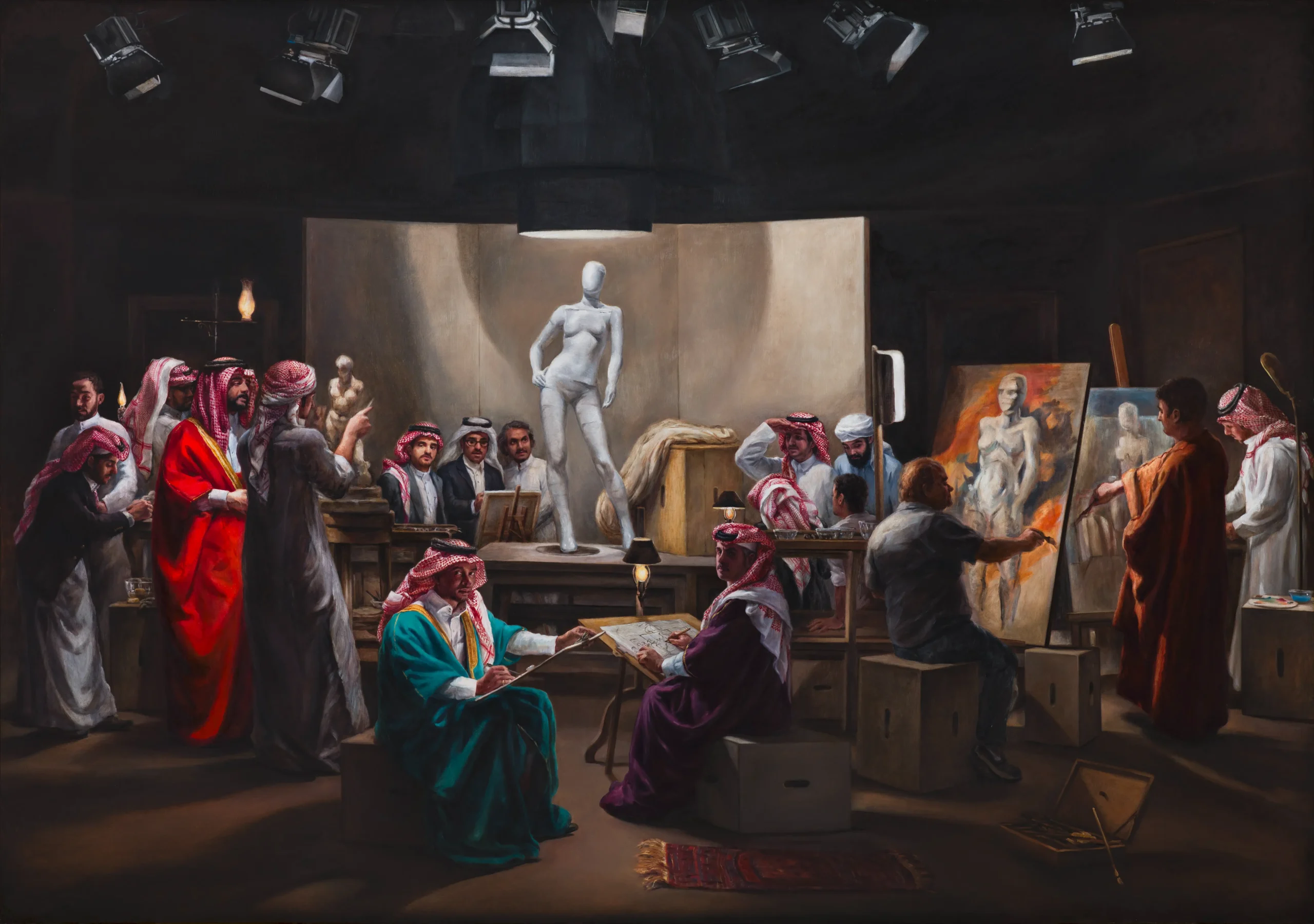
Camouflage, another concept closely associated with his military experience, evolved into a broader metaphor within his work. Beyond its practical function, camouflage represents adaptation, survival, and the relationship between visibility and invisibility. It reflects the ways individuals navigate social structures while maintaining their own identities.
His creative development was also influenced by access to global knowledge through the internet. The digital expansion of the late 1990s opened new pathways to philosophy, art history, museums, and international artistic movements. This access allowed Gharem to engage with wider conversations while developing an artistic language rooted in his own cultural experience.
This belief in exchange and accessibility extended beyond his personal practice. Through initiatives such as Edge of Arabia and Gharem Studio, Gharem explored the artist’s role as a cultural facilitator. For him, an artist’s responsibility extends beyond producing artworks; it includes creating platforms where dialogue, education, and collaboration can take place. His contribution has been particularly significant during Saudi Arabia’s cultural transformation. Having witnessed the country’s creative landscape evolve over decades, Gharem understands both the challenges of the past and the possibilities of the present. Earlier in his career, artists often worked with limited institutional support and few independent spaces. Creative communities existed, but they were frequently developed away from public attention.
Today, Saudi Arabia’s cultural environment has entered a new phase, with significant investment in museums, biennials, public art, cultural institutions, and creative programmes. Artists now have greater opportunities to participate in international conversations and present their work on a global stage.

However, Gharem believes that cultural growth requires more than infrastructure. While institutions and investment are essential, a sustainable artistic ecosystem also depends on intellectual independence, diverse perspectives, and the freedom to explore complex ideas. For creativity to thrive, artists must have the ability to question as well as celebrate.
His commitment to supporting future generations reflects this belief. Through initiatives that provide educational opportunities and international exposure for young Saudi artists. Gharem has consistently emphasised that cultural progress depends on empowering individuals. As Middle Eastern artists continue gaining recognition internationally, Gharem believes the region’s creative voice should not be understood through simplified narratives. The Middle East is not defined by a single identity, history, or perspective. Its artists represent diverse experiences and engage with universal themes including technology, memory, spirituality, ecology, social change, and human relationships.
For Gharem, global recognition should not require artists to separate themselves from their origins. Instead, authentic local experiences can create works that resonate universally. The strongest cultural contributions emerge when artists remain connected to their own realities while engaging confidently with broader global conversations. Technology has become another important dimension of his evolving practice. Through works such as Alternative Loyalty, Gharem explores the relationship between art, data, artificial intelligence, and collective human experience. By using technology to collect and interpret information, he examines how abstract data can be transformed into emotional and physical artistic experiences.

For him, data is not simply information – it has become a creative material. Technology provides artists with new possibilities to explore space, reality, and perception, allowing ideas to move between digital and physical worlds. Yet despite embracing innovation, Gharem’s work remains centred on human experience. Technology may expand artistic possibilities, but meaning continues to come from people, culture, and shared emotions. Abdulnasser Gharem’s influence extends beyond the artworks he has created. His career represents a broader evolution in how artists can contribute to society – not only as creators, but as thinkers, educators, and cultural builders. Through his practice, he has helped redefine contemporary Saudi art while encouraging new generations to approach creativity with curiosity, independence, and confidence.
Ultimately, Gharem’s work is rooted in a simple but powerful belief: art should create new ways of seeing. Whether examining authority, identity, technology, or cultural transformation, his practice continues to challenge perceptions and open conversations. In doing so, he is not only documenting change – he is actively participating in shaping it.