MAGNAV Emirates

Sports

Ahmad Skaik

Ahmad Skaik, Carrying The Flag Forward For Emirati Golf

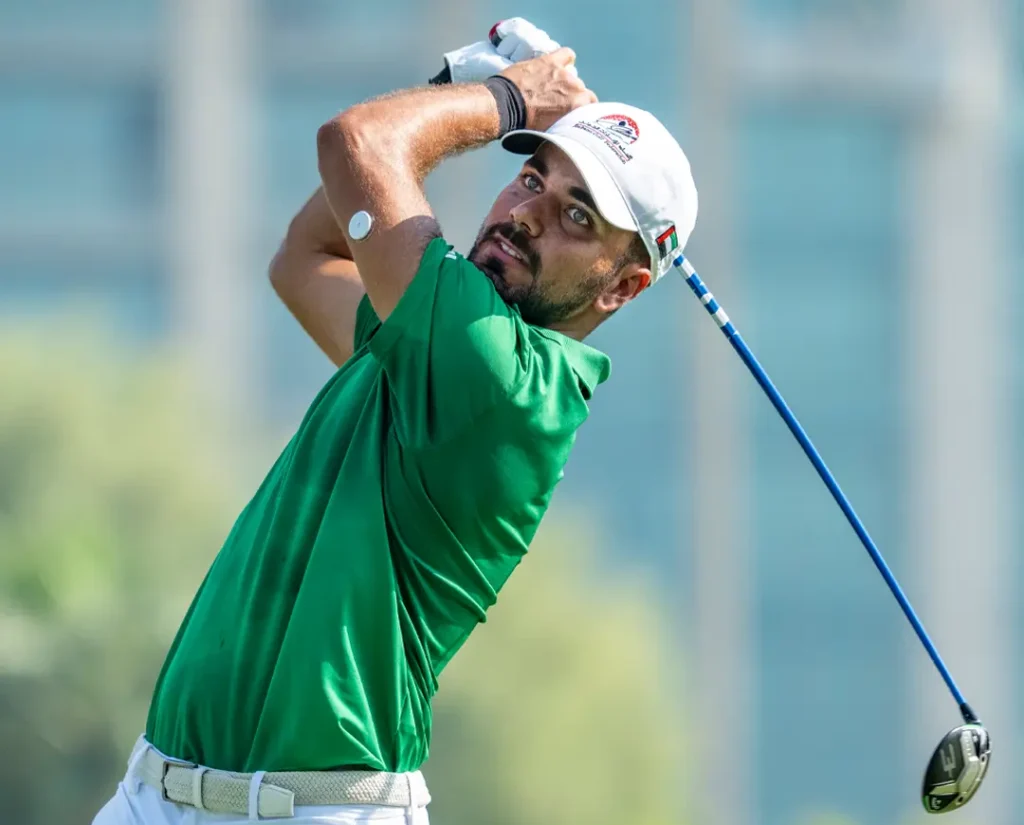
Ahmad Skaik, Carrying The Flag Forward For Emirati Golf By Jane Stevens Ahmad Skaik steps onto the golf course with more than ambition guiding his swing. At the heart of his game is a deeply personal mission rooted in love for the sport and the satisfaction of striving for excellence. Every round is fueled by self-motivation and a desire to achieve something meaningful, but representing the UAE elevates that drive even further. For Skaik, wearing his country’s colors is a responsibility that extends beyond performance, it is about being the best version of himself both on and off the course. The decision to turn professional was not rushed, nor was it taken lightly. Skaik had his eyes set on one final goal as an amateur, competing in the Asia Pacific Amateur Championship, an event he deeply admired and hoped to win. His plan was clear and deliberate, a victory would keep him amateur and open the door to the Masters, anything less would signal it was time to take the next step. That moment captured both the excitement and clarity that defined his transition into the professional ranks. When Skaik made the cut in a 72 hole professional event, a milestone achievement for Emirati golf, it marked a turning point in his belief. After coming close several times, breaking through and then repeating the feat strengthened his confidence and reshaped his ambitions. The objective was no longer simply to compete or make the cut, but to contend and ultimately to win. With that shift came a new level of expectation and hunger. While technique and training matter, Skaik credits his mentality to influences beyond golf. Since childhood, he has looked up to Cristiano Ronaldo, not for style but for discipline and relentless work ethic. Ronaldo’s approach to excellence left a lasting impression, teaching Skaik that sustained greatness is built on consistency, sacrifice, and an unwavering commitment to improvement. Under pressure, especially during critical moments in a round, Skaik relies on a simple yet powerful mental habit. He breathes, centers himself, and reminds himself that these are the moments he trains for every single day. Rather than resisting pressure, he embraces it, using it as fuel. Learning to thrive in those situations, he believes, is what separates good players from great ones. A serious back injury tested that mindset like nothing before. Being sidelined for nearly a year and a half forced Skaik to rethink how he trains, warms up, and recovers. While the experience was painful and mentally challenging, it ultimately strengthened him. The setback elevated his game, deepened his discipline, and built resilience. Pushing through that difficult chapter without giving up shaped his character and made him tougher, both as an athlete and as a person. As a left handed golfer, Skaik is candid about the challenges that come with it. Limited equipment options, difficulty finding gloves, and course designs favoring right handed players often make the game harder. Still, this reality has become part of his uniqueness, another obstacle to adapt to rather than an excuse to slow down. The UAE’s emergence as a global golf destination has also played a role in his development. While the sport continues to grow rapidly across the country, Skaik acknowledges that the number of local players is still limited. He is optimistic, however, pointing to the efforts of the Emirates Golf Federation and the momentum building behind grassroots development. He believes the next wave of Emirati talent is closer than ever. Looking ahead, Skaik’s vision is clear. He wants to keep breaking records for his country and for Arab golfers, winning as many tournaments as possible along the way. More importantly, he hopes to inspire those who come after him. Hearing younger players say they want to follow in his footsteps is something he describes as both humbling and motivating. Beyond trophies, his goal is to leave a legacy as someone who competed with integrity and carried himself with respect. For young Emiratis picking up a golf club because of him, Skaik offers straightforward advice. Work hard without compromise, accept failure as part of the journey, and understand that success is impossible without setbacks. Failure, he says, is what sharpens ambition and pushes you to improve in every aspect of life. In his own journey, that lesson has proven to be just as important as any scorecard.

Dubai Enters the Global Fight Arena as PFL Sets Its Sights on 2026

Dubai Enters the Global Fight Arena as PFL Sets Its Sights on 2026

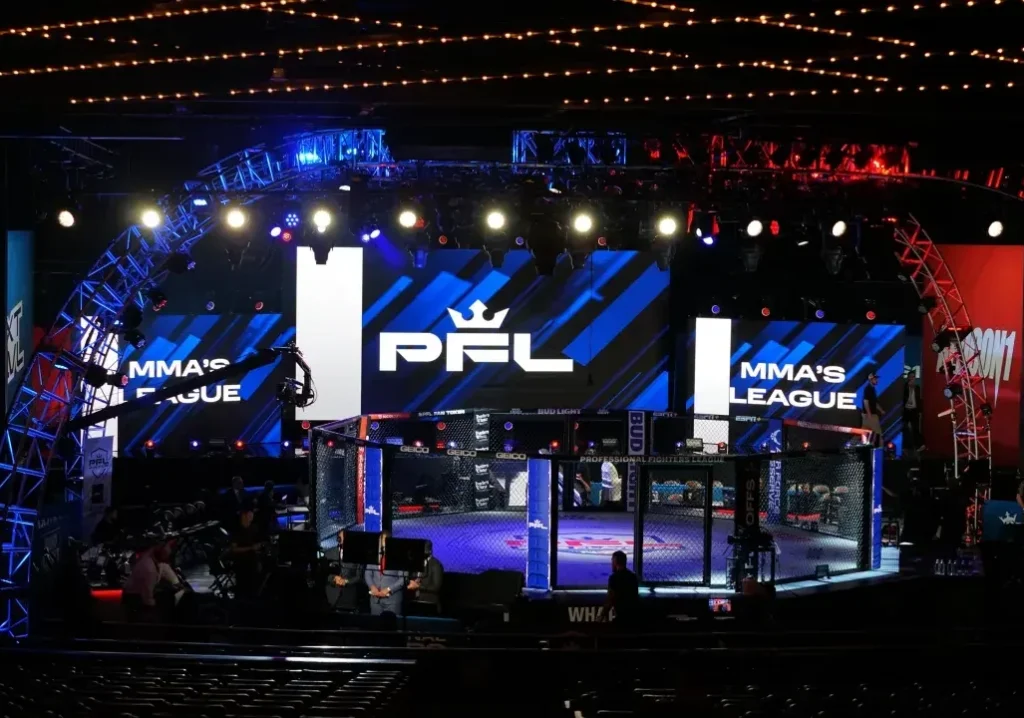
Dubai Enters The Global Fight Arena As PFL Sets Its Sights On 2026 By Sudipa Roy Dubai has never been a city that merely hosts events. It absorbs them, reshapes them, and sends them back to the world amplified. From heavyweight boxing bouts under desert skies to Formula One races staged like cinematic finales, the emirate has steadily built a reputation as a destination where global sport meets spectacle. In 2026, that reputation will expand once again as the Professional Fighters League (PFL) brings one of its marquee events to Dubai, marking a significant moment for mixed martial arts in the Middle East. The announcement of PFL’s return to Dubai in February 2026 is more than a scheduling update on the global MMA calendar. It reflects a broader shift in how combat sports are evolving, and where their future audiences lie. As traditional fight capitals such as Las Vegas and New York remain dominant, leagues are increasingly looking eastward, and Dubai has emerged as one of the most strategically important stages for this expansion. At the heart of PFL’s appeal is its distinctive league-based format, which separates it from other MMA promotions. Fighters progress through a regular season, playoffs, and championship rounds, earning points rather than relying solely on hype-driven matchmaking. For a city like Dubai, where structure, ambition, and long-term vision underpin everything from infrastructure to tourism, the PFL model aligns naturally with its ethos. This is sport presented not just as entertainment, but as a system built on performance, discipline, and measurable excellence. The 2026 event, scheduled to take place at the Coca-Cola Arena, will place Dubai at the center of PFL’s global ambitions. The arena itself has already proven its versatility, hosting concerts, esports tournaments, and international sporting events, and its selection signals an intent to deliver MMA as a premium, mainstream experience rather than a niche spectacle. For fans, it means world-class production. For fighters, it means exposure to a global audience in one of the world’s most media-connected cities. But Dubai’s growing role in combat sports is not accidental. Over the past decade, the UAE has invested heavily in becoming a hub for international athletics, from football and golf to endurance sports and martial arts. Abu Dhabi’s long-standing relationship with the UFC laid much of the groundwork, demonstrating that the region could host high-level MMA events with professionalism and global reach. Dubai’s embrace of PFL builds on that foundation while carving out its own identity, one rooted in innovation, scale, and global connectivity. What makes PFL’s arrival particularly significant is timing. Mixed martial arts is no longer an emerging sport; it is a mature, global industry competing for attention in an increasingly crowded entertainment ecosystem. Audiences today are more discerning, drawn not just by knockouts but by narratives, personalities, and production value. Dubai offers all three. The city understands storytelling, whether through architecture, tourism campaigns, or mega-events, and that expertise is now being applied to combat sports. For fighters, competing in Dubai carries a symbolic weight. The city represents opportunity, a crossroads where East meets West, where careers can gain international momentum overnight. A strong performance on a Dubai card resonates across regions, from Europe and Central Asia to Africa and South Asia, markets that continue to fuel MMA’s growth. In this sense, PFL’s Dubai event is not just a destination fight; it is a gateway. Beyond the cage, the event also speaks to Dubai’s broader ambition to position itself as a cultural and entertainment capital. Sports today are no longer isolated competitions; they are content ecosystems, feeding digital platforms, streaming services, and global media cycles. A PFL event in Dubai is designed to travel, through social media clips, international broadcasts, and behind-the-scenes storytelling, projecting the city’s image far beyond the arena walls. Critically, Dubai’s involvement does not dilute the sport’s competitive integrity. Instead, it raises expectations. Fighters, promoters, and broadcasters alike understand that events hosted in the emirate are held to a higher standard, whether in logistics, athlete care, or fan experience. This pressure has often resulted in sharper production, tighter organization, and a more polished presentation, benefits that extend to the sport as a whole. As 2026 approaches, the anticipation surrounding PFL’s Dubai event will continue to build, not just among MMA enthusiasts but across the wider sports and entertainment community. The emirate’s entry into the PFL calendar signals a deeper integration of combat sports into the global mainstream, where athletic competition, cultural influence, and commercial vision intersect. Ultimately, Dubai hosting PFL is not about one night of fights. It is about positioning, of a league seeking global relevance, of fighters chasing international recognition, and of a city that has mastered the art of turning ambition into reality. When the cage doors close in Dubai in 2026, the bouts will be decided by skill and strategy. But the message beyond the arena will be unmistakable: the global fight game has a new center of gravity, and it is firmly rooted in the Middle East.

Jonathan Trott, The Gulf Giants’ Call To Glory

Jonathan Trott, The Gulf Giants’ Call To Glory

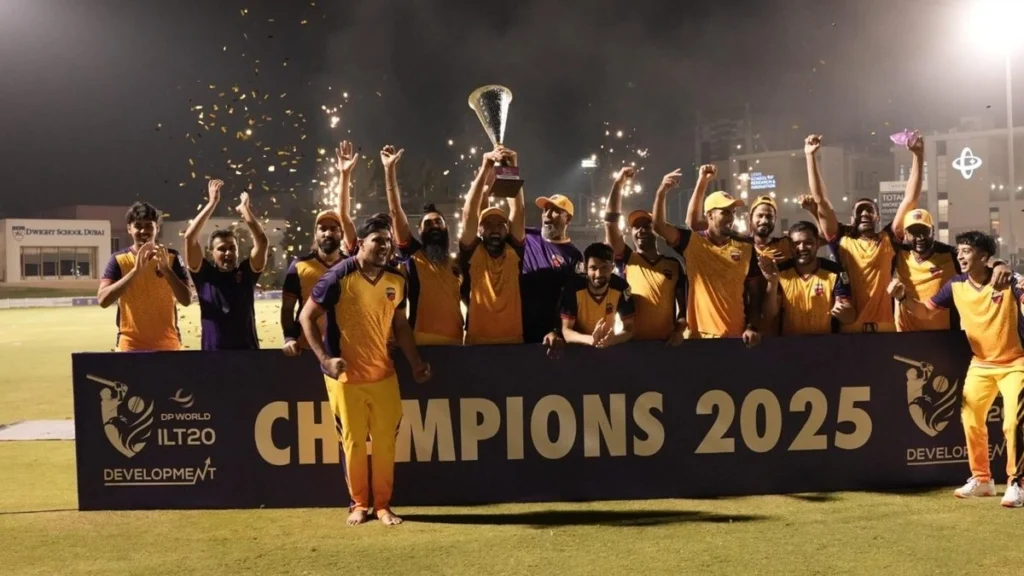
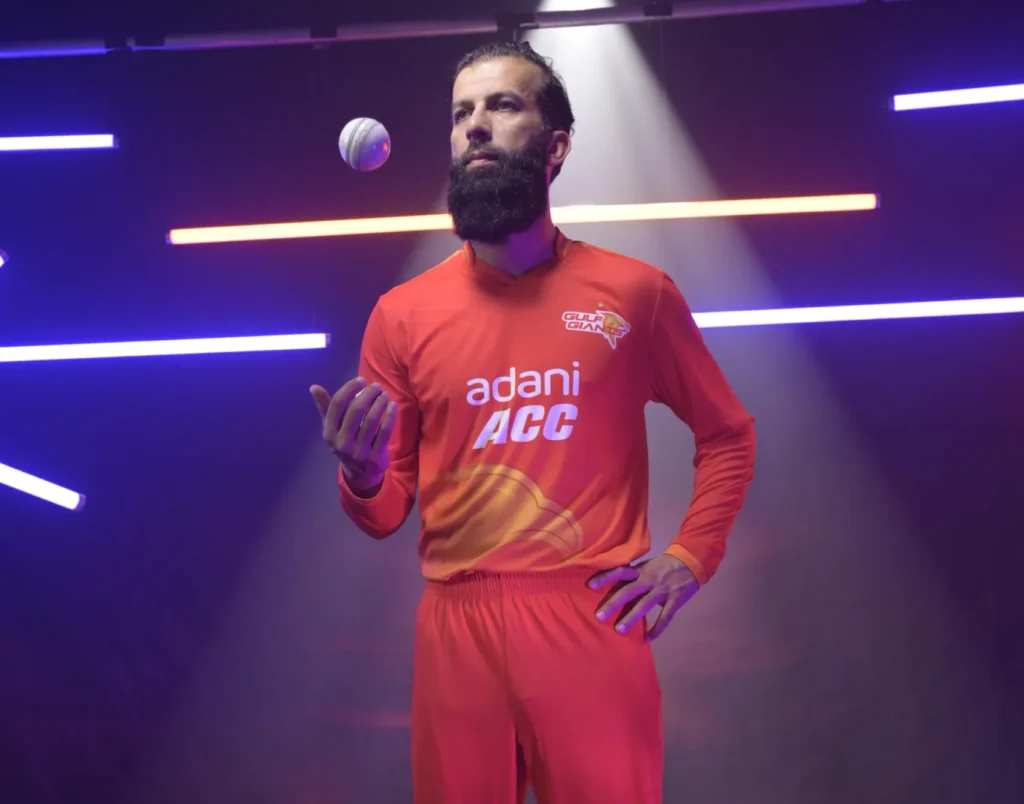
Jonathan Trott, The Gulf Giants’ Call To Glory By Michelle Clark A strategist, a mentor, and a builder of cultures, Trott’s arrival signals not just a new season, but a new era for the Gulf Giants. When Jonathan Trott walks into a dressing room, he brings with him more than experience, he brings purpose. As the newly appointed Head Coach of the Gulf Giants, the former England international and world-class batter arrives not to merely win games, but to build something that endures long after the trophies are lifted and the lights dim. For Trott, cricket is as much about the invisible elements, discipline, trust, culture, as it is about the visible ones: runs, wickets, and results. His appointment marks a new chapter in the franchise’s story, one he hopes will blend the tactical sharpness of modern T20 with the timeless values that define champions. When asked what he sees in the Gulf Giants, Trott’s answer is telling: it’s not just about winning, it’s about building. “Of course, the main aim is to win the title, that’s what we’re all here for,” he says. “But for me, there’s more to the story than just trophies. It’s about building something meaningful with the Gulf Giants, setting a new benchmark and creating a culture that lasts.” Culture, for him, isn’t an abstract ideal. It’s something cultivated daily, in the nets, in meetings, in quiet moments unseen by fans. “I want every player, every member of staff, every training session, and every match to contribute towards a standard of consistency and togetherness,” he adds. “It’s about laying strong foundations so that the story of this team, and the players within it, continues to grow well beyond one season.” It’s a philosophy rooted in progress over perfection, culture over chaos. Trott has been part of world-class cricket environments, from England’s dressing room during the golden Strauss-Flower era, to mentoring Afghanistan’s fiercely passionate squad. Through it all, one lesson has crystallized: preparation separates good teams from great ones. “The non-negotiable standard I bring is this, every time we walk onto the field, we earn the right to be there,” he says firmly. “That comes through preparation, focus, accountability, and respect for each other and for the game.” He believes in making practice tougher than the match itself. “When game day comes, you should feel ready and confident that you belong at this level. If we commit to that standard, everything else tends to fall into place. It’s not about doing extraordinary things, but about doing the basics extraordinarily well, day in and day out.” For Trott, excellence is built on simple, disciplined, repeatable habits. Legacy is a word often thrown around in sport, but for Trott, it’s not a buzzword, it’s a responsibility. “This is my first year with the Gulf Giants, and I’m really excited about the opportunity,” he says. “The franchise has already won the title in the inaugural season and has been one of the most consistent teams in the league. I don’t need to reinvent the wheel here.” Instead, his focus is on continuity, maintaining the high standards already set and pushing them even higher. “You can’t build a legacy in a year or two, it takes time. If we stay true to our preparation, our consistency, and with the talent we have in this squad, the legacy of the Gulf Giants will take care of itself.” Few understand the mental demands of elite sport like Jonathan Trott. His personal journey, from international triumphs to deeply introspective battles, has shaped a leadership style grounded in empathy. “My journey as both a player and a coach has taught me the value of empathy and trust,” he says thoughtfully. “As a coach, I’ve realised that you lead people, not just cricketers. Understanding their stories, motivations, strengths, and vulnerabilities is key.” Trott is as invested in his players’ lives off the field as in their performances on it. “My job is to coach cricket, but it’s equally important to talk about life off the field. That balance helps build trust, and when players feel valued as people, they perform with greater freedom and belief.” His leadership is defined by humanity, by a willingness to listen as much as he instructs. In a franchise composed of diverse international and local talent, cohesion can make or break a season. For Trott, it starts with understanding people. “A cohesive team starts with understanding people before players,” he insists. “The foundation of any successful group or team is knowing each individual’s personality, motivation, and background, that’s what helps create trust.” Culture, he believes, is built as much off the field as on it. “Building cohesion isn’t just about what happens in the middle, it’s also about the conversations off the field. That’s where culture is built.” The stronger the human bonds, the stronger the cricket. Among the aspects Trott is most excited about is the chance to work with emerging UAE cricketers. “One of the main reasons I was drawn here is the opportunity to help develop young, homegrown players within a growing cricket ecosystem,” he says. “The local players have a real hunger to learn, and tournaments like the ILT20 give them the perfect platform to test themselves and learn from some of the best players in the world.” He praises Adani Sportsline, the franchise owners, for their commitment to nurturing local talent. “When local players succeed, the franchise’s identity strengthens, and that’s how a legacy grows.” For Trott, success isn’t measured only in silverware, but in the rise of a new generation. In an era where data dominates decision-making, Trott believes in balance. “Data and analytics are important tools, but they’re not the masters,” he says. “They inform us, they show patterns and probabilities, but at the moment of truth, it’s instinct, experience, and judgement that matter most.” Analytics guide him, but they don’t dictate his decisions. “Analytics can tell us what to expect, but intuition tells us how to respond. At Gulf Giants, we

Maymi Asgari, A Brilliant Footballer & A Heartfelt Motivational Advocate

Maymi Asgari, A Brilliant Footballer & A Heartfelt Motivational Advocate

Maymi Asgari A Brilliant Footballer & A Heartfelt Motivational Advocate By Sara Hammoud A woman who walked among her childhood heroes, Cristiano Ronaldo, Erling Haaland, and other football legends, to receive a Globe Soccer Award in 2023. A year later, she was honored again as one of the Nordic Pioneers 2024, recognizing her influence beyond the field. A woman who turned hardship into hope, using her voice to inspire others to embrace their identity fearlessly. This is Maymi Asgari, an Iranian-born, Denmark-raised footballer and motivational speaker who has become a symbol of resilience, empowerment, and representation for young girls around the world. Growing up, Asgari faced the kind of challenges that could have easily discouraged her. She was often singled out for being different, for the way she looked, dressed, or believed. Yet football became her language of strength. “I started playing because I wanted to prove to the boys in my neighborhood that being a girl wasn’t an obstacle,” she said. Coming from an athletic family, her father practiced Taekwondo, and her mother played volleyball, she found encouragement to follow her own path, even if it meant breaking barriers. “I didn’t wear a hijab back then, but I still had black hair, brown eyes, I didn’t have the blonde hair, blue eyes my teammates did, so I was very insecure,” she recalled. “At ten, when I started wearing the hijab, it became even worse. I had to wear extra layers under my uniform, so even my clothing didn’t look like my friends’ anymore.” On overcoming racism and bullying Asgari emphasizes she had good times as well as great opportunities, “I also had a lot of positive experiences back home”. It was a minority group of people who had certain dismissive feelings towards Muslim people, but their negative effect sure is high. Growing up feeling left out and being pointed at is something no child should bear. But not until she hit her late teen years that Asgari understood what she was facing, “Yeah, well, as a child, I didn’t quite understand it was racism. I just felt different, and I didn’t know the reason”. When asked about how she managed to overcome the barriers and face discrimination as a child, Asgari said: “I enjoyed the sport. I love the whole team spirit, and I think the feeling of success and being good at something else than just school and normal things, just made me feel more confident”. As for what keeps her motivated now, “I want to prove to the young version of myself that I don’t need to fit into the boxes society has created, I can be covered and still achieve things that they haven’t. And even though sometimes it can really suck when they attack you on social media, in the end, I know I’m doing a good thing.” On why she moved to the UAE Asgari has been in the UAE for 9 months now. “I want to try to live in a place where my background, my hijab, and my religion are not going to be a barrier, because I’m tired of the same fights all over again”. The future is a big concern for her, Asgari shares: “I want my children also to be raised in a Muslim country”, as she doesn’t want her children to grow up in the same shadows she had to grow up in. “So, that was probably one of the biggest reasons.” When asked if she’d faced any issues here, Asgari said, “No, here I haven’t faced any judgment or barriers as a hijabi athlete, it’s so normal, you see different kinds of hijabis everywhere doing different kinds of sports, and it’s amazing.” On the mindset of European nationals living in Dubai Asghari believes that those who choose to move to Dubai are often people who value openness and multiculturalism. “The people who come here are usually the ones who are curious and accepting of different cultures,” she said. Over time, she’s seen how the city’s growth and progress have helped reshape old misconceptions about the Middle East, especially regarding women’s roles. “When people visit or live here, they see that women are leading, playing sports, and living normal, ambitious lives, it changes their perspective completely.” She added that even some of her European friends who now live in Dubai experience this shift firsthand. “The Danish ask the Danish now, they get the same questions I used to get, like, ‘Can women drive in the UAE?’ or ‘Can women play football there?’ It’s interesting, because now they’re the ones explaining how much the region has progressed and how different reality actually is.” She believes in the importance of multiculturalism and a tolerant, inclusive society. Although people in Europe once held misconceptions about the Middle East, the rapid development of Dubai and the wider GCC region has dispelled many of these myths, particularly regarding women’s progress. Today, perceptions have changed significantly. On enhancing the visibility of women’s football in the region Slowly but surely, women’s sports are gaining better recognition all over the world, and Asgari pushes towards: “Female coaches. Education. Representation. Visibility.” For Asgari, progress in women’s sports starts with education and visibility. “If you don’t see it, you’re not going to be it,” she said, explaining how the lack of female representation in football made it hard for her to imagine herself playing. From a young age, girls are often steered away from sports like football, while boys dominate the field. “Even in PE, the boys are playing football and the girls are doing something else,” she noted. “If we want to change this idea of what’s a boys’ or girls’ sport, everyone needs to take part in both.” She believes that empowering more female coaches is essential to that change. “For girls, having a woman coach is just different,” she said. “We understand each other and know how our bodies work.” To her, education and female mentorship go hand in hand in creating an environment

ILT20 2025: UAE’s Premier Cricket League Returns on National Day with Bigger Stars and Higher Stakes

ILT20 2025, UAE’s Premier Cricket League Returns on National Day with Bigger Stars and Higher Stakes

ILT20 2025 UAE’s Premier Cricket League Returns on National Day with Bigger Stars and Higher Stakes By Ruba Al Sarahneh As the UAE prepares to celebrate its 54th National Day, cricket fans across the nation have an extra reason to be excited. The fourth edition of the DP World International League T20 (ILT20) will begin on December 2, 2025, perfectly coinciding with the country’s Union Day celebrations. Running until January 4, 2026, the tournament promises a month of world-class cricket, global stars, and a showcase of national pride that blends sport with culture. A New Season with Symbolic Timing This season marks a shift in the tournament’s schedule. Traditionally played in January and February, the ILT20 has been moved to December and early January to avoid clashing with the ICC Men’s T20 World Cup, set for February and March 2026. According to organizers, this adjustment was both practical and symbolic. Launching the region’s biggest cricket event on UAE National Day reflects the country’s growing role as a global sports destination. “We are delighted that the fourth season of the DP World ILT20 will begin on UAE National Day – Union Day – one of the most important days in our calendar,” said Khalid Al Zarooni, Chairman of ILT20 and Vice Chairman of the Emirates Cricket Board. For millions of cricket fans who call the UAE home, this alignment between sport and national celebration is more than a scheduling coincidence, it’s a moment of unity. From Ambition to Legacy: The Rise of ILT20 Since its debut in 2023, the ILT20 has quickly evolved into one of the leading franchise leagues outside the traditional cricketing nations. Hosted across Dubai, Abu Dhabi, and Sharjah, it has become the Gulf’s answer to the IPL and Australia’s Big Bash, combining world-class talent with a local flavor. The league features six franchises, Dubai Capitals, Desert Vipers, Gulf Giants, MI Emirates, Abu Dhabi Knight Riders, and Sharjah Warriors, and has already built a loyal following. Last season, Dubai Capitals captured the title in a thrilling finale against Desert Vipers, with full stands at the Dubai International Stadium witnessing one of the most competitive matches in ILT20 history. The third season drew impressive global viewership and showcased top-tier T20 talent, including Nicholas Pooran, Sam Curran (Player of the Tournament), Shai Hope, Fazalhaq Farooqi, Andre Russell, Sunil Narine, Alex Hales, David Warner, Adil Rashid, and Adam Zampa, among others. Strategic Shift, The December Advantage The decision to start the season in December provides several benefits. It allows international stars to participate before joining their national teams for the World Cup and gives franchises access to a wider pool of players. This new window also strengthens the UAE’s winter sports calendar, aligning the ILT20 with the country’s busiest tourism period — a time when stadiums are packed with visitors from across the globe. Tournament officials believe this timing will enhance competitiveness, attract larger audiences, and help the league continue its upward trajectory as one of the world’s most exciting T20 competitions. Cricket Meets Culture Launching on UAE National Day transforms the ILT20 into more than just a tournament, it becomes a national celebration. Fans can expect stadiums decked out in the colors of the UAE flag, special performances, and a festive atmosphere uniting people from diverse backgrounds. The blend of cricket’s global energy with the UAE’s national pride creates a uniquely Emirati sporting spectacle. This synergy between culture and sport reflects the nation’s identity, open, diverse, and ambitious and highlights how the UAE continues to use major sporting events to bring communities together. Champions Return: Dubai Capitals Ready to Defend Their Crown The reigning champions, Dubai Capitals, enter the 2025 season with confidence and momentum. Their championship run last season was defined by balance, depth, and leadership qualities they’ll need again to stay ahead of an increasingly competitive field. Both Desert Vipers and MI Emirates have reinforced their squads with key international signings, setting up a season full of high-intensity rivalries. Meanwhile, Gulf Giants, Abu Dhabi Knight Riders, and Sharjah Warriors are looking to bounce back after inconsistent performances last season. With each team expected to feature several world-class players alongside rising UAE talents, the 2025 season could be the most unpredictable yet. Expanding the Reach: Media Partnerships and Global Coverage The ILT20’s continued growth is supported by expanding media partnerships that amplify its global reach. New collaborations aim to provide extensive coverage from live broadcasts to behind-the-scenes access connecting millions of fans worldwide to the excitement of the league. High-end production, drone footage, and fan engagement initiatives have made ILT20 broadcasts some of the most visually dynamic in T20 cricket. In 2025, the league plans to enhance digital interactivity, offering fans exclusive interviews, match analysis, and immersive social content. The UAE’s Sporting Vision The rise of the ILT20 is a testament to the UAE’s larger sports vision: hosting world-class events while nurturing homegrown talent. From cricket to football, tennis, and motorsport, the country has established itself as a global sporting hub. The Emirates Cricket Board’s ongoing efforts to develop youth programs and Emirati players show a clear commitment to building a sustainable cricket culture. Beyond the entertainment, the ILT20 serves as an educational and inspirational platform — one that brings international exposure to young players and strengthens the UAE’s position on the global cricketing map. Looking Ahead: A Season of Unity and Excitement As the first ball is bowled on December 2, it will mark more than the start of a tournament. It will symbolize the UAE’s unity, ambition, and love for sport. The DP World ILT20 2025 promises a new chapter filled with unforgettable performances, fierce rivalries, and the vibrant energy that has defined the league since its inception. For fans, it’s a chance to experience top-tier cricket under the dazzling Dubai lights. For players, it’s an opportunity to shine on an international stage. And for the nation, it’s a proud moment to celebrate how far the UAE has come — from hosting tournaments to shaping the

David White

David White & the Rise of DP WORLD ILT20, A New Era for Global Cricket

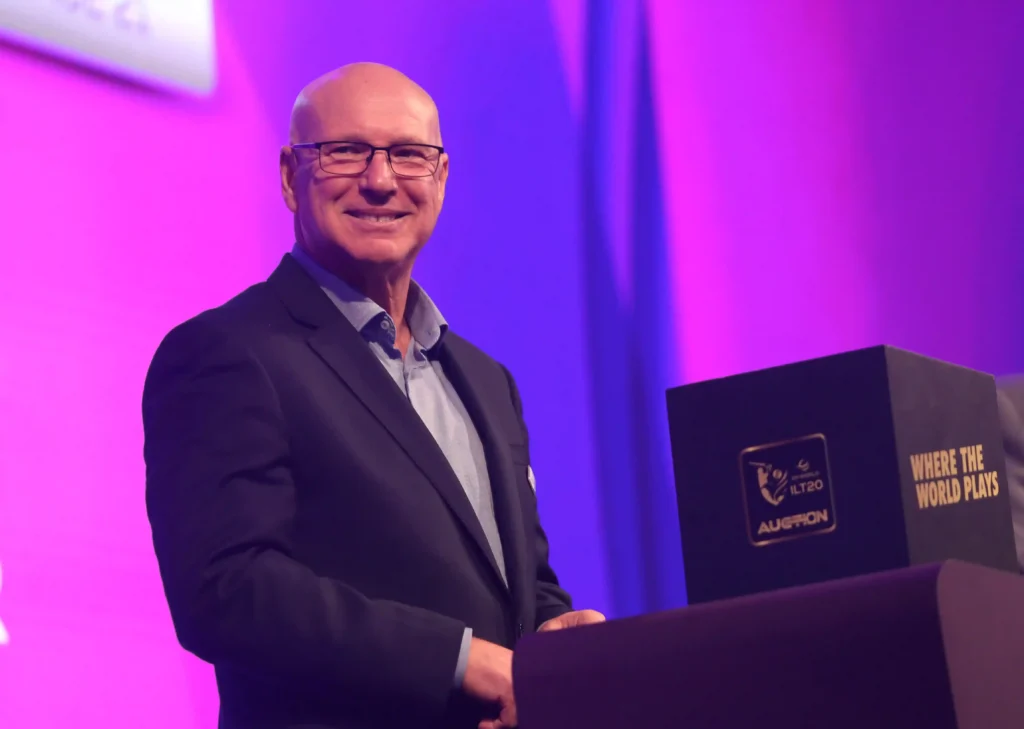
David White & the Rise of DP WORLD ILT20 A New Era for Global Cricket By Rizwan Zulfiqar Bhutta Cricket has always been more than a sport. It is a language that connects cultures, a rhythm that pulses through stadiums, streets, and living rooms across continents. Yet in recent years, the format of Twenty20 has redefined that rhythm, infusing the traditional game with pace, spectacle, and accessibility. In this new era of global cricket, few figures have played as decisive a role in shaping its evolution as David White, the Chief Executive Officer of the DP World International League T20 (ILT20). Since its inception, the DP World ILT20 has grown into one of the most dynamic and ambitious T20 leagues on the global stage. White’s vision for the league extends far beyond the boundaries of a typical franchise tournament. His mission is to elevate the UAE as a world-class cricketing destination, while cultivating the next generation of Emirati talent. “The league was established with the central goal of developing and nurturing the UAE’s cricket talent,” White says, his conviction unmistakable. “The league is about growth, and we’ve already started to see results, with the UAE qualifying for and participating in the Asia Cup T20 tournament last month. That success reflects the deeper purpose behind ILT20.” Under White’s leadership, ILT20 has carved a unique niche in the crowded global cricket calendar. While the Indian Premier League and Big Bash League dominate the headlines in India and Australia, ILT20 brings something distinct to the table a fusion of elite competition, world-class hospitality, and the energy of a truly international hub. The UAE’s world-renowned infrastructure and its winter climate create the perfect setting for global cricket, where both players and fans can experience the sport at its best. “The DP World ILT20 has established itself as one of the leading franchise tournaments in the world,” White explains. “We have more than 100 top international players from around the globe. Combine that with the UAE’s unmatched tourism infrastructure and perfect playing conditions during the winter months, and you have a festival of cricket that attracts fans from every corner of the world.” Indeed, the league’s setting adds a layer of grandeur that few tournaments can match. The matches unfold across the UAE’s three iconic venues, Abu Dhabi, Dubai, and Sharjah, each bringing its own character and legacy. As millions of tourists converge on the Emirates during the season, the atmosphere inside the stadiums becomes electric, a blend of cultures united by one passion. Off the pitch, fan engagement and entertainment have become defining hallmarks of the league, with live performances, interactive zones, and family experiences that turn each game into a celebration. The UAE’s relationship with cricket is not new. Its legacy stretches back more than four decades, to when the first international cricket tournament was played in the region. Since then, the country has hosted T20 World Cups for both men and women, multiple Asia Cup events, and countless bilateral series featuring major cricketing nations. The DP World ILT20 builds upon that foundation, reinforcing the UAE’s position as a global hub for the sport. White views this as a natural progression. “The UAE has hosted some of the biggest cricket events in the world for over forty years. The ILT20 simply adds another layer to that legacy, bringing together some of the best franchises and players while helping solidify the UAE’s reputation as a center for world-class cricket.” Behind the glamour of any major sports league lies the engine that powers its growth broadcasting rights, sponsorships, and franchise investments. For ILT20, these partnerships are not just commercial pillars but long-term collaborations that sustain and expand the ecosystem. White understands their importance deeply. “Top sporting tournaments survive, grow, and prosper through broadcast rights, sponsorships, and franchise investments,” he says. “For a sporting event to sustain and thrive, all these aspects must coexist and reinforce one another.” Balancing the league’s entertainment value with the purity of the sport is another cornerstone of White’s approach. While the league embraces the vibrant energy of modern cricket, the lights, music, and festivities, White is unwavering in his belief that the sport itself must remain at the core. “The entertainment quotient is important, but cricket itself must always be the main product,” he affirms. “Our tournaments have produced thrilling matches and unforgettable performances, which have captured the imagination of fans around the world. And we’re able to deliver that because the UAE’s infrastructure is truly world-class  from pitches and outfields to facilities that rival the best venues globally.” That commitment to excellence has had ripple effects across the broader cricket economy. The DP World ILT20 has become a significant contributor not only to the sport’s financial ecosystem in the UAE but also internationally. The league’s player salaries rank among the highest in the world, attracting an impressive roster of international stars alongside local talent. “The ILT20 is one of the most sought-after events for players, officials, broadcasters, and professionals across the cricket industry,” White notes. “It’s a global stage that supports careers and provides a world-class spectacle for fans at home and abroad.” Perhaps the most inspiring dimension of ILT20 is its impact on Emirati and regional players. By sharing dressing rooms and training sessions with some of the best in the business, local cricketers gain invaluable exposure and experience. “The league is about development,” White says. “Our players get to learn directly from international coaches and stars, improving their skills, temperament, and professionalism. For many of them, it has been life-changing  not only in terms of financial rewards but also in terms of personal growth and confidence.” Already, the league has seen several young UAE players rise through the ranks and establish their names in professional cricket. White believes that in the years ahead, this influence will expand beyond the Emirates, extending opportunities to aspiring players from across the Gulf region. “We want ILT20 to be a platform for the entire region,” he says, “a catalyst for

A New Dawn for Women’s Cricket, India’s World Cup 2025 Triumph Redefines the Game in South Asia

A New Dawn for Women’s Cricket, India’s World Cup 2025 Triumph Redefines the Game in South Asia

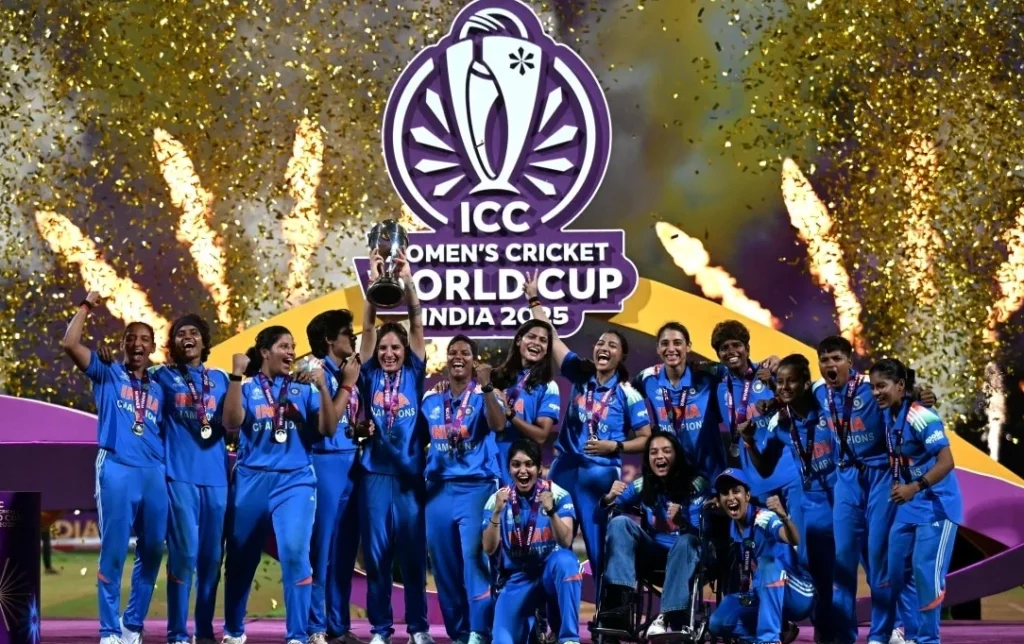
A New Dawn for Women’s Cricket, India’s World Cup 2025 Triumph Redefines the Game in South Asia By Sudipa Roy When the final ball was bowled and India’s women lifted the World Cup trophy, it wasn’t merely a win,  it was the rewriting of the sport’s narrative. Under the floodlights, the cheers that rolled across the stadium weren’t only for a team that conquered the world; they were for every young girl across South Asia who finally saw herself reflected in that moment of triumph. For decades, women’s cricket has struggled to step out from the long shadow cast by the men’s game, often underfunded, underwatched, and undervalued. The story of dominance belonged mostly to two nations: England and Australia. They had the systems, visibility, and resources that few others could match. But with India’s victory, the script has changed,  the sport’s center of gravity has shifted eastward. This triumph is about far more than cricket; it’s about identity, visibility, and belief. India’s success sends a lucid message that women’s cricket can thrive beyond its traditional powerhouses. It has awakened a region that has always loved cricket but often hesitated to imagine women at the heart of it. Across South Asia, from the narrow lanes of Dhaka to the cricket fields of Lahore and the coastal towns of Colombo,  girls will now dream differently. They’ll recognize their own potential mirrored in the Indian team’s rise: that discipline and belief can overcome both social and geographic boundaries. Statistics tell their own story. Broadcasters reported record-breaking viewership, with over 150 million fans tuning in across South Asia, and social media engagement reaching unprecedented levels. Sponsors that once hesitated are now lining up to collaborate with women cricketers, seeing both social and commercial value in supporting the women’s game. As Smriti Mandhana said after the final, “This isn’t just our win,  it’s a victory for every girl who ever picked up a bat believing she could change something.” For years, women’s cricket in the region has battled for investment, airtime, and legitimacy. India’s win brings not just pride but proof,  proof that when women are given the same quality of training, facilities, and recognition as their male counterparts, they can compete and win at the highest levels. It’s a compelling argument for structural reform and the professionalization of women’s cricket across South Asia. Personally, I’m extremely elated that the women’s World Cup will finally be taken seriously, not as a symbolic event, but as a defining moment for the sport’s global future. It’s not just about trophies anymore; it’s about redefining opportunity and rewriting what ambition looks like for millions of young girls. The ripple effect is already visible. In schools, academies, and even small-town clubs, girls are signing up in record numbers. Coaches are adjusting programs, and cricket boards are taking notice. The conversation has shifted,  young athletes are no longer being called “female cricketers,” but simply “cricketers.” That subtle linguistic change signals a deeper cultural transformation. This moment also honors the generations of players who carried the sport quietly, often without reward or spotlight. Their perseverance laid the foundation for today’s triumph. And now, with the trophy in their hands, the Indian women have achieved something extraordinary, they’ve made the cricketing world look eastward, towards South Asia, as the new epicenter of the women’s game. As celebrations continue, one thing feels certain: this victory is not the end of a journey, but the beginning of an era,  an era defined not by gender or geography, but by passion, resilience, and the shared heartbeat of a billion fans. Somewhere, in a schoolyard in Karachi or a hillside town in Nepal, a young girl grips a bat for the first time,  because now, she truly believes she could be next.

Matt Bailey

Exclusive Interview With Matt Bailey, Building a Sustainable Legacy With the Desert Vipers

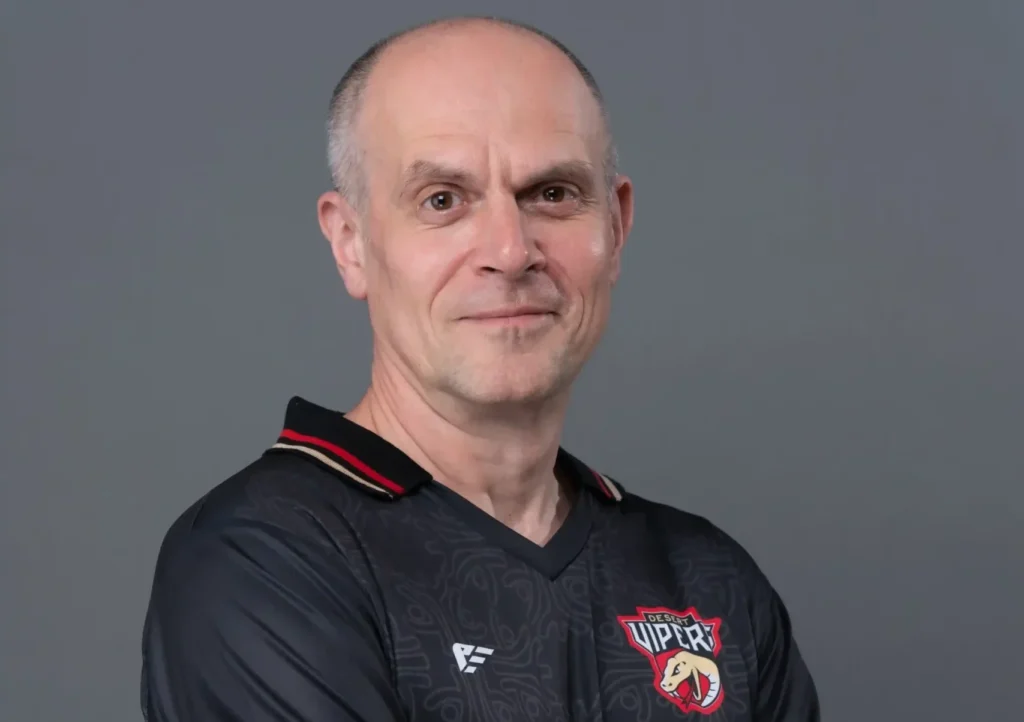
Matt Bailey, Building a Sustainable Legacy with the Desert Vipers By Hafsa Qadeer In the sunlit arenas of Dubai, where the echo of cricket blends with the rhythm of innovation, a quiet revolution is taking shape. It’s not merely about bats and balls, nor the thrill of boundaries, it’s about purpose. At the heart of this transformation stands Matt Bailey, the Head of Strategy at Desert Vipers, a franchise redefining what it means to be a modern cricket team in an era where sport meets sustainability. “Cricket teams should stand for more than heroics on the pitch,” Bailey reflects. “We play such a meaningful role in people’s lives, it’s only natural we extend that to the planet as well.” Under his stewardship, the Desert Vipers have grown beyond the boundaries of cricket to embody a philosophy Bailey calls “playing with purpose for people and the planet.” It’s a movement that fuses performance with principle, proving that winning and doing good are not opposing forces, but two sides of the same ambition. Beyond the Boundary The Spirit of a Sustainable Team For Bailey, sustainability isn’t a slogan; it’s a blueprint. The Vipers are one of the few professional sports teams in the world to weave environmental consciousness directly into their operations, from the dressing room to the stands. “We’re an elite cricket franchise, and winning matches remains our top priority,” he explains. “But that doesn’t mean we can’t care about how we win.” Small changes have made a big impact. Players now use refillable bottles instead of single-use plastics, thanks to a collaboration with the Bluewater Group. The team’s kit, designed with PalmFit, is made entirely of recycled polyester, ensuring that sustainability threads through every layer of their identity. “The players love it,” Bailey says with a smile. “We worked hard to make sure it matched or exceeded the quality of what they’d wear elsewhere. It’s about showing that performance and purpose can coexist.” But sustainability for the Vipers also means fostering a healthier team culture. Their “Coffee Club”, an initiative led in partnership with RAW Coffee Company, brings players, families, and staff together every morning during the ILT20 season for coffee and conversation. No cricket talk, no pressure, just connection. “It’s a small ritual, but it builds something essential,” Bailey notes. “Community. When people feel respected and relaxed, they perform better. That’s the kind of environment we’re trying to create.” Dubai, A Home Beyond Borders The UAE’s cosmopolitan pulse has given the Desert Vipers a unique canvas to paint their story on. “It’s a privilege to call Dubai home,” Bailey says. “The diversity here mirrors the diversity of our team.” This year, the franchise welcomes players from Saudi Arabia and Kuwait, extending its reach deeper into the GCC. “It’s exciting,” Bailey adds. “We’re helping shape a regional cricket culture that feels inclusive and forward-looking.” But managing a team of different nationalities and languages isn’t without challenges. “We employ staff fluent in Urdu, for instance,” Bailey explains. “Clarity and connection are vital. Everyone must feel seen, understood, and aligned with our goals.” That alignment begins long before the first ball is bowled. “We send players detailed materials before they even arrive,” he says. “By the time they step on the field, they know exactly what it means to be a Viper, what we stand for, and why it matters.” Cricket Meets the Digital Age If sustainability defines the team’s soul, technology is shaping its future. Bailey believes that cricket fandom is already more digital than physical, and that’s not necessarily a bad thing. “Our biggest engagement comes from social media,” he explains. “But AI, fan NFTs, and virtual stadiums are transforming how supporters experience the game. The next generation won’t just watch cricket, they’ll live it digitally.” For Bailey, this evolution is a thrilling challenge. “Sports often become testing grounds for innovation,” he says. “At the Desert Vipers, we’re always open to new technologies that deepen connection and expand our reach.” That forward-thinking approach echoes through the team’s four guiding principles: High Performance, Innovation, Sustainability, and Social Responsibility. Together, they form the moral compass that keeps the franchise grounded as it navigates the changing tides of sport and technology. The Rise of Purpose-Driven Franchises In today’s sponsorship landscape, brands are no longer satisfied with mere exposure, they seek alignment. And the Desert Vipers, through their sustainability-first approach, have become a beacon for purposeful partnerships. “Winning is non-negotiable,” Bailey asserts. “But sustainability has opened new doors for us. It allows us to have different kinds of conversations with brands.” The team’s approach to corporate partnerships is refreshingly authentic. “We’re not here to preach sustainability,” he adds. “We’re here to practice it, and give brands a genuine platform to tell their own stories.” This intersection of purpose and profit, he believes, is reshaping modern sport. “Purpose marketing is growing because fans are smarter. They expect teams and brands to stand for something. Sports franchises have a powerful voice, and it’s our responsibility to use it well.” From IPL Lessons to ILT20 Leadership Having witnessed the birth of the Indian Premier League (IPL), a revolution that redefined cricket forever, Bailey recognizes familiar sparks in the DP World ILT20. “India had the perfect conditions for the IPL to explode,” he recalls. “Cricket, there isn’t just a sport, it’s an identity. The UAE, by contrast, requires us to work harder to capture attention. But that’s what makes it exciting.” The ILT20, now in its fourth season, has evolved rapidly. “Every year, it’s bigger and better,” Bailey says. “This season’s addition of players from Saudi Arabia and Kuwait marks a huge step forward. I expect to see Oman, Bahrain, and Qatar join in the future, making it a truly GCC-wide league.” That regional expansion, he believes, will set the ILT20 apart. “Each GCC nation brings its own energy and culture. Together, they can create something uniquely Middle Eastern, a cricket ecosystem unlike any other.” The UAE, A Bridge of Opportunity Few nations embody the word bridge quite like the UAE, connecting East and West, tradition and innovation, sport and sustainability. The Desert Vipers have woven

Tony Keyrouz: Driven by Passion, Defined by Purpose

Tony Keyrouz, Driven by Passion, Defined by Purpose

Tony Keyrouz, Driven by Passion, Defined by Purpose By Michelle Clark Some people admire beauty in motion, and then there are those who build it. Tony Keyrouz belongs firmly to the latter. His story is not just about cars or travel; it’s about how a lifelong fascination with craftsmanship, precision, and adventure can shape an entire way of living. Today, from his base in Dubai, Tony has become a name synonymous with the seamless blend of automotive artistry and luxury exploration, a reflection of how dreams, when paired with persistence, can evolve into something truly extraordinary. Tony’s passion began long before his audience knew his name. As a child, he spent countless hours in his father’s workshop, watching engines roar back to life beneath skilled hands. Those moments, filled with the smell of oil and the rhythm of metal, sparked something that never left him  a blend of curiosity, admiration, and wonder. That spark soon grew into a lifelong pursuit of perfection. Alongside his love for cars came a dream of seeing the world, and since moving to Dubai, that dream has become reality. The city’s opportunity and freedom have allowed him and his wife to explore the globe together, an experience Tony treasures deeply. Dubai, for Tony, has been more than a home; it has been a turning point. The city’s unrelenting pace and standard of excellence challenged him to refine his craft. “Dubai opened doors that didn’t exist in my home country,” he reflects. Through car shows, exhibitions, and the growing influence of social media, he built a community that resonated with his vision. Over the past seven years, his name has become part of the city’s dynamic car culture  a culture that celebrates both artistry and ambition. Through his work, Tony weaves together two powerful worlds: luxury travel and performance engineering. He believes that the story behind every car and every destination is part of a greater narrative  one that celebrates craftsmanship, adventure, and the pursuit of refined living. Each journey he takes, whether behind the wheel of a tuned machine or in the heart of an unfamiliar city, becomes a chapter in that ongoing story. His message to his followers is simple yet profound: anything is possible with focus, authenticity, and relentless effort. One of the moments that reshaped Tony’s relationship with driving came during a trip to England. There, he experienced the precision and discipline of professional track driving, an encounter that reignited his ambitions. What began as a passion evolved into a vocation.  It wasn’t just about speed or style anymore; it became about mastery, understanding the limits of both machine and driver, and then pushing beyond them. Even as the automotive world shifts toward electric and sustainable technologies, Tony sees promise rather than loss. His heart may still beat for petrol, but his respect for innovation runs deep. To him, the evolution of hybrid and electric vehicles represents expansion  a diversification of car culture rather than its end. The future, in his eyes, is inclusive, a space where heritage and technology coexist, enriching rather than replacing each other. Building a brand in Dubai, however, was far from effortless. Arriving in a new country with no network meant starting from the ground up. Communicating complex visions and earning trust required persistence and patience. Yet the very challenges that once seemed daunting became the foundation of his professionalism. Dubai’s expectations pushed him to refine his processes and elevate his work, shaping him into the creator he is today one known for quality, integrity, and attention to detail. The true turning point came when he sold his first completed project. That sale was more than a transaction; it was validation. It gave him confidence and responsibility, igniting a desire to push his standards even higher. From that moment, the energy shifted. Projects multiplied, feedback grew stronger, and his sense of purpose sharpened. Each milestone since has been a testament to that pivotal moment of belief. Looking ahead, Tony’s ambitions stretch beyond the garage and the skyline of Dubai. After conquering Mount Kilimanjaro, he is preparing for Everest  a personal and physical challenge that embodies his mindset: continuous growth through discipline. Alongside that, he is mapping new European destinations and planning motorsport events that his audience can experience alongside him, offering followers not just a glimpse into his world but the chance to be part of the adventure through exclusive access and shared experiences. When asked about his ultimate road trip, Tony describes an overland journey that spans Canada, Alaska, and Mexico  a route that captures scale, contrast, and raw beauty. For him, it symbolizes everything he believes in: slow exploration, meaningful discovery, and the kind of freedom only found on open roads where the horizon is endless and the journey itself becomes the destination. At the heart of Tony’s story lies a quiet but powerful message. He hopes his journey will inspire others to hold on to faith, to stay positive, and to work relentlessly toward their dreams. He believes that consistency and determination can turn impossibilities into realities. His path, though built on engines and travel, speaks universally  a reminder that success is not handed to anyone; it’s built one step, one risk, and one dream at a time. As the engines quiet and the roads stretch ahead, Tony Keyrouz continues to live by the philosophy that started it all: passion as a compass, craftsmanship as a language, and the open road as a canvas for endless possibility.

Beyond Qualification: UAE Is Redefining Its Football Future Ahead of 2026

Beyond Qualification UAE Is Redefining Its Football Future Ahead of 2026

Beyond QualificationUAE Is Redefining Its Football Future Ahead of 2026 By Ruba al Sarahneh More than three decades after their first and only World Cup appearance in 1990, the United Arab Emirates continues to chase the dream of returning to football’s biggest stage. The journey toward the 2026 FIFA World Cup has become more than a qualification campaign it is a reflection of national ambition, strategic rebuilding, and the evolution of Emirati football identity. A New Era and Renewed Ambition With the expansion of the 2026 World Cup to 48 teams, Asia’s qualification landscape has changed dramatically. The continent now has eight direct qualification spots and an additional playoff berth, offering renewed hope to teams that once hovered at the edge of the world stage. For the UAE, this expansion has breathed new life into an old dream. The appointment of Romanian coach Cosmin Olăroiu marked a turning point. Known for his disciplined systems and pragmatic approach, Olăroiu has emphasized mental focus, tactical structure, and physical consistency. Under his guidance, the UAE has adopted a more balanced playing philosophy, one that values patience, collective movement, and intelligent transitions rather than relying solely on individual brilliance. While the path has not been without setbacks, the sense of direction has become clearer. The team’s style today reflects maturity less, emotional, more methodical, suggesting that Emirati football is learning to play the long game. Performance and Progress Throughout their qualification journey, the UAE has achieved a record that reflects steady progress. Their attack remains their biggest strength. With Fábio Lima and Ali Mabkhout leading the front line, the team continues to find creative solutions in the final third. Behind them, emerging talents like Harib Abdalla, Khalifa Al Hammadi, and Abdullah Ramadan bring youthful dynamism and hunger. Defensively, challenges remain particularly in set-piece organization and concentration during crucial moments. As sports analyst Bakhit Saad observed on Sharjah Sports TV, the UAE’s long-standing difficulties with defending set pieces have been a recurring issue, exposing tactical gaps that stronger teams exploit. Yet, the squad has shown greater tactical awareness in recent matches, a sign of the gradual progress taking place behind the scenes. More than the numbers, what stands out is the team’s evolving character. There is a noticeable improvement in communication, work rate, and on-field unity, small details that point to a more confident and mature footballing culture. Regional Context  A New Arab Football Era The current World Cup cycle has witnessed a historic milestone for Arab football. For the first time, seven Arab nations have earned their place on the global stage, a record that signals a collective rise in competitiveness and ambition across the Arab world. From Asia, Saudi Arabia, Qatar, and Jordan represent the region’s growing strength, while from Africa, Morocco, Tunisia, Algeria, and Egypt continue to uphold their legacies. Together, they embody a golden era for Arab football, one built on years of investment in youth academies, infrastructure, and coaching education. For the UAE, the motivation runs deeper. The national team’s pursuit of World Cup qualification is intertwined with the country’s broader vision for sports excellence. Football in the UAE has long been more than a game; it is a source of national pride, community spirit, and international identity. Each match played becomes a statement that Emirati football belongs in the global conversation and continues to evolve through patience, planning, and passion. The Human and Cultural Dimension Behind every campaign lies a wider story  one that extends beyond the pitch. In the UAE, the fan culture surrounding the national team has grown significantly. Whether in stadiums, fan zones, or online platforms, the connection between supporters and players remains heartfelt. Media coverage, too, reflects this evolving relationship. Sports networks and social platforms amplify every victory, analyze every setback, and sustain public engagement through lively debates and analysis. This ecosystem of fans, journalists, and analysts plays a vital role in maintaining the emotional heartbeat of the game ensuring that football continues to unite the country beyond club rivalries and regional lines. The sense of national identity that comes with wearing the UAE shirt is powerful. For players, it is about representing a nation that has invested deeply in its youth and continues to believe in their ability to compete with the best. For fans, it is a source of pride that transcends results  an ongoing narrative of effort, belief, and belonging. Strengths, Weaknesses, and Identity The UAE’s current squad embodies a blend of experience and renewal. Its strengths lie in technique, creativity, and tactical adaptability traits rooted in the domestic league’s development. The country’s continued investment in youth academies and coaching infrastructure is slowly bearing fruit, producing players with both technical finesse and professional discipline. Still, the team’s main challenge is mental resilience, the ability to sustain performance under pressure. The balance between ambition and composure often determines the outcome in crucial fixtures. In many ways, this is the heart of the UAE’s football journey: learning how to turn potential into consistent success. The Road Ahead The upcoming playoff phase will test everything the team has built discipline, chemistry, and belief. It is the kind of challenge that defines not only qualification hopes but also long-term identity. Whether they reach the World Cup or not, this campaign already represents progress. Compared to previous qualification cycles, the UAE now displays a more structured approach, a clearer tactical identity, and a deeper pool of young talent ready to carry the flag forward. What remains essential is consistency, maintaining the same hunger and humility beyond individual matches. For players and fans alike, the dream is no longer distant. The 2026 qualifiers have reignited belief that the UAE’s return to the world stage is not a matter of “if,” but “when.” Editorial Reflection From an editorial perspective, the UAE’s World Cup pursuit transcends sport itself. It mirrors the nation’s broader philosophy, a belief in growth through persistence and excellence through preparation. The story of this team is not defined by one campaign or one result; it is defined by evolution. The UAE’s football journey reminds us