MAGNAV Emirates

Sports

Phygital Sports

How Phygital Sports Are Redefining Fitness in the UAE

How Phygital Sports Are Redefining Fitness in the UAE By Hafsa Qadeer A quiet revolution is unfolding in the Emirates, where digital dreams merge with the desert’s heat. In this land of mile‑high ambition and boundless desert horizons, a new form of sport is taking root, one that exists both on dusty courts and in virtual arenas. This is the age of phygital sports, where physical exertion fuses with augmented reality, biometric data, and immersive digital overlays. And here, in the UAE, it is finding its spiritual home. Cities Programmed to Play Walk through any modern complex in Dubai or Abu Dhabi, and you’ll find more than fitness studios and luxury gyms. You’ll encounter arena-like pods, glowing with LED, where participants race treadmills while chasing virtual targets on screens; arenas where sensors track every squat, every jump, every heartbeat. Yet the purpose is not spectacle, it’s synergy: blending breath with bandwidth. Projects like Dubai’s “Games of the Future” incubator have seeded arenas where physical activity becomes a shared digital game. When two runners compete, their avatars dash side by side in virtual cityscapes. When squats are repurposed into spell-casting movements, both muscles and minds flex. It’s sport that entertains and sustains. Beyond Competition Phygital sports are rewriting what it means to train, compete, and be entertained. Youth no longer have to choose between gaming marathons and parkour; they can do both in the same session. Fitness transforms into community theatre: participants follow live leaderboards projected on walls, forming micro-teams across nationalities united by data-driven goals. This inclusive approach matches the UAE’s broader ethos: excellence through unity. Whether in VR-enhanced parks or sensor-laced gyms, athletes, both professional and amateur, are discovering that connection fuels their performance. It’s never just about the fastest time or the heaviest lift. It’s about collective presence. Coaching Reimagined The rise of phygital sport has called for a new kind of coach: part physical trainer, part data analyst, part digital producer. Many local academies now train coaches to read heart-rate graphs and adjust music tempo in real-time. In Abu Dhabi, performance suites allow athletes to review VR replays of their posture or virtual ‘lines’. Clean technique isn’t just praised; it’s analyzed. Here, the body is an instrument. The digital twin is a teacher. Performance becomes poetry. Fitness, Remixed Phygital sports offer something more than novelty; they provide democratic access, immediacy, and adaptability. A mother can join a VR yoga session in her living room, a teenager can match pace with a pro athlete’s avatar, and a retiree can feel trophy-worthy without leaving home. This is not gamification. This is humanization. A Vision Carved in Data At its heart, the UAE’s embrace of phygital is rooted in a long-term strategy. It aligns with national goals for youth engagement, digital health, and innovation, supporting public wellness agendas and extending fitness beyond malls and mountains into new frontiers. And within those frontiers, sport becomes more than movement. It becomes a reflection of society’s future‑focused identity. The heartbeat of the city remixes with the processor’s pulse. In the Emirates, sport now has two faces. One pumps blood. The other cycle’s code. Yet both beat to the same rhythm: of belonging, of breakthrough, of becoming.

Al-Hilal Stun Manchester

Al-Hilal Stun Manchester City in Club World Cup

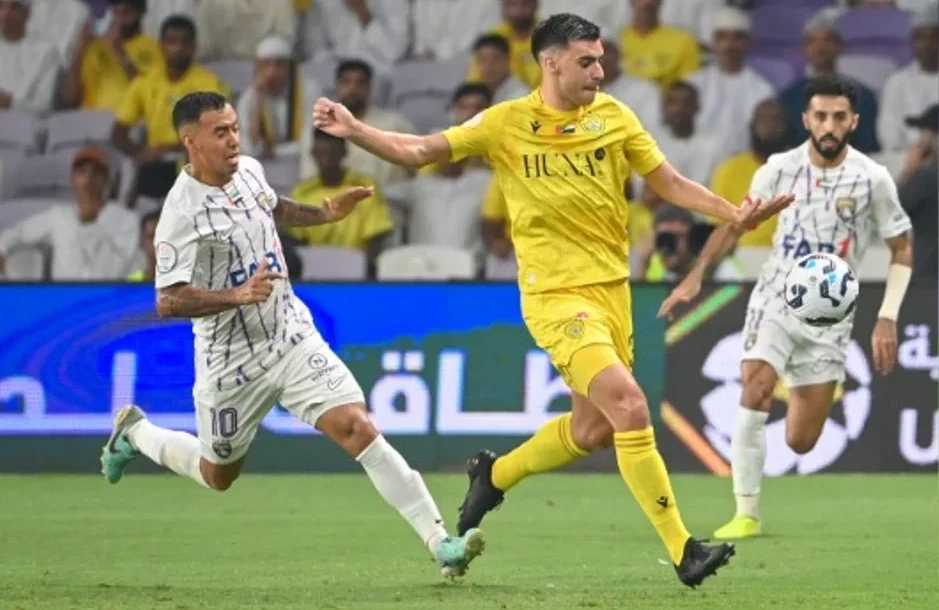
Al-Hilal Stun Manchester City in Club World Cup A New Chapter in Football History By Alhanouf Mohammed Alrowaili Orlando, July 2025 – Football fans around the world witnessed a seismic moment in the sport’s history as Saudi Arabia’s Al-Hilal pulled off a sensational 4–3 extra-time victory over reigning European champions Manchester City in the Round of 16 of the 2025 FIFA Club World Cup. More than just a win, the result marked a turning point in global football one that challenges long-standing hierarchies and shines a light on the rapid rise of the Saudi Pro League. For Al-Hilal, this was not just a win, it was a statement. A message to the footballing elite that the power dynamics are shifting, and clubs from outside Europe’s top leagues are no longer content to merely participate they intend to compete. A Match for the Ages Played at a packed stadium in Orlando, the game began with a familiar script: Manchester City, champions of Europe and one of the most formidable sides in world football, took early control. In the 9th minute, Bernardo Silva opened the scoring for City with a calm finish after a slick passing move. The early goal seemed to signal business as usual for Pep Guardiola’s side. But Al-Hilal had no intention of playing the role of underdog quietly. They grew into the game with confidence, pressing high and breaking quickly. Their reward came shortly after halftime when Marcos Leonardo, the young Brazilian striker, finished a flowing team move with composure to level the score. The goal turned the tide of the match. Moments later, Malcom, another Brazilian export, struck from distance to put Al-Hilal ahead 2–1. City responded through Erling Haaland, who equalized to make it 2–2 and push the game into extra time. What followed was football drama at its finest. Kalidou Koulibaly powered home a header from a set-piece to restore Al-Hilal’s lead. Yet again, City struck back, this time through Phil Foden. With the game tied at 3–3 and fatigue setting in, many expected penalties. But Marcos Leonardo had other plans. In the 112th minute, he found space in the box and headed in the winner—a moment that sent Al-Hilal’s bench, fans, and millions watching across Asia and the Middle East into celebration. Tactical Brilliance and Mental Grit Al-Hilal’s win was no fluke. Newly appointed manager Simone Inzaghi, barely a month into the job, crafted a tactical game plan that stifled City’s usual dominance. Abandoning the more conservative system used under previous coach Jorge Jesus, Inzaghi deployed a flexible high press, fast transitions, and a compact midfield to frustrate Guardiola’s setup. Despite being without key players like Aleksandar Mitrović and Salem Al-Dawsari, Al-Hilal’s squad rose to the occasion. Yassine Bounou, the Moroccan goalkeeper, was instrumental with a string of critical saves ten in total keeping his side in the game during City’s most dangerous moments. In midfield, Rúben Neves controlled tempo and showed leadership, while defenders like Koulibaly and Saud Abdulhamid displayed remarkable discipline and courage. Up front, Marcos Leonardo emerged as the night’s hero, scoring twice and proving why he’s seen as one of the most promising strikers outside Europe’s top five leagues. MORE THAN A VICTORY  A New Era Dawns This result is not just about one club upsetting another. It is a symbolic moment in the evolution of world football. For decades, FIFA tournaments involving clubs from different continents have seen European teams dominate. The financial muscle, infrastructure, and experience of clubs like Manchester City typically make them untouchable. But Al-Hilal’s win reflects a broader shift—one that’s been years in the making. Fueled by significant investment from the Saudi Public Investment Fund (PIF), Al-Hilal has transformed into a global force. World-class players have joined the club not just for lucrative contracts, but also to be part of a competitive and ambitious project. The infrastructure, coaching quality, and tactical sophistication have evolved, creating a foundation capable of producing historic moments like this one. It also highlights the increasing competitiveness of the Saudi Pro League, which has emerged as one of the most intriguing football projects in the world. With other clubs like Al-Nassr and Al-Ittihad also making bold moves, the league’s global reputation continues to rise. Al-Hilal’s victory over Manchester City has already had a ripple effect. Social media erupted. Pundits called it one of the greatest upsets in modern football. International media, once skeptical of Saudi clubs, are beginning to view them as serious contenders. And for millions of fans in the Arab world, this moment was a source of pride a testament to how far regional football has come. Looking ahead, Al-Hilal faces a great path in the Club World Cup. They’re scheduled to play Brazilian giants Fluminense in the quarterfinals a clash of continents and styles. But with confidence sky-high and momentum behind them, the Saudi champions have already proven they can handle the spotlight. Al-Hilal’s win over Manchester City wasn’t just a football match it was a turning point. It proved that ambition, preparation, and belief can challenge even the biggest names in football. It showed that clubs outside the traditional powerhouses can rise, inspire, and even rewrite history. For Al-Hilal, it was a night of glory. For Saudi football, it was a defining chapter. And for world football, it was a reminder that the beautiful game belongs to everyone regardless of geography, or financial legacy.

Pogačar Powers

Pogačar Powers to Dominance Wins 2025 UAE Tour at Jebel Hafeet

Pogačar Powers to Dominance Wins 2025 UAE Tour at Jebel Hafeet By Desk Reporter Cycling superstar Tadej Pogačar made history again on February 22, 2025, conquering the final climb at Jebel Hafeet to secure victory at the UAE Tour, his third overall title in the event. Riding for UAE Team Emirates, Pogačar launched a bold solo breakaway just 8 km from the summit. With precision and power, he soloed past his rivals and rolled across the finish in breathtaking fashion. Giulio Ciccone and Pello Bilbao completed the podium, but Pogačar’s solo climb made the headlines. The UAE Tour, regarded as one of the early highlights of the professional road cycling calendar, has grown in stature, and Pogačar’s victory reinforces his dominance and the strength of UAE-based professional cycling. The win also demonstrates the financial and organizational success of cycling development in the Emirates, underlining how sport and national branding go hand‑in‑hand. With a commanding performance in the closing stage, Pogačar added the UAE Tour to a string of early‑season successes for his team. He now sits on a stellar 91 career wins at 26 years old, with ambitions to target classic races and major stage races later in the season. The UAE Tour’s success this year signals not only sporting excellence but growing international prestige, drawing leading riders and global media attention to the Emirates’ famed climbs and urban stages.

Ricky Hatton Dubai Comeback

Ricky Hatton Dubai Comeback A Historic Fight on UAE Soil

Ricky Hatton Dubai Comeback A Historic Fight on UAE Soil By Hafsa Qadeer On December 2, 2025, boxing legend Ricky Hatton will return to the ring in Dubai for his first professional fight since 2012. He will face Eisa Al Dah, the first professional boxer from the UAE. This highly anticipated fight is not just about two athletes; it’s about two worlds meeting in one unforgettable moment. A Legendary Comeback Meets a National Hero Ricky Hatton, also known as The Hitman, is one of the most well-known British boxers of all time. With famous fights against stars like Floyd Mayweather and Manny Pacquiao, Hatton’s return to boxing after 13 years has excited fans around the world. Across the ring will be Eisa Al Dah, a pioneer of boxing in the UAE. He has helped grow the sport in the region and inspired young Emiratis to follow their dreams. This is a proud moment not only for Al Dah but for the entire country. Why Dubai is the Perfect Place Dubai has become a major hub for international sports, from UFC fights to the Formula 1 Grand Prix. Now, boxing takes center stage. The city’s world-class venues and global audience make it the ideal location for such a powerful event. But this night will not be about glamour, it will be about strength, respect, and legacy.  More Than a Boxing Match For Hatton, this fight is a chance to step back into the spotlight. For Al Dah, it’s a chance to show the world that UAE boxing is ready for the big leagues. Whether you’re a longtime boxing fan or just love a good story, this event promises action, emotion, and history in the making. Don’t miss Ricky Hatton vs Eisa Al Dah in Dubai this December, where past and future meet in the ring.  

Fujairah Kite Surfing Surge

Fujairah Kite Surfing Surge

Fujairah Kite Surfing Surge By Desk Reporter Fujairah’s coastline is alive with excitement in 2025, as kite surfing becomes a cornerstone of the UAE’s recreational scene. The first Fujairah Kite Surf Open, held at Snoopy Island’s turquoise waters, drew athletes from across the Gulf, with Emirati champion Salem Al Marri earning third place on a board adorned with UAE flag colors. The event, supported by the UAE Sports Council, highlighted Fujairah’s ideal winds and stunning landscapes, cementing its reputation as a water sports destination. Local academies like Fujairah Surf Academy are thriving, with Emirati and expat youth mastering the sport under expert guidance. New eco-friendly beach clubs, powered by solar energy, reflect Fujairah’s commitment to sustainable adventure. The emirate’s investment in sports infrastructure is fostering a vibrant community of enthusiasts, blending thrill with environmental stewardship. Fujairah’s rise as a recreational hub showcases the UAE’s ability to transform its natural assets into global attractions.

The UAE’s Mental Fitness Revolution in Sport

The UAE’s Mental Fitness Revolution in Sport

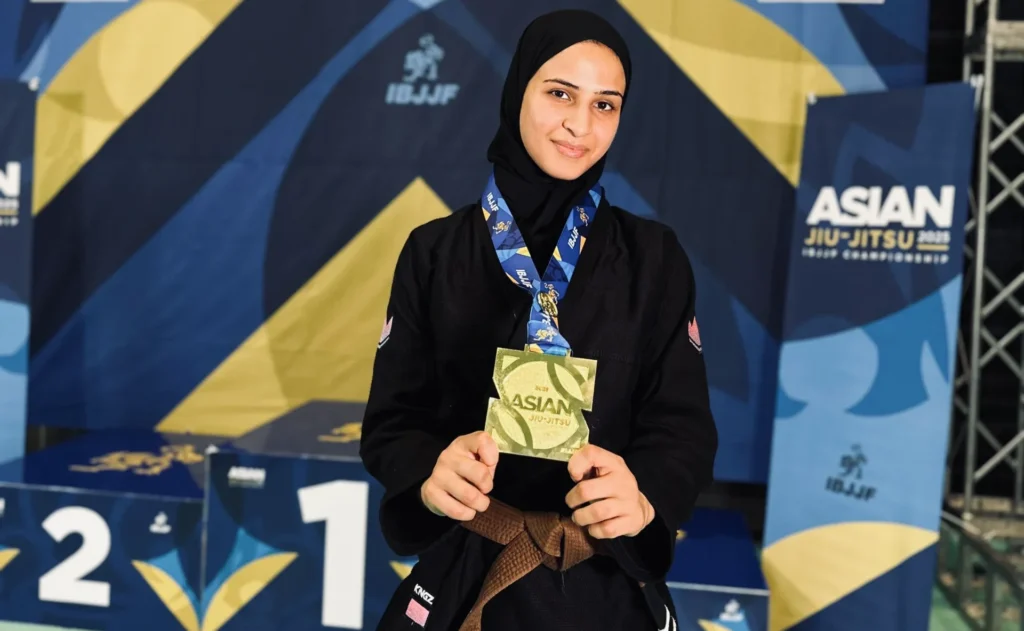
The UAE’s Mental Fitness Revolution in Sport By Hafsa Qadeer There was a time when training meant lifting heavier, running faster, pushing limits until they broke. But in the UAE, a quieter revolution is unfolding, one that doesn’t build only biceps, but resilience, clarity, and emotional strength. Welcome to the era where sports begin not in the gym, but in the mind. In this desert nation, once defined by grit and endurance, mental fitness is becoming the new frontier of athletic excellence. Because here, they understand: before you conquer the track or the ring, you must first conquer yourself. Training the Brain Like a Muscle Across the Emirates, from Al Ain’s endurance camps to Dubai’s high-tech performance centers, a shift is underway. Coaches are no longer just timing sprints or counting reps. They’re introducing breathwork, mindfulness, and even guided visualization. Emirati athletes now begin their day with meditation before warm-up drills. It’s not just ritual, it’s a strategy. Neuroscientists and sports psychologists are joining teams alongside nutritionists and physiotherapists. This is peak performance, reimagined. Youth Athletes, Wiser Sooner The UAE’s grassroots sports programs aren’t waiting for burnout to intervene. Young athletes are taught early that mental health is as important as physical form. In Jiu-Jitsu academies, emotional regulation is part of the belt journey. In football camps, teens journal before they train. It’s not softness, it’s preparedness. Anxiety, fear of failure, and pressure don’t vanish at the professional level. They are trained for, just like a technique. This psychological scaffolding is producing not only stronger athletes but better humans. Breaking the Stigma For years, conversations around mental health in the Arab world were subdued, often private. But sport has become the bridge. When Olympic athletes speak publicly about panic attacks or performance anxiety, they do more than inspire, they liberate. The UAE has leaned into this with intention. Sports councils sponsor therapy sessions for elite athletes. Media campaigns normalize therapy in Arabic. Even mosques partner with wellness centers to offer spiritual resilience alongside sports recovery. In this fusion of faith and focus, a new kind of strength is being born. Technology Meets the Mind Of course, in the UAE, innovation is never far behind. AI-powered wearables now track not just heart rate, but stress levels and cognitive fatigue. Mental wellness apps designed specifically for Arabic speakers offer custom affirmations, guided breathing, and resilience coaching. Virtual reality training simulates pressure-filled moments, a penalty shootout in front of 10,000 fans, a final lap with milliseconds on the clock. Athletes train not just for technique but for temperament. And in this calibrated calm, victory becomes more than a scoreboard. Redefining Winning What does it mean to win in the 21st century? Gold medals will always shine, but the UAE is beginning to ask deeper questions: Can you sleep peacefully after the competition? Can you walk off the field knowing you gave all without breaking yourself? Can you lose with grace, and come back stronger? This is a shift from legacy to longevity. The Spirit of Sport, Reinvented Sport was never just about the body. It was always a mirror of the soul, a test not only of limits but of character. And in the UAE, that character is being shaped with unprecedented care. Because in a nation where athletes are role models, not just winners, the real triumph is not just lifting a trophy, it’s lifting yourself. Here, mental fitness isn’t an accessory. It’s the foundation. And it’s proving that the mind is, after all, the strongest muscle of all.

Asia Cup

UAE Stands as the Ideal Stage for Cricket as Asia Cup Returns with India and Pakistan Set to Compete

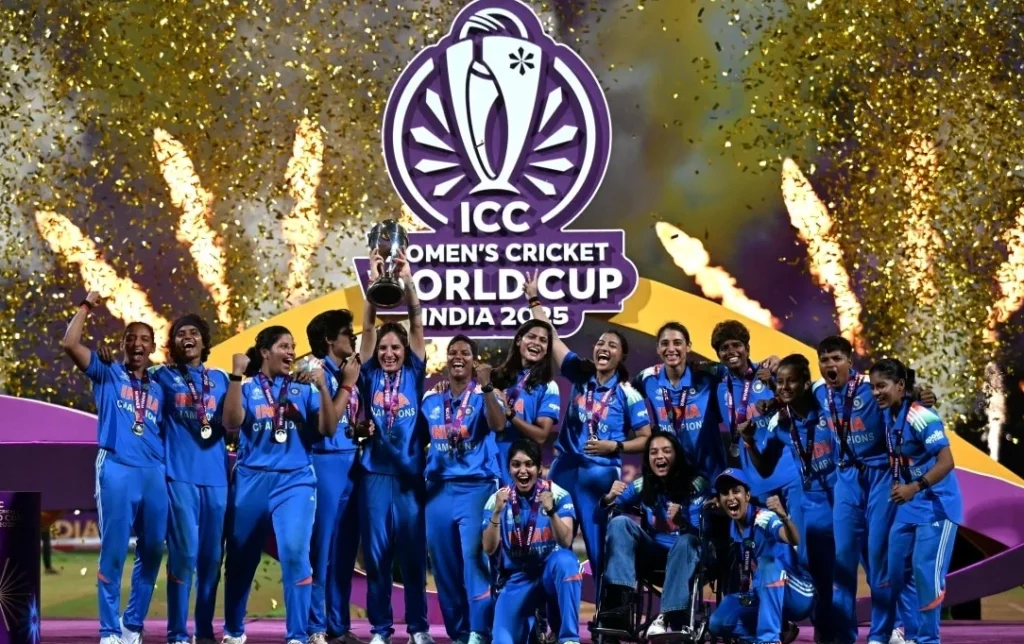
UAE Stands as the Ideal Stage for Cricket as Asia Cup Returns with India and pakistan Set to Compete By Hafsa Qadeer When the Asian Cricket Council (ACC) confirmed that the Asia Cup 2025 would unfold in Dubai and Abu Dhabi this September, the news carried resonance beyond the cricket pitch. It wasn’t merely another tournament; it was a statement about power, politics, and the economics of global sport. India and Pakistan, whose bilateral cricketing ties remain frozen, have announced squads that highlight generational change and bold gambles. But equally compelling is the choice of venue. Once a neutral stopgap for politically fraught fixtures, the United Arab Emirates has now matured into the cricketing world’s default international stage, a role with both financial and symbolic weight. India’s Calculated Continuity India’s announcement of Surya Kumar Yadav as captain and Shubman Gill as vice-captain reflects a deliberate investment in a more dynamic, aggressive style of cricket. The return of Jasprit Bumrah bolsters the bowling attack, offering India the strike weapon it needs on the slick pitches of Dubai. The omissions of Shreyas Iyer and Yashasvi Jaiswal, however, have sparked controversy. Iyer’s exclusion is being interpreted as a loss of favor with the current management, while Jaiswal’s absence suggests that selectors are privileging consistency over raw flair. The squad, then, is not just about talent, it is a reflection of cricketing politics within India, where youth must now wait for its turn in a team that is under pressure to win trophies. For India, this tournament is more than practice. It is a stress test of leadership beyond the era of Rohit Sharma and Virat Kohli, a window into how the next decade of Indian cricket will look. Pakistan’s Audacious Gamble If India leaned toward continuity, Pakistan chose rupture. No Babar Azam. No Mohammad Rizwan. Instead, selectors turned to Salman Ali Agha as captain, flanked by a mix of seasoned campaigners like Fakhar Zaman and Shaheen Afridi, and younger aspirants like Saim Ayub and Hasan Nawaz. The move shocked fans and pundits alike. For years, Babar Azam has been Pakistan’s batting bulwark, Rizwan its most reliable wicketkeeper-batter. To omit both is to risk chaos in favor of renewal. Former pacer Aqib Javed called it “the team that can beat India.” Critics, however, warn that too much change risks eroding stability in a format that thrives on predictability. But the strategy may be bigger than cricket. Pakistan has long struggled with over-reliance on individual stars. By moving away from its household names, the Pakistan Cricket Board is sending a message: the future lies in collective strength, not in dependence on a single talisman. Why the UAE Again? Infrastructure and Broadcast Reliability The UAE offers what many cricketing nations, including giants like India and Pakistan, cannot always guarantee: neutrality, safety, and seamless logistics. Dubai International Cricket Stadium, with its 25,000-seat capacity and iconic “Ring of Fire” floodlights, and the Sheikh Zayed Stadium in Abu Dhabi, with its ICC-approved facilities, are tailor-made for broadcast-driven tournaments. For global broadcasters and sponsors, the Emirates provide certainty. No political protests outside stadiums, no security breakdowns, no weather washouts. Matches start on time, television rights flow uninterrupted, and the product is polished for a global audience. Diaspora Economics The UAE’s edge lies in demography. South Asians form nearly 50% of the UAE’s population, with Indian and Pakistani communities alone numbering in the millions. This ensures that India–Pakistan matches in Dubai feel like home fixtures for both sides. Crowds bring the passion of the subcontinent without the logistical or political baggage. Economically, this is gold. Ticket sales soar, merchandise finds eager buyers, and broadcasters know that packed stadiums make for compelling television. Add to this the premium sponsorship ecosystem of the Gulf, Emirates Airlines, Etihad, and global brands looking for visibility in Asia, and the UAE becomes not just a host, but a commercial multiplier. Neutral Ground, Global Symbol The UAE’s cricketing rise is also a story of geopolitics. For decades, India and Pakistan have been unable to host each other due to political tensions. Neutral venues became necessary, and Sharjah in the 1980s pioneered that role. Today, Dubai and Abu Dhabi carry that legacy forward at a higher scale and polish. In a polarized world, the UAE offers cricket what Geneva offers diplomacy: a safe, neutral, and world-class meeting point. The Economics of the Asia Cup The Asia Cup is not the World Cup, but it remains one of the most lucrative regional tournaments. The 2022 edition generated an estimated $60–70 million in combined broadcast and sponsorship revenue. With India and Pakistan meeting on neutral soil, the 2025 edition is expected to eclipse that figure. Disney Star, Sony, and digital platforms like Hotstar battle for subcontinental rights, driving valuations upward. With Dubai’s and Abu Dhabi’s capacities smaller than India’s mega-stadiums, the ticket pricing strategy is premium. Fewer seats, higher ticket value.  Hotels, airlines, and restaurants benefit from traveling fans, while the UAE strengthens its positioning as a sports tourism hub. This economic halo effect is why the Emirates are investing in positioning themselves as a permanent fixture in global cricket hosting, alongside the likes of England and Australia. Is the UAE the Best Place for Cricket? This is the question that lingers. Traditionalists argue that cricket loses something in translation when lifted out of its cultural roots. The atmosphere of Kolkata’s Eden Gardens or Lahore’s Gaddafi Stadium cannot be replicated in Dubai’s gleaming arenas. But modern cricket is not just about atmosphere. It is about logistics, commerce, and global visibility. On those fronts, the UAE offers unmatched advantages: Within a four-hour flight of most South Asian cities. Essential for India–Pakistan fixtures. Perfect infrastructure for high-definition, prime-time cricket. A politically neutral, secure environment that reassures players, sponsors, and fans. The verdict? While nothing can replace cricket in its cultural homes, the UAE has become the sport’s most practical and profitable stage for multinational tournaments. The Bigger Picture The Asia Cup 2025 is not just a warm-up for the World Cup. It is a