MAGNAV Emirates

Sports

Inside Dubai World Cup, Where Horses and High Society Collide, Gorgeous Glory in the Desert

Inside Dubai World Cup, Where Horses and High Society Collide, Gorgeous Glory in the Desert

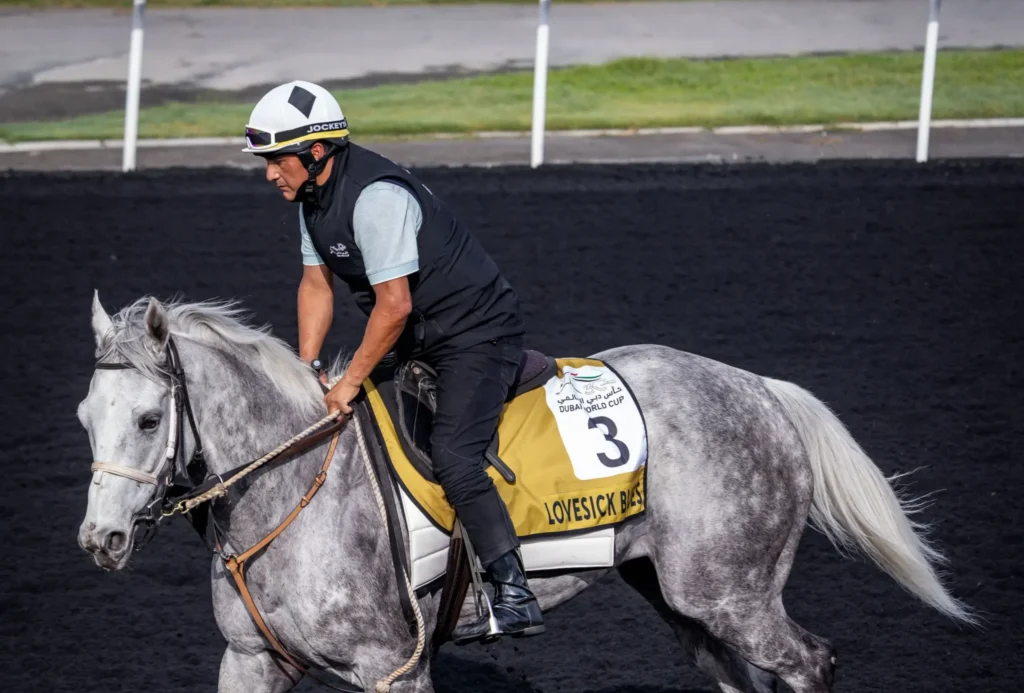
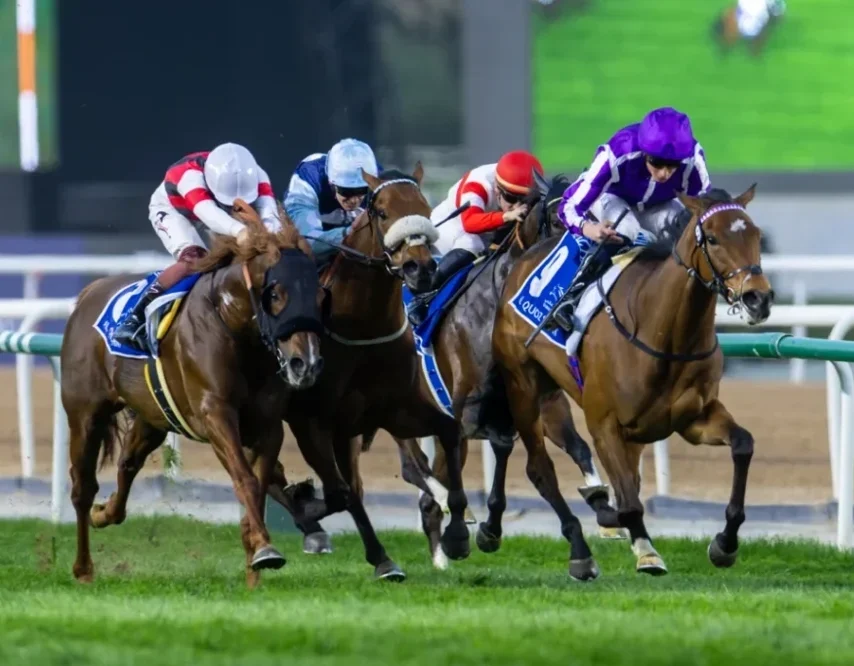
Inside Dubai World Cup, Where Horses and High Society Collide, Gorgeous Glory in the Desert By Marina Ezzat Alfred A woman steadies the brim of her hat as the wind shifts across the grandstand, the fabric catching light for a brief second before settling back into place. Around her, cameras flicker in small bursts, conversations pause and resume, and somewhere below, almost unnoticed beneath the choreography of appearance, a horse exhales, sharp, controlled, ready. At Meydan Racecourse, these moments do not compete with each other. They unfold in parallel, part of the same carefully constructed reality. The Dubai World Cup 2026 does not begin with the opening of gates. It begins hours earlier, in the slow accumulation of presence. Guests arrive not simply to watch but to participate, moving through an environment that has been designed as much for perception as for performance. By the time the floodlights settle into their full intensity, the desert has already surrendered its heat, leaving behind a cool, controlled atmosphere where anticipation sharpens rather than disperses. More than sixty thousand people occupy the space, yet it rarely feels like a crowd. It feels arranged. The scale is easy to recite and, perhaps for that reason, easy to overlook. A total purse of $30.5 million across nine races. Twelve million assigned to the feature event alone. Over one hundred horses, flown in from more than a dozen racing nations, each representing an entire ecosystem of breeding decisions, financial risk, and long-term strategy. But numbers here behave like architecture; they hold everything together without demanding attention. What defines the night is something less tangible: the alignment of speed, spectacle, and identity into a single, uninterrupted experience. There is a moment, just before the races begin, when the track exists in a kind of suspended calm. Handlers move with practiced efficiency, their gestures economical, almost invisible unless watched closely. The horses, by contrast, carry a contained energy that resists stillness. Muscles shift beneath polished coats, hooves strike lightly against the ground, and the air feels charged in a way that has little to do with the crowd above. It is here, away from the spectacle, that the event reveals its most honest layer, before performance, before presentation, before narrative takes hold. When the gates finally open, the effect is immediate and absolute. Everything that existed before, the fashion, the conversation, the layered performances of presence, recedes into the background. Magnitude breaks cleanly, not with urgency but with control. There is a rhythm to the early stages of the race, a measured precision that feels almost rehearsed. Ridden by Jose Ortiz and trained by Steven Asmussen, Magnitude does not rush to dominate. He holds a position, responding rather than initiating, as if aware that this race will not be decided in its opening moments. Ahead, Forever Young carries a different kind of weight. Entering as one of the strongest contenders, the horse represents more than individual form; it reflects the steady rise of Japan’s presence in elite dirt racing, a system that has been refining itself quietly, consistently, for years. For much of the race, expectation and execution appear aligned. Then, in the final stretch, the margin between certainty and outcome begins to dissolve. What follows is not dramatic in the way spectacle often demands. There is no exaggerated shift, no singular moment that announces itself as decisive. Instead, it unfolds through fractions, a slight adjustment in pace, a narrowing of space, a response measured in instinct rather than instruction. Magnitude advances. The distance closes. The balance shifts almost imperceptibly until it can no longer be ignored. By the time the finish line arrives, the result feels both inevitable and unexpected, the clock recording 2:04.38 over two thousand metres, a time precise enough to define the outcome but insufficient to fully explain it. And then, just as quickly, the race releases its hold. Sound returns in layers, the rise of voices, the delayed reaction of those who were watching something else entirely, the quiet recalibration of a space that had, for a few seconds, been unified by attention. It is here that the Dubai World Cup reveals its dual nature. For some, those seconds are everything. For others, they are part of a much larger narrative that extends far beyond the track. In the grandstand, the performance resumes, though it never truly paused. The Style Stakes competition continues to draw its own audience, transforming personal style into a parallel form of competition. Tailoring, color, proportion, each element is considered with a precision that mirrors the calculations taking place on the track below. A man adjusts his cufflinks, glancing briefly at the results before returning to a conversation that has nothing to do with racing. Nearby, a woman studies the silhouettes moving through the crowd, her attention fixed not on the outcome of the race but on the composition of the moment. Neither perspective diminishes the other. This coexistence is not incidental; it is the defining characteristic of the event. The Dubai World Cup has never insisted on a singular identity. Instead, it operates through layering, allowing sport, fashion, business, and social presence to occupy the same space without hierarchy. What might feel like a distraction elsewhere becomes, here, part of the design. This design extends beyond the visible. Since its beginnings in 1996 at Nad Al Sheba Racecourse, the World Cup has evolved alongside the city itself, growing in scale and complexity as Dubai refined its position on the global stage. The move to Meydan was not simply logistical; it was declarative. The architecture, with its sweeping lines and controlled visibility, does more than house an event; it shapes how that event is experienced. Movement is guided. Perspective is framed. Even light is used with intention, transforming the racecourse into something that feels, at times, suspended from its surroundings. To describe this as a spectacle would be accurate, but incomplete. Spectacle suggests excess, a kind of unrestrained display. What exists at Meydan is closer to precision. Every
Najla Alqahtani, The Voice Behind Saudi Football’s New Era

Najla Alqahtani, The Voice Behind Saudi Football’s New Era

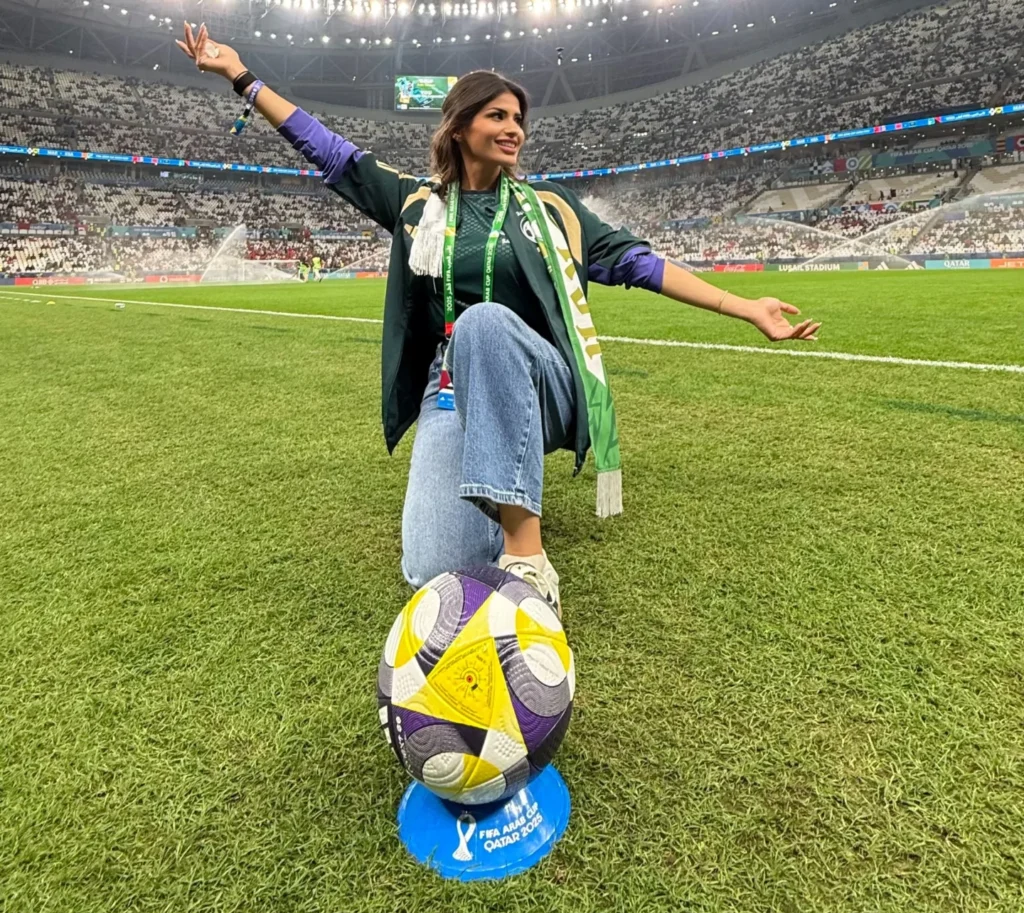
Najla Alqahtani, The Voice Behind Saudi Football’s New Era By Ami Pandey There is a moment, just before kickoff, when the stadium seems to inhale as one. The floodlights hum, the air tightens, and thousands of voices hover on the edge of eruption. In Saudi Arabia, that moment does not remain contained within the walls of a stadium. It spills outward, into homes, cafés, car rides, and endless digital threads where fans dissect, celebrate, and relive every second. Football here is not an escape from daily life; it is embedded within it, shaping emotion, conversation, and identity with remarkable intensity. For Najla Alqahtani, this reality is not an abstract cultural observation but a lived experience. It is the world she steps into, documents, and translates for a rapidly growing audience that does not simply follow the game but feels it deeply. “What has surprised me most is how deeply football is woven into everyday life in Saudi Arabia,” she says. “It’s not just a sport, it’s a shared language. One match can shape moods, conversations, and even identity. People don’t just watch football here, they live it.” Her words capture a truth that statistics often fail to express: football in the Kingdom operates as a social current, one that runs through generations and across communities, connecting people through a common emotional vocabulary. This intensity has only grown in recent years, as Saudi Arabia’s presence on the global sports stage has expanded and digital platforms have amplified every moment. Matches are no longer confined to ninety minutes; they stretch into pre-game anticipation and post-match analysis, into viral clips and late-night debates. In this environment, the role of the sports content creator has evolved into something far more complex than traditional reporting. It requires immediacy, instinct, and an ability to interpret emotion as it unfolds. Najla’s journey into this space began not with strategy, but with instinctive passion. “My journey into sports media started from genuine passion,” she explains. “I’ve always been a football fan, but over time I realized I wasn’t just watching, I was documenting, sharing, and building a voice around it. That’s when it became part of my professional identity.” The shift she describes is subtle but significant. It marks the transition from observer to participant, from someone consuming the narrative to someone shaping it. In today’s media landscape, that transition defines a new generation of storytellers who are not bound by traditional pathways but guided by authenticity and connection. Her understanding of storytelling reflects this evolution. “As a content creator in sports media, I see storytelling as the bridge between emotion and clarity,” she says. “In high energy football environments, I focus on capturing authentic moments while maintaining perspective, so the audience can feel the experience even from afar.” It is a delicate balance to achieve. Football is inherently chaotic, driven by sudden shifts and emotional surges, yet the storyteller must find coherence within that chaos. To translate a moment is not simply to show it, but to frame it in a way that resonates, allowing the audience to experience both the intensity and the meaning behind it. This responsibility becomes even more profound when it intersects with national identity. Being close to the Saudi national team places Najla at the center of moments that carry immense emotional weight. “Being close to the Saudi national team is something I truly value,” she says. “These moments go beyond sport, they represent national pride. Documenting them is not just coverage, it’s preserving memories that matter to millions.” In that sense, her work exists beyond the immediacy of social media. It becomes part of a larger cultural archive, one that captures how a nation feels in its most unified and vulnerable moments. The goals, the celebrations, the silences after defeat, all become part of a shared memory that extends far beyond the final whistle. Her experience covering Al Nassr adds another dimension to this narrative, one shaped by global attention and diverse audiences. “Covering Al Nassr has shaped my understanding of audience connection on a global level,” she notes. “It’s a club with massive reach and passionate fans, which pushed me to create content that is both authentic and engaging across different audiences.” The challenge here lies in navigating scale without losing intimacy. A global audience brings visibility, but it also demands a broader awareness of how stories are received and interpreted. The creator must remain rooted in authenticity while ensuring that the narrative resonates across cultural boundaries. In such an environment, authenticity becomes more than a personal value; it becomes a professional necessity. “Authenticity is everything,” Najla emphasizes. “In a space full of strong opinions, I stay grounded by being myself and focusing on genuine moments rather than trying to please everyone. Audiences connect with honesty more than perfection.” This insight reflects a deeper understanding of digital culture, where audiences are quick to recognize what feels real and equally quick to reject what does not. In a landscape defined by immediacy and constant reaction, maintaining a consistent voice is both challenging and essential. The nature of sports audiences intensifies this challenge. Football fans are deeply invested, emotionally reactive, and often divided in their loyalties. Every match carries stakes that extend beyond the pitch, influencing how fans engage with content and with each other. Navigating this environment requires resilience and clarity of purpose, qualities that Najla has developed over time. Her perspective is particularly significant within the context of gender dynamics in sports media. The field has historically been male-dominated, with persistent assumptions about the roles women can occupy within it. Najla addresses these misconceptions directly. “One common misconception is that women in sports media are limited to a certain role or level of knowledge,” she says. “In reality, many women are deeply informed and actively shaping the industry in meaningful ways.” Her statement challenges outdated narratives and highlights a shift that is already underway, as more women enter the field not as exceptions, but as influential voices. Her own

Dubai World Cup 2026, The Day Racing Becomes a Global Spectacle

Dubai World Cup 2026, The Day Racing Becomes a Global Spectacle

Dubai World Cup 2026 The Day Racing Becomes a Global Spectacle By Hafsa Qadeer On 28th March 2026, the desert once again transforms into a stage where sport, spectacle, and statecraft converge with calculated precision. The Dubai World Cup returns to Meydan Racecourse, carrying with it not just the weight of expectation, but the certainty of scale. Marketed as the world’s most spectacular race day, it is an event that has, over nearly three decades, grown into something far more deliberate, a global statement shaped through speed, money, and meticulous orchestration. This year’s edition brings with it a total prize purse of $30.5 million, distributed across nine races that together form one of the richest single-day programs in horse racing. At its centre sits the Dubai World Cup itself, a 2,000-metre dirt race that has consistently drawn elite contenders from the United States, Europe, and Japan. Surrounding it is a carefully curated lineup, including the Dubai Sheema Classic, the Dubai Turf, and the Al Quoz Sprint, each race carrying international prestige and strategic importance within the global racing calendar. The significance of the Dubai World Cup, however, extends well beyond prize money. Since its founding in 1996 under Mohammed bin Rashid Al Maktoum, the event has been designed as a projection of Dubai’s global ambitions. Meydan itself reflects that intent. With its sweeping grandstand and state-of-the-art facilities, it operates as both venue and symbol, an architectural declaration that horse racing here is inseparable from spectacle. The promotional imagery for the 2026 edition reinforces this dual identity. Horses surge forward in sharp focus, but the frame is deliberately wider: illuminated skylines, curated luxury, and the promise of a closing ceremony engineered to break multiple Guinness World Records. These finales, now synonymous with the Dubai World Cup, have evolved into productions of extraordinary scale, combining fireworks, synchronized lighting, and aerial displays to create a visual narrative that extends beyond the racetrack and into the city itself. Yet beneath the surface, the event plays a more strategic role in reshaping global horse racing. Its timing early in the calendar, positions it as a crucial meeting point for international contenders. American dirt specialists, European turf champions, and Japanese runners, often operating within separate circuits, converge here, turning race day into a rare intersection of styles, strategies, and breeding philosophies. For owners and trainers, success at Meydan is not merely a victory; it is a declaration of global relevance. Economically, the impact is equally deliberate. The Dubai World Cup functions as a magnet for high-net-worth individuals, industry leaders, and international media. Hospitality packages, premium dining experiences, and exclusive viewing suites transform the grandstand into a social arena where business, leisure, and sport intersect seamlessly. The event’s dress culture, an interplay of tradition and contemporary luxury, adds another layer to its identity, reinforcing its position as both a sporting fixture and a social calendar highlight. Behind this polished façade lies an intricate logistical operation. Horses are transported across continents under strict conditions, adapting to climate, surface, and time zone shifts. Trainers recalibrate strategies for Meydan’s dirt and turf tracks, while jockeys adjust to nuances that can determine outcomes measured in fractions of a second. It is a global effort condensed into a single day, where preparation meets unpredictability. What distinguishes the Dubai World Cup is its refusal to separate competition from experience. Entertainment is not an afterthought but a central pillar. Live performances, immersive visuals, and the much-anticipated closing ceremony ensure that the event resonates far beyond racing audiences. It speaks to a broader understanding of modern sportcone that recognizes spectacle as integral to engagement. And yet, when the gates open on 28th March, the narrative narrows. The noise recedes, the spectacle pauses, and what remains is the raw clarity of competition. Hooves strike the track, momentum builds, and for a few fleeting minutes, the essence of horse racing takes over, pure, unscripted, and indifferent to everything that surrounds it. By the time the final race concludes and Meydan’s sky erupts in orchestrated light, the Dubai World Cup will have once again fulfilled its purpose. It will have drawn the world’s attention not just to a race, but to an idea, one where ambition is performed at scale, and where a single day in the desert becomes a global moment.

Moeen Ali, The Heartbeat of the Gulf Giants and the Soul of the Modern Game

Moeen Ali, The Heartbeat of the Gulf Giants and the Soul of the Modern Game

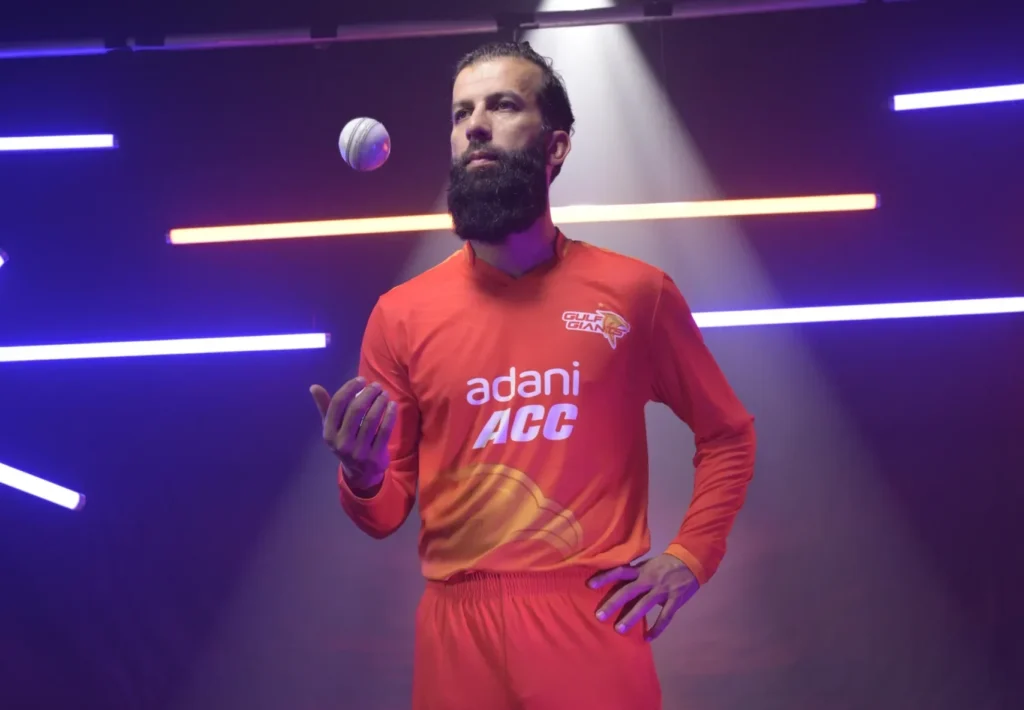
Moeen Ali, The Heartbeat of the Gulf Giants and the Soul of the Modern Game By Paul Smith Down on the emerald turf, a figure moves with a calmness that seems to slow down the frantic pace of T20 cricket. He isn’t shouting orders or gesturing wildly. Instead, he’s sharing a quiet laugh with a young UAE bowler before moving back to his mark. This is Moeen Munir Ali, a man whose career has been defined by elegance, but whose true impact is found in the quiet moments between the wickets. As the Vice-Captain of the Gulf Giants, Moeen (or “Mo” to his teammates) has become the emotional anchor of a franchise that is rapidly carving out its own history in the ILT20. For Moeen, this chapter isn’t just about another league trophy; it’s about a deeper connection to the game and the people who play it. Moeen has spent over a decade living out of a suitcase, traveling from the roaring colosseums of the IPL to the high-voltage atmosphere of the PSL. You might think a veteran of his stature would be tired of the “franchise grind,” but when he talks about the Gulf Giants, his eyes light up with the curiosity of a debutant. He wasn’t just looking for another contract when he signed with the Giants. He was looking for a project. The ILT20 is a league still in its infancy, finding its feet and its voice. To Moeen, the chance to be part of that formative journey was irresistible. He saw a league where international stars rub shoulders with local talent who possess a “raw hunger” to learn, a hunger that reminds him of why he picked up a bat in Birmingham all those years ago. Working alongside Jonathan Trott, a man he has known since his early days, and a captain like James Vince, the environment at the Giants felt right. It’s a balance of professional excellence and a relaxed, human atmosphere. For Moeen, that balance is the secret sauce to playing good cricket at this stage of his life. In the world of T20, players are often put into boxes: the “Power Hitter,” the “Death Bowler,” the “Anchor.” Moeen Ali refuses the box. As a genuine all-rounder, he lives in the “in-between” spaces of the game. When he walks onto the field, he doesn’t have a pre-set script. He doesn’t think, Today I am a batsman, or Today I am a bowler. Instead, he listens to what the match is telling him. If the team needs a steady hand to navigate the middle overs, he provides it with his silky left-handed drives. If the pitch offers a bit of turn, he’s ready to squeeze the life out of the opposition’s scoring rate with his off-breaks. “I try not to overthink it,” he says, embodying the philosophy of being “present.” To Moeen, being an all-rounder is about being the ultimate teammate, flexible, reactive, and always ready to fill whatever gap the team needs. If you walk into the Gulf Giants’ dressing room, you’ll notice that Moeen doesn’t treat the younger players like “juniors.” He treats them like equals. His approach to mentorship is radically simple: Empathy. He knows that these young cricketers already have the talent, they wouldn’t be in the ILT20 if they didn’t. What they often lack is the mental clarity to handle the pressure. Moeen sees his role as a bridge. He spends his time having conversations, sharing the “war stories” of his career, and making sure the younger guys feel comfortable enough to express themselves. “Before anything else, we’re all human beings,” he reminds us. In an era of data-driven coaching and biomechanics, Moeen is a champion of the human heart. He believes that a happy, understood player is a successful player. Every cricket season is a rollercoaster, and the Giants’ recent campaign has been no different. They started like a house on fire, clinching three wins in their first four outings. But as the season progressed, the results became harder to come by. For many teams, a string of losses leads to finger-pointing and fractured dressing rooms. But Moeen noticed something different happening with the Giants. Instead of pulling apart, the group pulled together. He watched as the pressure of the losses actually brought the players closer. To him, those moments of struggle revealed the “special” character of the squad. It wasn’t about the wins; it was about the fact that they stayed a team even when they weren’t winning. Moeen Ali knows what it feels like to stand on a podium with gold around his neck. He has won the biggest titles England has to offer, and he brings that “World Cup wisdom” to every game he plays for the Giants. His biggest takeaway from those global triumphs? Focus on the controllables. Big tournaments aren’t won by the team with the most “star power” on paper; they are won by the team that handles the pressure of the “big moments” with the most composure. He teaches the Giants that trust and a positive environment are just as important as a good cover drive. If you can keep the dressing room light and focused, the results eventually take care of themselves. Even for a veteran, cricket can be a cruel game. A bad performance can stay with you, haunting your sleep and affecting your next game. Moeen has learned the hard way that you cannot let the sport consume your entire identity. When he has a tough outing, he doesn’t dwell on the replays. He looks for perspective. He honestly reflects on what went wrong, but then he intentionally switches off. He spends time with his family, disappears into the “real world,” and reminds himself that one match doesn’t define who he is as a man. This ability to “reset” is what has allowed him to play at the highest level for so long. In a sport that tracks every run and every wicket with obsessive detail, Moeen’s stance on personal milestones is

Saudi Arabia Builds the Backbone of Its 2034 World Cup

Saudi Arabia Builds the Backbone of Its 2034 World Cup

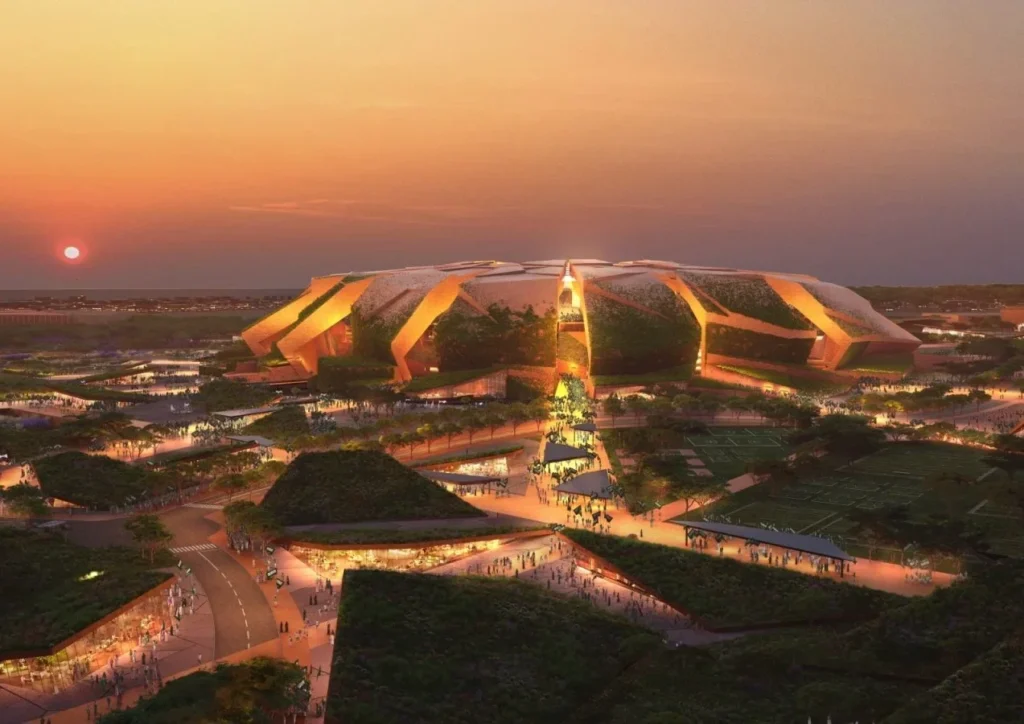
Saudi Arabia Builds the Backbone of Its 2034 World Cup By Hafsa Qadeer Saudi Arabia has taken another important step toward hosting the 2034 FIFA World Cup by inviting companies to prequalify for the construction and upgrade of 68 sports training sites across the country. The announcement, made by the Ministry of Sport in January 2026, covers both new facilities and the renovation of existing ones. While stadiums usually attract the most attention, this move shows that Saudi Arabia is focusing on the full structure needed to host a global tournament. These training sites will be used by national teams, referees, officials, and support staff during the World Cup. FIFA rules require host countries to provide training facilities that meet strict international standards. This includes high-quality pitches, medical and recovery areas, changing rooms, media spaces, and offices for tournament operations. Industry reports confirm that the 68 sites are part of a much larger plan that will see more than 130 training facilities built or upgraded before 2034. The locations of these sites tell an important story. Instead of placing all facilities in major cities, Saudi Arabia is spreading them across many regions. Planned locations include Riyadh, Jeddah, Medina, Taif, Tabuk, Al-Baha, Jazan, Hail, Al-Ahsa, Al-Ula, Umluj, and Buraidah. This approach allows smaller cities to benefit from investment and brings professional-level sports infrastructure closer to local communities. This project is closely linked to Vision 2030, Saudi Arabia’s long-term plan to grow sectors such as tourism, entertainment, and sport. Over recent years, the Kingdom has hosted major sporting events and invested heavily in football at both club and national levels. The training site programme shows a focus on long-term value. These facilities are not only for the World Cup. They are being designed for use long after the tournament ends. The prequalification process is aimed at construction companies with strong experience in sports infrastructure. Both local and international firms are expected to apply. The Ministry of Sport has set deadlines in February 2026, showing that work on the ground is expected to begin soon. This early start gives planners time to test and improve the facilities before teams arrive in 2034. The training sites will support a wider stadium development programme already underway. Riyadh’s King Fahd Sports City Stadium has been renovated in recent years and is expected to host World Cup matches. Prince Faisal bin Fahd Sports City Stadium is also being upgraded. New stadium projects are planned in Jeddah as part of large city development plans, while King Abdullah Economic City is being prepared as another key host location. These venues are designed to serve the public long after the World Cup, hosting sports, cultural events, and community activities. Training facilities may leave the strongest legacy. Stadiums host big events a few times each year. Training centres are used every day. After the World Cup, these sites can support youth academies, school sports, women’s football, and community programmes. Saudi Arabia has seen rising interest in sports participation, and access to modern facilities plays a key role in keeping that momentum going. The economic impact of the project is wide. Construction creates jobs for engineers, architects, technicians, and suppliers. Hotels, restaurants, and transport services in host cities are also expected to benefit as teams and visitors arrive. Smaller cities in particular stand to gain from this activity, supporting the Kingdom’s goal of balanced regional development. Large projects bring challenges. Coordinating dozens of construction sites across different regions requires careful planning and strong oversight. Sustainability is also a key focus. New sports facilities are expected to use energy efficiently, manage water carefully, and keep long-term running costs under control. Saudi authorities have repeatedly stated that sustainability and legacy are central to their World Cup plans. International attention on Saudi Arabia’s World Cup preparations remains strong. Progress on training facilities shows a practical and structured approach. By focusing early on infrastructure that supports daily operations, the Kingdom is building confidence in its ability to host the tournament at a global standard. The 68 training sites now entering the prequalification stage may not appear in match broadcasts, yet they form the backbone of the 2034 World Cup. They will shape the daily routines of teams and officials and continue to serve communities long after the final match. This investment shows that Saudi Arabia is treating the World Cup not as a one-time event, but as a long-term national project with lasting impact.

Ahmad Skaik

Ahmad Skaik, Carrying The Flag Forward For Emirati Golf

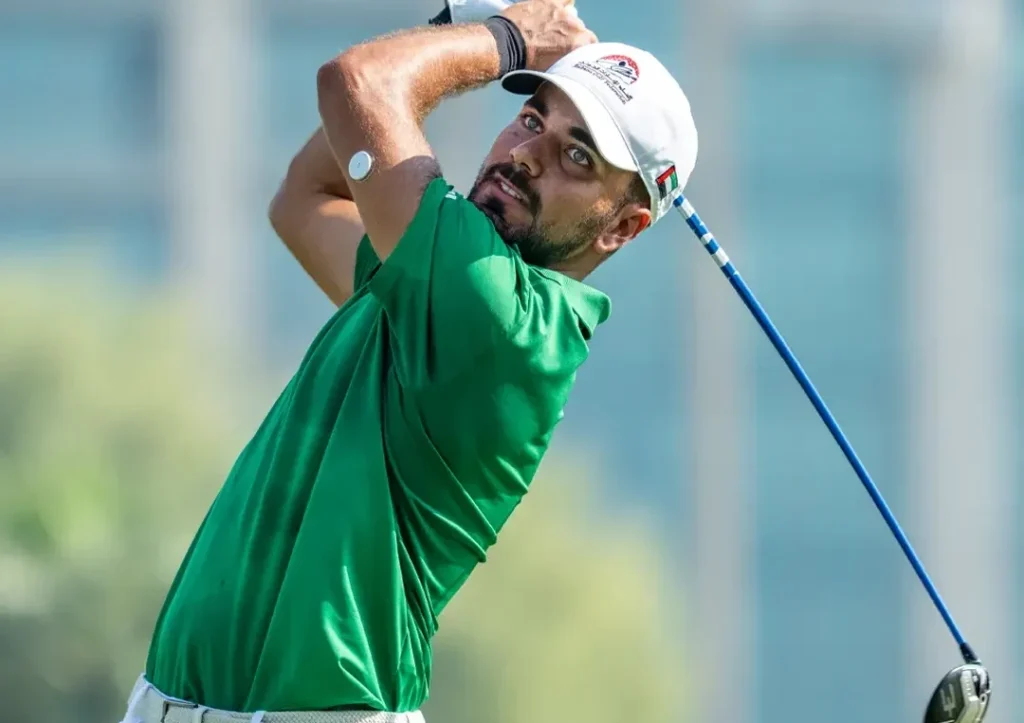
Ahmad Skaik, Carrying The Flag Forward For Emirati Golf By Jane Stevens Ahmad Skaik steps onto the golf course with more than ambition guiding his swing. At the heart of his game is a deeply personal mission rooted in love for the sport and the satisfaction of striving for excellence. Every round is fueled by self-motivation and a desire to achieve something meaningful, but representing the UAE elevates that drive even further. For Skaik, wearing his country’s colors is a responsibility that extends beyond performance, it is about being the best version of himself both on and off the course. The decision to turn professional was not rushed, nor was it taken lightly. Skaik had his eyes set on one final goal as an amateur, competing in the Asia Pacific Amateur Championship, an event he deeply admired and hoped to win. His plan was clear and deliberate, a victory would keep him amateur and open the door to the Masters, anything less would signal it was time to take the next step. That moment captured both the excitement and clarity that defined his transition into the professional ranks. When Skaik made the cut in a 72 hole professional event, a milestone achievement for Emirati golf, it marked a turning point in his belief. After coming close several times, breaking through and then repeating the feat strengthened his confidence and reshaped his ambitions. The objective was no longer simply to compete or make the cut, but to contend and ultimately to win. With that shift came a new level of expectation and hunger. While technique and training matter, Skaik credits his mentality to influences beyond golf. Since childhood, he has looked up to Cristiano Ronaldo, not for style but for discipline and relentless work ethic. Ronaldo’s approach to excellence left a lasting impression, teaching Skaik that sustained greatness is built on consistency, sacrifice, and an unwavering commitment to improvement. Under pressure, especially during critical moments in a round, Skaik relies on a simple yet powerful mental habit. He breathes, centers himself, and reminds himself that these are the moments he trains for every single day. Rather than resisting pressure, he embraces it, using it as fuel. Learning to thrive in those situations, he believes, is what separates good players from great ones. A serious back injury tested that mindset like nothing before. Being sidelined for nearly a year and a half forced Skaik to rethink how he trains, warms up, and recovers. While the experience was painful and mentally challenging, it ultimately strengthened him. The setback elevated his game, deepened his discipline, and built resilience. Pushing through that difficult chapter without giving up shaped his character and made him tougher, both as an athlete and as a person. As a left handed golfer, Skaik is candid about the challenges that come with it. Limited equipment options, difficulty finding gloves, and course designs favoring right handed players often make the game harder. Still, this reality has become part of his uniqueness, another obstacle to adapt to rather than an excuse to slow down. The UAE’s emergence as a global golf destination has also played a role in his development. While the sport continues to grow rapidly across the country, Skaik acknowledges that the number of local players is still limited. He is optimistic, however, pointing to the efforts of the Emirates Golf Federation and the momentum building behind grassroots development. He believes the next wave of Emirati talent is closer than ever. Looking ahead, Skaik’s vision is clear. He wants to keep breaking records for his country and for Arab golfers, winning as many tournaments as possible along the way. More importantly, he hopes to inspire those who come after him. Hearing younger players say they want to follow in his footsteps is something he describes as both humbling and motivating. Beyond trophies, his goal is to leave a legacy as someone who competed with integrity and carried himself with respect. For young Emiratis picking up a golf club because of him, Skaik offers straightforward advice. Work hard without compromise, accept failure as part of the journey, and understand that success is impossible without setbacks. Failure, he says, is what sharpens ambition and pushes you to improve in every aspect of life. In his own journey, that lesson has proven to be just as important as any scorecard.

Dubai Enters the Global Fight Arena as PFL Sets Its Sights on 2026

Dubai Enters the Global Fight Arena as PFL Sets Its Sights on 2026

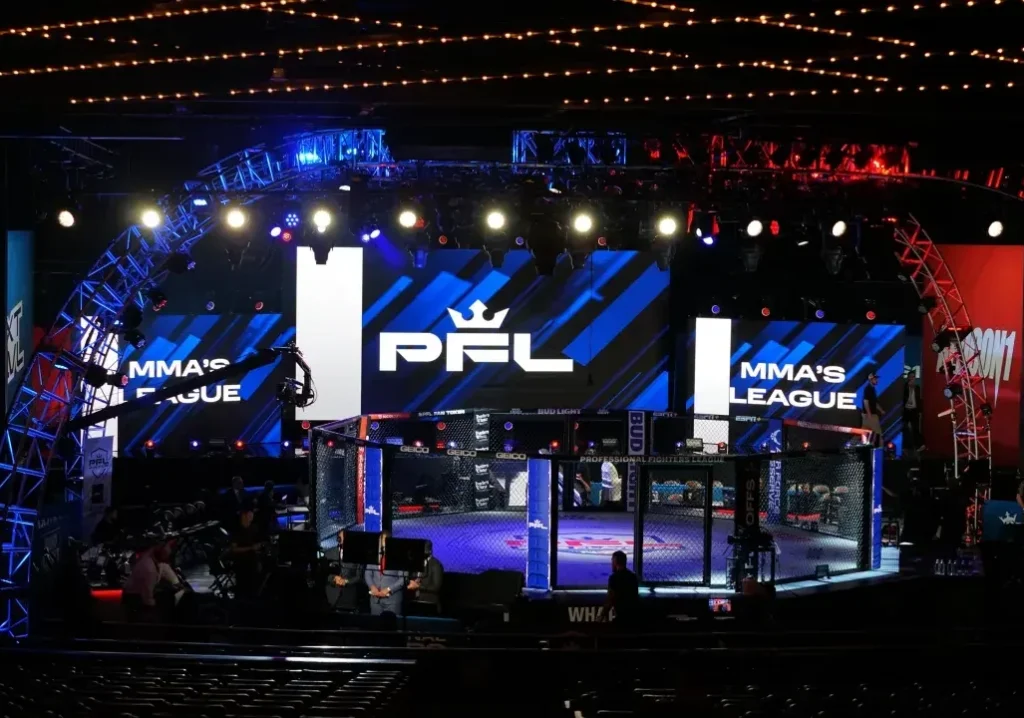
Dubai Enters The Global Fight Arena As PFL Sets Its Sights On 2026 By Sudipa Roy Dubai has never been a city that merely hosts events. It absorbs them, reshapes them, and sends them back to the world amplified. From heavyweight boxing bouts under desert skies to Formula One races staged like cinematic finales, the emirate has steadily built a reputation as a destination where global sport meets spectacle. In 2026, that reputation will expand once again as the Professional Fighters League (PFL) brings one of its marquee events to Dubai, marking a significant moment for mixed martial arts in the Middle East. The announcement of PFL’s return to Dubai in February 2026 is more than a scheduling update on the global MMA calendar. It reflects a broader shift in how combat sports are evolving, and where their future audiences lie. As traditional fight capitals such as Las Vegas and New York remain dominant, leagues are increasingly looking eastward, and Dubai has emerged as one of the most strategically important stages for this expansion. At the heart of PFL’s appeal is its distinctive league-based format, which separates it from other MMA promotions. Fighters progress through a regular season, playoffs, and championship rounds, earning points rather than relying solely on hype-driven matchmaking. For a city like Dubai, where structure, ambition, and long-term vision underpin everything from infrastructure to tourism, the PFL model aligns naturally with its ethos. This is sport presented not just as entertainment, but as a system built on performance, discipline, and measurable excellence. The 2026 event, scheduled to take place at the Coca-Cola Arena, will place Dubai at the center of PFL’s global ambitions. The arena itself has already proven its versatility, hosting concerts, esports tournaments, and international sporting events, and its selection signals an intent to deliver MMA as a premium, mainstream experience rather than a niche spectacle. For fans, it means world-class production. For fighters, it means exposure to a global audience in one of the world’s most media-connected cities. But Dubai’s growing role in combat sports is not accidental. Over the past decade, the UAE has invested heavily in becoming a hub for international athletics, from football and golf to endurance sports and martial arts. Abu Dhabi’s long-standing relationship with the UFC laid much of the groundwork, demonstrating that the region could host high-level MMA events with professionalism and global reach. Dubai’s embrace of PFL builds on that foundation while carving out its own identity, one rooted in innovation, scale, and global connectivity. What makes PFL’s arrival particularly significant is timing. Mixed martial arts is no longer an emerging sport; it is a mature, global industry competing for attention in an increasingly crowded entertainment ecosystem. Audiences today are more discerning, drawn not just by knockouts but by narratives, personalities, and production value. Dubai offers all three. The city understands storytelling, whether through architecture, tourism campaigns, or mega-events, and that expertise is now being applied to combat sports. For fighters, competing in Dubai carries a symbolic weight. The city represents opportunity, a crossroads where East meets West, where careers can gain international momentum overnight. A strong performance on a Dubai card resonates across regions, from Europe and Central Asia to Africa and South Asia, markets that continue to fuel MMA’s growth. In this sense, PFL’s Dubai event is not just a destination fight; it is a gateway. Beyond the cage, the event also speaks to Dubai’s broader ambition to position itself as a cultural and entertainment capital. Sports today are no longer isolated competitions; they are content ecosystems, feeding digital platforms, streaming services, and global media cycles. A PFL event in Dubai is designed to travel, through social media clips, international broadcasts, and behind-the-scenes storytelling, projecting the city’s image far beyond the arena walls. Critically, Dubai’s involvement does not dilute the sport’s competitive integrity. Instead, it raises expectations. Fighters, promoters, and broadcasters alike understand that events hosted in the emirate are held to a higher standard, whether in logistics, athlete care, or fan experience. This pressure has often resulted in sharper production, tighter organization, and a more polished presentation, benefits that extend to the sport as a whole. As 2026 approaches, the anticipation surrounding PFL’s Dubai event will continue to build, not just among MMA enthusiasts but across the wider sports and entertainment community. The emirate’s entry into the PFL calendar signals a deeper integration of combat sports into the global mainstream, where athletic competition, cultural influence, and commercial vision intersect. Ultimately, Dubai hosting PFL is not about one night of fights. It is about positioning, of a league seeking global relevance, of fighters chasing international recognition, and of a city that has mastered the art of turning ambition into reality. When the cage doors close in Dubai in 2026, the bouts will be decided by skill and strategy. But the message beyond the arena will be unmistakable: the global fight game has a new center of gravity, and it is firmly rooted in the Middle East.

Jonathan Trott, The Gulf Giants’ Call To Glory

Jonathan Trott, The Gulf Giants’ Call To Glory

Jonathan Trott, The Gulf Giants’ Call To Glory By Michelle Clark A strategist, a mentor, and a builder of cultures, Trott’s arrival signals not just a new season, but a new era for the Gulf Giants. When Jonathan Trott walks into a dressing room, he brings with him more than experience, he brings purpose. As the newly appointed Head Coach of the Gulf Giants, the former England international and world-class batter arrives not to merely win games, but to build something that endures long after the trophies are lifted and the lights dim. For Trott, cricket is as much about the invisible elements, discipline, trust, culture, as it is about the visible ones: runs, wickets, and results. His appointment marks a new chapter in the franchise’s story, one he hopes will blend the tactical sharpness of modern T20 with the timeless values that define champions. When asked what he sees in the Gulf Giants, Trott’s answer is telling: it’s not just about winning, it’s about building. “Of course, the main aim is to win the title, that’s what we’re all here for,” he says. “But for me, there’s more to the story than just trophies. It’s about building something meaningful with the Gulf Giants, setting a new benchmark and creating a culture that lasts.” Culture, for him, isn’t an abstract ideal. It’s something cultivated daily, in the nets, in meetings, in quiet moments unseen by fans. “I want every player, every member of staff, every training session, and every match to contribute towards a standard of consistency and togetherness,” he adds. “It’s about laying strong foundations so that the story of this team, and the players within it, continues to grow well beyond one season.” It’s a philosophy rooted in progress over perfection, culture over chaos. Trott has been part of world-class cricket environments, from England’s dressing room during the golden Strauss-Flower era, to mentoring Afghanistan’s fiercely passionate squad. Through it all, one lesson has crystallized: preparation separates good teams from great ones. “The non-negotiable standard I bring is this, every time we walk onto the field, we earn the right to be there,” he says firmly. “That comes through preparation, focus, accountability, and respect for each other and for the game.” He believes in making practice tougher than the match itself. “When game day comes, you should feel ready and confident that you belong at this level. If we commit to that standard, everything else tends to fall into place. It’s not about doing extraordinary things, but about doing the basics extraordinarily well, day in and day out.” For Trott, excellence is built on simple, disciplined, repeatable habits. Legacy is a word often thrown around in sport, but for Trott, it’s not a buzzword, it’s a responsibility. “This is my first year with the Gulf Giants, and I’m really excited about the opportunity,” he says. “The franchise has already won the title in the inaugural season and has been one of the most consistent teams in the league. I don’t need to reinvent the wheel here.” Instead, his focus is on continuity, maintaining the high standards already set and pushing them even higher. “You can’t build a legacy in a year or two, it takes time. If we stay true to our preparation, our consistency, and with the talent we have in this squad, the legacy of the Gulf Giants will take care of itself.” Few understand the mental demands of elite sport like Jonathan Trott. His personal journey, from international triumphs to deeply introspective battles, has shaped a leadership style grounded in empathy. “My journey as both a player and a coach has taught me the value of empathy and trust,” he says thoughtfully. “As a coach, I’ve realised that you lead people, not just cricketers. Understanding their stories, motivations, strengths, and vulnerabilities is key.” Trott is as invested in his players’ lives off the field as in their performances on it. “My job is to coach cricket, but it’s equally important to talk about life off the field. That balance helps build trust, and when players feel valued as people, they perform with greater freedom and belief.” His leadership is defined by humanity, by a willingness to listen as much as he instructs. In a franchise composed of diverse international and local talent, cohesion can make or break a season. For Trott, it starts with understanding people. “A cohesive team starts with understanding people before players,” he insists. “The foundation of any successful group or team is knowing each individual’s personality, motivation, and background, that’s what helps create trust.” Culture, he believes, is built as much off the field as on it. “Building cohesion isn’t just about what happens in the middle, it’s also about the conversations off the field. That’s where culture is built.” The stronger the human bonds, the stronger the cricket. Among the aspects Trott is most excited about is the chance to work with emerging UAE cricketers. “One of the main reasons I was drawn here is the opportunity to help develop young, homegrown players within a growing cricket ecosystem,” he says. “The local players have a real hunger to learn, and tournaments like the ILT20 give them the perfect platform to test themselves and learn from some of the best players in the world.” He praises Adani Sportsline, the franchise owners, for their commitment to nurturing local talent. “When local players succeed, the franchise’s identity strengthens, and that’s how a legacy grows.” For Trott, success isn’t measured only in silverware, but in the rise of a new generation. In an era where data dominates decision-making, Trott believes in balance. “Data and analytics are important tools, but they’re not the masters,” he says. “They inform us, they show patterns and probabilities, but at the moment of truth, it’s instinct, experience, and judgement that matter most.” Analytics guide him, but they don’t dictate his decisions. “Analytics can tell us what to expect, but intuition tells us how to respond. At Gulf Giants, we

Maymi Asgari, A Brilliant Footballer & A Heartfelt Motivational Advocate

Maymi Asgari, A Brilliant Footballer & A Heartfelt Motivational Advocate

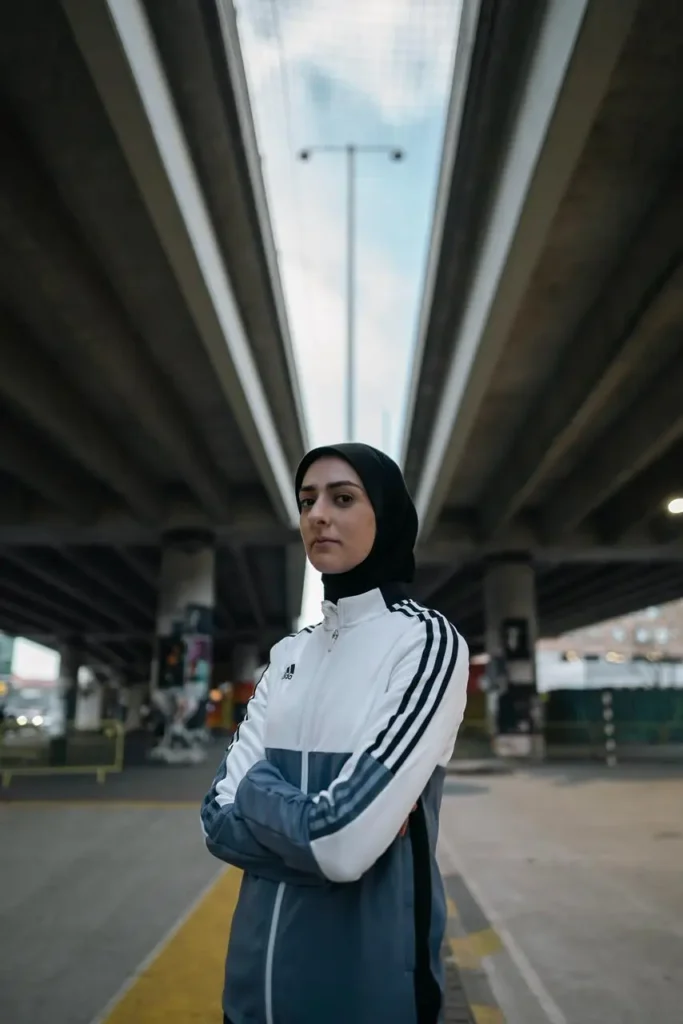
Maymi Asgari A Brilliant Footballer & A Heartfelt Motivational Advocate By Sara Hammoud A woman who walked among her childhood heroes, Cristiano Ronaldo, Erling Haaland, and other football legends, to receive a Globe Soccer Award in 2023. A year later, she was honored again as one of the Nordic Pioneers 2024, recognizing her influence beyond the field. A woman who turned hardship into hope, using her voice to inspire others to embrace their identity fearlessly. This is Maymi Asgari, an Iranian-born, Denmark-raised footballer and motivational speaker who has become a symbol of resilience, empowerment, and representation for young girls around the world. Growing up, Asgari faced the kind of challenges that could have easily discouraged her. She was often singled out for being different, for the way she looked, dressed, or believed. Yet football became her language of strength. “I started playing because I wanted to prove to the boys in my neighborhood that being a girl wasn’t an obstacle,” she said. Coming from an athletic family, her father practiced Taekwondo, and her mother played volleyball, she found encouragement to follow her own path, even if it meant breaking barriers. “I didn’t wear a hijab back then, but I still had black hair, brown eyes, I didn’t have the blonde hair, blue eyes my teammates did, so I was very insecure,” she recalled. “At ten, when I started wearing the hijab, it became even worse. I had to wear extra layers under my uniform, so even my clothing didn’t look like my friends’ anymore.” On overcoming racism and bullying Asgari emphasizes she had good times as well as great opportunities, “I also had a lot of positive experiences back home”. It was a minority group of people who had certain dismissive feelings towards Muslim people, but their negative effect sure is high. Growing up feeling left out and being pointed at is something no child should bear. But not until she hit her late teen years that Asgari understood what she was facing, “Yeah, well, as a child, I didn’t quite understand it was racism. I just felt different, and I didn’t know the reason”. When asked about how she managed to overcome the barriers and face discrimination as a child, Asgari said: “I enjoyed the sport. I love the whole team spirit, and I think the feeling of success and being good at something else than just school and normal things, just made me feel more confident”. As for what keeps her motivated now, “I want to prove to the young version of myself that I don’t need to fit into the boxes society has created, I can be covered and still achieve things that they haven’t. And even though sometimes it can really suck when they attack you on social media, in the end, I know I’m doing a good thing.” On why she moved to the UAE Asgari has been in the UAE for 9 months now. “I want to try to live in a place where my background, my hijab, and my religion are not going to be a barrier, because I’m tired of the same fights all over again”. The future is a big concern for her, Asgari shares: “I want my children also to be raised in a Muslim country”, as she doesn’t want her children to grow up in the same shadows she had to grow up in. “So, that was probably one of the biggest reasons.” When asked if she’d faced any issues here, Asgari said, “No, here I haven’t faced any judgment or barriers as a hijabi athlete, it’s so normal, you see different kinds of hijabis everywhere doing different kinds of sports, and it’s amazing.” On the mindset of European nationals living in Dubai Asghari believes that those who choose to move to Dubai are often people who value openness and multiculturalism. “The people who come here are usually the ones who are curious and accepting of different cultures,” she said. Over time, she’s seen how the city’s growth and progress have helped reshape old misconceptions about the Middle East, especially regarding women’s roles. “When people visit or live here, they see that women are leading, playing sports, and living normal, ambitious lives, it changes their perspective completely.” She added that even some of her European friends who now live in Dubai experience this shift firsthand. “The Danish ask the Danish now, they get the same questions I used to get, like, ‘Can women drive in the UAE?’ or ‘Can women play football there?’ It’s interesting, because now they’re the ones explaining how much the region has progressed and how different reality actually is.” She believes in the importance of multiculturalism and a tolerant, inclusive society. Although people in Europe once held misconceptions about the Middle East, the rapid development of Dubai and the wider GCC region has dispelled many of these myths, particularly regarding women’s progress. Today, perceptions have changed significantly. On enhancing the visibility of women’s football in the region Slowly but surely, women’s sports are gaining better recognition all over the world, and Asgari pushes towards: “Female coaches. Education. Representation. Visibility.” For Asgari, progress in women’s sports starts with education and visibility. “If you don’t see it, you’re not going to be it,” she said, explaining how the lack of female representation in football made it hard for her to imagine herself playing. From a young age, girls are often steered away from sports like football, while boys dominate the field. “Even in PE, the boys are playing football and the girls are doing something else,” she noted. “If we want to change this idea of what’s a boys’ or girls’ sport, everyone needs to take part in both.” She believes that empowering more female coaches is essential to that change. “For girls, having a woman coach is just different,” she said. “We understand each other and know how our bodies work.” To her, education and female mentorship go hand in hand in creating an environment

ILT20 2025: UAE’s Premier Cricket League Returns on National Day with Bigger Stars and Higher Stakes

ILT20 2025, UAE’s Premier Cricket League Returns on National Day with Bigger Stars and Higher Stakes

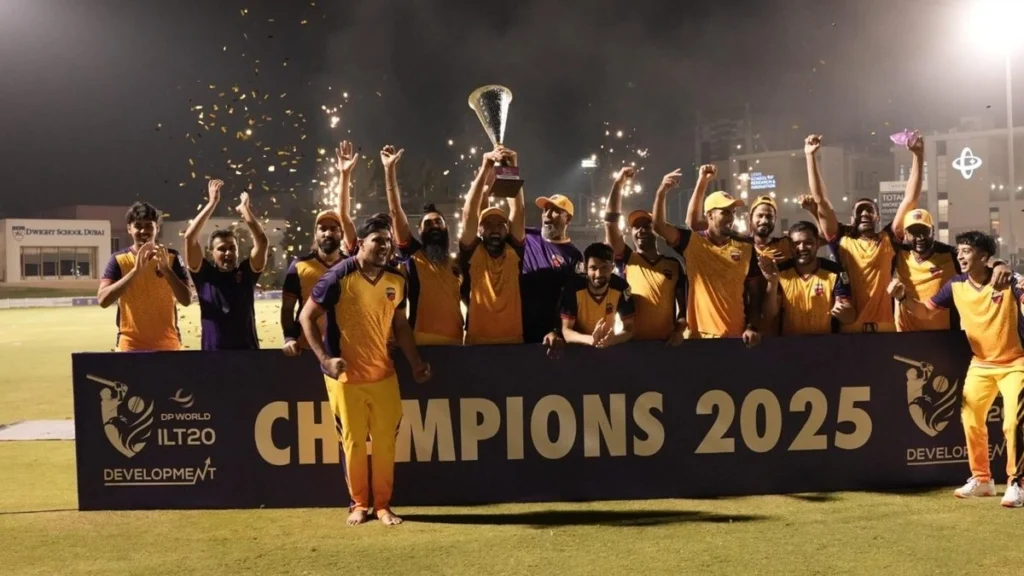
ILT20 2025 UAE’s Premier Cricket League Returns on National Day with Bigger Stars and Higher Stakes By Ruba Al Sarahneh As the UAE prepares to celebrate its 54th National Day, cricket fans across the nation have an extra reason to be excited. The fourth edition of the DP World International League T20 (ILT20) will begin on December 2, 2025, perfectly coinciding with the country’s Union Day celebrations. Running until January 4, 2026, the tournament promises a month of world-class cricket, global stars, and a showcase of national pride that blends sport with culture. A New Season with Symbolic Timing This season marks a shift in the tournament’s schedule. Traditionally played in January and February, the ILT20 has been moved to December and early January to avoid clashing with the ICC Men’s T20 World Cup, set for February and March 2026. According to organizers, this adjustment was both practical and symbolic. Launching the region’s biggest cricket event on UAE National Day reflects the country’s growing role as a global sports destination. “We are delighted that the fourth season of the DP World ILT20 will begin on UAE National Day – Union Day – one of the most important days in our calendar,” said Khalid Al Zarooni, Chairman of ILT20 and Vice Chairman of the Emirates Cricket Board. For millions of cricket fans who call the UAE home, this alignment between sport and national celebration is more than a scheduling coincidence, it’s a moment of unity. From Ambition to Legacy: The Rise of ILT20 Since its debut in 2023, the ILT20 has quickly evolved into one of the leading franchise leagues outside the traditional cricketing nations. Hosted across Dubai, Abu Dhabi, and Sharjah, it has become the Gulf’s answer to the IPL and Australia’s Big Bash, combining world-class talent with a local flavor. The league features six franchises, Dubai Capitals, Desert Vipers, Gulf Giants, MI Emirates, Abu Dhabi Knight Riders, and Sharjah Warriors, and has already built a loyal following. Last season, Dubai Capitals captured the title in a thrilling finale against Desert Vipers, with full stands at the Dubai International Stadium witnessing one of the most competitive matches in ILT20 history. The third season drew impressive global viewership and showcased top-tier T20 talent, including Nicholas Pooran, Sam Curran (Player of the Tournament), Shai Hope, Fazalhaq Farooqi, Andre Russell, Sunil Narine, Alex Hales, David Warner, Adil Rashid, and Adam Zampa, among others. Strategic Shift, The December Advantage The decision to start the season in December provides several benefits. It allows international stars to participate before joining their national teams for the World Cup and gives franchises access to a wider pool of players. This new window also strengthens the UAE’s winter sports calendar, aligning the ILT20 with the country’s busiest tourism period — a time when stadiums are packed with visitors from across the globe. Tournament officials believe this timing will enhance competitiveness, attract larger audiences, and help the league continue its upward trajectory as one of the world’s most exciting T20 competitions. Cricket Meets Culture Launching on UAE National Day transforms the ILT20 into more than just a tournament, it becomes a national celebration. Fans can expect stadiums decked out in the colors of the UAE flag, special performances, and a festive atmosphere uniting people from diverse backgrounds. The blend of cricket’s global energy with the UAE’s national pride creates a uniquely Emirati sporting spectacle. This synergy between culture and sport reflects the nation’s identity, open, diverse, and ambitious and highlights how the UAE continues to use major sporting events to bring communities together. Champions Return: Dubai Capitals Ready to Defend Their Crown The reigning champions, Dubai Capitals, enter the 2025 season with confidence and momentum. Their championship run last season was defined by balance, depth, and leadership qualities they’ll need again to stay ahead of an increasingly competitive field. Both Desert Vipers and MI Emirates have reinforced their squads with key international signings, setting up a season full of high-intensity rivalries. Meanwhile, Gulf Giants, Abu Dhabi Knight Riders, and Sharjah Warriors are looking to bounce back after inconsistent performances last season. With each team expected to feature several world-class players alongside rising UAE talents, the 2025 season could be the most unpredictable yet. Expanding the Reach: Media Partnerships and Global Coverage The ILT20’s continued growth is supported by expanding media partnerships that amplify its global reach. New collaborations aim to provide extensive coverage from live broadcasts to behind-the-scenes access connecting millions of fans worldwide to the excitement of the league. High-end production, drone footage, and fan engagement initiatives have made ILT20 broadcasts some of the most visually dynamic in T20 cricket. In 2025, the league plans to enhance digital interactivity, offering fans exclusive interviews, match analysis, and immersive social content. The UAE’s Sporting Vision The rise of the ILT20 is a testament to the UAE’s larger sports vision: hosting world-class events while nurturing homegrown talent. From cricket to football, tennis, and motorsport, the country has established itself as a global sporting hub. The Emirates Cricket Board’s ongoing efforts to develop youth programs and Emirati players show a clear commitment to building a sustainable cricket culture. Beyond the entertainment, the ILT20 serves as an educational and inspirational platform — one that brings international exposure to young players and strengthens the UAE’s position on the global cricketing map. Looking Ahead: A Season of Unity and Excitement As the first ball is bowled on December 2, it will mark more than the start of a tournament. It will symbolize the UAE’s unity, ambition, and love for sport. The DP World ILT20 2025 promises a new chapter filled with unforgettable performances, fierce rivalries, and the vibrant energy that has defined the league since its inception. For fans, it’s a chance to experience top-tier cricket under the dazzling Dubai lights. For players, it’s an opportunity to shine on an international stage. And for the nation, it’s a proud moment to celebrate how far the UAE has come — from hosting tournaments to shaping the