Where Stillness Becomes Gold, The Luxury of Silence and the New Psychology of Wealth in the Gulf
By Natalia Davis
In a world increasingly defined by constant visibility, accelerated communication, and the pressure of perpetual connection, silence has quietly become one of the rarest forms of luxury. Nowhere is this shift more visible than in the Gulf, where rapid modernisation, architectural ambition, and digital hyper connectivity have created a counter movement that values stillness, privacy, and intentional withdrawal from noise.
Across the United Arab Emirates and the wider region, a new kind of luxury culture is emerging, one that is no longer defined solely by spectacle, excess, or public display, but by restraint. Silence, once overlooked as absence, is now being redefined as presence. It is becoming something curated, designed, and deeply sought after.
The modern luxury consumer in the Gulf is no longer only chasing visible markers of success. There is a growing psychological shift towards experiences that offer emotional restoration rather than social validation. Private wellness retreats, secluded desert escapes, members only sanctuaries, and ultra exclusive resorts designed around privacy rather than publicity are becoming central to this evolving lifestyle language.
In these spaces, luxury is not loud. It is intentional.
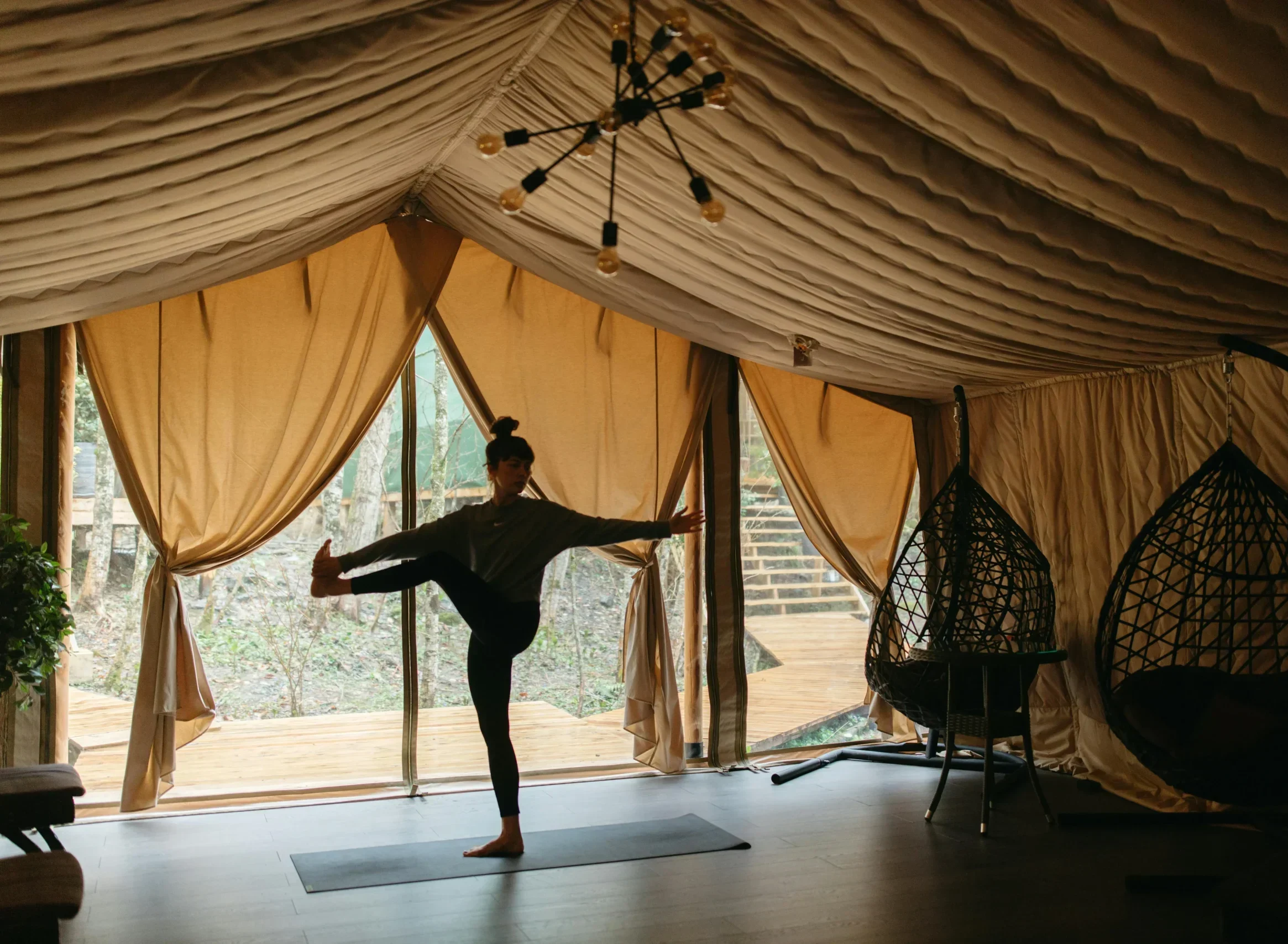
The desert in particular has re-emerged as a symbolic and physical sanctuary. Beyond its historical and cultural significance, it now represents something deeply contemporary, an environment where silence is not empty but expansive. Wellness retreats situated within vast dunes or minimalist architectural compounds offer a deliberate contrast to urban intensity. Time slows. Digital signals fade. Attention returns inward.
Within this environment, wellness is no longer framed as an occasional indulgence but as a structural necessity. High performing individuals, entrepreneurs, creatives, and global travellers are increasingly seeking spaces where mental clarity is prioritised over constant stimulation. Meditation, breathwork, sound therapy, and guided stillness have become as integral to luxury hospitality as fine dining or design aesthetics.
Yet what makes this shift particularly interesting is not only the rise of wellness culture, but its integration into the psychology of wealth itself.
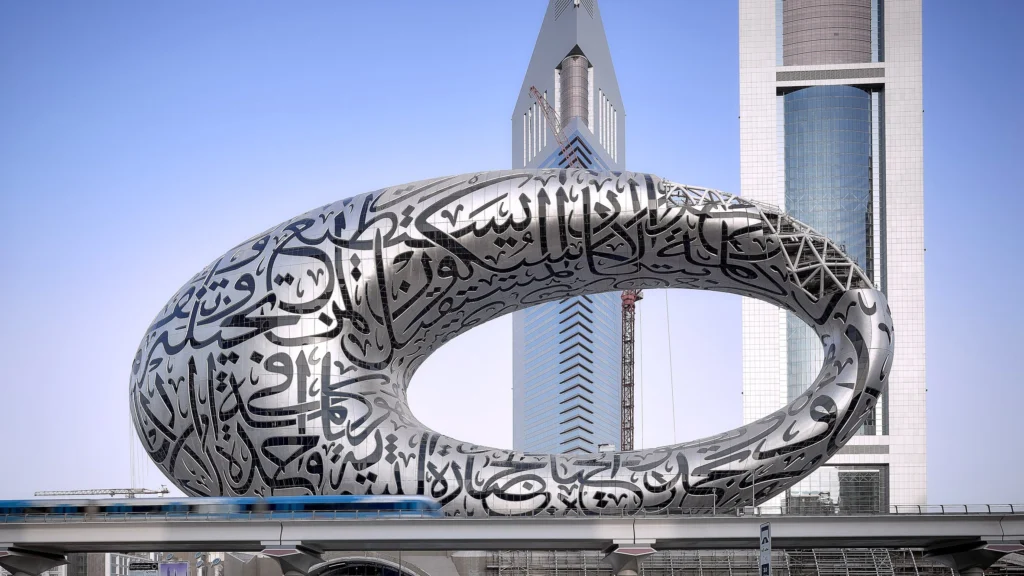
Traditionally, luxury in the Gulf has been associated with visibility, grandeur, and architectural dominance. Skyscrapers that touch the clouds, hotels that redefine scale, shopping destinations that function as global landmarks. These expressions of success remain deeply embedded in the region’s identity. However, alongside this external expansion, an internal recalibration is taking place.
For a growing segment of affluent individuals, wealth is no longer measured only by what can be displayed, but by what can be protected. Time, privacy, emotional equilibrium, and mental space are becoming new forms of capital.
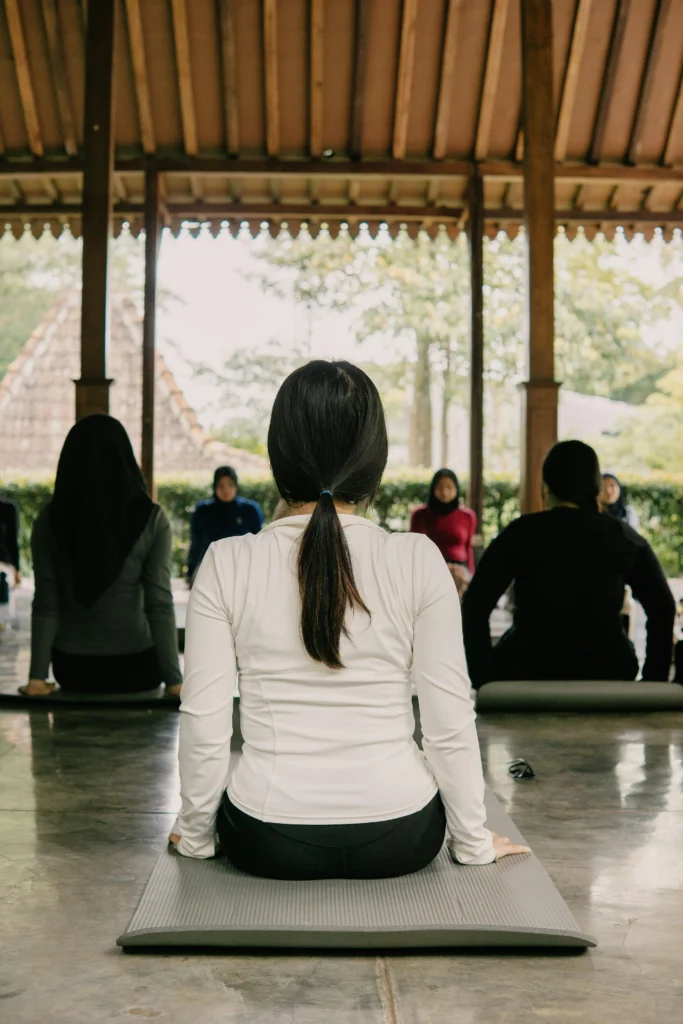
The ability to disconnect, even temporarily, is now considered a marker of sophistication.
This has given rise to a subtle but significant cultural evolution: the normalisation of digital silence.
Private living spaces are increasingly designed with retreat in mind. Residences in the Gulf are incorporating wellness rooms, soundproof environments, meditation zones, and nature inspired interiors that prioritise calm over stimulation. Architecture is shifting towards softness, light control, natural materials, and spatial balance that encourages presence rather than performance.
Even hospitality design is reflecting this change. Luxury resorts are moving beyond visual opulence towards sensory restraint. Neutral palettes, minimal soundscapes, curated lighting, and immersive natural settings are replacing the overstimulation often associated with traditional luxury environments. The goal is no longer to overwhelm the senses, but to gently recalibrate them.
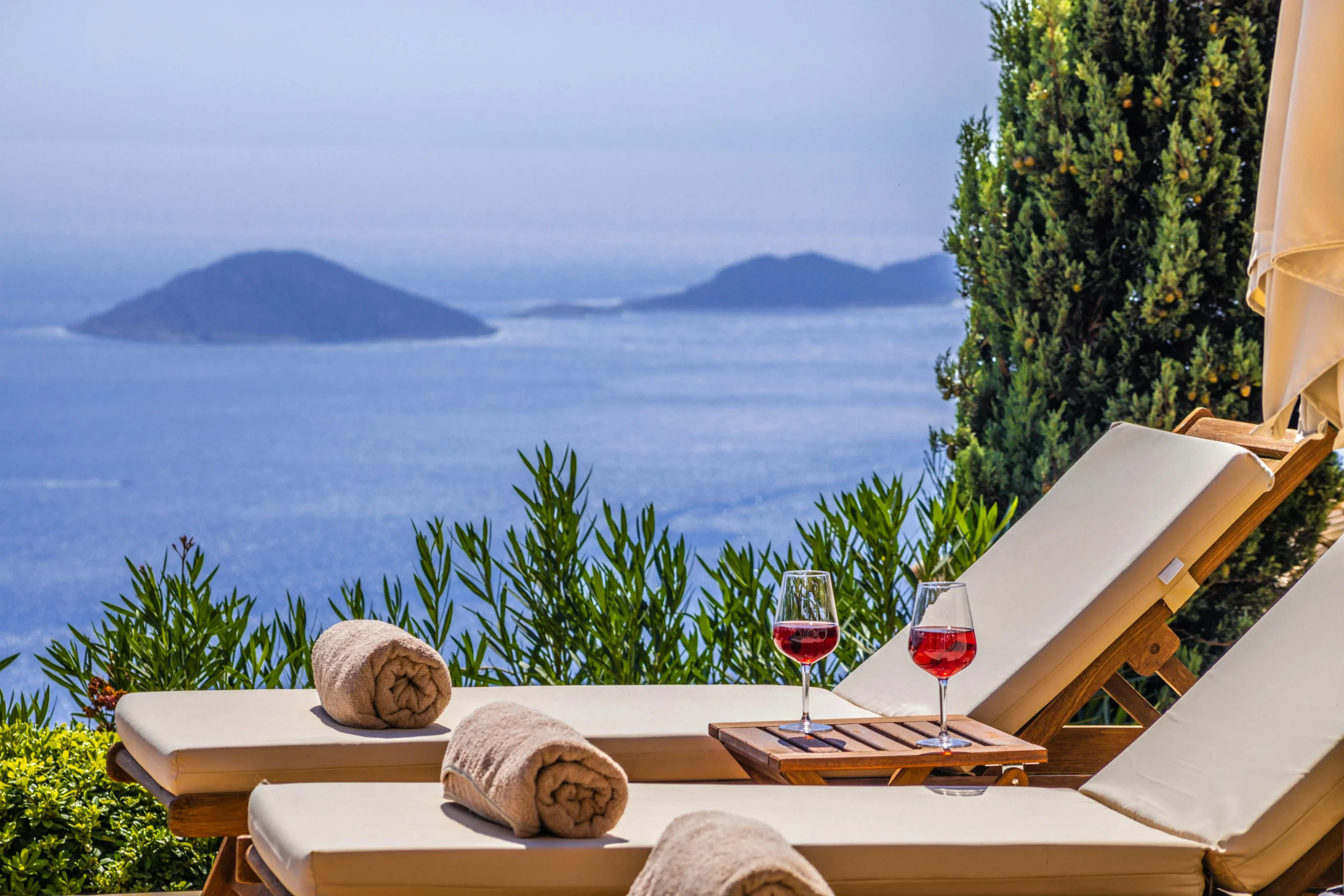
At the same time, private wellness retreats are becoming destinations in their own right. These spaces are often deliberately discreet, accessible through invitation or membership rather than public visibility. Their value lies not in how widely they are known, but in how carefully they are experienced. Guests arrive not to be seen, but to disappear temporarily from being seen at all.
Within these environments, silence becomes an active experience. It is not the absence of sound, but the presence of awareness. Meals are unhurried. Conversations are minimal and intentional. Digital devices are often restricted or removed entirely. The focus shifts from external validation to internal restoration.
This growing appreciation for silence reflects a deeper transformation in how success is understood in the region.
In earlier phases of rapid economic growth, visibility was synonymous with achievement. To be seen was to succeed. Today, however, a parallel narrative is emerging, one where the ability to step away from visibility is equally valued. High net worth individuals, entrepreneurs, and creatives are increasingly recognising that sustainable performance requires cycles of withdrawal.
This is not rejection of ambition. It is refinement of it.
The psychology of wealth is therefore evolving from accumulation towards calibration. It is no longer solely about expansion, but about balance. The most desirable lifestyles are not those that maximise exposure, but those that preserve inner equilibrium while maintaining external success.
Digital detox culture sits at the heart of this transition. While technology remains essential to modern life, its overuse has created a counter desire for boundaries. Short term disconnection has become a form of restoration rather than escape. Even brief periods without digital engagement are now considered valuable interventions in mental clarity and emotional wellbeing.
In this context, silence becomes a form of design.
It is curated into schedules, integrated into travel experiences, and embedded into lifestyle choices. From private island retreats to mountain hideaways and desert sanctuaries, environments are being intentionally constructed to allow individuals to experience absence as luxury.
What makes this shift particularly distinctive in the Gulf is its coexistence with continued innovation and urban intensity. The same region that builds some of the most visually dynamic cities in the world is also cultivating some of the most refined spaces of stillness. There is no contradiction in this duality. Instead, there is balance.
Luxury, in its most contemporary form, is becoming dual in nature. It exists in both expression and withdrawal, visibility and invisibility, sound and silence. The ability to move between these states is increasingly what defines modern sophistication.
Ultimately, the luxury of silence is not about rejecting the world. It is about re-entering it with greater clarity.
In a region known for ambition at scale, silence has become its most unexpected evolution. Not as absence, but as refinement. Not as retreat, but as recalibration.
And in that quiet, a new definition of luxury is beginning to take shape.