Dana Najib, The Poetry of the Everyday
By Janhavi Gusani
Dana Najib has never seemed particularly interested in fitting creativity into a single definition. Her work moves between words and images, observation and reflection, vulnerability and play. She writes about the things that catch her attention, but beneath the beauty of her work is something more personal: an ongoing attempt to understand herself, her creative instincts and the kind of life she wants to build around them.
That process has required her to question some of the assumptions that once shaped her ambitions. Success, for a long time, could be understood through familiar markers: a career progressing in the expected direction, professional certainty, the reassurance of knowing what comes next. Yet there came a point when continuing along that path felt less honest than stepping away from it. Leaving a successful career was uncomfortable precisely because it required Dana to trust a vision that other people could not see.
Standing at that crossroads gave her a different understanding of what it means to move forward. Her ambition did not disappear. It became more inward. Instead of asking how far she could go, she began asking what she actually had to say.
That question remains central to the way she approaches creativity. Better storytelling matters to her, but so does becoming more curious, vulnerable and willing to make herself uncomfortable. She measures growth less through a fixed destination than through the quality of the questions she continues to ask. For a creative person, there is always another layer to explore, another assumption to challenge, another way to become more honest with the work.
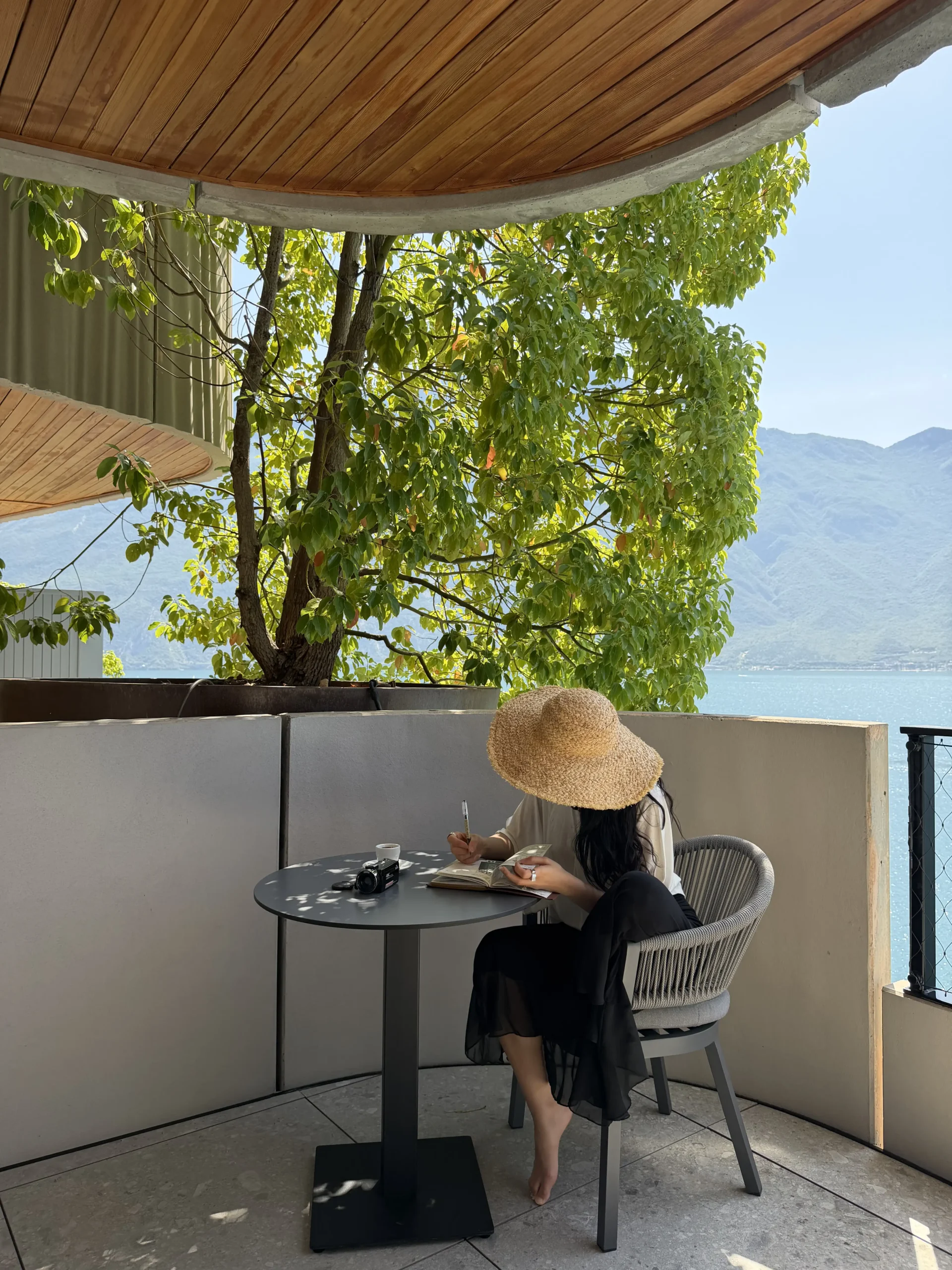
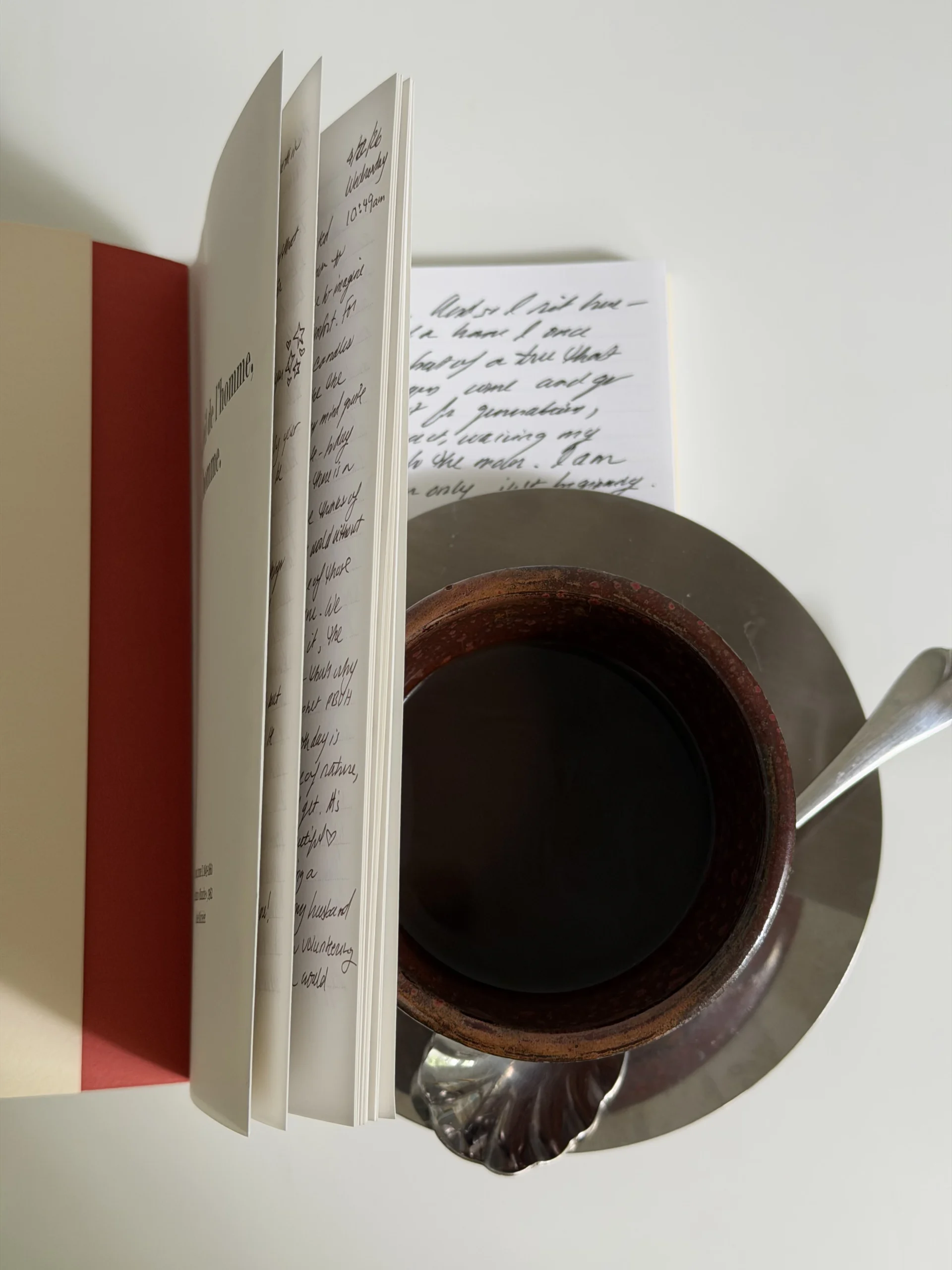
It is perhaps why noticing comes so naturally to her. Dana describes it as both a refuge and a philosophy, but it is also an expression of her personality. She pays attention instinctively. A tiny green bug crossing a flower, sunlight falling across a single cup, the shadows of a familiar tree on her wall, the pace at which an old man drinks his coffee: these details register because she is interested in the world beyond its obvious surface.
But her attention is not reserved for beauty. She is equally conscious of pain, discomfort and the quiet experiences of other people. There is a heaviness to noticing everything, she admits, but she sees that sensitivity as an opportunity for empathy rather than something to suppress. Feeling deeply, in her view, is not a liability. It can become a way of understanding.
That sensitivity also shapes her relationship with memory. Dana is deeply sentimental, surrounded by objects and rituals whose significance may not always be immediately explainable. A handmade mug, a journal beside a window she once imagined having, a plant growing sideways and reminding her of her mother’s plants can become emotionally charged without needing to represent anything monumental. Sometimes, she says, the reason we love something is simply that we do.
Her relationship with creativity has also been shaped by harder experiences. Dana speaks candidly about the relationship between pain and making, while resisting the romantic idea that suffering is necessary for good art. Difficult seasons can open creative floodgates, she believes, but they can also demand rest. Not creating does not mean a person has stopped being creative. Sometimes stepping away is part of the work.
The opposite can be true as well. When perfection becomes paralysing, she advocates making something simply because the impulse exists. Bad art has its own value. There is freedom in creating something without needing it to be impressive, useful or shareable. It returns creativity to something more instinctive and less performative.
That is increasingly important in a digital culture where creative identity can become tangled with constant output. Dana has watched people turn to AI for concepts, captions and scripts, while others reproduce established creators’ ideas in the hope of getting ahead. At the same time, genuinely human work can be dismissed as artificial simply because it appears too polished.
For her, the problem is larger than technology. It is the gradual erosion of personal perspective. AI and algorithms may intensify the difficulty of recognising authenticity, but Dana believes authenticity has always required work. It begins away from the screen, through experiences that cannot be outsourced: taking a pottery class, trying improv, spending time in nature, writing thoughts that nobody else will read. These experiences may never become content, and that is precisely why they matter. They allow a person to develop an inner life that does not depend on being observed.
Her own creative process refuses to stay neatly divided between mediums. She does not see words and images as separate languages requiring a choice between them.
Some days visuals lead; other days language arrives first. Sometimes both demand attention simultaneously. She accepts that uncertainty as part of the process rather than trying to impose a formula on it.
There is a similar openness in the way she thinks about identity. Dana does not believe a person has to choose between being serious and silly, deeply thoughtful and playful, talented in one area and inexperienced in another. She is comfortable with having many interests, and equally comfortable with the possibility that someone may have only one. What matters is that the choice belongs to the individual.
That philosophy extends beyond creativity. The slower, more intentional life she speaks about is not an aesthetic prescription. People seek it for different reasons: to rediscover what they enjoy, rest without guilt, experiment, make new connections or simply hear their own thoughts again. For Dana, presence is what makes any of those things possible.
It is also what allows ambition to coexist with a life outside achievement. Her definition of ambition now has less to do with reaching a predetermined version of success and more to do with staying responsive to who she is becoming. Growth does not always announce itself as a breakthrough. Sometimes it looks like changing direction. Sometimes it looks like resting. Sometimes it is simply becoming more honest about what no longer fits.
That openness is visible in what Dana is creating now. She is entering a period of saying yes more freely, with speaking opportunities, a journaling retreat, long-form essays, poetry and creative reflections forming part of what lies ahead.
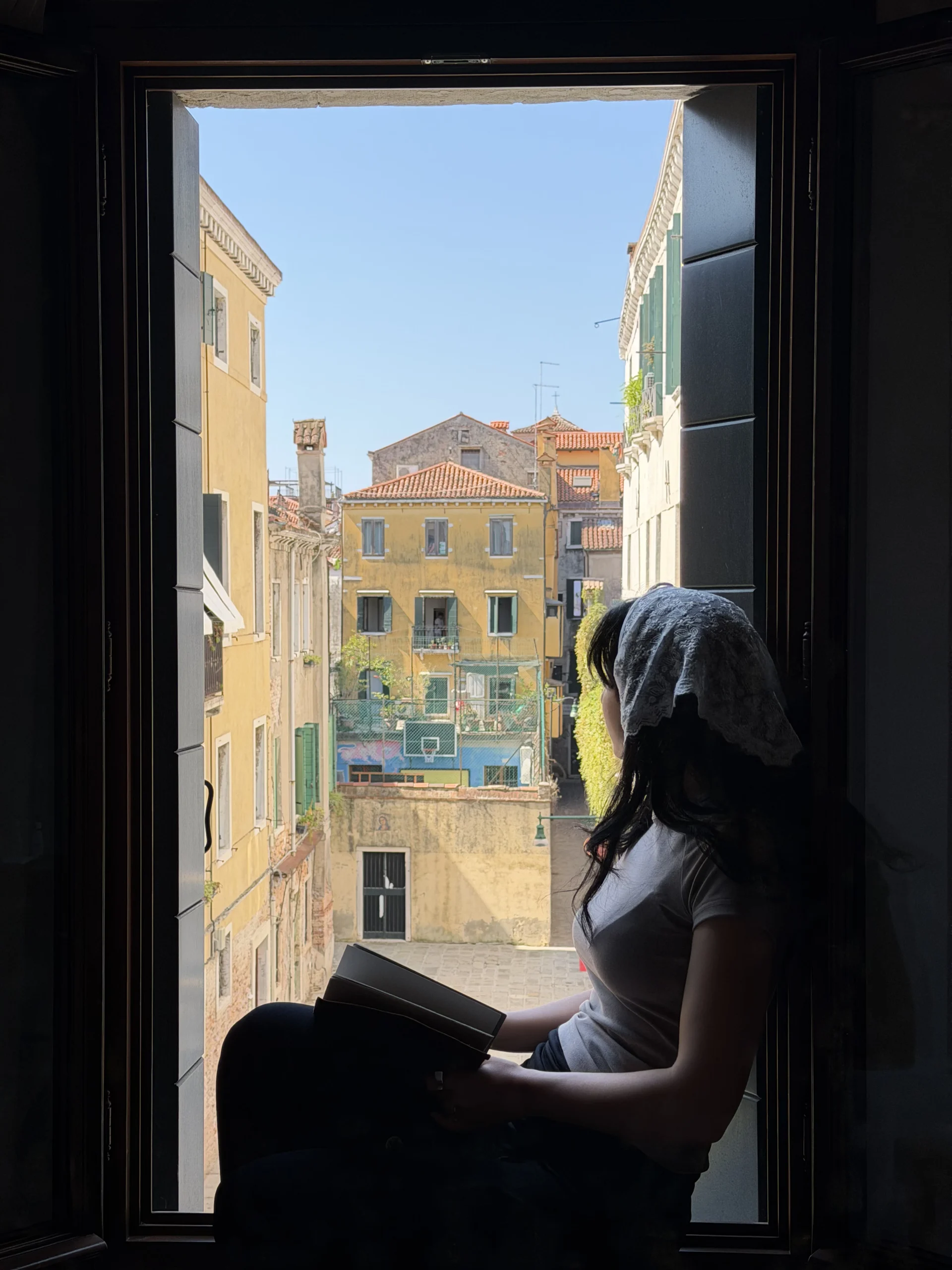
There are also projects she is keeping private for now. The details may change, but the larger direction feels clear: more room to explore, make and communicate without reducing herself to one category.
Perhaps that is the most revealing thing about Dana’s creative life. She is not particularly interested in arriving at a final version of herself. She is interested in remaining curious enough to keep becoming.
For someone whose work encourages others to notice more closely, that may be the most personal lesson of all. Attention is not only a way of seeing the world. It is a way of seeing yourself: what moves you, what stays with you, what makes you uncomfortable, what you return to and what you are finally ready to leave behind.
Dana’s work begins there, in that space between observation and self-understanding. It does not ask for a perfect identity. It makes room for contradiction, uncertainty, rest, curiosity and the unfinished work of being human.