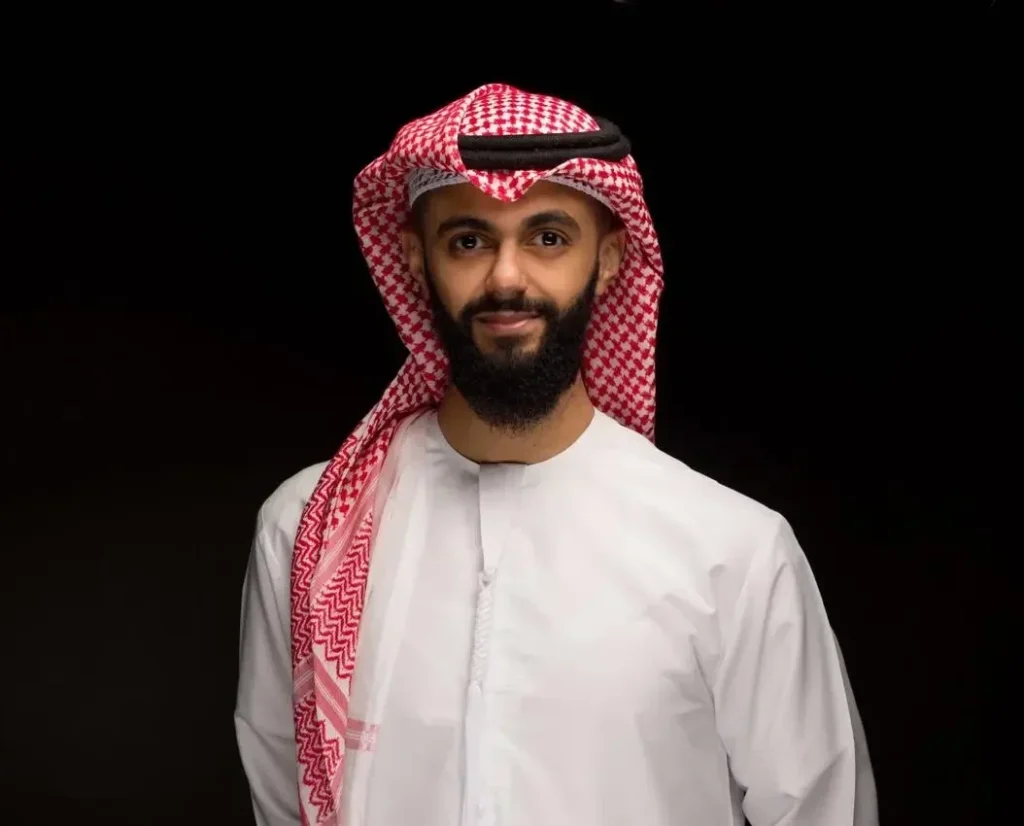

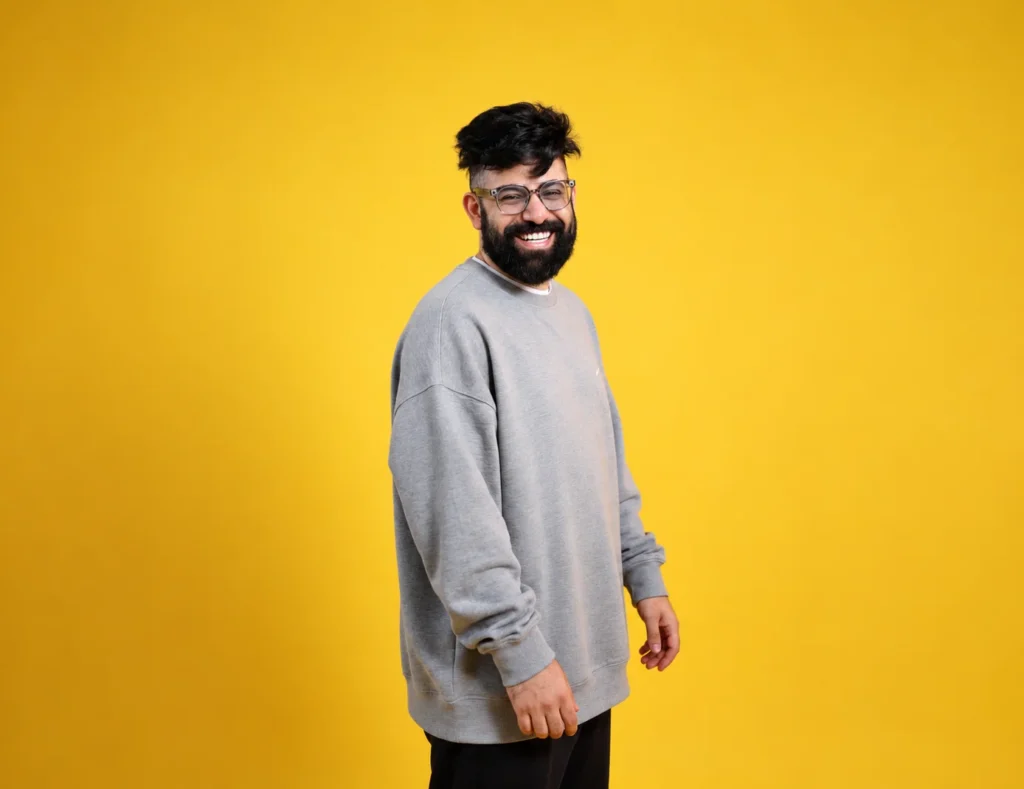
Ahmed Alnasheet, Storytelling, Innovation and the Future of the Creative Economy
Ahmed Alnasheet, Storytelling, Innovation and the Future of the Creative Economy By Janhavi Gusani The modern creative industry rarely fits neatly into a single definition. The lines between entertainment, technology, entrepreneurship, gaming, broadcasting, and digital media have become increasingly blurred, giving rise to a new generation of storytellers who are no longer confined to one platform or profession. Few embody that evolution as naturally as Ahmed AlNasheet. Over the years, he has established himself as one of the Arab world’s influential creative pioneers, building a career that spans television, voice acting, game direction, entrepreneurship, digital media, and live entertainment. Yet despite the diversity of his work, one constant has remained throughout every chapter of his journey: a belief that powerful storytelling has the ability to inspire, educate, and create lasting human connections. Unlike many creators whose careers are defined by a single breakthrough or platform, AlNasheet has continuously evolved alongside the industries he has helped shape. Rather than allowing technology to dictate his direction, he has embraced every new medium as another opportunity to tell meaningful stories. Whether hosting television programmes, directing immersive gaming experiences, creating digital content, or collaborating with global brands, each project reflects a consistent philosophy: audiences may forget the technology, but they never forget how a story made them feel. This approach has become increasingly significant in a digital landscape where content is produced faster than ever before. While platforms reward speed and algorithms favour immediacy, AlNasheet believes memorable storytelling has little to do with chasing trends. Instead, it begins with understanding people. Every project he chooses starts with a simple question: will this create an experience that audiences remember? The answer has never depended on projected views or engagement statistics. For him, success lies in creating something that sparks curiosity, encourages conversation, or inspires someone to see the world differently. Technology will continue to evolve, but human emotion remains remarkably constant, and it is this understanding that continues to guide every creative decision he makes. His willingness to move fluidly between industries reflects a broader belief that creators should never be defined by platforms alone. Television, gaming, voice acting, entrepreneurship, and digital media are not separate careers in his eyes – they are simply different forms of storytelling. Each discipline offers its own language, but all share the same purpose: creating meaningful experiences that connect with people. This perspective has allowed him to build an ecosystem of creativity rather than follow a conventional career path, demonstrating that innovation often happens at the intersection of multiple disciplines rather than within a single field. In many ways, AlNasheet’s philosophy challenges one of the greatest misconceptions surrounding today’s creator economy. While short-form content is frequently criticised for reducing attention spans, he believes it has actually elevated the craft of storytelling. Communicating a meaningful idea within thirty seconds requires extraordinary clarity and precision Every frame, every sentence, and every second must serve a purpose. Virality may generate temporary attention, but memorability builds careers. Whether producing a brief digital video or developing long-form entertainment, his objective remains unchanged: to make audiences laugh, think, learn something new, or leave feeling inspired. Rather than investing his energy in understanding ever-changing algorithms, he prefers to understand the people those algorithms serve. That human-centred philosophy extends to the diverse audiences he reaches across the Arab world and beyond. Creating primarily in Arabic has given AlNasheet a profound appreciation for the cultural significance of language. Spoken by hundreds of millions across multiple continents, Arabic connects communities with remarkably diverse traditions, histories, and lived experiences. Yet despite those differences, a shared language can create shared understanding. Every conversation with his audience reinforces a lesson he has carried throughout his career: stories rarely recognise borders. Genuine influence is never measured solely by audience size, but by the trust earned over time. If his work motivates someone to pursue creativity, discover a new passion, or simply believe more deeply in their own potential, then he considers the project successful. Reach can happen overnight; trust requires years of consistency. As his career has matured, so too has his understanding of impact. Early on, success naturally revolved around producing the next piece of content or launching the next creative idea. Today, however, his focus extends far beyond personal achievements. Building businesses, mentoring emerging creators, developing teams, and helping organisations tell stronger stories have become equally rewarding aspects of his work. The shift from creating content to creating opportunities has fundamentally transformed his perspective. Every video has an upload date, but a meaningful idea has the potential to grow for years, influencing people long after its original release. For AlNasheet, this long-term mindset has become one of the most rewarding aspects of creative leadership. The rapid evolution of the Gulf’s creative economy has further reinforced this optimism. Over the past decade, the region has witnessed extraordinary growth across entertainment, gaming, technology, and digital media. Yet AlNasheet believes the greatest transformation has not been technological – it has been psychological. Years ago, creators were still proving that digital media could become a legitimate profession. Today, they are building production companies, launching original intellectual property, directing films, designing games, creating live experiences, and developing globally recognised brands. The conversation has shifted from simply producing content to building worlds. Looking ahead, he believes the next generation of creators will increasingly focus on owning ideas rather than depending entirely on platforms. Original storytelling, immersive entertainment, gaming, artificial intelligence, and culturally authentic creative experiences will define the region’s next chapter, positioning the Middle East as a global source of innovation rather than simply a consumer of international trends. Having worked extensively across gaming, television, voice acting, and digital production, AlNasheet has witnessed first-hand how rapidly creative technology evolves. Yet amid constant innovation, one truth remains unchanged. Technology provides creators with increasingly sophisticated tools, but storytelling is what gives those tools meaning. Audiences rarely remember the software behind a game or the camera used to produce a film. Instead, they remember the emotions those experiences created.