MAGNAV Emirates

Rizwan Zulfiqar Bhutta

Mira Nair’s Tapestry From Monsoon Wedding to a Son on the Steps of New York’s City Hall

Mira Nair’s Tapestry From Monsoon Wedding to a Son on the Steps

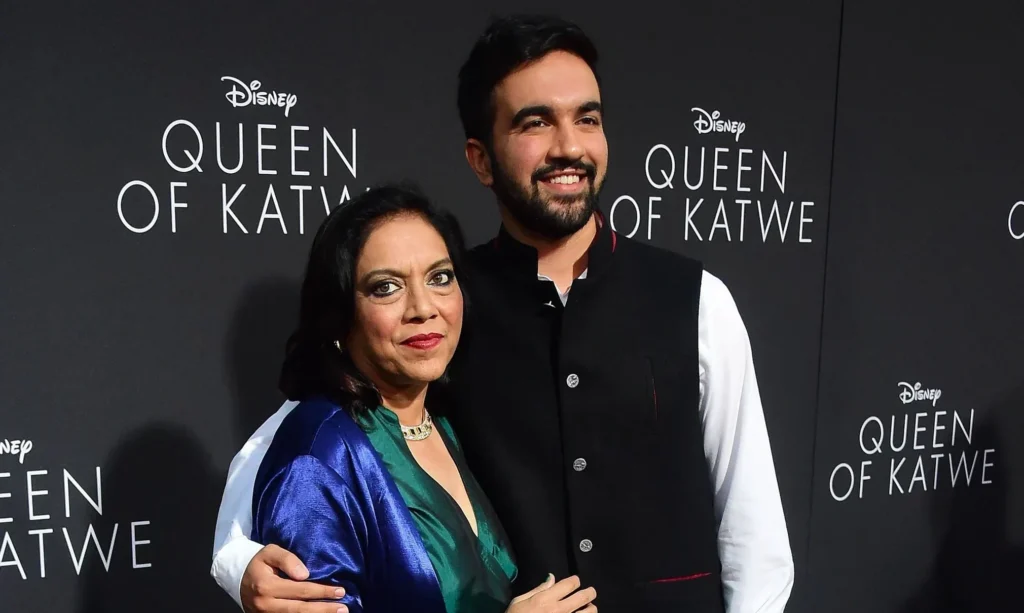
Mira Nair’s Tapestry From Monsoon Wedding to a Son on the Steps of New York’s City Hall Editorial Feature There are filmmakers who record the world, and there are filmmakers who rearrange it, stitching fragments of memory, migration, and ritual into something new and unmistakably human. Mira Nair belongs to the latter tradition. For four decades she has been the seamstress of stories that travel, streetwise comedies, tender domestic farces, and intimate portraits of displacement that cross oceans and generations. The thread that runs through those films, from Salaam Bombay! to Mississippi Masala to the exuberant, widely beloved Monsoon Wedding, is an appetite for cultural detail, the way a sari drapes against a doorway, the choreography of a family dinner, the small cruelties and great loyalties that make kinship feel both local and global. If Monsoon Wedding is her signature, it’s because the film does what good family stories always do, it renders the ordinary ceremonial, the bargain and banter, the last-minute crisis before the baraat, as a stage for larger human truths. Shot quickly on a modest schedule and with a compact crew, the film exploded into a global conversation in 2001, winning the Golden Lion in Venice and entering the international imagination as a movie that could be unmistakably Indian and yet profoundly universal in its staging of joy, grief, and negotiation. It’s a style decision as much as an ethical one, Nair trusts specificity to deliver universality. But a career summary misses the domestic workshops and living-room politics that shaped those films. Mira Nair’s life has always been braided with worlds beyond cinema, she grew up in India, trained at Harvard, and built long collaborative ties between New York and Kampala. She founded the Maisha Film Lab to mentor East African storytellers and has used the profits of early successes to build nonprofits for vulnerable children. That insistence on passing tools along, of creating spaces where others can tell their stories, is as much a part of her legacy as the frames she composes. Which brings us to a quieter, striking piece of the family story, Mira Nair is the mother of Zohran Mamdani, born in Kampala in the early 1990s to Nair and Mahmood Mamdani, the Ugandan scholar who became a fixture of academic life in North America. Zohran’s childhood threaded together the cultural habits of Uganda, India, and later New York, languages shared at the dinner table, political debates in the living room, the smell of cardamom alongside libraries of postcolonial theory. It was an upbringing where art and ideas were ordinary elements of domestic life, not luxuries kept for galleries. That interweaving of home and the wider world is the essential source of the kind of cultural fluency that shows up in both mother and son, one through cinema, the other through civic life. When a child grows up in the orbit of filmmaking and scholarly conversation, politics in the small sense, how to argue, how to listen, how to account for history while attending to the person beside you, becomes part of everyday etiquette.  Those habits, cultivated over dinner-table arguments and film sets, are what turn private sensibilities into public instincts. The result is not theatrical biography but a cultural inheritance, a household that taught a child to navigate multiple belongings without erasing any of them. So when the headlines arrived, terse, pop-cultural proof of an arc that might read almost too neatly for fiction, people did what audiences always do, they read a family’s private textures into a public moment. For a director long celebrated for translating domestic ceremony into cinematic spectacle, it was an uncanny reversal. The wedding table had become a stage, now a son’s public milestone turned family history into a civic photograph. For many who have loved Mira’s films, what they saw in that photograph was continuity rather than contradiction, the same curiosity about identity and home that animated Monsoon Wedding now moving through a different city square. This is not to mythologize. Family stories are complicated, diasporic lives are full of compromises and contradictions, private regrets and public things to be proud of. But there is a recognizable cultural through-line, Nair’s films insist that identity is lived in ceremony and argument, in food and language, in migration and memory. Her son’s public life, whatever one reads into the offices he holds, grew from that ecosystem of practice. It’s an unequivocal portrait of transnational domesticity, a story of migration that doesn’t end in assimilation but keeps expanding the table. If a magazine about culture were to place this family on its cover it might not lead with policy papers or campaign slogans. It would linger instead on the small, telling details, a hand-stitched sari at a victory celebration, a rehearsal dinner where Urdu and English float together, a director telling a crew to start the day with yoga. It would map how rituals, cinematic, culinary, conversational, become forms of training, for compassion, for critique, for communal life. And it would remind readers that cultural work and civic life are not separate spheres but overlapping practices that shape how we belong to one another. Mira Nair’s films taught us to watch families at work, negotiating wounds, trading jokes, performing histories. Her life, and now a chapter of her family’s life played out on the civic stage, feels like an extension of that gaze. Not a political tract, not a manifesto, but a cultural document, a testimony to how stories once told in living rooms travel out into the world and come back transformed, bringing their textures with them. If cinema trains us to see the intimate as universal, then perhaps the reverse is true as well, a son’s public moment can teach us something about the private archives we carry, about the languages we teach around the dinner table, about the music that accompanies our rituals. For lovers of film and of the complicated, luminous work of belonging, that is the story worth lingering over.

Will, The Witcher Season 4 Survive the Switch from Cavill to Hemsworth?

Will, The Witcher Season 4 Survive the Switch from Cavill to Hemsworth?

Will, The Witcher Season 4 Survive the Switch from Cavill to Hemsworth? By Hafsa Qadeer When The Witcher Season 4 debuts on October 30, audiences will be greeted by one of the boldest changes the show has attempted: the recasting of its central figure. Henry Cavill’s Geralt set a tone brooding, rugged, and silently dangerous, and fans invested deeply in his interpretation. Now, Liam Hemsworth steps into this shadow, tasked with making the role his own while carrying forward the weighty legacy of three seasons. What Works Fresh energy: Hemsworth brings a slightly different cadence and charisma. His Geralt feels more open emotionally (less stony-faced), which allows for new depths in relationships with Ciri and Yennefer. Supporting cast continuity: Familiar faces,  the sorceresses, the elves, and the political intrigues ground the show. Their chemistry, long built, helps buffer the shock of change. Bolder narrative arcs: The writing leans into riskier storylines, exploring new corners of the Continent and introducing morally grey dilemmas with greater urgency. Visual flair and action: The show retains its trademark high production values, visceral monster fights, sweeping landscapes, and moody cinematography, ensuring the spectacle is still there. What’s Challenging Comparisons are inevitable: Every move Hemsworth makes will be scrutinised against Cavill’s version. Some will pine for the old guard, especially during scenes that “feel like classic Geralt.” Tonal balancing act: Hemsworth’s more expressive Geralt can sometimes feel at odds with the world’s grim darkness; striking the right balance is tricky. Character transition friction: In early episodes, there are moments where Hemsworth seems “introduced” rather than “continued,” which can pull the viewer out of immersion. Will It Still Impress? Yes,  though not flawlessly. For fans who view The Witcher as more than just Cavill’s show, Season 4 offers a chance to reset and expand. Hemsworth may not supplant Cavill in everyone’s heart, but he brings his own strengths. The series’s strengths in world-building, supporting ensemble, and production scale remain intact — those foundations aren’t tied to one actor. If you go in open-minded, Season 4 can still inspire awe, deliver emotional payoffs, and renew your love for monster-hunts and moral quandaries. It may feel different, and occasionally uneven, but it’s a worthwhile continuation, proof that a strong story world can handle even big changes at its core.

Eveningwear & Couture New Luxury Narratives Shaped by Middle Eastern Craft

Eveningwear & Couture New Luxury Narratives Shaped by Middle Eastern Craft

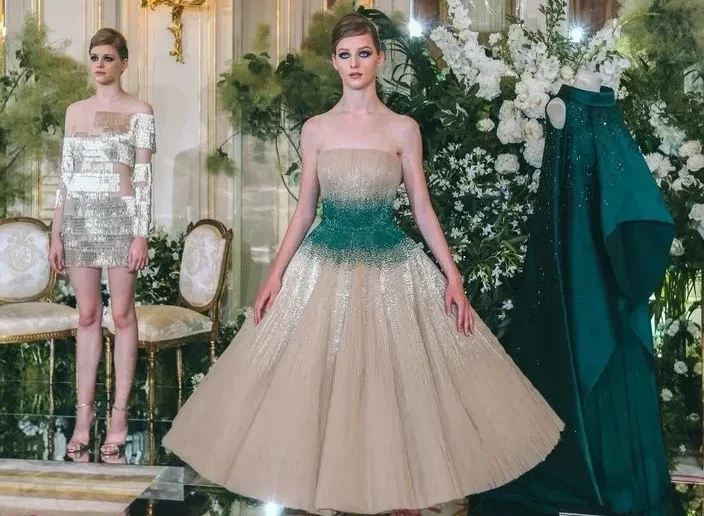
Eveningwear & Couture New Luxury Narratives Shaped by Middle Eastern Craft By Raveena Parmar In a world where fashion trends cycle faster than ever, couture remains one of the rare art forms that resists time. And nowhere is this resistance more poetic, and more powerful than in the Middle East. Here, eveningwear is more than glamour: It is memory, heritage and devotion stitched into silk. Today, a new generation of Middle Eastern designers is rewriting the meaning of modern luxury: one that balances structure and softness, opulence and restraint, heritage and innovation. Couture from the region is no longer content to be admired, but it demands to be felt. Threads of Memory, Sculpted in Modernity The soul of Middle Eastern couture lies in craftsmanship. Not as marketing rhetoric but as an inherited tradition. Generations of master artisans have perfected the sacred language of needle and thread, passing down hand-embroidery, beading, crystal placement, and metallic threadwork as forms of storytelling. Lebanese couturier Elie Saab, the undisputed poet of eveningwear, once said, “Elegance is not about being noticed, it’s about being remembered.” His gowns, often drenched in constellations of Swarovski crystals and moonlit sequins, feel like preserved fragments of beauty. They whisper rather than shout. This reverence for handwork echoes across ateliers from Beirut to Dubai, from Marrakech to Riyadh. Zuhair Murad turns embroideries into entire universes,star maps, baroque florals, and celestial motifs that seem destined for red carpet mythology. Georges Hobeika breathes softness into couture through feathers and silk petals that sway like poetry in motion. Rami Al Ali fuses Arab geometry with couture minimalism, proof that embellishment and purity can coexist.These designers are guardians of a legacy but they are also architects of a new future. The Rise of Wearable Opulence Once upon a time, couture was purely spectacle as it was beautiful but distant, untouchable beyond gala carpets and editorial fantasy. Today, Middle Eastern couture is evolving toward emotional wearability. Eveningwear now moves, adapts, and transforms to the rhythm of modern women. Designers are responding to a new generation, to the one that wants clothes they can feel themselves in, not disappear beneath. The gowns are still breathtaking, but now they hold ease and softness. Structure is still celebrated, but it serves the body instead of restricting it. Shapes sculpt rather than suffocate; corsetry is lighter, and silhouettes embrace fluidity. Even modesty, which is a key element in Middle Eastern fashion, has become a dimension of modern couture. Capes replace bare shoulders. Draping replaces deep cuts. Coverage becomes elegance rather than limitation. A new visual language is emerging: sensuality through silhouette, not exposure. Craft Meets Innovation The future of couture doesn’t abandon tradition; it transforms it. The growing demand for function in luxury has birthed modular eveningwear: gowns with detachable trains, adjustable sleeves, and removable crystal harnesses. Convertible couture allows a woman to wear a dramatic runway gown as both a red-carpet statement and a more intimate soirée look. It is an emotional and intelligent design. In Dubai and Riyadh, experimental houses like Ashi Studio are redefining eveningwear through sculptural minimalism, using architectural structure and innovative materials to craft gowns that look like moving art. Meanwhile, designers from North Africa like Maison Sara Chraibi are infusing couture with symbolism, embedding Amazigh patterns, calligraphy, and spiritual geometry into contemporary shapes. Technology has also entered the atelier: laser-cut silks, 3D floral appliqué, and AI-assisted embroidery mapping are quietly shaping the future. Yet the heart of couture remains deeply human. Hours of labor. Devotion by hand. A relationship between maker and garment. Red Carpet Power: The Middle Eastern Takeover You can trace the power of Middle Eastern couture not only through ateliers but through pop culture itself. From Beyoncé’s golden tour gowns by Nicolas Jebran to Jennifer Lopez’s ethereal Zuhair Murad cape in Cannes, from Priyanka Chopra’s crystal-encrusted Elie Saab moment to Bella Hadid’s sculptural Ashi Studio gowns, the influence is global and undeniable. The Middle East isn’t just participating in the red carpet; it is defining its visual language. Celebrities now turn to these designers not just for spectacle but for storytelling. These gowns carry meaning, drama, and identity. They are wearable art and full of soul. LUXURY WITH PURPOSE Fashion Beyond Fantasy A quiet revolution is also happening behind the seams. Many Middle Eastern designers are championing ethical luxury and artisan preservation. Instead of outsourcing production, they keep ateliers local, passing on artisanal skills to young generations. Couture becomes a way to preserve heritage rather than commercialize it. Even sustainability, which was once seen as incompatible with couture, is now finding its way in. Rami Kadi experiments with recycled sequins along with other young Arab designers who are upcycling vintage fabrics from souks. Future couture is not only stunning but also conscious. A New Luxury Narrative The world once looked to Paris for couture, and today it looks East, too. Because in the Middle East, couture is not just a business,it is also a living legacy. Eveningwear is treated with emotion, and gowns are made to carry identity. Luxury is not excess, but it’s an expression. The next chapter of couture belongs to designers who balance heritage and innovation, those who dare to imagine gowns that transcend time but move with the world. Designers who build cathedrals of embroidery and allow a woman to dance in them. Middle Eastern couture is not just rising: It is redefining the global language of elegance, one handcrafted masterpiece at a time. As someone who observes this industry not just with admiration but curiosity, I believe the true future of couture lies in honesty. Luxury today is not defined by price, but by purpose. What makes Middle Eastern couture stand out to me is not only its beauty, but its emotional depth, as it is one of the few fashion movements that still carries a soul. Yet I also think couture must continue evolving beyond fantasy. I want to see more designers embrace storytelling that resonates with real women, not just muses, but

The UAE – The Startup Capital of the World: A National Sprint to Rewire an Economy

The UAE, The Startup Capital of the World A National Sprint to Rewire an Economy

The UAE The Startup Capital of the World A National Sprint to Rewire an Economy By Rizwan Zulfiqar Bhutta When a nation chooses to redefine its future, it does not do so lightly. The United Arab Emirates has now embarked on one of the most ambitious economic projects in its modern history. Under the banner “The UAE: The Startup Capital of the World”, the country has launched a bold campaign to position itself as a global hub for innovation and entrepreneurship. With a clear target of training 10,000 Emiratis in entrepreneurship and generating 30,000 new jobs by 2030, the initiative is not just a statement of intent, but a call to action that reimagines the country’s economic DNA. For decades, the UAE has been known for trade, logistics, oil wealth, world-class infrastructure, and its ability to attract global talent. Now it seeks to evolve beyond those strengths by nurturing the next generation of founders, innovators, and risk-takers. This campaign represents the pivot from an economy powered by resources to one driven by people, ideas, and innovation. Why Now, The Strategic Logic The timing could not be more significant. Across the globe, economies are being reshaped by technology, artificial intelligence, and new business models. Oil revenues, while still strong, are no longer seen as a sustainable foundation for long-term prosperity. The UAE has already proven its ability to diversify through tourism, aviation, real estate, and finance, but the next frontier lies in entrepreneurship. By making startups a national priority, the UAE is addressing several challenges at once: job creation for its citizens, diversification away from hydrocarbons, and positioning itself as a beacon for global investment. At its core, the campaign is about harnessing the creative energy of young Emiratis and embedding innovation into the very fabric of the national economy. The Architecture of the Campaign At the center of the initiative is a new digital hub designed to act as a one-stop shop for aspiring entrepreneurs. This platform will offer online training, mentorship programs, access to co-working spaces, introductions to investors, and curated networking opportunities. It is designed to take a founder from idea to launch with the kind of support that has, until now, been scattered across separate agencies and organizations. More than 50 public and private partners have joined forces in the campaign. They include government agencies, banks, accelerators, corporate entities, and academic institutions, all working in concert to ensure that entrepreneurs can access the markets, capital, and skills they need. Startups will also be integrated into government procurement, giving them a ready-made avenue for contracts and revenue. In this way, the campaign tackles one of the greatest challenges facing entrepreneurs worldwide, which is not just access to money, but access to customers. The Vision, What the UAE Wants to Achieve The campaign’s vision stretches beyond the numbers. It is not only about training 10,000 people or creating 30,000 jobs, but about embedding entrepreneurship into the national identity. The UAE is aiming to make founding a company as credible a career choice as working in government or pursuing traditional professions. The broader vision is to build an economy where Emiratis are not just employees, but leaders of high-growth companies, innovators in technology, and creators of intellectual property. It imagines cities across the country buzzing with co-working spaces, labs, accelerators, and venture capital firms, with the UAE recognized globally as the place where ideas take flight. The Targets, Ambition and Accountability The commitment to measurable targets gives the initiative real weight. By 2030, the UAE wants to see thousands of new entrepreneurs trained and tens of thousands of jobs created. Meeting those targets will require more than enthusiasm, it will demand cultural change, supportive policies, financing structures, and a tolerance for failure. Yet, if any country can do it, it is the UAE. Its government has shown time and again that it can deliver national-scale projects, from building futuristic cities to launching a Mars mission. The challenge will be to sustain momentum, ensure the quality of training, and create genuine pathways from education into viable businesses. Future Benefits: Beyond the Numbers If the campaign succeeds, the benefits will extend far beyond the immediate goals. First, it will create a pipeline of globally competitive Emirati founders who can scale businesses across the Middle East, Africa, and Asia. This would position the UAE not just as a hub for startups, but as an exporter of innovation and talent. Second, the initiative will help balance the labor market by providing young Emiratis with alternatives to public sector employment. This shift will strengthen the private sector, reduce reliance on government jobs, and encourage more dynamic economic participation. Third, successful startups will attract more venture capital into the country, reinforcing a cycle of investment, growth, and reinvestment. Over time, this could lead to the emergence of UAE-born unicorns, companies valued at over a billion dollars, further cementing the country’s reputation as a startup capital. Finally, the initiative has social and cultural benefits. It empowers women, young people, and communities outside the main urban centers by giving them the tools to build businesses. It encourages risk-taking, creativity, and resilience, values that will shape not only the economy but the identity of future generations. Opportunities and Competitive Advantages The UAE enjoys a set of advantages that many aspiring startup hubs can only envy. Its location makes it a gateway to three continents. Its policies allow for flexible visas, attractive free zones, and world-class infrastructure. Its capital resources, both government-backed and private, are immense. Most importantly, its leadership has the political will to make entrepreneurship a national priority. The Global Ripple Effect The success of the campaign will not stop at the UAE’s borders. A vibrant startup ecosystem in the Emirates would draw investors, accelerators, and founders from across the world, making the country a regional headquarters for innovation. Neighboring states may follow suit, creating a Gulf-wide startup corridor that connects markets across the Middle East and beyond. For global entrepreneurs, the UAE could become the natural launchpad

Loneliness in the Age of Connection

Loneliness in the Age of Connection

Loneliness in the Age of Connection By Ami Jain The world that never stops buzzing, where our phones light up before our eyes fully open and the hum of notifications follows us everywhere, it feels impossible to imagine being alone. Yet beneath the surface of constant connectivity, many of us carry a quiet, unshakable truth: the more connected we become, the lonelier we often feel. This is the paradox of our age, one we rarely name out loud but one that defines our days in ways we are only beginning to understand.

Khaldoon Khalifa Al Mubarak – Emirati Visionary Shaping Global Investments & Football

Khaldoon Khalifa Al Mubarak Emirati Visionary Shaping Global Investments & Football

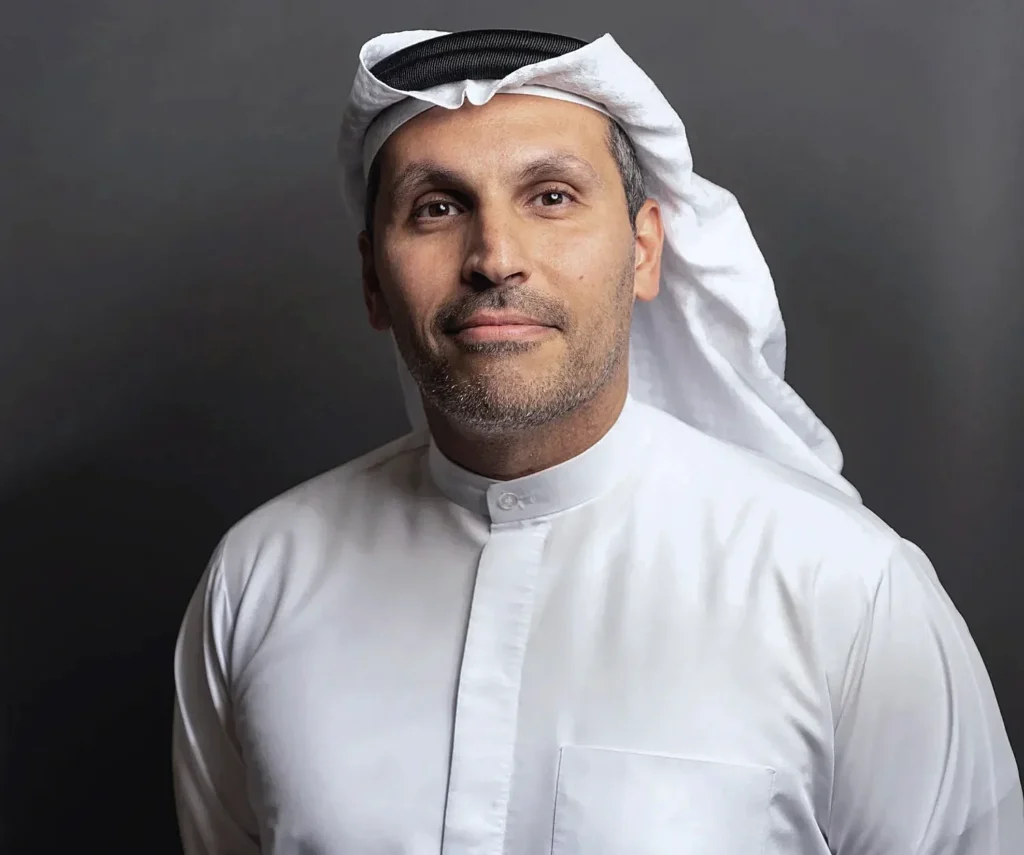
Khaldoon Khalifa Al Mubarak Emirati Visionary Shaping Global Investments & Football By Rizwan Zulfiqar Bhutta In the fast-paced world of international finance and elite sport, few individuals embody the fusion of vision, diplomacy, and leadership as seamlessly as His Excellency Khaldoon Khalifa Al Mubarak. From Abu Dhabi’s corridors of power to the bright lights of European football, he has established himself as one of the UAE’s most influential figures. As the driving force behind Mubadala Investment Company and the Chairman of City Football Group, Al Mubarak’s work represents not just personal success but the broader ambitions of the Emirates on the global stage. Born in Abu Dhabi in 1975, Al Mubarak was raised in a family deeply rooted in public service and diplomacy. He pursued higher education in the United States, graduating with a degree in Economics and Finance before returning home to play a significant role in the UAE’s modernization. Over the years, he has worn many hats. Within government, he serves on Abu Dhabi’s Executive Council, chairs the Executive Affairs Authority, and is a member of the Supreme Council for Financial and Economic Affairs. On the corporate side, he is the CEO and Managing Director of Mubadala Investment Company, Abu Dhabi’s sovereign investment arm that manages hundreds of billions of dollars across diverse sectors. His chairmanships extend across institutions such as Emirates Nuclear Energy Corporation, Emirates Global Aluminium, and Abu Dhabi Commercial Bank. This dual role, bridging government and business, has made him a linchpin in Abu Dhabi’s strategy to diversify its economy beyond oil while reinforcing its position as a trusted global partner. Investments Across Europe, the UK, and the USA Under Al Mubarak’s stewardship, Mubadala has transformed into a truly global investor. Its portfolio now stretches across technology, infrastructure, healthcare, renewable energy, and financial services, making the UAE a silent yet powerful shareholder in many Western economies. In Europe and the UK, Mubadala has committed billions to life sciences, renewable energy, and cutting-edge technology. A long-term partnership with the UK government resulted in a multi-billion-pound agreement to funnel capital into clean energy, health research, and advanced manufacturing. This reflects Abu Dhabi’s ambition not only to secure economic returns but also to build resilience in industries of the future. In the United States, Mubadala has invested heavily in technology ventures, including self-driving cars, artificial intelligence, and digital infrastructure. The company has also taken positions in healthcare startups and innovation hubs, ensuring the UAE remains at the heart of transformative industries that shape global progress. Al Mubarak’s investment strategy has always been forward-looking. Instead of short-term speculation, he has built a framework around sustainable growth, innovation, and long-term partnerships. This approach mirrors the broader vision of the Emirates: positioning itself as a bridge between East and West, and a central hub for economic innovation. Football Building a Global Sporting LegacyPerhaps no area of Al Mubarak’s leadership is more visible to the public than his role as Chairman of City Football Group (CFG), the holding company that owns Manchester City and a growing portfolio of clubs across the globe. When Abu Dhabi acquired Manchester City in 2008, few could have predicted the scale of transformation that would follow. Under Al Mubarak’s guidance, the club has been reimagined from a struggling Premier League side into one of the most dominant teams in world football. Multiple league titles, FA Cups, a historic Champions League triumph, and even a Club World Cup now adorn its legacy. Yet his vision has extended far beyond the pitch. Manchester City’s revenues have soared past the £700 million mark, with reinvestments fueling stadium expansions, training facilities, and the women’s team. Every pound of profit has been reinvested into the club ecosystem, creating what Al Mubarak himself calls a “financial and economic machine” designed for sustainable success. CFG’s reach now spans continents, New York City FC in the United States, Melbourne City in Australia, Girona in Spain, and Mumbai City in India, among others. These global acquisitions are not merely about branding; they are part of a deliberate effort to create a footballing network that shares resources, scouting, and talent development. In doing so, Al Mubarak has effectively rewritten the playbook of modern sports ownership. Triumphs, Challenges, and the Road Ahead The 2022/23 treble-winning season marked the pinnacle of Manchester City’s achievements under his tenure. But football is a cycle of highs and lows. The following season, the club endured a rare trophyless year, prompting Al Mubarak to acknowledge the need for more aggressive transfer strategies and to reflect on lessons learned. Still, he has expressed full confidence in the leadership of Pep Guardiola and a commitment to rebuilding swiftly. For Al Mubarak, setbacks are part of growth. His focus remains fixed on the long-term, whether that means nurturing young talent like emerging academy players or expanding the club’s presence in global markets such as Asia and North America. The group’s pre-season tours, often played before stadiums packed with tens of thousands, reflect the universal appeal Manchester City now commands. A Broader Emirati Vision Al Mubarak’s career is more than a personal success story; it is a mirror of the Emirates’ evolving identity. Just as Abu Dhabi has transformed itself from a regional oil producer into a global investment powerhouse, Al Mubarak has balanced tradition with progress. His leadership represents the UAE’s ethos: blending economic diversification, international partnerships, and soft power diplomacy. By anchoring sovereign investments in sectors that define tomorrow, while also reshaping football into a global cultural force, he has ensured that the Emirates’ influence resonates not only in boardrooms but also in stadiums and living rooms worldwide. His Excellency Khaldoon Khalifa Al Mubarak is not merely a businessman or a football executive; he is a statesman of the modern global economy. His journey demonstrates how the UAE, through bold vision and strategic investments, has become a central player in shaping industries, communities, and cultural landscapes across the world. From pioneering renewable energy projects in Europe to guiding Manchester City to the summit of world football, his story is one of

Apple’s Slim iPhone Air Balances

Apple’s Slim iPhone Air Balances Design Appeal as Stock Gets Downgraded After iPhone 17 Reveal

Apple’s Slim iPhone Air Balances Design Appeal as Stock Gets Downgraded After iPhone 17 Reveal By Rizwan Zulfiqar Bhutta Apple’s latest moves have people talking, and not only because of the polish. Between unveiling the new iPhone lineup, especially the slim iPhone Air, and the lukewarm response from investors after the iPhone 17 reveal, there’s both promise and growing tension in how the company is positioning itself. What’s new and what looks good The iPhone Air is Apple’s slimmest phone yet, measuring just 5.6 mm thin. It uses the new A19 Pro chip, tuned for AI workloads, and includes upgraded communications hardware. Apple is leaning heavily into design again, with a titanium frame and ceramic shield glass that emphasize both strength and style. Pricing is more aggressive too, as the Air sits in the mid-tier range and comes in around one hundred dollars cheaper than comparable rivals. These moves signal that Apple is looking to spark interest through a mix of elegance, refinement, and accessible pricing. For customers who want something that feels new, both visually and physically, the iPhone Air could be a strong pull. The challenges ahead There are trade-offs, however. Battery life is raising concerns, since the ultra-thin frame may limit space for power capacity despite Apple’s promise of all-day usage. The Air also comes with a pared-down camera system, offering a single lens compared to the more advanced setups on higher models. The bigger issue may be Apple’s AI strategy. While the new chip is marketed as AI-ready, the company has yet to demonstrate groundbreaking features to match what competitors are already showcasing. Analysts have voiced disappointment, suggesting that the latest announcements felt more like design polish than true innovation. The market reaction reflects that skepticism. Apple’s stock was downgraded shortly after the iPhone 17 reveal, as investors questioned whether design refinements without deeper functional leaps are enough to reignite growth. The decision to hold firm on pricing despite rising costs and global tariffs adds to the debate, supporting margins but possibly limiting appeal in more price-sensitive regions. Strategic implications The iPhone Air could help drive an upgrade cycle among users who have been holding onto older models, especially with its balance of sleek design and mid-range pricing. If adoption is strong, it may provide Apple a welcome boost during the holiday season. AI, however, remains the battleground. Having the A19 Pro chip in place is a start, but Apple must deliver compelling, visible features that convince consumers it is not falling behind. Without this, the risk grows that design alone will not be enough to sustain its competitive edge. Investor sentiment underscores the point. Stock downgrades highlight a lack of excitement around what is being seen as incremental improvements. The global market adds another layer of complexity, as features like eSIM or single-camera setups may play differently depending on regional expectations. Bottom line Apple has delivered a stylish and competitive entry with the iPhone Air, combining a bold new design with an attractive price point. It reminds the market that Apple can still create devices that turn heads. Yet questions around battery life, camera trade-offs, and most importantly the company’s ability to lead in AI, leave some uncertainty. The coming quarters will show whether this launch can re-energize growth and satisfy both consumers and investors, or whether it is simply another incremental step in a story that increasingly demands bigger leaps.

Lokah Chapter 1 Chandra - A Superhero Triumph

Lokah Chapter 1 Chandra A Superhero Triumph

Lokah Chapter 1 Chandra A Superhero Triumph By Peter Davis Indian cinema has long aspired to craft a superhero saga that resonates not only with local audiences but also with the global stage. With Lokah Chapter 1: Chandra, that dream finally comes alive. Directed by Dominic Arun and led by Kalyani Priyadarshan and Naslen, the film delivers what many big-budget productions promised but couldn’t fully achieve. This is a superhero story rooted in folklore, enriched by layered writing, and powered by sincere performances. A Marvel Rooted in Folklore Unlike many spectacle-driven films that lean on scale without soul, Lokah marries visual grandeur with heartfelt storytelling. The magnificence extends beyond the CGI and action set pieces, weaving in cultural authenticity, emotional depth, and meaningful themes. It is not just a superhero movie, it is a cultural reimagination of myth meeting the modern world. Superpowered, Soulful Performance Kalyani Priyadarshan shines as Chandra, a centuries-old spirit who has lived among humans in disguise. Her performance is both fierce and tender, commanding the screen with presence and vulnerability. Naslen, playing Sunny, brings comic relief and innocence, creating a bond that humanizes Chandra while lightening the tone. The antagonist, portrayed with menace and conviction, adds real-world stakes to the fantastical narrative, making the conflict feel urgent and grounded. A Visual Vocabulary That Delivers The visual design of Lokah is nothing short of mesmerizing. From vibrant neon cityscapes to star-studded skies and haunting night sequences, the cinematography and production design immerse viewers into a world that feels familiar yet otherworldly. The action choreography and music add rhythm and fire to the story, creating a superhero universe that feels original and alive. Myth Meets the Modern, Authentically What sets Lokah apart is its ability to seamlessly integrate Kerala folklore with contemporary storytelling. Instead of leaning on surface-level iconography, the film reinterprets myth with purpose. This makes the story both inclusive for global audiences and deeply rooted in cultural identity, offering a refreshing alternative to generic fantasy tropes. Emotional Resonance and Worldbuilding Every scene in Lokah contributes to its larger universe, balancing character arcs with franchise-building ambition. The writing is thoughtful, and the pacing, though occasionally slower in the second half, builds a foundation strong enough to support future chapters. Key sequences, including Chandra’s origin and the interval block, deliver goosebumps and emotional weight, proving that spectacle can coexist with sincerity. Technical Triumph with Minor Hiccups The technical team deserves equal credit. The music score elevates the film’s grandeur, while the production design and visual effects rival some of the best in the genre. While there are moments where the story lingers too long on setup, these are minor quibbles in an otherwise ambitious and confident debut chapter. Lokah Chapter 1: Chandra is not just a film, it is a milestone for Indian cinema. It redefines what a homegrown superhero movie can be, combining myth, emotion, and spectacle into a package that is both culturally resonant and globally appealing. Where other films faltered in balancing worldbuilding with storytelling, Lokah succeeds with remarkable grace. This is India’s finest superhero film to date, and it sets the stage for a cinematic universe that the world should be ready to embrace.

The UAE Pro League

UAE Pro League 2025/26 Who’s Rising, Who’s Struggling, and What to Expect

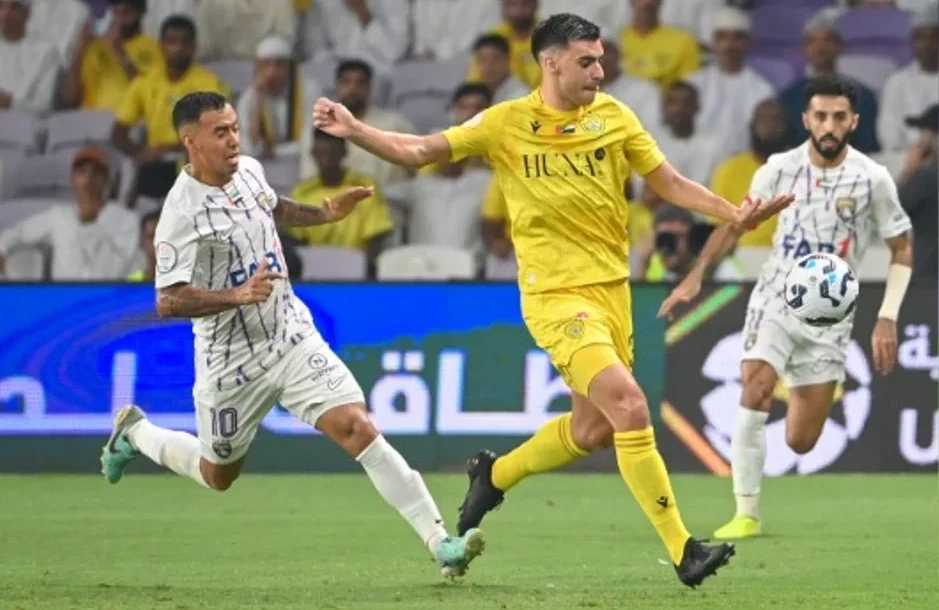
UAE Pro League 2025/26 Who’s Rising, Who’s Struggling, and What to Expect By Ruba Al Sarahneh As the 2025/26 UAE Pro League season kicks off, the spotlight is once again on the 14 clubs preparing for what promises to be a demanding and unpredictable campaign. For casual followers, the league can be tricky to follow, with new signings, managerial shifts, and varying team ambitions shaping the competition. This preview breaks down each team’s early form, strengths, and vulnerabilities, giving fans a clearer sense of where the excitement, drama, and pressure points are likely to unfold this season. TITLE CONTENDERS Shabab Al-Ahli The reigning champions remain the team to beat. With Sardar Azmoun leading a strong attack and plenty of depth across the pitch, Shabab Al-Ahli looks sharp again. Their attacking play is creative and fluid, but as always, defensive focus in big games will decide how far they can go in defending their crown. Al Ain The most successful club in UAE football history has started brightly under Vladimir Ivic. Their forward line is firing, and Soufiane Rahimi remains a constant threat. Yet, defensive lapses and adapting to managerial change will be their biggest challenges. If they stay consistent, they’ll be right in the title mix. Al Nasr Built on defensive organization, Al Nasr has started with discipline and control. Their back line looks rock solid, and they’ve yet to concede against weaker sides. The real test will be whether they can handle pressing teams that disrupt their rhythm — if they can, they’re genuine contenders. Al Wasl With one of the most expensive squads in the league, Al Wasl has the firepower to challenge for the top. They can score goals with ease, but defensive instability has already been exposed. If they can strike the right balance, they have the quality to push Al Ain and Shabab Al-Ahli all the way. CHASING THE TOP FOUR Al Wahda Al Wahda looks balanced across midfield and defense, but a lack of finishing power has held them back from maximum points. If their forwards find their shooting boots, they could easily turn into dark horses for the title race. Sharjah A dangerous side going forward, but defensive mistakes have cost them points early. Their ability to tighten up at the back will determine whether they hover around mid-table or push higher into contention. Al Jazira With big names like Nabil Fekir pulling the strings, Al Jazira has the talent to trouble any opponent. The challenge lies in cutting out defensive errors and maintaining focus — consistency has long been their Achilles’ heel. MID-TABLE BATTLERS Khor Fakkan Entertaining but unpredictable, Khor Fakkan has shown attacking promise but remains leaky at the back. Expect high-scoring matches — both for and against. Al Bataeh Capable of upsets but lacking structure, Al Bataeh will need to organize both its defense and midfield if it wants to stay clear of trouble. Ittihad Kalba Solid defensively but short on goals, Kalba has struggled to turn games in its favor. Without more firepower up front, they may slip down the table. Al Dhafra Competitive but inconsistent, Al Dhafra looks evenly balanced between scoring and conceding. To push up the table, they’ll need sharper finishing and stronger defensive resolve. IN THE DANGER ZONE Dibba With two losses and six goals conceded in their first outings, Dibba’s defense has been torn apart too easily. Unless they tighten up quickly, they’ll be locked in a relegation fight. Baniyas Two straight defeats without scoring have put Baniyas in early trouble. Weak up front and shaky at the back, urgent improvements are needed to escape the drop zone. Ajman Like Baniyas, Ajman has yet to find the net and already looks under pressure. Both ends of the pitch require reinforcement if they want to avoid a long, difficult season. The early rounds of the 2025/26 UAE Pro League have already given us a glimpse of what lies ahead: a fierce title race at the top, unpredictable mid-table swings, and an intense relegation battle brewing at the bottom. Shabab Al-Ahli and Al Ain look set to lead the charge, while Al Nasr and Al Wasl won’t be far behind. Yet, as always in Emirati football, surprises are certain. Whether it’s a smaller side upsetting a giant or a star signing lifting their team into contention, fans can expect a season full of goals, drama, and storylines that stretch well beyond the scoreline.

Mayfair Witches

Review: Mayfair Witches A Spell That Nearly Stuns (Score: 9/10)

Review: Mayfair Witches, A Spell That Nearly Stuns Score: 9/10 By Jane Stevens The show creates a rich, Gothic atmosphere, it draws you into the Mayfair legacy, the Southern setting, the hidden magic, the family secrets, the supernatural feels slow-burn, layered, with teasing clues rather than instant jump scares, the pacing gives space for mystery, letting the strange and uncanny settle in, there is an elegance to how magic is introduced little by little so that when transformations or supernatural moments happen they have weight. The shapeshifting, the demonic presence of Lasher, the ancestral witchly power, these are handled quite impressively, while some reviews complain that the horror or magical effects are not as flashy or traditional, there is power in restraint, when Rowan’s powers manifest, when things shift and change, those moments land because the groundwork is there.  Alexandra Daddario as Rowan Fielding carries much of the emotional burden, her conflicts, doubts, fear, and growing power are believable and compelling, the supporting cast adds texture, family dynamics, betrayals, and secrets all combine to make character arcs meaningful. There are several strong emotional beats, discovering heritage, confronting family sins, fear of one’s own power, dialogue at its best captures internal conflict, moral ambiguity, and the pain of legacy, scenes where Rowan must confront both external threat and internal transformation are standout.  The transformation of Lasher into a human in Season 2, the tensions of power, the legacy burdens, these plot points raise the stakes, they force Rowan to face not just supernatural enemies, but her own values, relationships, and identity.  Sometimes the show drags, some plot threads feel slow or under-developed, for viewers not deeply familiar with Anne Rice’s lore, or who prefer more immediate clarity, this can be frustrating, as with many adaptations some of the source material is changed, simplified, or reinterpreted, that will bother purists, character motivations, certain relationships, key events may not align with the books, some critics feel the show lacks the stylistic punch or striking visuals that might elevate it beyond good supernatural drama, the horror isn’t always visceral, effects aren’t always awe-inspiring.  Despite its flaws, Mayfair Witches succeeds impressively in areas that many similar supernatural dramas only aspire to, emotional resonance, the sense of real transformation, mystery, and gothic richness, it doesn’t rely heavily on traditional horror tropes like jump scares or overt gore, but the threat, the magic, and the character changes are powerful nonetheless, it keeps you glued not only by what’s happening, but by who’s grappling with it, how it changes them, and the secrets that unfold. For me this deserves a solid 9/10, those emotional arcs and transformations are more compelling than flash, with slightly better pacing or more consistent visual style, it could have been a full 10/10.