
MAGNAV Emirates

Entertainment

Rashed Alfalasi

Rashed Alfalasi, The Face of UAE Comedy

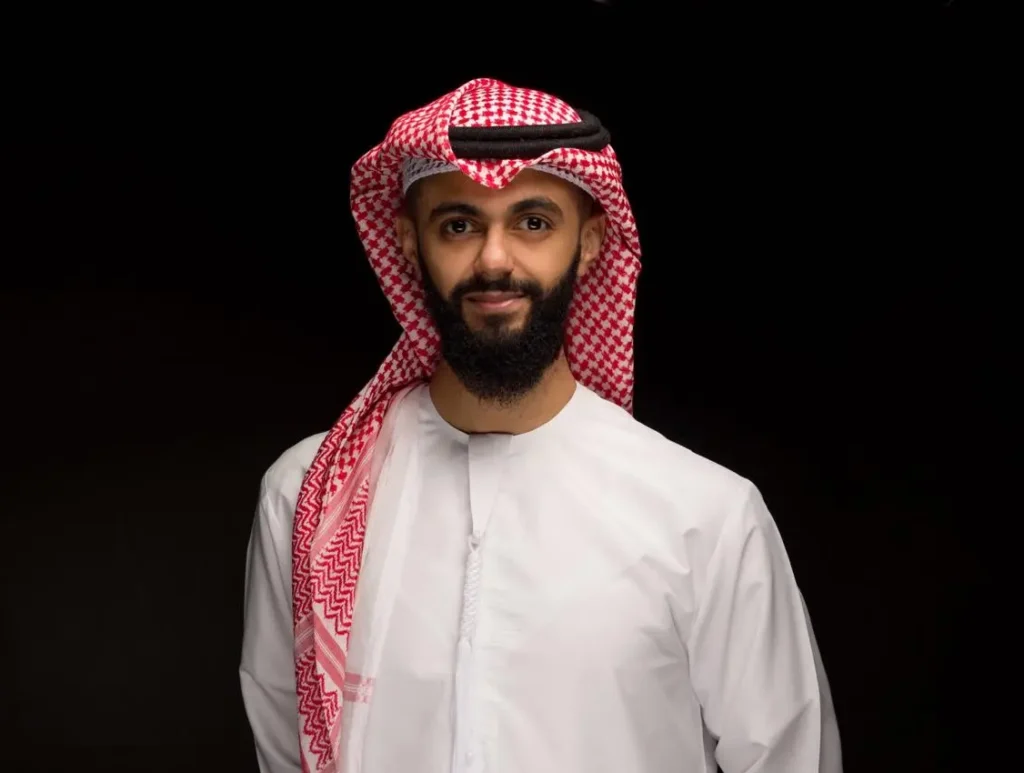
Rashed Alfalasi The Face of UAE Comedy and The Voice Behind many creatives Emirati COMEDIAN offers an intimate Conversation with our Readers By Janhavi Gusani Rashed Alfalasi’s journey is anything but conventional. In a world that insists on specialisation, he refuses to be confined to a single identity, moving fluidly between roles as a pilot, comedian, actor, creator, entrepreneur and musician. His life spans skies, stages and screens, yet what defines him most is not the number of titles he holds, but the consistency with which he follows what he loves. His path often surprises people. Trained in business management with a background in graphic design, Rashed entered aviation almost by coincidence, eventually becoming a pilot. Where most careers demand a single edge, he chose a spectrum, guided less by calculation and more by curiosity. Rather than anchoring himself to one destination, he continues to explore across disciplines, allowing each pursuit to inform the other. Comedy, however, was never accidental. What began as a child sharing jokes evolved into a deeper purpose, becoming a voice for those around him. Turning everyday observations into laughter, and laughter into relatability, is an art few master. For Rashed, humour became a bridge, connecting people through shared experiences that are often unspoken yet instantly understood. He does not switch roles, he switches frequencies. One day he is flying at 30,000 feet, the next he is holding a mic, a camera or creating music. Aviation taught him precision and discipline, while creativity offered freedom. Between the two worlds, he learned balance, managing time carefully and gathering ideas quietly. Rashed moves with an observer’s eye, noticing fleeting details and subtle human nuances that later surface as stories. Above all, he believes listening is essential, because connection begins long before the punchline lands. It is a skill that serves him not only as a performer, but also as an entrepreneur and a traveller navigating diverse spaces. Much of Rashed’s inspiration lives in the in between moments others overlook. A short walk from a parking lot to a building, a brief interaction, a passing remark, any of it can spark an idea. Living in the UAE, a country shaped by diversity, has further sharpened his awareness. His humour reflects the multicultural environment he calls home, making relatability universal rather than niche. For Rashed, comedy must be inclusive and sensitive, grounded in shared humanity rather than difference. At the heart of his work lies simplicity and connection, not the need to stand out. Humour only works when people see themselves in it. Relatability is what turns a moment into something meaningful. His aim has never been to perform at an audience, but to speak with them, articulating emotions and experiences many struggle to express, often by finding humour within one’s own reality. Language plays a central role in that connection. Rashed’s seamless movement between Arabic and English became a gateway into comedy, where literal translation exposes cultural nuance and everyday misunderstandings. It was this playful tension between languages that gave rise to his now infamous line, “Who pay?”, a phrase that resonated precisely because it captured a familiar shared experience with effortless clarity. Beyond performance, Rashed views the UAE as more than a tourist destination. He sees it as a growing digital ecosystem that actively nurtures creators. Through initiatives, workshops and career building platforms, the country offers space to experiment and evolve. Yet he believes the greatest barrier is not access, but hesitation. Fear of failure, uncertainty or not being original enough often holds people back. For Rashed, progress begins with the courage to start and the discipline to continue. Over time, consistency shapes a voice of its own, one that naturally sets a creator apart. Success, in his view, is deeply subjective. He describes it as a form of restraint, something that helps define goals, with everything beyond that becoming the end game. For him, success is not a milestone to reach, but an everyday process. Thirteen years into his journey, his greatest achievement lies in practising his craft fully, without expectation of reward. The joy is in the work itself, in showing up daily and allowing growth to unfold organically. Like every personal journey, his has included moments of pause. A period of personal loss led Rashed to step back from social media and take a creative break, sparking rumours, assumptions and half told narratives about his career. Creative paths are rarely linear. Behind every visible moment lies a deeper story, and even absence can test the strength of one’s craft. Returning was not easy. Audiences move on, and some forget. It is a reality every artist eventually faces. What remains, he believes, is the audience that truly belongs, those drawn to connection that lasts beyond trends or algorithms. Rashed understands that life moves in cycles of elevation and restraint. With visibility comes both appreciation and resistance, and engaging with negativity only amplifies it. While encouragement fuels momentum, rumours have a way of pulling one backwards. Restraint, he has learned, is as important as ambition. Even comfort can be deceptive. Familiarity may quietly dull creative instinct. Growth, for Rashed, lies in discernment, knowing what to carry forward, what to leave behind and when to listen inward rather than outward. “Try, no matter what,” he says. “There is nothing to lose. Life is too short to be scared, and regret is part of the journey. It teaches you to grow and make better choices next time.” For him, life is a continuous process of learning, balancing decisions and trusting one’s inner voice. Consistency, positivity, and kindness form the roots of his philosophy. A person of many interests and identities, Rashed remains grounded in the shared humanity that connects us all. His vision is simple, to keep doing what he loves. He resists rigid definitions of success or purpose, believing they can turn creativity into pressure. When driven by joy, effort comes naturally, and whatever emerges from that process becomes its own reward. Perhaps the simplest way to

Indian Cinema

Aanand L. Rai, Dhanush, Prakash Raj, Kriti Sanon, And A.R. Rahman Breathe New Life Into Long-Perished Indian Cinema With Tere Ishk Mein

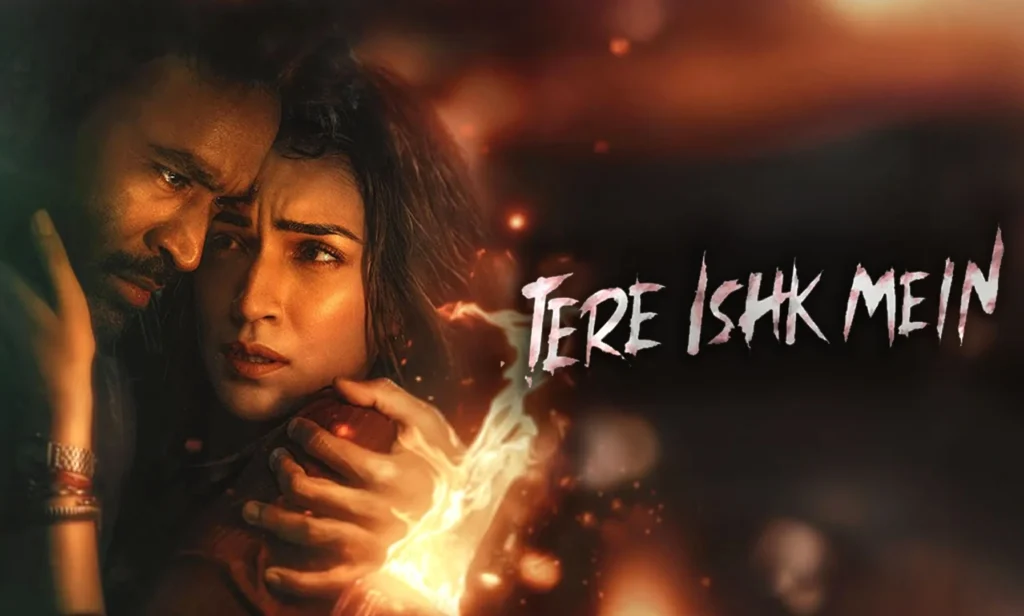
Aanand L. Rai, Dhanush, Prakash Raj, Kriti Sanon, And A.R. Rahman Breathe New Life Into Long-Perished Indian Cinema With Tere Ishk Mein By Riz Z bhutta Review Tere Ishk Mein feels like a resurrection, a reminder of what Indian cinema can be when craft, soul, and sincerity come together. Aanand L. Rai once again proves why he is one of the most sensitive storytellers of our time. The story feels settled, lived-in, and deeply loved. It doesn’t rush to impress; it allows emotions to breathe, linger, and stay with you. This is not just a love story, it is something you feel, long after the screen fades to black. Dhanush rises effortlessly above the noise of stardom. There is a raw honesty in his performance that few actors, Bollywood or otherwise, can match. He doesn’t perform the character; he becomes it. Prakash Raj delivers yet another masterclass in restraint and depth, while Kriti Sanon brings grace and emotional clarity to her role, holding her ground with quiet strength. And then there is A.R. Rahman, creating magic in a way only he can. The music doesn’t decorate the film; it defines it. Every note feels purposeful, emotional, and timeless, elevating the narrative into something almost poetic. The cinematography is a life, languages, and cultural textures feels organic and respectful, allowing different worlds to blend seamlessly. It’s a powerful step toward a truly pan-Indian cinematic language, without losing authenticity. Each actor is sublime in their respective roles. No one overshadows the other; instead, they move together in harmony, serving the story above all else. Tere Ishk Mein is not just a film, it’s a reminder. A reminder of cinema that trusts emotion over spectacle, storytelling over shortcuts. A masterpiece, in the truest sense of the word.

Saudi Arabia Joy Forum 2025: A Billion-Riyal Leap into the Global Entertainment Future

Saudi Arabia Joy Forum 2025, A Billion-Riyal Leap into the Global Entertainment Future

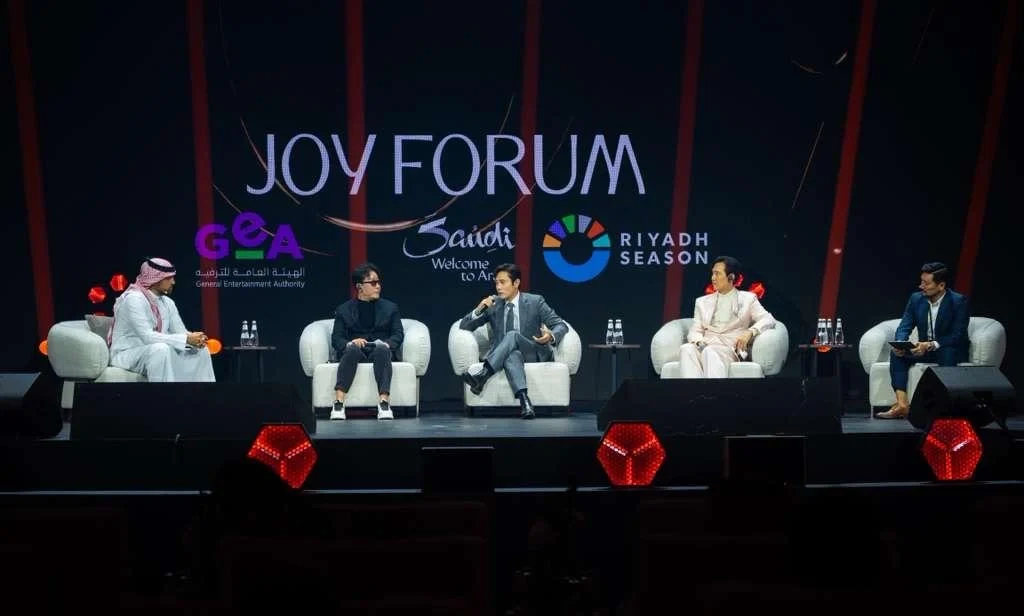
Saudi Arabia Joy Forum 2025 A Billion-Riyal Leap into the Global Entertainment Future By Mohammed Khaiz Sultan | MAGNAV Magazine In Riyadh’s glittering Boulevard City, now proudly dubbed the Entertainment Capital of the World, the lights shone brighter than ever as Joy Forum 2025 took center stage. What unfolded wasn’t just another industry gathering; it was Saudi Arabia’s grand statement to the world that its entertainment ambitions have entered a whole new league. At the heart of it all stood His Excellency Turki Alalshikh, Chairman of the General Entertainment Authority (GEA). Opening the two-day event, Alalshikh unveiled an astonishing 4 billion SAR in new agreements, a move that cements Saudi Arabia’s status as one of the fastest-rising global powerhouses in entertainment, sports, and culture. A Kingdom on the Global Stage Since Vision 2030’s launch, Saudi Arabia’s transformation has been both rapid and remarkable. “Entertainment is no longer a luxury,” Alalshikh declared. “It’s an essential pillar for quality of life.” Those words set the tone for a forum bursting with ambition and an unmistakable sense of confidence. Among the major announcements were partnerships that would have seemed unthinkable a decade ago. WWE’s Royal Rumble will storm into Saudi Arabia next year, and in a first for the brand’s storied history, WrestleMania 2027 will be staged outside the United States right in the Kingdom. In another bold play, Alalshikh revealed an alliance with UFC President Dana White to create the world’s first global boxing league, launching in 2026, with several marquee bouts hosted in Saudi arenas. Meanwhile, American football legend Tom Brady will spearhead an NFL showcase next March, a prelude to potential league games in the near future. Music, Movies, and Mega Projects Riyadh isn’t stopping at sports. The Kingdom is rapidly becoming a creative hub for film and music. Alalshikh announced collaborations with Warner Music Group and Atlantic Records to launch Merwas Studios in Boulevard City, envisioned as the beating heart of Middle Eastern music production. The country’s cinematic ambitions are no less audacious. The newly established “Big Time Fund” will finance more than two dozen Saudi and international films, including epic historical productions such as Saif Allah Al-Maslul – Khalid ibn Al-Walid and The Battle of Yarmouk. Upcoming releases also include a Ministry of Defense-backed film celebrating the Saudi military’s heroism and another spotlighting the Kingdom’s fight against narcotics. For streaming fans, an all-new Saudi edition of Takeshi’s Castle is on the horizon, complete with global YouTube icons MrBeast and IShowSpeed and a star-studded lineup of upcoming drama series, such as Abu Al-Muluk Abdulmalik bin Marwan, produced in partnership with MBC Studios and Shahid. The Rise of Qiddiya and the Power of Partnership One of the forum’s proudest moments was confirmation that the first phase of Qiddiya, the Kingdom’s monumental entertainment and culture city, will open later this year. The complex, home to a massive Six Flags theme park, is part of Crown Prince Mohammed bin Salman’s vision to redefine entertainment in the region. Alalshikh credited the achievements to cross-ministerial collaboration, particularly with the Ministry of Tourism and the Ministry of Culture. Thanks to this synergy, Saudi Arabia now ranks second in the region for tourism revenue, an extraordinary ascent that mirrors its broader cultural evolution. A Global Invitation Joy Forum 2025 wasn’t merely a showcase of numbers or deals. It was a vivid declaration that Saudi Arabia’s entertainment ambitions are global, creative, and deeply human. From Korean pop events to partnerships with international artists, filmmakers, and sports icons, the Kingdom’s message is clear: the world’s spotlight isn’t just visiting Riyadh it’s staying. As Alalshikh concluded, “Saudi Arabia is not just placing its name on the map; it’s leading the global entertainment industry.” In that moment, with the world’s eyes fixed on Boulevard City’s brilliant skyline, it was hard to disagree.

Mira Nair’s Tapestry From Monsoon Wedding to a Son on the Steps of New York’s City Hall

Mira Nair’s Tapestry From Monsoon Wedding to a Son on the Steps

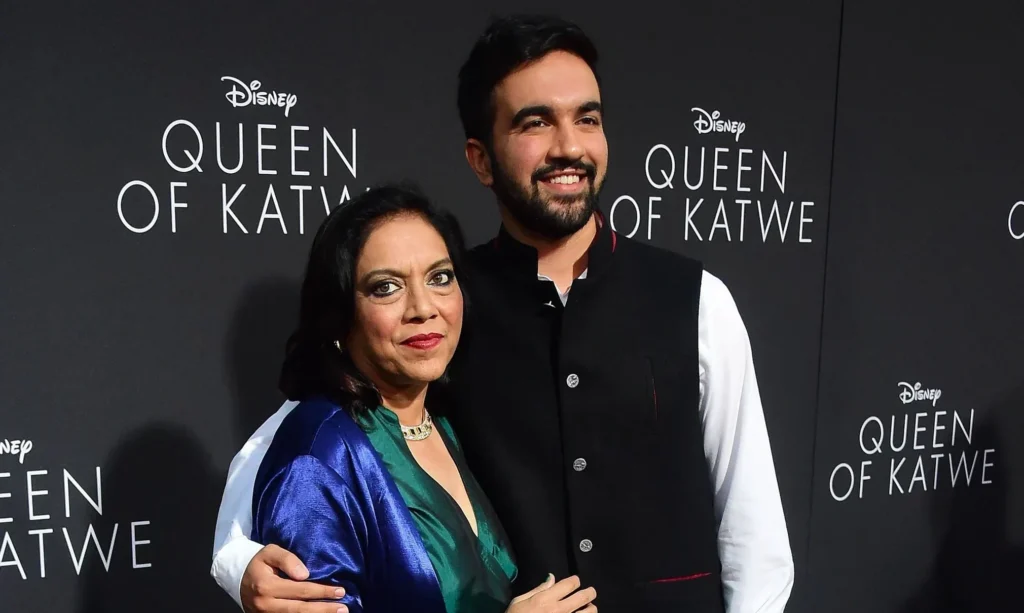
Mira Nair’s Tapestry From Monsoon Wedding to a Son on the Steps of New York’s City Hall Editorial Feature There are filmmakers who record the world, and there are filmmakers who rearrange it, stitching fragments of memory, migration, and ritual into something new and unmistakably human. Mira Nair belongs to the latter tradition. For four decades she has been the seamstress of stories that travel, streetwise comedies, tender domestic farces, and intimate portraits of displacement that cross oceans and generations. The thread that runs through those films, from Salaam Bombay! to Mississippi Masala to the exuberant, widely beloved Monsoon Wedding, is an appetite for cultural detail, the way a sari drapes against a doorway, the choreography of a family dinner, the small cruelties and great loyalties that make kinship feel both local and global. If Monsoon Wedding is her signature, it’s because the film does what good family stories always do, it renders the ordinary ceremonial, the bargain and banter, the last-minute crisis before the baraat, as a stage for larger human truths. Shot quickly on a modest schedule and with a compact crew, the film exploded into a global conversation in 2001, winning the Golden Lion in Venice and entering the international imagination as a movie that could be unmistakably Indian and yet profoundly universal in its staging of joy, grief, and negotiation. It’s a style decision as much as an ethical one, Nair trusts specificity to deliver universality. But a career summary misses the domestic workshops and living-room politics that shaped those films. Mira Nair’s life has always been braided with worlds beyond cinema, she grew up in India, trained at Harvard, and built long collaborative ties between New York and Kampala. She founded the Maisha Film Lab to mentor East African storytellers and has used the profits of early successes to build nonprofits for vulnerable children. That insistence on passing tools along, of creating spaces where others can tell their stories, is as much a part of her legacy as the frames she composes. Which brings us to a quieter, striking piece of the family story, Mira Nair is the mother of Zohran Mamdani, born in Kampala in the early 1990s to Nair and Mahmood Mamdani, the Ugandan scholar who became a fixture of academic life in North America. Zohran’s childhood threaded together the cultural habits of Uganda, India, and later New York, languages shared at the dinner table, political debates in the living room, the smell of cardamom alongside libraries of postcolonial theory. It was an upbringing where art and ideas were ordinary elements of domestic life, not luxuries kept for galleries. That interweaving of home and the wider world is the essential source of the kind of cultural fluency that shows up in both mother and son, one through cinema, the other through civic life. When a child grows up in the orbit of filmmaking and scholarly conversation, politics in the small sense, how to argue, how to listen, how to account for history while attending to the person beside you, becomes part of everyday etiquette.  Those habits, cultivated over dinner-table arguments and film sets, are what turn private sensibilities into public instincts. The result is not theatrical biography but a cultural inheritance, a household that taught a child to navigate multiple belongings without erasing any of them. So when the headlines arrived, terse, pop-cultural proof of an arc that might read almost too neatly for fiction, people did what audiences always do, they read a family’s private textures into a public moment. For a director long celebrated for translating domestic ceremony into cinematic spectacle, it was an uncanny reversal. The wedding table had become a stage, now a son’s public milestone turned family history into a civic photograph. For many who have loved Mira’s films, what they saw in that photograph was continuity rather than contradiction, the same curiosity about identity and home that animated Monsoon Wedding now moving through a different city square. This is not to mythologize. Family stories are complicated, diasporic lives are full of compromises and contradictions, private regrets and public things to be proud of. But there is a recognizable cultural through-line, Nair’s films insist that identity is lived in ceremony and argument, in food and language, in migration and memory. Her son’s public life, whatever one reads into the offices he holds, grew from that ecosystem of practice. It’s an unequivocal portrait of transnational domesticity, a story of migration that doesn’t end in assimilation but keeps expanding the table. If a magazine about culture were to place this family on its cover it might not lead with policy papers or campaign slogans. It would linger instead on the small, telling details, a hand-stitched sari at a victory celebration, a rehearsal dinner where Urdu and English float together, a director telling a crew to start the day with yoga. It would map how rituals, cinematic, culinary, conversational, become forms of training, for compassion, for critique, for communal life. And it would remind readers that cultural work and civic life are not separate spheres but overlapping practices that shape how we belong to one another. Mira Nair’s films taught us to watch families at work, negotiating wounds, trading jokes, performing histories. Her life, and now a chapter of her family’s life played out on the civic stage, feels like an extension of that gaze. Not a political tract, not a manifesto, but a cultural document, a testimony to how stories once told in living rooms travel out into the world and come back transformed, bringing their textures with them. If cinema trains us to see the intimate as universal, then perhaps the reverse is true as well, a son’s public moment can teach us something about the private archives we carry, about the languages we teach around the dinner table, about the music that accompanies our rituals. For lovers of film and of the complicated, luminous work of belonging, that is the story worth lingering over.

Will, The Witcher Season 4 Survive the Switch from Cavill to Hemsworth?

Will, The Witcher Season 4 Survive the Switch from Cavill to Hemsworth?

Will, The Witcher Season 4 Survive the Switch from Cavill to Hemsworth? By Hafsa Qadeer When The Witcher Season 4 debuts on October 30, audiences will be greeted by one of the boldest changes the show has attempted: the recasting of its central figure. Henry Cavill’s Geralt set a tone brooding, rugged, and silently dangerous, and fans invested deeply in his interpretation. Now, Liam Hemsworth steps into this shadow, tasked with making the role his own while carrying forward the weighty legacy of three seasons. What Works Fresh energy: Hemsworth brings a slightly different cadence and charisma. His Geralt feels more open emotionally (less stony-faced), which allows for new depths in relationships with Ciri and Yennefer. Supporting cast continuity: Familiar faces,  the sorceresses, the elves, and the political intrigues ground the show. Their chemistry, long built, helps buffer the shock of change. Bolder narrative arcs: The writing leans into riskier storylines, exploring new corners of the Continent and introducing morally grey dilemmas with greater urgency. Visual flair and action: The show retains its trademark high production values, visceral monster fights, sweeping landscapes, and moody cinematography, ensuring the spectacle is still there. What’s Challenging Comparisons are inevitable: Every move Hemsworth makes will be scrutinised against Cavill’s version. Some will pine for the old guard, especially during scenes that “feel like classic Geralt.” Tonal balancing act: Hemsworth’s more expressive Geralt can sometimes feel at odds with the world’s grim darkness; striking the right balance is tricky. Character transition friction: In early episodes, there are moments where Hemsworth seems “introduced” rather than “continued,” which can pull the viewer out of immersion. Will It Still Impress? Yes,  though not flawlessly. For fans who view The Witcher as more than just Cavill’s show, Season 4 offers a chance to reset and expand. Hemsworth may not supplant Cavill in everyone’s heart, but he brings his own strengths. The series’s strengths in world-building, supporting ensemble, and production scale remain intact — those foundations aren’t tied to one actor. If you go in open-minded, Season 4 can still inspire awe, deliver emotional payoffs, and renew your love for monster-hunts and moral quandaries. It may feel different, and occasionally uneven, but it’s a worthwhile continuation, proof that a strong story world can handle even big changes at its core.

MODERN MODEST WEAR Redefining Elegance for a Global Audience

Modern Modest Wear Redefining Elegance for a Global Audience

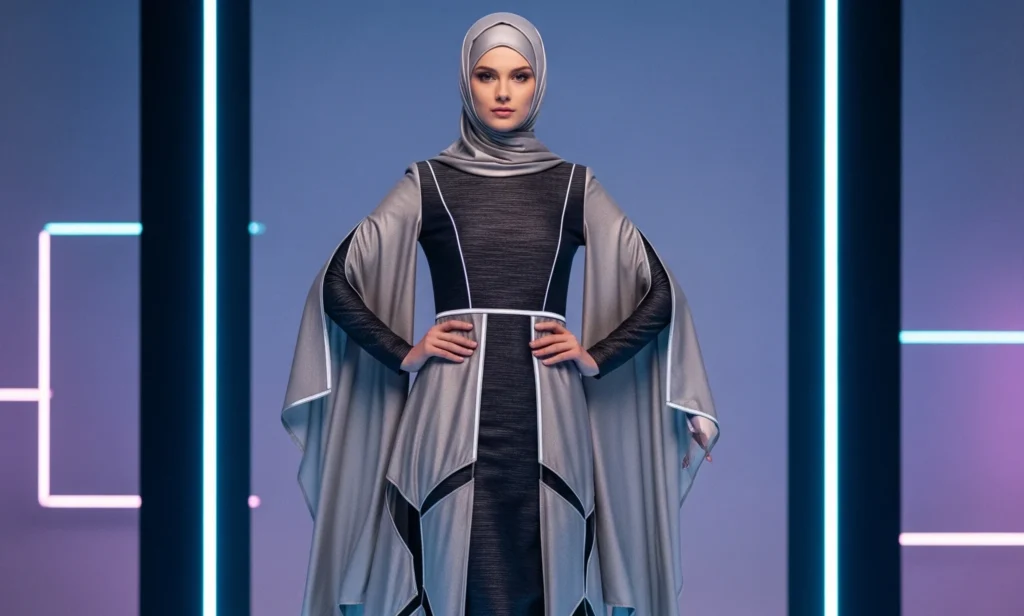
MODERN MODEST WEAR Redefining Elegance for a Global Audience By Zulaikha Bi As a woman who has always loved fashion, I’ve often found myself navigating a delicate balance: wanting to feel elegant, empowered, and current, while staying true to a sense of comfort and modesty. For years, modest fashion was framed as restrictive or old-fashioned. But today, it feels like the world is finally catching up to what so many women have always known that covering up can be every bit as chic, powerful, and expressive as baring it all. What was once a niche, often misunderstood style category has grown into a global movement a new definition of elegance that transcends borders, cultures, and even generations. From Tradition to Transformation The story of modest wear is deeply rooted in heritage. Across the Middle East, South Asia, and parts of Africa, garments like abayas, kaftans, and long flowing dresses have long symbolized grace, dignity, and cultural identity. These pieces weren’t just clothing; they were statements of belonging. But today’s designers are rewriting the script. The abaya, once a symbol of quiet simplicity, now appears in geometric cuts, structured silhouettes, and playful metallics. The kaftan, a timeless favorite, is reinvented with sharp tailoring or unexpected sporty touches like zippers and drawstrings. These reinventions don’t erase tradition — they celebrate it in a way that feels modern and global. It’s fashion as a dialogue: between past and present, local and international, heritage and innovation. The Global Appeal The numbers speak for themselves: the modest fashion industry is worth billions and growing rapidly. Fashion weeks in London, Dubai, and Istanbul now dedicate entire platforms to it.  Luxury houses like Dolce & Gabbana, Gucci, and Oscar de la Renta have tested the waters with modest-friendly collections, while independent designers from Indonesia to Turkey are building global communities of loyal shoppers. The appeal goes far beyond cultural or religious affiliation. Many women in Western markets are drawn to the sophistication of looser cuts, the artistry of layering, and the confidence that comes with clothing that doesn’t need to reveal skin to make a statement. Modest wear is no longer an “alternative” it’s becoming a core part of the mainstream fashion conversation. Why It Matters Fashion has always been about more than fabric. It’s about identity, belonging, and the freedom to choose how we want to be seen. The rise of modest wear is about inclusivity and diversity, giving women across the world more options to dress in ways that reflect who they are. For some, modest dressing is about faith. For others, it’s about comfort, elegance, or personal style. What unites them all is a desire to feel empowered without compromise. Styling Modest Wear Today Modern modest wear proves that “covered” doesn’t mean “conservative” in the old sense of the word. It’s versatile, bold, and endlessly creative. Workwear with authority: Pair wide-leg trousers with a sharp blazer and a silk scarf for an effortless professional look. Day-to-night elegance: A flowing kaftan cinched with a belt transforms seamlessly from brunch to evening cocktails. Event-ready abayas: Jewel-toned or metallic abayas make stunning statement pieces for weddings, galas, or cultural celebrations. The art of layering: Think turtlenecks under slip dresses, oversized shirts with maxi skirts, or tailored capes draped over chic trousers. Layering is where modest fashion truly shines, offering depth, texture, and creativity. A Future Beyond Borders With online platforms and global shipping, modest fashion brands are reaching women everywhere. The next frontier? Sustainability and innovation. Designers are already experimenting with eco-friendly fabrics, tech-driven textiles, and hybrids that blend streetwear with traditional silhouettes. The message is clear: modest wear is not a fleeting trend. It’s a fashion revolution that is here to stay and one that continues to redefine what elegance means in our world today. “Because true elegance isn’t about showing more. It’s about showing who you are with confidence, with grace, and sometimes, with less.”

Monica Puiu

Monica Puiu Grace, Passion, and the Art of Connection

Monica Puiu Grace, Passion, and the Art of Connection By Sidra Asif In the glittering world of entertainment and events, few names shine as brightly as Monica Puiu. A multi-talented artist, model, actress, and presenter, Monica has built a career defined by elegance, charisma, and a relentless pursuit of excellence. From hosting prestigious international events to gracing the screen in award-winning films, her journey is a testament to hard work, resilience, and a deep love for connecting with people. “To explain why I call Dubai ‘the best city in the world’, I have to go back to my very first visit in 2010 as a tourist. I remember switching on the TV in my hotel room and finding a news channel where every story focused on positivity, innovation, development, and achievement. It was such a refreshing difference in mentality compared to what I’d seen elsewhere. Over the past 15 years, that vision has truly become reality. I don’t think there’s another place in the world that has grown at Dubai’s pace, and that’s thanks to the extraordinary leadership of the UAE. Their vision and ability to turn ideas into reality have elevated every sector, private and public alike. Here, people strive to be the best versions of themselves. The work culture values effort, commitment, and human relationships, which allows things to run at the highest standards. The drive for excellence is everywhere, from the architecture and infrastructure to the cleanliness, safety, hospitality, and world-class services. On a personal note, I’ve met some truly wonderful people here, and every time I return from my travels, I feel blessed to come back. Professionally, working alongside the best inspires me to raise my own standards and continuously grow.” “For me, versatility is actually a core part of my personal brand. Whether I’m hosting a high-profile luxury event, acting in a music video, or appearing in an award-winning film, the common thread is presence, professionalism, and authenticity. I approach each role with the same attention to detail and passion for connecting with people. I believe that a strong personal brand isn’t about limiting yourself to one box, it’s about being consistent in the quality of your work, the way you carry yourself, and the relationships you build. That consistency is what allows me to move seamlessly between different roles while still being instantly recognizable for my style, energy, and commitment.” “It was truly an honor and a moment I’ll never forget. As I stood there preparing to introduce H.E. Dr. Sultan Ahmed Al Jaber at the ‘Make it in the Emirates’ forum, I felt an immense sense of pride, not only for representing such a prestigious event but also for the journey that had brought me to that stage. I thought about the years of work, the countless events, and the passion I’ve poured into my craft. In that moment, I wasn’t just a presenter, I was part of a bigger story about vision, innovation, and excellence in the UAE. I wanted to deliver my words with the same grace and respect that the occasion and the guest deserved. It was a mixture of gratitude, focus, and quiet joy.” “For me, truly engaging an audience starts with authenticity. Whether on stage or on camera, people can feel when you’re genuinely present with them. I combine that with warmth, elegance, and energy, so my audience feels both inspired and comfortable. Another key ingredient is connection, you’re not just speaking to people, you’re speaking with them. That means reading the room, adjusting your tone, and making every person feel part of the moment. And finally, preparation and professionalism are essential. When you know your material and you’re confident in your delivery, it frees you to focus on creating that magic where everyone feels seen and uplifted.” “For me, hosting is about more than just presenting, it’s about creating an atmosphere where people feel inspired to come together for a purpose. With charity galas, the goal is to connect hearts as much as it is to raise funds. I envision using my skills to tell the stories that matter, to give a voice to those in need and make the cause feel real and urgent for the audience. By combining elegance, energy, and empathy, I can help create events that are not only memorable but truly transformative. I believe when people are moved emotionally, they’re far more likely to take action, and that’s where real impact begins.” “I do believe every passion has its right time to step into the light. If the perfect project came along, one that aligned with my values and allowed me to blend music with storytelling or a meaningful cause, I would absolutely consider sharing that side of myself with the public. Until then, it remains a very personal source of inspiration and creativity that enriches everything else I do.” “Dubai has taught me that excellence is a habit, not a moment. In a city that moves at such an extraordinary pace and holds itself to the highest standards, I’ve learned the importance of constantly evolving, both personally and professionally. The most transformative experience has been working alongside people and brands at the very top of their fields. It pushes you to raise your own bar, to prepare meticulously, and to deliver with grace under pressure. Beyond the skills, it’s also taught me resilience, adaptability, and the power of building genuine relationships. Dubai has shown me that when you combine hard work with passion and integrity, opportunities don’t just appear, you create them.” >Monica Puiu’s journey is far from over. With her boundless energy, talent, and drive to inspire others, she continues to carve out a space where elegance meets purpose. Whether dazzling audiences on stage, lending her voice to meaningful causes, or quietly nurturing her private passions, Monica embodies the spirit of a true artist, one who doesn’t just perform but transforms every moment into something unforgettable.

Lokah Chapter 1 Chandra - A Superhero Triumph

Lokah Chapter 1 Chandra A Superhero Triumph

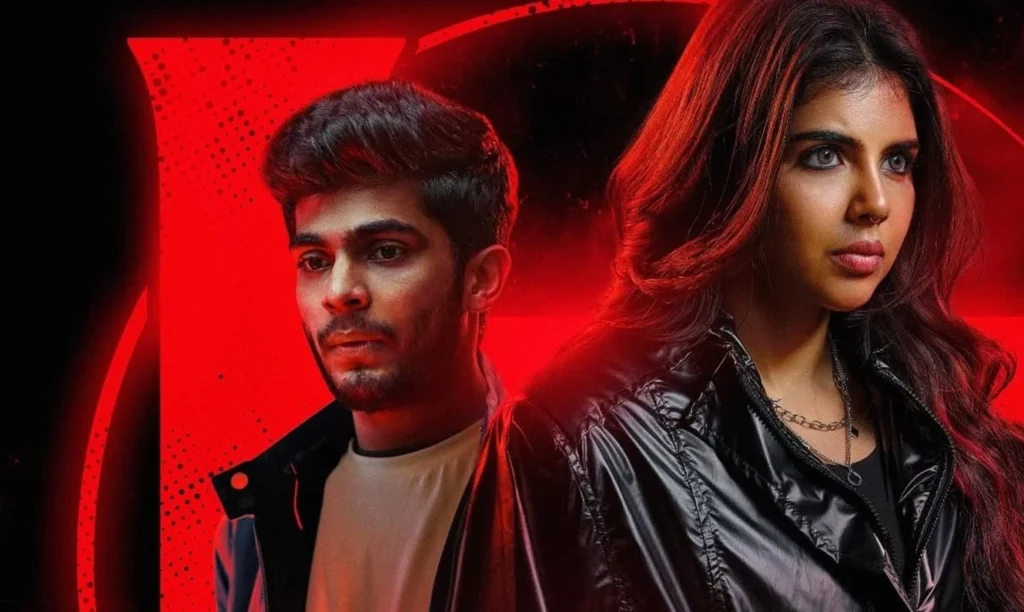
Lokah Chapter 1 Chandra A Superhero Triumph By Peter Davis Indian cinema has long aspired to craft a superhero saga that resonates not only with local audiences but also with the global stage. With Lokah Chapter 1: Chandra, that dream finally comes alive. Directed by Dominic Arun and led by Kalyani Priyadarshan and Naslen, the film delivers what many big-budget productions promised but couldn’t fully achieve. This is a superhero story rooted in folklore, enriched by layered writing, and powered by sincere performances. A Marvel Rooted in Folklore Unlike many spectacle-driven films that lean on scale without soul, Lokah marries visual grandeur with heartfelt storytelling. The magnificence extends beyond the CGI and action set pieces, weaving in cultural authenticity, emotional depth, and meaningful themes. It is not just a superhero movie, it is a cultural reimagination of myth meeting the modern world. Superpowered, Soulful Performance Kalyani Priyadarshan shines as Chandra, a centuries-old spirit who has lived among humans in disguise. Her performance is both fierce and tender, commanding the screen with presence and vulnerability. Naslen, playing Sunny, brings comic relief and innocence, creating a bond that humanizes Chandra while lightening the tone. The antagonist, portrayed with menace and conviction, adds real-world stakes to the fantastical narrative, making the conflict feel urgent and grounded. A Visual Vocabulary That Delivers The visual design of Lokah is nothing short of mesmerizing. From vibrant neon cityscapes to star-studded skies and haunting night sequences, the cinematography and production design immerse viewers into a world that feels familiar yet otherworldly. The action choreography and music add rhythm and fire to the story, creating a superhero universe that feels original and alive. Myth Meets the Modern, Authentically What sets Lokah apart is its ability to seamlessly integrate Kerala folklore with contemporary storytelling. Instead of leaning on surface-level iconography, the film reinterprets myth with purpose. This makes the story both inclusive for global audiences and deeply rooted in cultural identity, offering a refreshing alternative to generic fantasy tropes. Emotional Resonance and Worldbuilding Every scene in Lokah contributes to its larger universe, balancing character arcs with franchise-building ambition. The writing is thoughtful, and the pacing, though occasionally slower in the second half, builds a foundation strong enough to support future chapters. Key sequences, including Chandra’s origin and the interval block, deliver goosebumps and emotional weight, proving that spectacle can coexist with sincerity. Technical Triumph with Minor Hiccups The technical team deserves equal credit. The music score elevates the film’s grandeur, while the production design and visual effects rival some of the best in the genre. While there are moments where the story lingers too long on setup, these are minor quibbles in an otherwise ambitious and confident debut chapter. Lokah Chapter 1: Chandra is not just a film, it is a milestone for Indian cinema. It redefines what a homegrown superhero movie can be, combining myth, emotion, and spectacle into a package that is both culturally resonant and globally appealing. Where other films faltered in balancing worldbuilding with storytelling, Lokah succeeds with remarkable grace. This is India’s finest superhero film to date, and it sets the stage for a cinematic universe that the world should be ready to embrace.

Mayfair Witches

Review: Mayfair Witches A Spell That Nearly Stuns (Score: 9/10)

Review: Mayfair Witches, A Spell That Nearly Stuns Score: 9/10 By Jane Stevens The show creates a rich, Gothic atmosphere, it draws you into the Mayfair legacy, the Southern setting, the hidden magic, the family secrets, the supernatural feels slow-burn, layered, with teasing clues rather than instant jump scares, the pacing gives space for mystery, letting the strange and uncanny settle in, there is an elegance to how magic is introduced little by little so that when transformations or supernatural moments happen they have weight. The shapeshifting, the demonic presence of Lasher, the ancestral witchly power, these are handled quite impressively, while some reviews complain that the horror or magical effects are not as flashy or traditional, there is power in restraint, when Rowan’s powers manifest, when things shift and change, those moments land because the groundwork is there.  Alexandra Daddario as Rowan Fielding carries much of the emotional burden, her conflicts, doubts, fear, and growing power are believable and compelling, the supporting cast adds texture, family dynamics, betrayals, and secrets all combine to make character arcs meaningful. There are several strong emotional beats, discovering heritage, confronting family sins, fear of one’s own power, dialogue at its best captures internal conflict, moral ambiguity, and the pain of legacy, scenes where Rowan must confront both external threat and internal transformation are standout.  The transformation of Lasher into a human in Season 2, the tensions of power, the legacy burdens, these plot points raise the stakes, they force Rowan to face not just supernatural enemies, but her own values, relationships, and identity.  Sometimes the show drags, some plot threads feel slow or under-developed, for viewers not deeply familiar with Anne Rice’s lore, or who prefer more immediate clarity, this can be frustrating, as with many adaptations some of the source material is changed, simplified, or reinterpreted, that will bother purists, character motivations, certain relationships, key events may not align with the books, some critics feel the show lacks the stylistic punch or striking visuals that might elevate it beyond good supernatural drama, the horror isn’t always visceral, effects aren’t always awe-inspiring.  Despite its flaws, Mayfair Witches succeeds impressively in areas that many similar supernatural dramas only aspire to, emotional resonance, the sense of real transformation, mystery, and gothic richness, it doesn’t rely heavily on traditional horror tropes like jump scares or overt gore, but the threat, the magic, and the character changes are powerful nonetheless, it keeps you glued not only by what’s happening, but by who’s grappling with it, how it changes them, and the secrets that unfold. For me this deserves a solid 9/10, those emotional arcs and transformations are more compelling than flash, with slightly better pacing or more consistent visual style, it could have been a full 10/10.