
MAGNAV Emirates

Entertainment

Rashed Alfalasi

Rashed Alfalasi, The Face of UAE Comedy

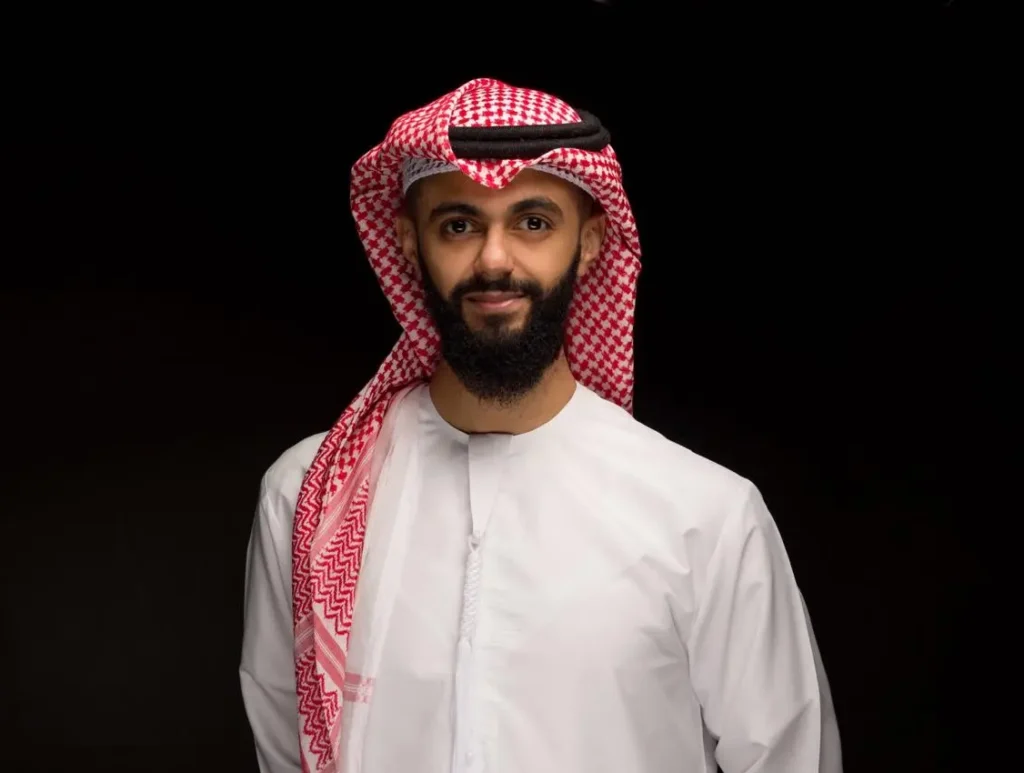
Rashed Alfalasi The Face of UAE Comedy and The Voice Behind many creatives Emirati COMEDIAN offers an intimate Conversation with our Readers By Janhavi Gusani Rashed Alfalasi’s journey is anything but conventional. In a world that insists on specialisation, he refuses to be confined to a single identity, moving fluidly between roles as a pilot, comedian, actor, creator, entrepreneur and musician. His life spans skies, stages and screens, yet what defines him most is not the number of titles he holds, but the consistency with which he follows what he loves. His path often surprises people. Trained in business management with a background in graphic design, Rashed entered aviation almost by coincidence, eventually becoming a pilot. Where most careers demand a single edge, he chose a spectrum, guided less by calculation and more by curiosity. Rather than anchoring himself to one destination, he continues to explore across disciplines, allowing each pursuit to inform the other. Comedy, however, was never accidental. What began as a child sharing jokes evolved into a deeper purpose, becoming a voice for those around him. Turning everyday observations into laughter, and laughter into relatability, is an art few master. For Rashed, humour became a bridge, connecting people through shared experiences that are often unspoken yet instantly understood. He does not switch roles, he switches frequencies. One day he is flying at 30,000 feet, the next he is holding a mic, a camera or creating music. Aviation taught him precision and discipline, while creativity offered freedom. Between the two worlds, he learned balance, managing time carefully and gathering ideas quietly. Rashed moves with an observer’s eye, noticing fleeting details and subtle human nuances that later surface as stories. Above all, he believes listening is essential, because connection begins long before the punchline lands. It is a skill that serves him not only as a performer, but also as an entrepreneur and a traveller navigating diverse spaces. Much of Rashed’s inspiration lives in the in between moments others overlook. A short walk from a parking lot to a building, a brief interaction, a passing remark, any of it can spark an idea. Living in the UAE, a country shaped by diversity, has further sharpened his awareness. His humour reflects the multicultural environment he calls home, making relatability universal rather than niche. For Rashed, comedy must be inclusive and sensitive, grounded in shared humanity rather than difference. At the heart of his work lies simplicity and connection, not the need to stand out. Humour only works when people see themselves in it. Relatability is what turns a moment into something meaningful. His aim has never been to perform at an audience, but to speak with them, articulating emotions and experiences many struggle to express, often by finding humour within one’s own reality. Language plays a central role in that connection. Rashed’s seamless movement between Arabic and English became a gateway into comedy, where literal translation exposes cultural nuance and everyday misunderstandings. It was this playful tension between languages that gave rise to his now infamous line, “Who pay?”, a phrase that resonated precisely because it captured a familiar shared experience with effortless clarity. Beyond performance, Rashed views the UAE as more than a tourist destination. He sees it as a growing digital ecosystem that actively nurtures creators. Through initiatives, workshops and career building platforms, the country offers space to experiment and evolve. Yet he believes the greatest barrier is not access, but hesitation. Fear of failure, uncertainty or not being original enough often holds people back. For Rashed, progress begins with the courage to start and the discipline to continue. Over time, consistency shapes a voice of its own, one that naturally sets a creator apart. Success, in his view, is deeply subjective. He describes it as a form of restraint, something that helps define goals, with everything beyond that becoming the end game. For him, success is not a milestone to reach, but an everyday process. Thirteen years into his journey, his greatest achievement lies in practising his craft fully, without expectation of reward. The joy is in the work itself, in showing up daily and allowing growth to unfold organically. Like every personal journey, his has included moments of pause. A period of personal loss led Rashed to step back from social media and take a creative break, sparking rumours, assumptions and half told narratives about his career. Creative paths are rarely linear. Behind every visible moment lies a deeper story, and even absence can test the strength of one’s craft. Returning was not easy. Audiences move on, and some forget. It is a reality every artist eventually faces. What remains, he believes, is the audience that truly belongs, those drawn to connection that lasts beyond trends or algorithms. Rashed understands that life moves in cycles of elevation and restraint. With visibility comes both appreciation and resistance, and engaging with negativity only amplifies it. While encouragement fuels momentum, rumours have a way of pulling one backwards. Restraint, he has learned, is as important as ambition. Even comfort can be deceptive. Familiarity may quietly dull creative instinct. Growth, for Rashed, lies in discernment, knowing what to carry forward, what to leave behind and when to listen inward rather than outward. “Try, no matter what,” he says. “There is nothing to lose. Life is too short to be scared, and regret is part of the journey. It teaches you to grow and make better choices next time.” For him, life is a continuous process of learning, balancing decisions and trusting one’s inner voice. Consistency, positivity, and kindness form the roots of his philosophy. A person of many interests and identities, Rashed remains grounded in the shared humanity that connects us all. His vision is simple, to keep doing what he loves. He resists rigid definitions of success or purpose, believing they can turn creativity into pressure. When driven by joy, effort comes naturally, and whatever emerges from that process becomes its own reward. Perhaps the simplest way to

Indian Cinema

Aanand L. Rai, Dhanush, Prakash Raj, Kriti Sanon, And A.R. Rahman Breathe New Life Into Long-Perished Indian Cinema With Tere Ishk Mein

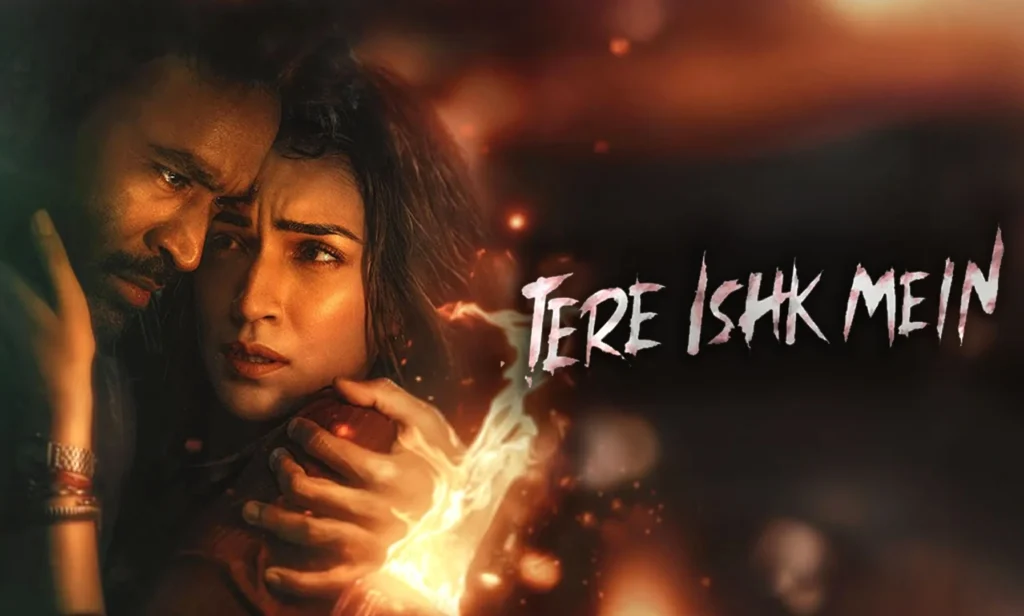
Aanand L. Rai, Dhanush, Prakash Raj, Kriti Sanon, And A.R. Rahman Breathe New Life Into Long-Perished Indian Cinema With Tere Ishk Mein By Riz Z bhutta Review Tere Ishk Mein feels like a resurrection, a reminder of what Indian cinema can be when craft, soul, and sincerity come together. Aanand L. Rai once again proves why he is one of the most sensitive storytellers of our time. The story feels settled, lived-in, and deeply loved. It doesn’t rush to impress; it allows emotions to breathe, linger, and stay with you. This is not just a love story, it is something you feel, long after the screen fades to black. Dhanush rises effortlessly above the noise of stardom. There is a raw honesty in his performance that few actors, Bollywood or otherwise, can match. He doesn’t perform the character; he becomes it. Prakash Raj delivers yet another masterclass in restraint and depth, while Kriti Sanon brings grace and emotional clarity to her role, holding her ground with quiet strength. And then there is A.R. Rahman, creating magic in a way only he can. The music doesn’t decorate the film; it defines it. Every note feels purposeful, emotional, and timeless, elevating the narrative into something almost poetic. The cinematography is a life, languages, and cultural textures feels organic and respectful, allowing different worlds to blend seamlessly. It’s a powerful step toward a truly pan-Indian cinematic language, without losing authenticity. Each actor is sublime in their respective roles. No one overshadows the other; instead, they move together in harmony, serving the story above all else. Tere Ishk Mein is not just a film, it’s a reminder. A reminder of cinema that trusts emotion over spectacle, storytelling over shortcuts. A masterpiece, in the truest sense of the word.

Saudi Arabia Joy Forum 2025: A Billion-Riyal Leap into the Global Entertainment Future

Saudi Arabia Joy Forum 2025, A Billion-Riyal Leap into the Global Entertainment Future

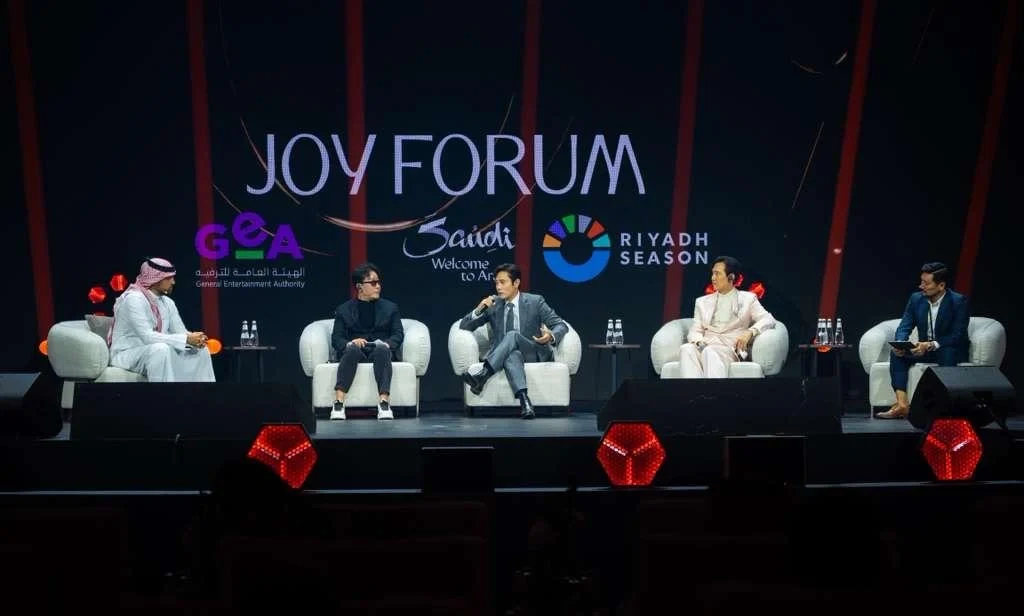
Saudi Arabia Joy Forum 2025 A Billion-Riyal Leap into the Global Entertainment Future By Mohammed Khaiz Sultan | MAGNAV Magazine In Riyadh’s glittering Boulevard City, now proudly dubbed the Entertainment Capital of the World, the lights shone brighter than ever as Joy Forum 2025 took center stage. What unfolded wasn’t just another industry gathering; it was Saudi Arabia’s grand statement to the world that its entertainment ambitions have entered a whole new league. At the heart of it all stood His Excellency Turki Alalshikh, Chairman of the General Entertainment Authority (GEA). Opening the two-day event, Alalshikh unveiled an astonishing 4 billion SAR in new agreements, a move that cements Saudi Arabia’s status as one of the fastest-rising global powerhouses in entertainment, sports, and culture. A Kingdom on the Global Stage Since Vision 2030’s launch, Saudi Arabia’s transformation has been both rapid and remarkable. “Entertainment is no longer a luxury,” Alalshikh declared. “It’s an essential pillar for quality of life.” Those words set the tone for a forum bursting with ambition and an unmistakable sense of confidence. Among the major announcements were partnerships that would have seemed unthinkable a decade ago. WWE’s Royal Rumble will storm into Saudi Arabia next year, and in a first for the brand’s storied history, WrestleMania 2027 will be staged outside the United States right in the Kingdom. In another bold play, Alalshikh revealed an alliance with UFC President Dana White to create the world’s first global boxing league, launching in 2026, with several marquee bouts hosted in Saudi arenas. Meanwhile, American football legend Tom Brady will spearhead an NFL showcase next March, a prelude to potential league games in the near future. Music, Movies, and Mega Projects Riyadh isn’t stopping at sports. The Kingdom is rapidly becoming a creative hub for film and music. Alalshikh announced collaborations with Warner Music Group and Atlantic Records to launch Merwas Studios in Boulevard City, envisioned as the beating heart of Middle Eastern music production. The country’s cinematic ambitions are no less audacious. The newly established “Big Time Fund” will finance more than two dozen Saudi and international films, including epic historical productions such as Saif Allah Al-Maslul – Khalid ibn Al-Walid and The Battle of Yarmouk. Upcoming releases also include a Ministry of Defense-backed film celebrating the Saudi military’s heroism and another spotlighting the Kingdom’s fight against narcotics. For streaming fans, an all-new Saudi edition of Takeshi’s Castle is on the horizon, complete with global YouTube icons MrBeast and IShowSpeed and a star-studded lineup of upcoming drama series, such as Abu Al-Muluk Abdulmalik bin Marwan, produced in partnership with MBC Studios and Shahid. The Rise of Qiddiya and the Power of Partnership One of the forum’s proudest moments was confirmation that the first phase of Qiddiya, the Kingdom’s monumental entertainment and culture city, will open later this year. The complex, home to a massive Six Flags theme park, is part of Crown Prince Mohammed bin Salman’s vision to redefine entertainment in the region. Alalshikh credited the achievements to cross-ministerial collaboration, particularly with the Ministry of Tourism and the Ministry of Culture. Thanks to this synergy, Saudi Arabia now ranks second in the region for tourism revenue, an extraordinary ascent that mirrors its broader cultural evolution. A Global Invitation Joy Forum 2025 wasn’t merely a showcase of numbers or deals. It was a vivid declaration that Saudi Arabia’s entertainment ambitions are global, creative, and deeply human. From Korean pop events to partnerships with international artists, filmmakers, and sports icons, the Kingdom’s message is clear: the world’s spotlight isn’t just visiting Riyadh it’s staying. As Alalshikh concluded, “Saudi Arabia is not just placing its name on the map; it’s leading the global entertainment industry.” In that moment, with the world’s eyes fixed on Boulevard City’s brilliant skyline, it was hard to disagree.

Mira Nair’s Tapestry From Monsoon Wedding to a Son on the Steps of New York’s City Hall

Mira Nair’s Tapestry From Monsoon Wedding to a Son on the Steps

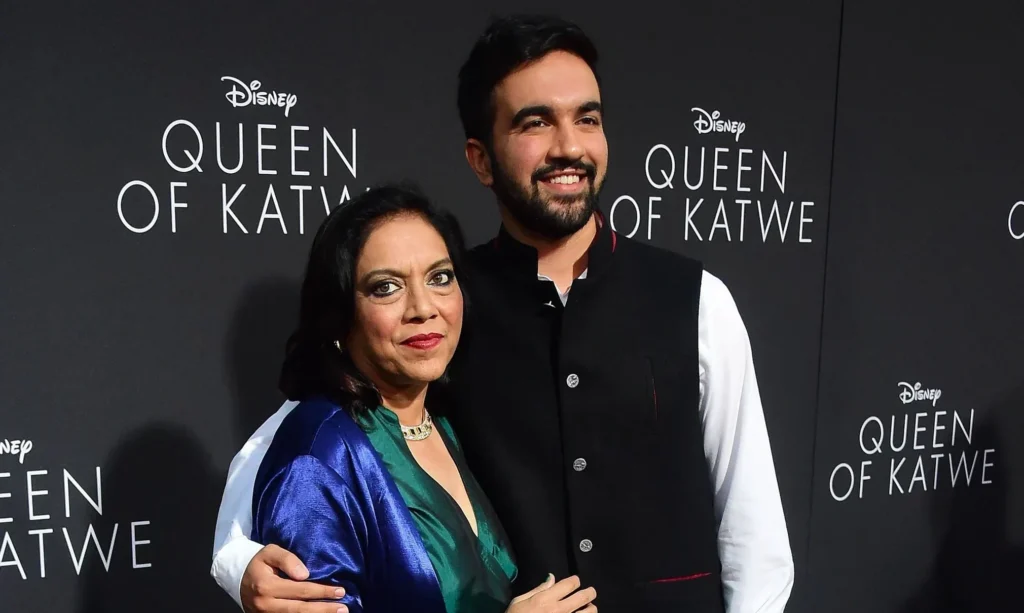
Mira Nair’s Tapestry From Monsoon Wedding to a Son on the Steps of New York’s City Hall Editorial Feature There are filmmakers who record the world, and there are filmmakers who rearrange it, stitching fragments of memory, migration, and ritual into something new and unmistakably human. Mira Nair belongs to the latter tradition. For four decades she has been the seamstress of stories that travel, streetwise comedies, tender domestic farces, and intimate portraits of displacement that cross oceans and generations. The thread that runs through those films, from Salaam Bombay! to Mississippi Masala to the exuberant, widely beloved Monsoon Wedding, is an appetite for cultural detail, the way a sari drapes against a doorway, the choreography of a family dinner, the small cruelties and great loyalties that make kinship feel both local and global. If Monsoon Wedding is her signature, it’s because the film does what good family stories always do, it renders the ordinary ceremonial, the bargain and banter, the last-minute crisis before the baraat, as a stage for larger human truths. Shot quickly on a modest schedule and with a compact crew, the film exploded into a global conversation in 2001, winning the Golden Lion in Venice and entering the international imagination as a movie that could be unmistakably Indian and yet profoundly universal in its staging of joy, grief, and negotiation. It’s a style decision as much as an ethical one, Nair trusts specificity to deliver universality. But a career summary misses the domestic workshops and living-room politics that shaped those films. Mira Nair’s life has always been braided with worlds beyond cinema, she grew up in India, trained at Harvard, and built long collaborative ties between New York and Kampala. She founded the Maisha Film Lab to mentor East African storytellers and has used the profits of early successes to build nonprofits for vulnerable children. That insistence on passing tools along, of creating spaces where others can tell their stories, is as much a part of her legacy as the frames she composes. Which brings us to a quieter, striking piece of the family story, Mira Nair is the mother of Zohran Mamdani, born in Kampala in the early 1990s to Nair and Mahmood Mamdani, the Ugandan scholar who became a fixture of academic life in North America. Zohran’s childhood threaded together the cultural habits of Uganda, India, and later New York, languages shared at the dinner table, political debates in the living room, the smell of cardamom alongside libraries of postcolonial theory. It was an upbringing where art and ideas were ordinary elements of domestic life, not luxuries kept for galleries. That interweaving of home and the wider world is the essential source of the kind of cultural fluency that shows up in both mother and son, one through cinema, the other through civic life. When a child grows up in the orbit of filmmaking and scholarly conversation, politics in the small sense, how to argue, how to listen, how to account for history while attending to the person beside you, becomes part of everyday etiquette.  Those habits, cultivated over dinner-table arguments and film sets, are what turn private sensibilities into public instincts. The result is not theatrical biography but a cultural inheritance, a household that taught a child to navigate multiple belongings without erasing any of them. So when the headlines arrived, terse, pop-cultural proof of an arc that might read almost too neatly for fiction, people did what audiences always do, they read a family’s private textures into a public moment. For a director long celebrated for translating domestic ceremony into cinematic spectacle, it was an uncanny reversal. The wedding table had become a stage, now a son’s public milestone turned family history into a civic photograph. For many who have loved Mira’s films, what they saw in that photograph was continuity rather than contradiction, the same curiosity about identity and home that animated Monsoon Wedding now moving through a different city square. This is not to mythologize. Family stories are complicated, diasporic lives are full of compromises and contradictions, private regrets and public things to be proud of. But there is a recognizable cultural through-line, Nair’s films insist that identity is lived in ceremony and argument, in food and language, in migration and memory. Her son’s public life, whatever one reads into the offices he holds, grew from that ecosystem of practice. It’s an unequivocal portrait of transnational domesticity, a story of migration that doesn’t end in assimilation but keeps expanding the table. If a magazine about culture were to place this family on its cover it might not lead with policy papers or campaign slogans. It would linger instead on the small, telling details, a hand-stitched sari at a victory celebration, a rehearsal dinner where Urdu and English float together, a director telling a crew to start the day with yoga. It would map how rituals, cinematic, culinary, conversational, become forms of training, for compassion, for critique, for communal life. And it would remind readers that cultural work and civic life are not separate spheres but overlapping practices that shape how we belong to one another. Mira Nair’s films taught us to watch families at work, negotiating wounds, trading jokes, performing histories. Her life, and now a chapter of her family’s life played out on the civic stage, feels like an extension of that gaze. Not a political tract, not a manifesto, but a cultural document, a testimony to how stories once told in living rooms travel out into the world and come back transformed, bringing their textures with them. If cinema trains us to see the intimate as universal, then perhaps the reverse is true as well, a son’s public moment can teach us something about the private archives we carry, about the languages we teach around the dinner table, about the music that accompanies our rituals. For lovers of film and of the complicated, luminous work of belonging, that is the story worth lingering over.

Will, The Witcher Season 4 Survive the Switch from Cavill to Hemsworth?

Will, The Witcher Season 4 Survive the Switch from Cavill to Hemsworth?

Will, The Witcher Season 4 Survive the Switch from Cavill to Hemsworth? By Hafsa Qadeer When The Witcher Season 4 debuts on October 30, audiences will be greeted by one of the boldest changes the show has attempted: the recasting of its central figure. Henry Cavill’s Geralt set a tone brooding, rugged, and silently dangerous, and fans invested deeply in his interpretation. Now, Liam Hemsworth steps into this shadow, tasked with making the role his own while carrying forward the weighty legacy of three seasons. What Works Fresh energy: Hemsworth brings a slightly different cadence and charisma. His Geralt feels more open emotionally (less stony-faced), which allows for new depths in relationships with Ciri and Yennefer. Supporting cast continuity: Familiar faces,  the sorceresses, the elves, and the political intrigues ground the show. Their chemistry, long built, helps buffer the shock of change. Bolder narrative arcs: The writing leans into riskier storylines, exploring new corners of the Continent and introducing morally grey dilemmas with greater urgency. Visual flair and action: The show retains its trademark high production values, visceral monster fights, sweeping landscapes, and moody cinematography, ensuring the spectacle is still there. What’s Challenging Comparisons are inevitable: Every move Hemsworth makes will be scrutinised against Cavill’s version. Some will pine for the old guard, especially during scenes that “feel like classic Geralt.” Tonal balancing act: Hemsworth’s more expressive Geralt can sometimes feel at odds with the world’s grim darkness; striking the right balance is tricky. Character transition friction: In early episodes, there are moments where Hemsworth seems “introduced” rather than “continued,” which can pull the viewer out of immersion. Will It Still Impress? Yes,  though not flawlessly. For fans who view The Witcher as more than just Cavill’s show, Season 4 offers a chance to reset and expand. Hemsworth may not supplant Cavill in everyone’s heart, but he brings his own strengths. The series’s strengths in world-building, supporting ensemble, and production scale remain intact — those foundations aren’t tied to one actor. If you go in open-minded, Season 4 can still inspire awe, deliver emotional payoffs, and renew your love for monster-hunts and moral quandaries. It may feel different, and occasionally uneven, but it’s a worthwhile continuation, proof that a strong story world can handle even big changes at its core.

MODERN MODEST WEAR Redefining Elegance for a Global Audience

Modern Modest Wear Redefining Elegance for a Global Audience

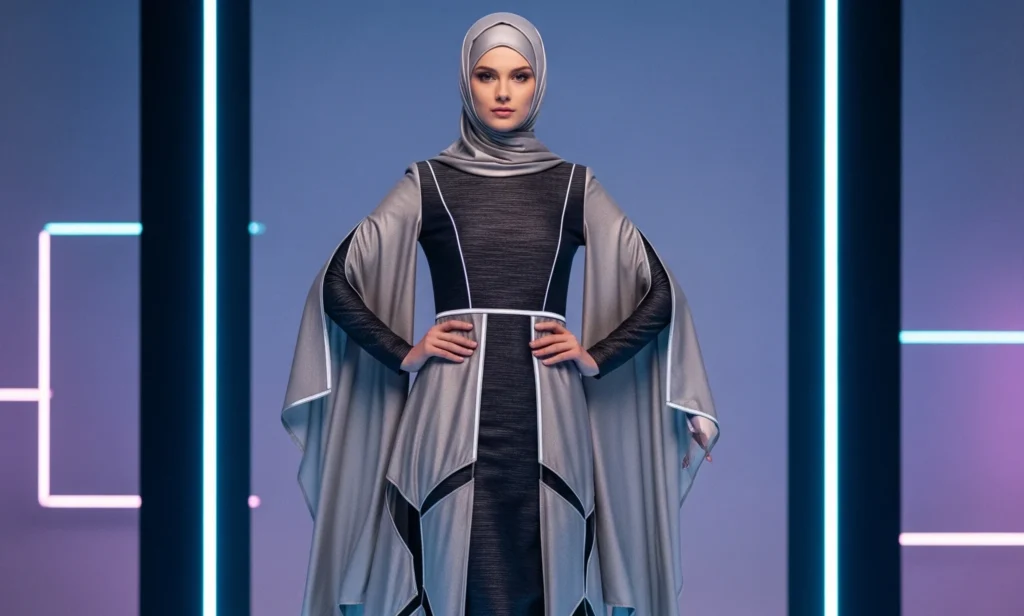
MODERN MODEST WEAR Redefining Elegance for a Global Audience By Zulaikha Bi As a woman who has always loved fashion, I’ve often found myself navigating a delicate balance: wanting to feel elegant, empowered, and current, while staying true to a sense of comfort and modesty. For years, modest fashion was framed as restrictive or old-fashioned. But today, it feels like the world is finally catching up to what so many women have always known that covering up can be every bit as chic, powerful, and expressive as baring it all. What was once a niche, often misunderstood style category has grown into a global movement a new definition of elegance that transcends borders, cultures, and even generations. From Tradition to Transformation The story of modest wear is deeply rooted in heritage. Across the Middle East, South Asia, and parts of Africa, garments like abayas, kaftans, and long flowing dresses have long symbolized grace, dignity, and cultural identity. These pieces weren’t just clothing; they were statements of belonging. But today’s designers are rewriting the script. The abaya, once a symbol of quiet simplicity, now appears in geometric cuts, structured silhouettes, and playful metallics. The kaftan, a timeless favorite, is reinvented with sharp tailoring or unexpected sporty touches like zippers and drawstrings. These reinventions don’t erase tradition — they celebrate it in a way that feels modern and global. It’s fashion as a dialogue: between past and present, local and international, heritage and innovation. The Global Appeal The numbers speak for themselves: the modest fashion industry is worth billions and growing rapidly. Fashion weeks in London, Dubai, and Istanbul now dedicate entire platforms to it.  Luxury houses like Dolce & Gabbana, Gucci, and Oscar de la Renta have tested the waters with modest-friendly collections, while independent designers from Indonesia to Turkey are building global communities of loyal shoppers. The appeal goes far beyond cultural or religious affiliation. Many women in Western markets are drawn to the sophistication of looser cuts, the artistry of layering, and the confidence that comes with clothing that doesn’t need to reveal skin to make a statement. Modest wear is no longer an “alternative” it’s becoming a core part of the mainstream fashion conversation. Why It Matters Fashion has always been about more than fabric. It’s about identity, belonging, and the freedom to choose how we want to be seen. The rise of modest wear is about inclusivity and diversity, giving women across the world more options to dress in ways that reflect who they are. For some, modest dressing is about faith. For others, it’s about comfort, elegance, or personal style. What unites them all is a desire to feel empowered without compromise. Styling Modest Wear Today Modern modest wear proves that “covered” doesn’t mean “conservative” in the old sense of the word. It’s versatile, bold, and endlessly creative. Workwear with authority: Pair wide-leg trousers with a sharp blazer and a silk scarf for an effortless professional look. Day-to-night elegance: A flowing kaftan cinched with a belt transforms seamlessly from brunch to evening cocktails. Event-ready abayas: Jewel-toned or metallic abayas make stunning statement pieces for weddings, galas, or cultural celebrations. The art of layering: Think turtlenecks under slip dresses, oversized shirts with maxi skirts, or tailored capes draped over chic trousers. Layering is where modest fashion truly shines, offering depth, texture, and creativity. A Future Beyond Borders With online platforms and global shipping, modest fashion brands are reaching women everywhere. The next frontier? Sustainability and innovation. Designers are already experimenting with eco-friendly fabrics, tech-driven textiles, and hybrids that blend streetwear with traditional silhouettes. The message is clear: modest wear is not a fleeting trend. It’s a fashion revolution that is here to stay and one that continues to redefine what elegance means in our world today. “Because true elegance isn’t about showing more. It’s about showing who you are with confidence, with grace, and sometimes, with less.”

Monica Puiu

Monica Puiu Grace, Passion, and the Art of Connection

Monica Puiu Grace, Passion, and the Art of Connection By Sidra Asif In the glittering world of entertainment and events, few names shine as brightly as Monica Puiu. A multi-talented artist, model, actress, and presenter, Monica has built a career defined by elegance, charisma, and a relentless pursuit of excellence. From hosting prestigious international events to gracing the screen in award-winning films, her journey is a testament to hard work, resilience, and a deep love for connecting with people. “To explain why I call Dubai ‘the best city in the world’, I have to go back to my very first visit in 2010 as a tourist. I remember switching on the TV in my hotel room and finding a news channel where every story focused on positivity, innovation, development, and achievement. It was such a refreshing difference in mentality compared to what I’d seen elsewhere. Over the past 15 years, that vision has truly become reality. I don’t think there’s another place in the world that has grown at Dubai’s pace, and that’s thanks to the extraordinary leadership of the UAE. Their vision and ability to turn ideas into reality have elevated every sector, private and public alike. Here, people strive to be the best versions of themselves. The work culture values effort, commitment, and human relationships, which allows things to run at the highest standards. The drive for excellence is everywhere, from the architecture and infrastructure to the cleanliness, safety, hospitality, and world-class services. On a personal note, I’ve met some truly wonderful people here, and every time I return from my travels, I feel blessed to come back. Professionally, working alongside the best inspires me to raise my own standards and continuously grow.” “For me, versatility is actually a core part of my personal brand. Whether I’m hosting a high-profile luxury event, acting in a music video, or appearing in an award-winning film, the common thread is presence, professionalism, and authenticity. I approach each role with the same attention to detail and passion for connecting with people. I believe that a strong personal brand isn’t about limiting yourself to one box, it’s about being consistent in the quality of your work, the way you carry yourself, and the relationships you build. That consistency is what allows me to move seamlessly between different roles while still being instantly recognizable for my style, energy, and commitment.” “It was truly an honor and a moment I’ll never forget. As I stood there preparing to introduce H.E. Dr. Sultan Ahmed Al Jaber at the ‘Make it in the Emirates’ forum, I felt an immense sense of pride, not only for representing such a prestigious event but also for the journey that had brought me to that stage. I thought about the years of work, the countless events, and the passion I’ve poured into my craft. In that moment, I wasn’t just a presenter, I was part of a bigger story about vision, innovation, and excellence in the UAE. I wanted to deliver my words with the same grace and respect that the occasion and the guest deserved. It was a mixture of gratitude, focus, and quiet joy.” “For me, truly engaging an audience starts with authenticity. Whether on stage or on camera, people can feel when you’re genuinely present with them. I combine that with warmth, elegance, and energy, so my audience feels both inspired and comfortable. Another key ingredient is connection, you’re not just speaking to people, you’re speaking with them. That means reading the room, adjusting your tone, and making every person feel part of the moment. And finally, preparation and professionalism are essential. When you know your material and you’re confident in your delivery, it frees you to focus on creating that magic where everyone feels seen and uplifted.” “For me, hosting is about more than just presenting, it’s about creating an atmosphere where people feel inspired to come together for a purpose. With charity galas, the goal is to connect hearts as much as it is to raise funds. I envision using my skills to tell the stories that matter, to give a voice to those in need and make the cause feel real and urgent for the audience. By combining elegance, energy, and empathy, I can help create events that are not only memorable but truly transformative. I believe when people are moved emotionally, they’re far more likely to take action, and that’s where real impact begins.” “I do believe every passion has its right time to step into the light. If the perfect project came along, one that aligned with my values and allowed me to blend music with storytelling or a meaningful cause, I would absolutely consider sharing that side of myself with the public. Until then, it remains a very personal source of inspiration and creativity that enriches everything else I do.” “Dubai has taught me that excellence is a habit, not a moment. In a city that moves at such an extraordinary pace and holds itself to the highest standards, I’ve learned the importance of constantly evolving, both personally and professionally. The most transformative experience has been working alongside people and brands at the very top of their fields. It pushes you to raise your own bar, to prepare meticulously, and to deliver with grace under pressure. Beyond the skills, it’s also taught me resilience, adaptability, and the power of building genuine relationships. Dubai has shown me that when you combine hard work with passion and integrity, opportunities don’t just appear, you create them.” >Monica Puiu’s journey is far from over. With her boundless energy, talent, and drive to inspire others, she continues to carve out a space where elegance meets purpose. Whether dazzling audiences on stage, lending her voice to meaningful causes, or quietly nurturing her private passions, Monica embodies the spirit of a true artist, one who doesn’t just perform but transforms every moment into something unforgettable.

Lokah Chapter 1 Chandra - A Superhero Triumph

Lokah Chapter 1 Chandra A Superhero Triumph

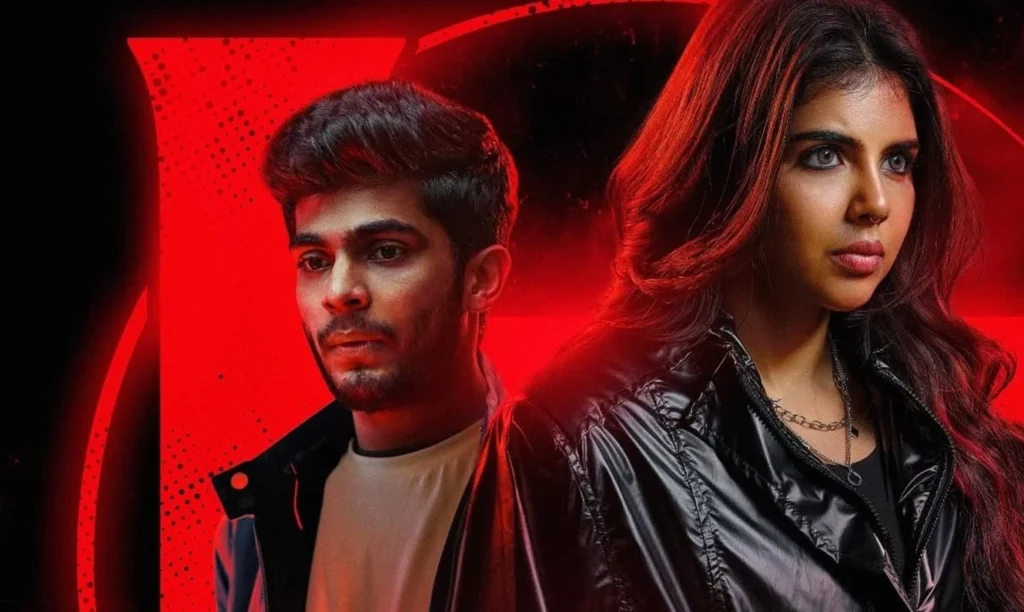
Lokah Chapter 1 Chandra A Superhero Triumph By Peter Davis Indian cinema has long aspired to craft a superhero saga that resonates not only with local audiences but also with the global stage. With Lokah Chapter 1: Chandra, that dream finally comes alive. Directed by Dominic Arun and led by Kalyani Priyadarshan and Naslen, the film delivers what many big-budget productions promised but couldn’t fully achieve. This is a superhero story rooted in folklore, enriched by layered writing, and powered by sincere performances. A Marvel Rooted in Folklore Unlike many spectacle-driven films that lean on scale without soul, Lokah marries visual grandeur with heartfelt storytelling. The magnificence extends beyond the CGI and action set pieces, weaving in cultural authenticity, emotional depth, and meaningful themes. It is not just a superhero movie, it is a cultural reimagination of myth meeting the modern world. Superpowered, Soulful Performance Kalyani Priyadarshan shines as Chandra, a centuries-old spirit who has lived among humans in disguise. Her performance is both fierce and tender, commanding the screen with presence and vulnerability. Naslen, playing Sunny, brings comic relief and innocence, creating a bond that humanizes Chandra while lightening the tone. The antagonist, portrayed with menace and conviction, adds real-world stakes to the fantastical narrative, making the conflict feel urgent and grounded. A Visual Vocabulary That Delivers The visual design of Lokah is nothing short of mesmerizing. From vibrant neon cityscapes to star-studded skies and haunting night sequences, the cinematography and production design immerse viewers into a world that feels familiar yet otherworldly. The action choreography and music add rhythm and fire to the story, creating a superhero universe that feels original and alive. Myth Meets the Modern, Authentically What sets Lokah apart is its ability to seamlessly integrate Kerala folklore with contemporary storytelling. Instead of leaning on surface-level iconography, the film reinterprets myth with purpose. This makes the story both inclusive for global audiences and deeply rooted in cultural identity, offering a refreshing alternative to generic fantasy tropes. Emotional Resonance and Worldbuilding Every scene in Lokah contributes to its larger universe, balancing character arcs with franchise-building ambition. The writing is thoughtful, and the pacing, though occasionally slower in the second half, builds a foundation strong enough to support future chapters. Key sequences, including Chandra’s origin and the interval block, deliver goosebumps and emotional weight, proving that spectacle can coexist with sincerity. Technical Triumph with Minor Hiccups The technical team deserves equal credit. The music score elevates the film’s grandeur, while the production design and visual effects rival some of the best in the genre. While there are moments where the story lingers too long on setup, these are minor quibbles in an otherwise ambitious and confident debut chapter. Lokah Chapter 1: Chandra is not just a film, it is a milestone for Indian cinema. It redefines what a homegrown superhero movie can be, combining myth, emotion, and spectacle into a package that is both culturally resonant and globally appealing. Where other films faltered in balancing worldbuilding with storytelling, Lokah succeeds with remarkable grace. This is India’s finest superhero film to date, and it sets the stage for a cinematic universe that the world should be ready to embrace.

Mayfair Witches

Review: Mayfair Witches A Spell That Nearly Stuns (Score: 9/10)

Review: Mayfair Witches, A Spell That Nearly Stuns Score: 9/10 By Jane Stevens The show creates a rich, Gothic atmosphere, it draws you into the Mayfair legacy, the Southern setting, the hidden magic, the family secrets, the supernatural feels slow-burn, layered, with teasing clues rather than instant jump scares, the pacing gives space for mystery, letting the strange and uncanny settle in, there is an elegance to how magic is introduced little by little so that when transformations or supernatural moments happen they have weight. The shapeshifting, the demonic presence of Lasher, the ancestral witchly power, these are handled quite impressively, while some reviews complain that the horror or magical effects are not as flashy or traditional, there is power in restraint, when Rowan’s powers manifest, when things shift and change, those moments land because the groundwork is there.  Alexandra Daddario as Rowan Fielding carries much of the emotional burden, her conflicts, doubts, fear, and growing power are believable and compelling, the supporting cast adds texture, family dynamics, betrayals, and secrets all combine to make character arcs meaningful. There are several strong emotional beats, discovering heritage, confronting family sins, fear of one’s own power, dialogue at its best captures internal conflict, moral ambiguity, and the pain of legacy, scenes where Rowan must confront both external threat and internal transformation are standout.  The transformation of Lasher into a human in Season 2, the tensions of power, the legacy burdens, these plot points raise the stakes, they force Rowan to face not just supernatural enemies, but her own values, relationships, and identity.  Sometimes the show drags, some plot threads feel slow or under-developed, for viewers not deeply familiar with Anne Rice’s lore, or who prefer more immediate clarity, this can be frustrating, as with many adaptations some of the source material is changed, simplified, or reinterpreted, that will bother purists, character motivations, certain relationships, key events may not align with the books, some critics feel the show lacks the stylistic punch or striking visuals that might elevate it beyond good supernatural drama, the horror isn’t always visceral, effects aren’t always awe-inspiring.  Despite its flaws, Mayfair Witches succeeds impressively in areas that many similar supernatural dramas only aspire to, emotional resonance, the sense of real transformation, mystery, and gothic richness, it doesn’t rely heavily on traditional horror tropes like jump scares or overt gore, but the threat, the magic, and the character changes are powerful nonetheless, it keeps you glued not only by what’s happening, but by who’s grappling with it, how it changes them, and the secrets that unfold. For me this deserves a solid 9/10, those emotional arcs and transformations are more compelling than flash, with slightly better pacing or more consistent visual style, it could have been a full 10/10.

“Alice in Borderland”

“Alice in Borderland” Season 4: The Game Continues? MAGNAV Exclusive

“Alice in Borderland” Season 4: The Game Continues? MAGNAV Exclusive By Tim Siddle Tokyo, Japan – Fans of the high-stakes, mind-bending thriller “Alice in Borderland” have been on the edge of their seats since the explosive conclusion of Season 2, which saw Arisu, Usagi, and their fellow survivors seemingly escape the treacherous games and return to the real world. Now, whispers and speculation are growing louder regarding a potential Season 4, leaving many wondering if the game truly ever ends. While Netflix has yet to make an official announcement, the fervor among the global fanbase is undeniable. The adaptation of Haro Aso’s manga has garnered critical acclaim for its gripping narrative, complex characters, and breathtaking action sequences. The show’s unique blend of survival horror and psychological drama has created a dedicated following eager for more. What We Know (and Don’t Know) Season 2 concluded with a tantalizing hint – a playing card, the Joker, left on a table. This single image has fueled countless fan theories. In the original manga, the Joker card represents the Gamemaster, a figure who oversees the games. Its appearance could signify that the players’ return to reality was merely another illusion, or perhaps a new, even more insidious game is about to begin. Could the “real world” itself be the ultimate Borderland? Furthermore, the manga provides additional material beyond the events covered in Season 2. While the live-action series has taken some liberties with the source material, there’s still a rich well of narratives to draw from if the creators choose to expand the story. The Cast’s Perspective Actors Kento Yamazaki (Arisu) and Tao Tsuchiya (Usagi) have expressed their deep connection to the series and its characters in previous interviews, but have remained tight-lipped about future seasons. Their commitment to the physically demanding roles has been a cornerstone of the show’s success. Fans are undoubtedly hoping to see their beloved duo reunite to face whatever challenges lie ahead. The Impact of “Alice in Borderland” Beyond its thrilling plot, “Alice in Borderland” has resonated with audiences by exploring profound themes of life, death, and the will to survive. The intricate puzzles and brutal consequences of the games force characters (and viewers) to confront their deepest fears and motivations. The show’s success has also contributed to the global popularity of Japanese live-action adaptations, paving the way for more international attention on East Asian productions. For now, fans can only wait with bated breath for an official word from Netflix. The possibilities for a Season 4 are as vast and unpredictable as the games themselves. Will Arisu and Usagi be forced back into the Borderland? Will they discover a new layer to the mysterious world they thought they escaped? Or will the Joker card unleash an entirely new challenge, blurring the lines between reality and game even further? One thing is certain: if “Alice in Borderland” does return for a fourth season, it will undoubtedly deliver the same heart-pounding suspense and intellectual challenges that have made it a global phenomenon. Keep your eyes peeled, MagNav readers – the next game might be just around the corner.

The Weight of Redemption 55 (2025)

The Weight of Redemption 55 (2025) Offers a Visceral Study of Humanity Lost and Found (Review)

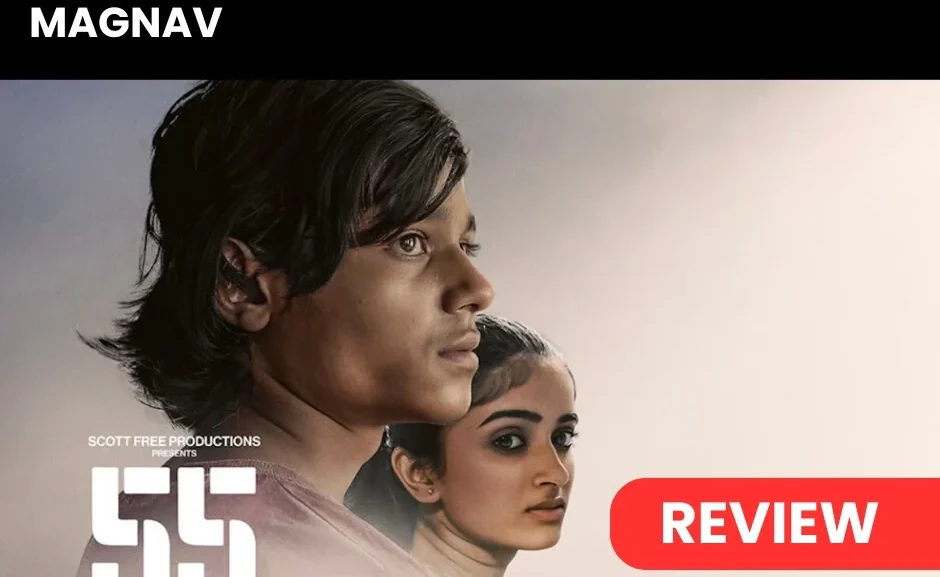
The Weight of Redemption 55 (2025) Offers a Visceral Study of Humanity Lost and Found (Review) In a year saturated with glossy, transient blockbusters, the arrival of 55 (2025) is less a premiere and more an essential intervention. This Indian-American crime thriller, set against the breathtakingly complex backdrop of Mumbai, is not merely a film; it is a profound meditation on moral debt and the enduring cost of grace. It achieves a level of emotional complexity that, frankly, Indian cinema has been missing, delivering a narrative of consequence that demands introspection rather than mere escapism. Director crafts a narrative around a young protagonist whose life exists in the shadows: a teenage pickpocket whose professional detachment is shattered by a single, seismic encounter. After a routine theft, the boy is confronted not by police or fury, but by the quiet grief of the victim’s daughter. This confrontation is the film’s moral anchor, wrenching the protagonist from his transactional existence and plunging him into a spiral of consuming guilt and painful self-discovery. The cinematography captures the duality of Mumbai—its relentless energy juxtaposed with the stifling isolation of the soul—perfectly reflecting the pickpocket’s internal crisis. What elevates 55 beyond a standard redemption arc is its unyielding focus on the theme of radical humanity. The film poses a vital, timeless question: How does one manage to remain human when circumstance or survival has necessitated brutality? The answers are delivered not through grand pronouncements, but through devastating acts of self-effacement. The film powerfully showcases the reality that true second chances often require monumental sacrifice, a sacrifice so absolute that one person surrenders their whole life just to offer another the opportunity to live. The emotional core of the film is the burden of this gift. The third act is a masterful exploration of the weight placed upon the recipient: the obligation to honor that irreversible compromise every single day. The protagonist’s journey, post-redemption, becomes a quiet, agonizing commitment to a life he did not earn but was granted through the ultimate cost. This is not a neat, happy ending, but a complex, enduring human arrangement, a powerful reminder that life can indeed offer returns, but they are seldom free. In an era where much of youth cinema seems consumed by fleeting trends and superficial spectacle, the kind of noise that propels films like the recent Siyara into the zeitgeist, 55 resonates with the texture of real stories. This Indian-American production cuts through the cinematic chatter to remind us of the high-stakes moral drama inherent in daily life. It is an extraordinary work that reclaims narrative sincerity, positioning itself not just as a superb crime thriller, but as a vital piece of storytelling that offers a genuine path toward understanding the complexity of sacrifice, guilt, and the hard-won dignity of redemption. It is a film that audiences, particularly a generation hungry for authenticity beyond the flash, must seek out.

Mohamed Attal

Mohamed Attal Dreaming Wildly, Filming Boldly A New Voice in Arab Cinema

Mohamed Attal Dreaming Wildly, Filming Boldly A New Voice in Arab Cinema By Afef Yousfi In a world where storytelling is evolving faster than ever, Mohamed Attal (محمد عتال) stands out as a visionary Arab filmmaker reshaping digital content through authenticity, innovation, and cultural depth. Born and raised in Dubai, Attal’s creative journey has taken him from childhood poetry to high-impact films with millions of views. In an exclusive conversation with Magnav International Magazine, he shared the story behind his rise, the inspiration drawn from his homeland, and how he’s bringing the Arab world to global screens, one film at a time. Born in the United Arab Emirates, Attal grew up in a household and society that valued education and knowledge. His early exposure to reading, writing, and poetry competitions at just 12 years old gave him a foundation in language and expression that naturally evolved into cinematic storytelling. He credits the UAE’s rapid development, and the enduring legacy of Sheikh Zayed, may he rest in peace, as pivotal in shaping both his creative vision and personal values. Inspired to give back to his community, Attal views film as a vehicle for sharing meaningful human messages and stories that inspire change. A career-defining moment came with the launch of his viral hit, the fiveoneshow. The series, which brought together nine of the Arab world’s most recognized influencers, was a groundbreaking project released on social media platforms. Attal directed and starred in the show himself, a dual challenge he embraced fully. After over a year of planning, the show premiered with a red-carpet screening in Dubai and quickly went viral, amassing more than 100 million views within just 15 days of Ramadan. This success catapulted his name into the regional spotlight and marked him as a creative force to be reckoned with. Building on that momentum, Attal continued pushing boundaries with his most recent cinematic project: a film about Jordan. Visually inspired by the epic tone of Dune and rooted in Arab history, the Jordan film was part of his well-received “Let’s Travel and Make a Film” series. It became his longest and most ambitious film to date, both in terms of production quality and emotional impact. With a sixth installment on the way, Attal shows no signs of slowing down. His goal? To raise the standard for Arab cinema in the digital space and present stories that combine cinematic scale with social media accessibility. Attal’s vision has always been clear, build a respected name in the Arab world and then expand globally. He’s already taken the first steps in this direction by subtitling his films, a move that allows non-Arab audiences to connect with the deeper meanings of his work. His ultimate ambition is to be known as one of the leading filmmakers from the Arab world and bring its stories, cultures, and values to the international stage. Much of his creative strength comes from growing up in Dubai, a city known for its unmatched cultural diversity. Exposure to various traditions, languages, and ways of life from a young age gave Attal a deep understanding of how to tell stories that resonate across borders. His films often touch on different civilizations and feature dialogues in multiple languages, a direct reflection of the multicultural society he was raised in. He also praises the UAE’s role in nurturing the creative arts. For Attal, the UAE isn’t just keeping pace with global development, it is development. With media, marketing, and artistic campaigns gaining ground, the country has become a magnet for talent and opportunity. He believes the UAE’s media sector has created a unique ecosystem that allows creators like himself to thrive, share their work widely, and influence the regional and global scene. Despite these opportunities, Attal is transparent about the challenges he continues to face, chief among them being funding and recognition. The film industry is an expensive one, and for young creatives, securing the financial resources needed to realize ambitious projects can be difficult. He also points to the underrepresentation of Arab cinema on the global stage as a pressing issue. But rather than letting this discourage him, he is more determined than ever to spotlight Arab stories and elevate the region’s filmmaking industry to the level it truly deserves. As the interview concluded, Attal offered words of encouragement to creatives everywhere. He reminded aspiring filmmakers and dreamers to believe in themselves no matter what obstacles they face. To him, the most powerful tool anyone can possess is knowledge. “Keep learning every day,” he says. “Because knowledge has always been the fuel that powers our world. The more we learn, the more we grow, and the more our minds and souls thrive.” Mohamed Attal is not just a filmmaker, he’s a cultural voice for the new Arab generation. His work bridges the past and future, the local and global, the poetic and the cinematic. With his bold vision, relentless drive, and unshakable belief in the power of stories, he’s well on his way to becoming a global name in cinema, one that proudly carries the essence of the Arab world. Follow his journey on Instagram: @mohdatal Watch his films on YouTube: youtube.com/@mohdatal “Cinema is my way of giving back, it’s how I tell stories that inspire, educate, and reflect the soul of our Arab identity.” — Mohamed Attal “Growing up in Dubai taught me that creativity has no borders. I want to make films that speak to the world, without ever losing sight of where I come from.” — Mohamed Attal

K-Drama Takeover

K-Drama Takeover How South Korea’s Cultural Exports Are Dominating Global Screens

K-Drama Takeover How South Korea’s Cultural Exports Are Dominating Global Screens By Sidra Asif South Korean dramas, or K-dramas, have rapidly evolved from niche regional content into a global cultural force. What began as a modest form of entertainment within South Korea has become a multibillion-dollar phenomenon, reshaping global entertainment and influencing everything from fashion and beauty to cuisine and tourism. The appeal of K-dramas now spans continents, languages, and demographics, underscoring the profound cultural and economic impact of South Korea’s soft power. One of the biggest endorsements of this growing wave comes from Netflix, which has heavily invested in Korean content. Co-CEO Ted Sarandos revealed that “more than 60% of Netflix’s 270 million subscribers have watched at least one Korean film or series,” amounting to over 162 million viewers globally. To capitalize on this momentum, Netflix has pledged a $2.5 billion investment in South Korea’s entertainment industry over the next four years. This is double what it spent from 2016 to 2022 and will fund a variety of productions, including dramas, films, and unscripted content. “South Korea now ranks among the top five content-producing countries for Netflix globally,” joining the ranks of the U.S., U.K., India, and Spain. The foundation of this global phenomenon is rooted in decades of cultural development. K-dramas trace their origins back to 1962, when the first television drama aired in South Korea. Early content, produced by public broadcasters like KBS and MBC, was grounded in Confucian values and family-oriented storytelling. These dramas helped foster a sense of national identity and unity during South Korea’s post-war rebuilding years. In the late 1990s and early 2000s, the South Korean government began to see culture as an exportable commodity. As part of the “Hallyu” or Korean Wave strategy, the Ministry of Culture, Sports, and Tourism funneled millions into the creative industries. This included subsidies, public-private partnerships, and global outreach initiatives. The goal was clear: “to enhance South Korea’s global image and economic standing through cultural soft power.” The international rise of K-dramas accelerated in the 2010s with the global proliferation of streaming platforms. Services like Viki, DramaFever, Disney+, Amazon Prime, and especially Netflix made Korean content easily accessible worldwide. High production values, multilingual subtitles, and genre-blending narratives allowed K-dramas to transcend linguistic and cultural boundaries. The COVID-19 pandemic further fueled this trend. Global audiences, confined at home, turned to Korean series such as Crash Landing on You, Itaewon Class, Kingdom, and It’s Okay to Not Be Okay for emotional connection and escapism. Netflix originals like Sweet Home, All of Us Are Dead, and Squid Game reached staggering milestones. Squid Game alone amassed 111 million views in its first 28 days, becoming the most-watched Netflix series debut of all time. The global obsession with K-dramas can be attributed to several key factors. First, their “emotionally rich storytelling” and complex characters appeal to a broad range of viewers. Whether it’s romance, thriller, or fantasy, K-dramas masterfully blend genres, offering something for everyone. Their visual storytelling is equally compelling. Meticulous cinematography, fashionable wardrobes, and elegant styling turn each episode into a showcase of contemporary Korean aesthetics. Iconic looks from shows like My Love from the Star and Descendants of the Sun have influenced fashion trends far beyond Asia. Culturally, K-dramas resonate deeply with audiences by portraying universal themes through a distinctly Korean lens. Elements such as filial piety, communal meals, respect for elders, and personal sacrifice not only educate international viewers about Korean culture but also create emotional connections based on shared values. A particularly appealing feature for many international fans, especially women, is the portrayal of male leads. These characters often exhibit high emotional intelligence and respectful behavior, “challenging Western romantic stereotypes and offering a refreshing model of partnership.” But K-dramas are more than storytelling, they are a powerful economic engine. Their global success has created a ripple effect across several industries. The “Korean consumption effect” refers to the phenomenon where exposure to Korean content drives international demand for Korean products and experiences. The K-beauty industry, for instance, has grown to over $10.2 billion USD in 2023, thanks in large part to its frequent appearances in dramas. Similarly, Korean cuisine has seen a global surge in popularity. Traditional dishes like kimchi and bibimbap, showcased on-screen, have helped propel food exports to a record $12 billion, a 15.5% increase in just one year. Tourism has also benefited immensely. Iconic filming locations from shows such as Winter Sonata and Goblin have become pilgrimage sites for fans. In 2022, the Korea Tourism Organization noted that “over 80% of foreign visitors cited Korean pop culture as a major motivation for their trip.” Education is another area of growth. Korean language courses have seen a 50% rise in global enrollment since 2019, driven largely by fans eager to connect more deeply with their favorite content. As South Korea moves forward, it is positioning itself not just as a cultural influencer but as a major player in the global digital economy. Analysts project that the worldwide K-content industry could surpass $35 billion by 2030. The country’s success in this domain stems from a strategic combination of “state support, global collaboration, high production standards, and an intuitive grasp of audience emotions.” From Seoul to Los Angeles, from streaming platforms to skincare routines, the influence of K-dramas continues to expand. What started as localized storytelling has become a global takeover. And if current trends are any indication, South Korea’s cultural exports are not just riding a wave, they are shaping the tide.

Nayla Al Khaja The Storyteller Shaping Emirati Cinema Breaking Barriers, One Frame at a Time

Nayla Al Khaja The Storyteller Shaping Emirati Cinema Breaking Barriers, One Frame at a Time

Nayla Al Khaja The Storyteller Shaping Emirati Cinema Breaking Barriers, One Frame at a Time By Jane Stevens In the ever-evolving landscape of global cinema, Nayla Al Khaja stands out as a powerful voice from the Middle East, a pioneer, a visionary, and above all, a storyteller. As the UAE’s first female film director, she has reshaped the narrative of Emirati cinema, paving the way for new voices in a region where filmmaking was once a rarity, especially for women. With multiple award-winning films and international recognition, including releases on Netflix, Nayla continues to inspire a generation of creatives who dare to dream. Her work confronts social taboos, elevates untold stories, and brings nuanced portrayals of Arab identity to the global stage. In this exclusive feature, Nayla opens up about her personal journey, creative process, and the human stories behind the camera. At the start of her career, Nayla’s greatest challenge was being taken seriously. As a woman in a male-dominated space, she was often dismissed before she even spoke. With no role models or clear path to follow, she created her own momentum, self-funding, writing, directing, producing, doing everything until people had no choice but to take notice. Having two of her films featured on Netflix marked a breakthrough not only for herself but for Emirati cinema as a whole. It demonstrated that stories from the region, told authentically and unapologetically, could resonate with global audiences. Her hope is that her work leaves behind stories that confront taboos and spark honest conversations about identity. When Nayla is in production mode, her life becomes a marathon. She rises before dawn, juggling logistics, team dynamics, creative decisions, and emotional performances, all while keeping her vision intact. It’s exhausting, but electrifying. There is no room for ego, only focus and adaptability. What kept her going in an industry where women were almost invisible was the knowledge that she was building something larger than herself. Every “NO” fueled her determination. The thought of future Arab women not having a voice on screen was unbearable. That is what kept her fighting. Her storytelling has evolved significantly over the years. Early in her career, her films were cautious as she searched for her voice. Over time, she stopped trying to please everyone and leaned into stories that made people uncomfortable. She began to trust silence, ambiguity, and mood. Today, her films carry deeper emotional weight, cultural tension, and cinematic confidence. While social media often shows only the glamorous side, the moments that define her journey are deeply human. Once, during a shoot, her lead actress broke down while filming a scene that mirrored her real-life trauma. Production stopped. Nayla sat with her, and they rewrote the moment together. That scene became the most powerful in the film and reminded her that filmmaking is human work first. Of all her projects, BAAB is closest to her heart. It channels her personal experience with tinnitus, unresolved grief, and the deep bond between twins. Shot in the mountains of Ras Al Khaimah, a place rarely seen on screen, it felt like she was finally telling her story without compromise. To young Arab women dreaming of working in film, she says, you don’t need permission. Start with your phone, your voice, your truth. Learn to be resourceful and resilient. This industry won’t always welcome you, but your story is your superpower. Tell it, even when it’s hard ,especially when it’s hard. Nayla never dilutes culture to appeal to international audiences. She shows it as it is, with all its contradictions. Her approach uses grounded, specific storytelling framed through universal emotions like love, loss, and fear, bridging local authenticity with global relatability. Currently, she is in post-production on BAAB, a dark fantasy rooted in Emirati myth, with music composed by the legendary A.R. Rahman. She is also developing a new series, though details remain under wraps. The future feels wide open, and she is ready. A Vision Beyond the Frame Nayla Al Khaja is not only a trailblazer for women in the Arab world, she is a force of creative revolution. With each frame she directs, she challenges the status quo, redefines Emirati storytelling, and makes space for voices long unheard. Her journey is far from over, but her impact is already deeply etched in the narrative of Arab cinema. As Nayla continues to break boundaries and elevate regional stories to international platforms, she carries with her the hopes of a new generation of filmmakers, especially Arab women, who now dare to dream, create, and be heard.

Interactive Arts Arenas

Interactive Arts Arenas When Concerts, Installations, and Gaming Collide

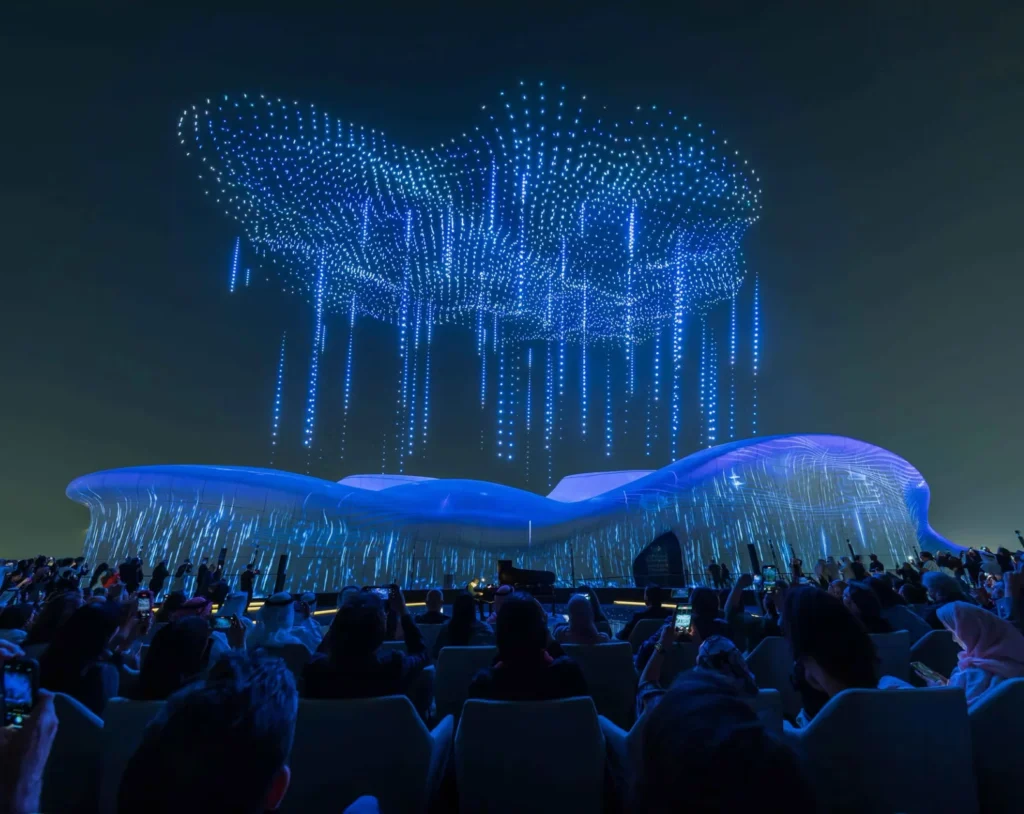
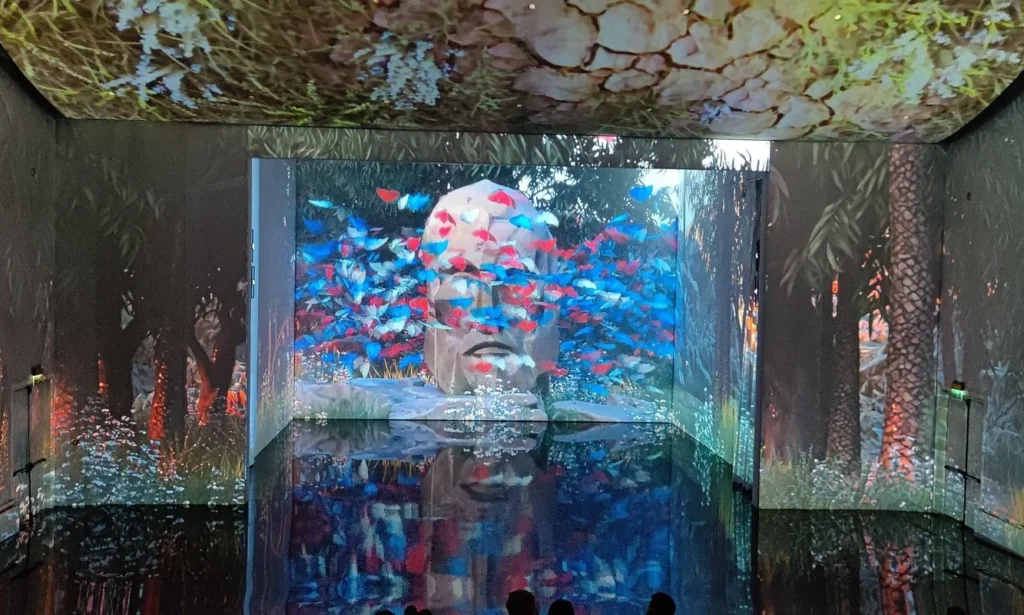
Interactive Arts Arenas When Concerts, Installations, and Gaming Collide By Hafsa Qadeer The crowd doesn’t just watch, it participates. Gone are the velvet-rope barriers of old-world entertainment. In the UAE, the stage is melting into the screen, the screen into the audience, and the audience into the art. From Alserkal Avenue to Abu Dhabi’s immersive domes, the new arena is one where concerts meet gaming, installations breathe with AI, and the line between spectator and performer blurs into pixels and participation. This is entertainment 3.0, and it’s deeply interactive. Suppose, A DJ spins under a digital sky programmed to respond to the crowd’s collective heartbeat. A holographic dancer joins an Emirati rapper mid-performance. Nearby, gamers in VR suits co-create a live narrative projected on a 360° dome, while an AI-generated orchestra swells to match their pace. We are no longer just viewers. We are the co-authors of the spectacle. The UAE’s cultural institutions are not merely adapting, they are pioneering. Expo City Dubai now moonlights as a live gameworld arena. Saadiyat Island’s future-forward performance halls are being designed with modular walls that shift with the tempo. Even Sharjah’s biennials now host playable exhibitions, soundscapes you can walk through, digital poems that answer back. At the heart of this evolution is convergence. Art meets tech. Music meets code. Theatre meets game engines. It’s not about distraction, it’s about immersion. And in a region where storytelling has always been sacred, this new format revives the majlis spirit in unexpected ways. Only now, the storytellers speak in shaders and scripts, and the guests wear headsets or hold NFC-enabled wristbands. The goal? Presence. In a world fatigued by screens and passivity, these interactive arenas remind us what it means to feel something together. The collective gasp when a projection reacts to your movement. The adrenaline rush when your decision shifts a storyline mid-play. The quiet awe when a digital dervish spins only for you. This is not just next-gen entertainment, it is emotional architecture. As boundaries dissolve between genres, mediums, and realities, the UAE finds itself uniquely positioned. With its appetite for innovation and reverence for story, the country becomes not just a host, but a heartbeat of global interactive culture. Here, art is no longer something we watch. It’s something we enter.

How the UAE Is Curating the Soul of the Internet

How the UAE Is Curating the Soul of the Internet

How the UAE Is Curating the Soul of the Internet By Hafsa Qadeer In the land where oral tradition once passed from lips by firelight, the stories have found new stages, glowing screens, social feeds, and streaming platforms. Yet the soul remains unchanged. Welcome to the UAE’s newest creative frontier: a cultural renaissance that’s not confined to books or galleries, but one that unfolds in pixels, podcasts, and poetic hashtags. This is not entertainment for entertainment’s sake. This is a nation telling its story its own way, digitally native, deeply rooted. The Rise of Neo-Majlis Media There’s a new kind of majlis emerging, not built from cushions and incense, but from comment threads and camera lenses. Young Emiratis gather not only in salons but in live streams and Twitter Spaces, where ideas swirl like cardamom in coffee. The UAE’s creators aren’t just making content, they’re reviving form. TikTok poets deliver verses in Khaleeji dialects. Filmmakers shoot on iPhones but edit like calligraphers. Even meme pages carry the cadence of folklore. In a world scrolling faster than thought, the UAE’s digital creatives offer something rare: reflection. Streaming the Story of Us What do you get when heritage meets high definition? A wave of Emirati-led productions that bring history, humor, and humanity to global screens. From period dramas set in pearl-diving villages to futuristic thrillers echoing climate anxieties, local storytelling is finding its stride. Abu Dhabi’s twofour54 and Dubai Studio City are no longer just infrastructure; they are incubators of identity. Actors trained in theater now voice characters in virtual reality. Scriptwriters consult historians before algorithms. Even gaming studios are embedding falconry, desert lore, and ghaf tree symbolism into open-world maps. This isn’t escapism. This is digital memory-making. Podcasts as the New Poetry Scroll through the UAE’s audio landscape and you’ll find voices that sound like home. Podcasts have become modern-day diwans, spaces where thinkers, artists, and comedians explore the stories beneath the skyline. One week, it’s a deep dive into Nabati verse, the next, a conversation on mental health in Arabic. These shows are archived emotion, a way for culture to breathe in earbuds and across borders. And in a region where silence often cloaks vulnerability, these conversations are a reclamation of voice. Influence with Intention In an era where virality is often mistaken for value, Emirati influencers are redefining what it means to “go viral.” Many use their platforms not for trend-chasing, but for trend-setting, promoting sustainability, preserving dialects, and spotlighting local artisans. A beauty vlogger ends every tutorial with a dua. A travel influencer maps spiritual landmarks instead of just brunch spots.  Even comedy sketches incorporate old proverbs, the laughter is always followed by a lesson. Digital Isn’t Disposable, It’s Archival Where some nations fear the digitization of culture, the UAE embraces it, with caution and care. AI is used not only to enhance content, but to preserve endangered dialects and catalog oral histories. The Ministry of Culture funds initiatives that turn family recipes into interactive apps and folk dances into motion-captured experiences. It’s not about nostalgia. It’s about ensuring that the future knows where it came from. A Soft Power, Strongly Felt The UAE understands that storytelling is powerful. Not the loud, flashy kind, but the soft power of nuance and identity. And by fusing tradition with technology, it’s creating a cultural model few nations can replicate. In the age of attention, this country has chosen intention. And perhaps that is the UAE’s greatest plot twist of all:  That in a world of filters and feeds, its truest influence lies not in the content it creates, but in the meaning it preserves.

Stage of Stories: The New Renaissance in Emirati Entertainment

The New Renaissance in Emirati Entertainment

Stage of Stories The New Renaissance in Emirati Entertainment By Hafsa Qadeer Once seen as a market for international spectacles, the UAE is now shaping its own stage, rich with narrative, nuanced with heritage, and alive with modern rhythm. Entertainment in the Emirates has entered a new chapter, rooted in identity and resonant far beyond its borders. Cinema with an Accent of Truth Emirati cinema has evolved from quiet experimentation into a voice of cultural introspection. It’s no longer about imitation, but illumination. Films like City of Life by Ali F. Mostafa, which tackled the human mosaic of Dubai, and Scales by Shahad Ameen, the first Saudi-Emirati fantasy screened at Venice Film Festival, have shattered stereotypes and stirred international interest. Director Nawaf Al Janahi, often referred to as a pioneer of UAE film, creates cinematic experiences that echo with psychological depth and social commentary. Nujoom Al Ghanem, one of the UAE’s most celebrated female filmmakers, blends poetry, memory, and oral history to craft stories that are at once personal and political. What unites them is not just technique, but truth. Their work does not shy away from contradictions. It leans into them, mirroring a society where ancient traditions meet rapid urban transformation. The Festival Fever Cultural festivals in the UAE have expanded from seasonal gatherings into full-blown ecosystems that foster creative talent and community dialogue. The Sharjah Fringe Festival, the first of its kind in the region, brings international street performers, musicians, and comedians into the heart of the cultural capital, engaging families and youth alike. Meanwhile, the Mother of the Nation Festival in Abu Dhabi blurs the lines between entertainment, wellness, and social innovation. With zones dedicated to art installations, poetry, comedy, and local entrepreneurship, it reflects the UAE’s multidimensional identity. At Al Dhafra Festival, traditional competitions like camel beauty pageants are placed alongside live music and Bedouin storytelling, proving that authenticity still draws a crowd. These aren’t events built only for tourists; they are mirrors for a nation in motion. Digital Performers, Real Roots The digital stage is now as vital as any concert hall. Emirati content creators are not just entertaining, they’re archiving culture in real time. TikTok performers act out family skits in Gulf dialects. YouTube comedians like Khalid Al Ameri use satire to reflect generational shifts, often addressing themes of marriage, social etiquette, or cultural pride. Even influencers, decked in kanduras or abayas, lip-sync to Khaliji pop, perform comedic monologues about Ramadan, or vlog from falconry centers. Their followers span continents, but their content remains unmistakably local. Because in this renaissance, being rooted is the new relevance. And the UAE, once a consumer of global culture, is now one of its most creative contributors.

Emirati Beats Resonate Globally

Emirati Beats Resonate Globally

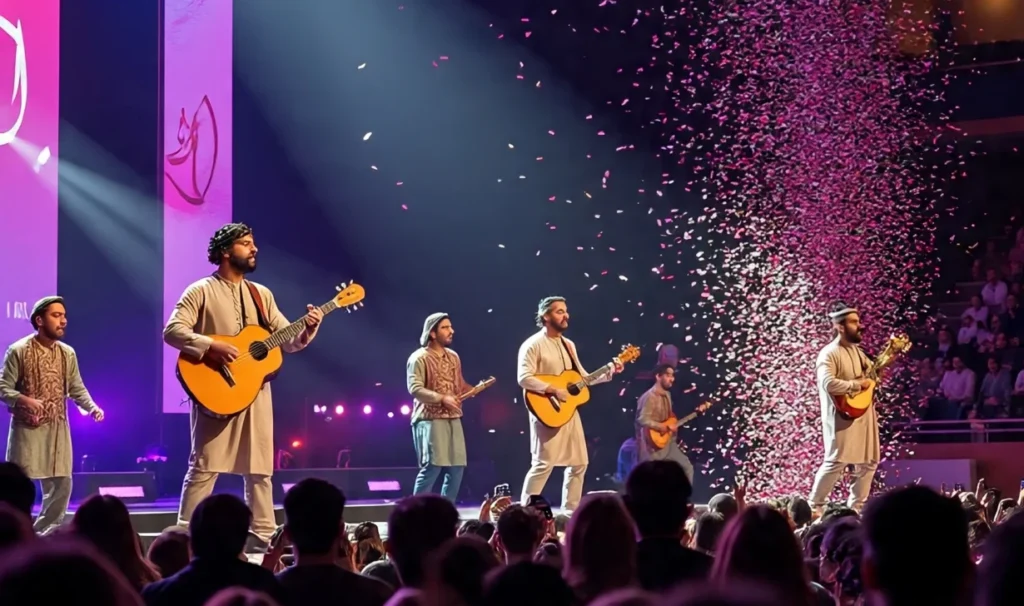
Emirati Beats Resonate Globally By Desk Reporter Dubai’s entertainment scene is pulsating in 2025, with the inaugural Emirates Music Festival at Dubai Media City Amphitheatre showcasing local talent. Emirati artist Hamdan Al Maktoum, known as Desert Echo, captivated 20,000 fans with his blend of khaleeji rhythms and electronic beats. His chart-topping single Horizon, inspired by the UAE’s deserts and skyscrapers, weaves oud melodies with modern synths, embodying the nation’s cultural fusion. The festival’s energy reflects Dubai’s ambition to become a global entertainment powerhouse. Backed by the Department of Culture and Tourism, the festival incorporated virtual reality concerts, allowing global audiences to experience the event via the metaverse. This tech-forward approach, paired with new studios in Dubai Production City, is nurturing Emirati artists while attracting international performers. Young locals and expats alike filled the amphitheater, dancing to music that bridges tradition and innovation. Dubai’s investment in creative platforms ensures its cultural influence extends far beyond its borders, amplifying the UAE’s voice on the world stage.

Khaleeji Trap and Podcast

Khaleeji Trap and Podcast Renaissance Identity in Sound

Khaleeji Trap & Podcast Renaissance Identity in Sound By Hafsa Qadeer It begins with a beat. A slow, low hum laced with oud samples and a hint of auto-tune. Then comes the voice, half Arabic, half English, fully rooted in the Gulf. This is not just music. It’s a movement. Across the UAE and its sister states, Khaleeji Trap has erupted from underground playlists into cultural currency. It’s a sound stitched from contradictions, ancestral rhythms layered with synths, verses that glide between dialect and diaspora. More than sonic fusion, it’s the language of a generation negotiating heritage and modernity, past and platform. And they’re not just rapping. They’re podcasting. From the souqs of Sharjah to studios in Alserkal, a renaissance is underway, bilingual podcasts that dissect identity, comedy series that blur satire and sociology, and deep-dive interviews where creators unravel what it means to be Khaleeji in a hyperconnected, hyper-curated world. It’s sound, yes. But it’s also self-definition. In this new audio frontier, platforms are stages. Spotify charts feature Emirati rappers who once uploaded demos on Telegram. Apple Podcasts recommends Gulf hosts once told their voices weren’t “marketable.” TikTok, ironically, has become the place where long-form thoughts first go viral, one clipped mic at a time. What distinguishes this renaissance is its rootedness. The artists don’t mimic Western flows, they morph them. A track might open with the maqam of a Nabati poem, then dive into trap drums. A podcast episode might feature a mother’s folk song alongside a debate about Gulf futurism. Sound is no longer background. It’s a battleground for belonging. And the youth are curating their identities one track, one episode at a time. In Dubai’s music studios and Riyadh’s coffee podcasters’ corners, Khaleeji creatives aren’t just shaping a trend. They’re archiving emotion. Displacement, pride, love, rebellion, all wrapped in verses and voice memos. Some drop EPs. Others drop truth bombs in 15-minute rants. There’s an urgency here. Not just to be heard, but to define who gets to narrate the region’s story. This is not mimicry. This is a reclamation of rhythm. The Gulf’s youth aren’t waiting to be invited to global stages. They’re building their own, with beats, bandwidth, and a mic. And the world is finally listening.

Creative Awakening Art

The UAE’s Creative Awakening Art with a Global Pulse

The UAE’s Creative Awakening Art with a Global Pulse By Desk Reporter The arts scene in the UAE has transformed from niche to international, attracting creatives from every corner of the globe. Once considered a commercial capital, the Emirates are now carving out a reputation for culture. Events like Art Dubai, which hosted over 100 galleries from 40 countries in 2024, are turning the spotlight onto both established and emerging voices in visual arts. Meanwhile, the Sharjah Biennial, known for its intellectual depth, continues to earn global praise for championing non-Western perspectives in contemporary art. The growth extends to music, film, and digital media. Platforms like the Dubai International Film Festival and Abu Dhabi’s warehouse421 have given local storytellers a place to shine. Indie filmmakers now explore bold themes, often blending Arabic narrative with global cinematic styles. Virtual galleries and NFT exhibitions are also growing in popularity, making the Emirates a unique blend of ancient storytelling and modern platforms. As creative freedom grows, so does the UAE’s cultural footprint. It is proving to be not just a marketplace but a maker of meaning.