MAGNAV Emirates

Business and Finance

Mardi Stark Shamsi

Mardi Stark Shamsi Bringing Homemade Warmth to the UAE with Cookie Connection

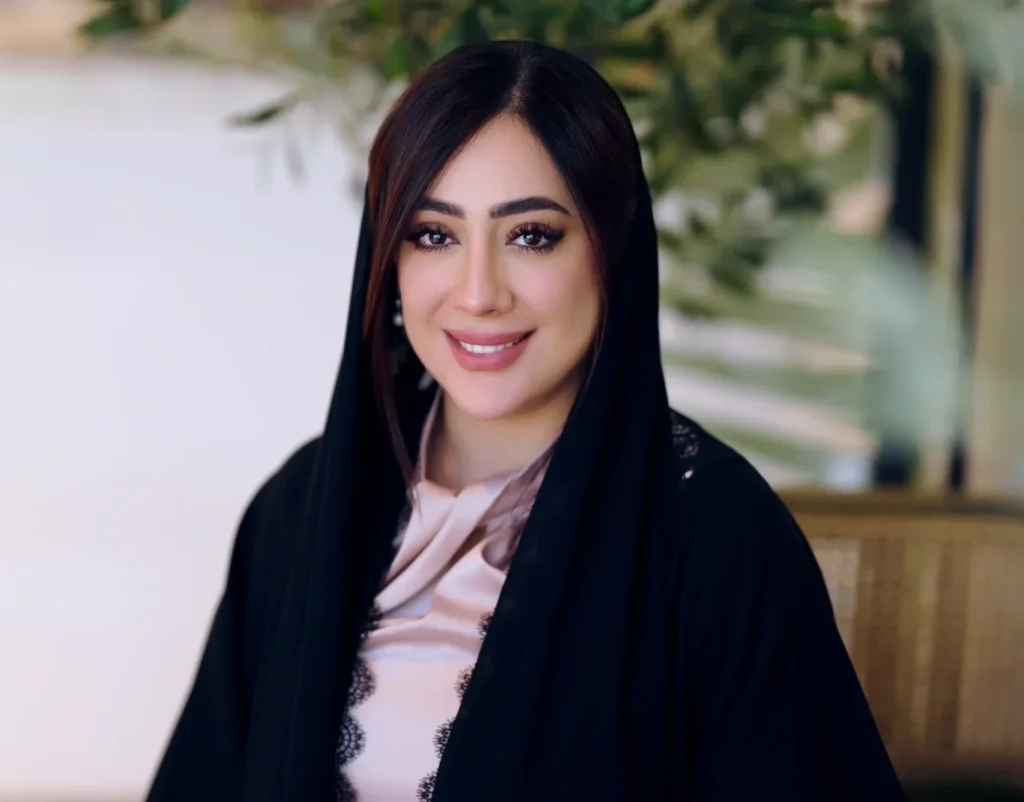
Mardi Stark ShamsiBringing Homemade Warmth to the UAE with Cookie Connection By Jane Stevens In the bustling dessert scene of the UAE, one brand has carved out its place not by scaling quickly or going commercial, but by staying true to the art of homemade baking. Cookie Connection, founded by Mardi Stark-Shamsi, is more than a sweet indulgence—it’s a story of passion, resilience, and community. Balancing a full-time career, motherhood, and a Master’s degree in Healthcare Management, Mardi never set out to become a business owner. For her, baking started as a form of therapy, a way to unwind after long days at work. “I never imagined it would grow into a business,” she admits. But as her cookies began making their way into the homes of friends, neighbors, and eventually strangers, Cookie Connection was born. What sets Cookie Connection apart is Mardi’s steadfast commitment to keeping her products homemade. Every cookie is hand-weighed, baked, and perfected with the same care she would give to treats made for her children or friends. She refuses to trade that personal touch for mass production, even if it means growing slowly. “The little imperfections, the gooey centers, the uneven chocolate chunks are what make them special,” she says. Those homemade cookies also tell a bigger story: one of culture and creativity. Having lived in the UAE for 25 years, Mardi naturally draws inspiration from local flavors. Ingredients like saffron, cardamom, and dates find their way into her recipes, offering a nod to the traditions of the region while surprising customers with fresh interpretations. For her, the process is intuitive: “I let the flavors lead me. Sometimes it works, sometimes it doesn’t, but when it does, it’s magic.” The journey hasn’t been without challenges. Time, above all, was her greatest hurdle. Between raising four children, a demanding career, and orders piling up, there were nights when she baked until 1 a.m. to keep her promises to customers. Logistics, food safety regulations, and the self-doubt that comes with scaling only added to the weight. Yet, messages from customers, “These cookies made my day” kept her going. “My advice to anyone starting out is don’t wait until you’re 100% ready. You never will be. Start small, keep learning, and let your passion carry you.” Mardi’s deep connection to the UAE community is woven through every part of Cookie Connection. Her first customers came through word of mouth, and she continues to see the brand grow through the country’s culture of sharing food and hospitality. Looking forward, she envisions giving back through collaborations with local cafés, community events, and one day mentoring women who want to create something of their own. Innovation remains part of her brand’s DNA, though always grounded in authenticity. Oversized gooey-filled cookies and mini dipping boxes have become fan favorites, but new creations are constantly in the works. Her rule is simple: Would I proudly serve this at my own table? If the answer is yes, it earns a place on the Cookie Connection menu. As for the future, Mardi doesn’t see herself chasing after the title of “big brand.” Instead, she imagines thoughtful growth: perhaps a cozy café, more collaborations with coffee shops, and eventually, workshops or even a cookbook. What she won’t compromise on is the heart of Cookie Connection, the homemade feel that customers have come to love. Cookie Connection is more than just a bakery, it’s a reflection of Mardi Stark-Shamsi’s life, values, and community. From late-night baking sessions to oversized gooey creations infused with local flavors, her cookies carry the warmth of home and the resilience of a woman balancing it all. In every bite, there’s a story of tradition, creativity, and love, a reminder that sometimes, the sweetest success comes not from mass production, but from staying true to your heart.

Redefining Insurance with Reem Al Falasi, the UAE’s Youngest Insurance Trailblazer

Redefining Insurance with Reem Al Falasi, the UAE’s Youngest Insurance Trailblazer

Beyond Premiums Redefining Insurance with Reem Al Falasi, the UAE’s Youngest Insurance Trailblazer By Peter Davis Life is unpredictable, and with it comes risk. It is only natural to seek protection, a truth that history has shown in many forms, from weapons to financial safety nets. Today, insurance stands as one of the most powerful tools for safeguarding against uncertainty. But is it truly the modern-day answer to all risks and dangers? To explore this question, MAGNAV sat down with Reem Al Falasi, a rising force in the UAE’s insurance industry. Reem’s story is unusual; she quite literally grew up in insurance. Straight out of high school, she joined Liva Insurance, while most of her peers were still unsure about their paths. What drove such a bold decision at such a young age? Reem had already calculated her future. She realised that completing a four-year degree without experience would leave her with little competitive edge at 21. So, in the summer of her final school year, she took a job to gain a taste of real working life. That step changed everything. By autumn, she was enrolled in a bachelor’s degree in Finance at the Higher Colleges of Technology, determined to balance both work and study. Her routine was relentless. Mornings were spent engaging with clients from all walks of life, where she not only built technical knowledge but also mastered the jargon of insurance in both English and Arabic. By 3 p.m., she was heading to her evening university classes, while simultaneously pursuing professional qualifications with the UK’s Chartered Insurance Institute. For four years, she maintained this demanding rhythm. Today, she is one of the youngest advisors of the health and general insurance industry in the UAE with over a decade of industry experience behind her. Her achievements have not gone unnoticed. Reem was recognised as the Best Emirati Employee in the Private Sector by Prime Minister Sheikh Mohammed bin Rashid Al Maktoum, and later won first place in the Nafes Award, presented by President Sheikh Mohammed bin Zayed Al Nahyan. For her, meeting the President remains one of the most treasured milestones of her career, a reminder that every sacrifice and late night was worth it. Clearing the Misconceptions Insurance remains a misunderstood subject. It is often seen as a luxury or dismissed as unnecessary. Reem is passionate about dismantling these misconceptions. “Insurance isn’t a luxury, it’s protection,” she explained. “Even those with the lowest incomes need it, especially when it comes to health, the most vital aspect of life.” She pointed out that in the UAE, medical costs are particularly high due to imported treatments and equipment. Insurance, therefore, is not just a service, it is an essential pillar supporting the country’s healthcare system. Her role, as she describes it, is not simply to sell a policy but to ensure that each one suits the client’s needs and budget. Acting as a bridge between the company and the client, she sometimes even negotiates discounts on premiums to make policies more accessible. The Future of Insurance Looking ahead, Reem believes the sector will become increasingly transparent, with AI technology playing a larger role in analysing risks and simplifying policy terms for clients. But could AI replace human advisors altogether? She answered by stating Al’s role will be most powerful in areas like faster claims automation, fraud detection, and improving pricing accuracy – but never in replacing empathy or trust. “Technology can make us faster, but it cannot make us human,” she notes. She shared that her approach to when someone registers a claim involves carefully revisiting policy exclusions and benefits. Although settlements can drag on for months or years, she works to fast-track legitimate claims by escalating them directly to management. Her advice to policyholders is clear, always read the exclusions, benefits, limits, and warranties. These sections hold the real story of what is covered, and what isn’t. In recent years, the UAE Central Bank has publicly issued fines and suspensions against insurers and brokers for misconduct — a reminder that buyers must stay vigilant and well-informed. But how can buyers spot signs of misconduct?  “False promises are the biggest red flag,” Reem warned. “If an agent promises coverage that isn’t written in the policy, that’s when you know you’re dealing with the wrong company.” When asked which insurance is absolutely vital, Reem did not hesitate, medical insurance comes first. Next, she highlighted auto and home insurance, protecting people’s two most valuable assets, their vehicles and their homes. For entrepreneurs, Business Interruptions, and Liabilities Insurance are non-negotiable. Speaking from personal experience as the owner of Slay Café in Nad Al Sheba, Reem has seen firsthand how the right cover protects both the business and its customers. “Running a business gave me a new perspective,” she says. “It’s one thing to advise clients, and another to face risks directly as an entrepreneur.” She also pointed to the rising importance of climate-related coverage. During the UAE floods of 2024, insured households received compensation for damages, underscoring how vital natural disaster protection has become. By contrast, the COVID-19 pandemic revealed gaps in coverage, with many insurers refusing payouts under the argument that pandemics were excluded. “In truth, some policies did cover pandemics, but many clients simply didn’t know. That’s why reading your policy is critical,” Reem stressed. The insurance industry remains male-dominated, and back in 2012, being a young Emirati woman in the field was particularly difficult. Reem recalls being underestimated and stereotyped. Yet, Instead of being discouraged, these challenges fueled her determination. She consistently proved that knowledge and results outweighed assumptions. Through resilience, she not only earned trust but also helped reshape perceptions of Emiratis in the private sector. Her efforts not only proved her own capabilities but also helped shift perceptions of Emiratis in the private sector. Today, she is sought out as a trusted advisor and regularly gives back as a guest speaker and mentor to young professionals. Her advice to the next generation is both simple and powerful, “Don’t hesitate to try. The first failure to your success

United Arab emirates A Global Financial Powerhouse

United Arab emirates A Global Financial Powerhouse

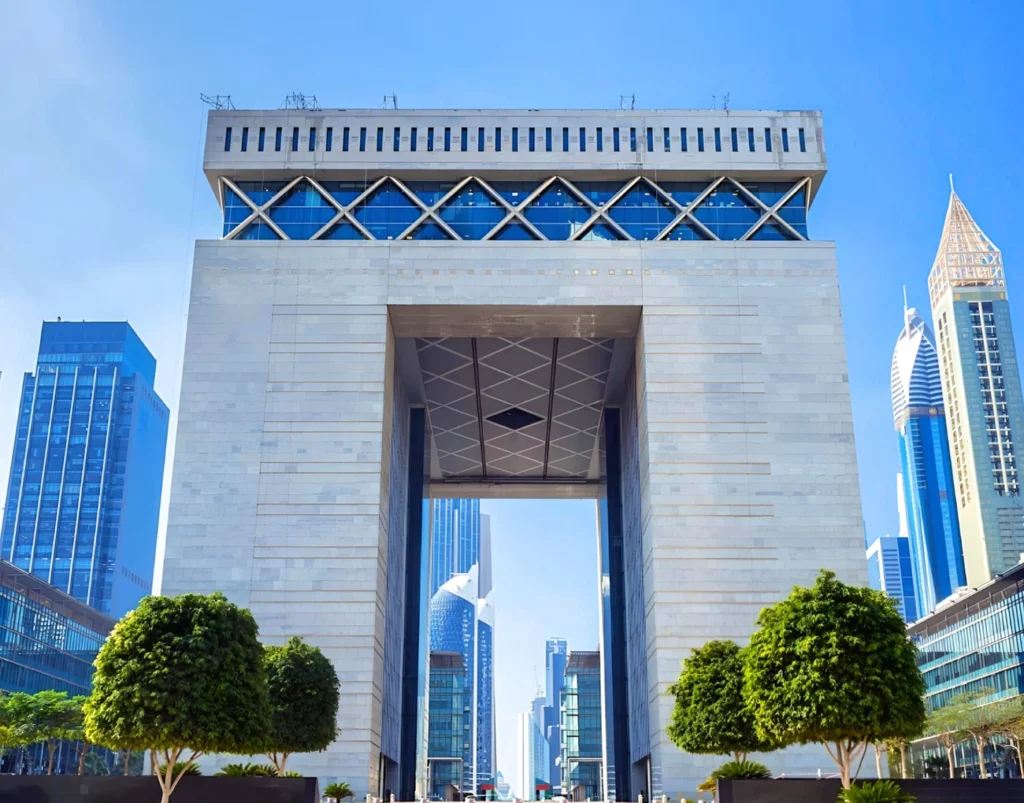
United Arab emirates A Global Financial Powerhouse By Hafsa Qadeer Over the past two decades, the United Arab Emirates has orchestrated a remarkable transformation from an oil-dependent economy into a diversified global financial hub. In the gleaming skylines of Dubai and Abu Dhabi, gleaming towers and bustling business districts now mirror the country’s ambition. As His Highness Sheikh Maktoum bin Mohammed bin Rashid Al Maktoum, First Deputy Ruler of Dubai, notes, the spectacular growth of Dubai’s financial sector “reflects the vision of His Highness Sheikh Mohammed bin Rashid… of transforming the Emirate into the region’s leading global financial centre”. This journey, from the 2004 launch of the Dubai International Financial Centre (DIFC) to the rapid rise of Abu Dhabi’s Global Market, underscores how strategic reforms and forward-looking leadership have built the UAE into a top-tier financial player. Economic Transformation and Diversification The UAE’s pivot from oil revenues to a broad economy has been dramatic. Today, non-hydrocarbon activity accounts for over 70% of GDP, a share once unimaginable. Fueled by this diversification, growth has remained robust even amid global volatility: the IMF projects GDP expanding around 4–5% through the mid-2020s. Credit rating agencies take note. For example, Fitch Ratings explicitly cites the UAE’s “moderate consolidated debt, strong net external asset position and high GDP per capita” in affirming its AA– rating (outlook stable). This strength is underpinned by Abu Dhabi’s vast sovereign wealth (net foreign assets around 122% of GDP) and prudent fiscal policy. World Bank and IMF forecasts signal continued growth ahead, driven by higher oil output and ongoing investment. Such macro strength stems from a deliberate strategy. Early on, UAE leaders opened the economy. They established liberal free zones, welcomed foreign investment, and kept the currency pegged to the U.S. dollar, creating stability and predictability. No personal income tax and only selective corporate taxes (introduced only in 2023) make the UAE highly attractive to capital. In effect, investors find a “transparent, efficient” regulatory environment coupled with a zero-bureaucracy ethos. As a result, the UAE has vaulted up the global business rankings. Its Invest UAE agency reports that FDI inflows reached $30.7 billion in 2023, a record that made the UAE the world’s second-largest FDI recipient that year. Following reforms (100% foreign ownership across sectors, simplified registration, free transferability of capital), greenfield projects surged. UNCTAD data show UAE FDI then leapt 49% in 2024 to $45.6 billion, defying global pullbacks. Put simply, investors keep “deploying capital where it’s easiest,” as UN trade officials observe. Dubai International Financial Centre (DIFC) Dubai’s financial engine is the DIFC, launched in 2004 as a special free zone with its own common law courts and regulators. By any measure, it has been a phenomenal success. Sheikh Maktoum, now President of the DIFC, notes that over 20 years DIFC growth “solidifies Dubai’s position as a world leading capital for financial services”. Today DIFC hosts nearly 7,000 companies, a 25% jump in one year, and posted record revenues of AED 1.78 billion ($484 million) in 2024. It is home to over 260 banks, 410 asset managers, 125 insurers and re-/reinsurance firms, and two-thirds of the region’s brokerage houses. In total, DIFC regulators now oversee more than 900 financial entities. This scale has drawn global finance players: 27 of the 29 Global Systemically Important Banks operate in DIFC, alongside 8 of the world’s top 10 asset managers. Notably, DIFC houses the region’s largest cluster of hedge funds (75 funds, 48 of them managing over $1 billion), placing Dubai among the world’s top ten hedge-fund centers. Essa Kazim, Governor of DIFC, celebrates this record: “Over the last 20 years, DIFC has played a leading role in transforming Dubai and the UAE’s economic landscape…”. Looking forward, DIFC’s Strategy 2030 aims to cement Dubai’s global standing. Arif Amiri, DIFC’s CEO, emphasizes that “DIFC continues to fortify its position as the region’s number one global financial centre… [by] collaborating with our clients and industry, developing infrastructure, evolving laws and regulations, and nurturing innovation”. Indeed, DIFC has enacted pioneering reforms: it passed the world’s first Digital Assets Law, expanded FinTech licensing, and set up co-investment platforms to fund startups. Dubai now ranks in the top five worldwide for FinTech hubs, reflecting a surge of tech-driven finance companies. Dubai’s leadership frequently underscores DIFC’s success as emblematic of broader goals. In public statements they hail DIFC as evidence that Dubai’s “vision… of transforming the Emirate into the region’s leading global financial centre” is being realized. The city has pursued international openness – forging listings of global IPOs, issuing sukuk and green bonds, and hosting events like the annual FinTech Summit, to build on this financial momentum. The Global Financial Centres Index now ranks Dubai among the top 15 cities globally (and number one in the Middle East) across multiple categories, a testament to its broad progress. Abu Dhabi Global Market (ADGM) Abu Dhabi has accelerated its own rise in finance, centered on the Abu Dhabi Global Market (ADGM) IFC. Though younger than DIFC, ADGM has benefited from massive capital reserves and strong government support. Its growth has been explosive: over the past year ADGM firm registrations jumped 32%, new business licenses by 67% (in Q1 2025), and assets under management by an astonishing 245%. New hedge fund, asset management and family office entrants, often spurred by Abu Dhabi’s deep capital markets and sovereign funds, have flocked there. Even major U.S. alternatives manager Harrison Street announced an Abu Dhabi office in 2024, joining Goldman Sachs and others expanding in the cityr. ADGM’s leadership consciously brands it as a stable, globally oriented hub. The CEO of ADGM’s Financial Services Regulatory Authority argues that growth has been buoyed by the UAE’s “political neutrality and ease of doing business”, factors that attract firms (from crypto startups to family offices) seeking a safe yet open base. A Hong Kong regulator’s public comment sums it up: ADGM provides “transparency, efficiency and integrity” under an English-based legal framework, making it an ideal launchpad for the Middle East. ADGM Chairman Ahmed Al Zaabi puts

Abdul Aziz Abdulla Al Ghurair Business Leader, Innovator, National Builder

Abdul Aziz Abdulla Al Ghurair Business Leader, Innovator, National Builder

Abdul Aziz Abdulla Al Ghurair Business Leader, Innovator, National Builder By Rizwan Zulfiqar Bhutta A Legacy Rooted in Vision The Al Ghurair Family and the UAE The story of Abdul Aziz Abdulla Al Ghurair cannot be told without first understanding the enduring legacy of his father, Abdulla Ahmad Al Ghurair, and the broader Al Ghurair family, pioneers who helped sculpt modern-day Dubai and the United Arab Emirates. The family’s entrepreneurial journey began in the 1960s when the patriarch Ahmad Al Ghurair founded Al Ghurair Group. Over time, the Group launched the UAE’s first cement factory, flour mill, sugar refinery, aluminium extrusion plant, packaging businesses, and even the iconic Al Ghurair Centre shopping mall in 1981. These ventures laid the foundation for diversified industry in the young nation and helped spark its economic transformation. Abdulla Ahmad Al Ghurair emerged as a visionary businessman and philanthropist. In the early 1960s, long before the Union in 1971, Abdulla built several schools including the very first in remote Masafi to bring education to underserved communities. His belief was simple yet profound: education strengthens individual lives and uplifts society as a whole. In 2015, he formalized his philanthropic legacy by pledging one-third of his personal wealth, AED 4.2 billion at the time, to create the Abdulla Al Ghurair Foundation for Education, a landmark gesture supporting Arab and Emirati youth through scholarships, skills-building, and digital learning platforms. Born on 1 July 1954 in Dubai, Abdul Aziz Al Ghurair graduated from California Polytechnic State University with a degree in industrial engineering and joined the family’s financial arm, Mashreq Bank, in 1977. He rose to Executive Director in 1989 and became CEO in 1990, before being appointed Chairman of Mashreq. Under his leadership, Mashreq became the first bank in the UAE to introduce ATMs, credit and debit cards, consumer loans, POS terminals, travelers’ cheques, and eventually digital banking initiatives such as Mashreq Neo and NeoBiz for SMEs. He expanded the bank’s international footprint by opening branches in New York, London, Bahrain, Qatar, Egypt, India, and Pakistan, positioning Mashreq as a global Emirati financial institution. In addition to his banking leadership, Abdul Aziz is Chairman of the Executive Committee of Al Ghurair Investment, the diversified family conglomerate active in food and resources, properties, construction, energy, mobility, and ventures. The group operates across approximately 50 countries and employs around 28,000 people. The group’s holdings include Al Ghurair Foods, which houses one of the region’s largest flour mills and the Jenan brand, along with mineral water, poultry, and animal feed. Other entities include Arabian Packaging, Taghleef Industries, Gulf Extrusions, CarsTaxi, auto distribution via EXEED, real estate developments like Al Ghurair Centre, and educational institutions such as Dar Al Marefa. In 2023, Abdulla Al Ghurair and family had an estimated net worth of approximately US 3.2 billion, which rose to around US 4 billion in 2024. Abdul Aziz personally has been estimated at around US 2.6 billion. Mashreq reported annual net profit of AED 9.01 billion in 2024, with operating income rising 24 percent, reflecting strong financial stewardship. An Enlightened Vision: The UAE and Its Future According to Father and Son Abdulla Al Ghurair viewed education not merely as policy, but as a moral obligation and civic duty. He was one of the first private citizens to invest in building schools before the formation of the UAE, guided by the philosophy that education empowers individuals, communities, and the nation. He believed that seeking an education is not only about personal achievement but also a civic and religious responsibility as Arabs and Muslims. He foresaw a modern UAE grounded in a knowledge economy, and saw his philanthropic efforts as integral to that future. Abdul Aziz has embraced and expanded his father’s philosophy with a modern, impact-driven approach. As chairman of the Foundation, he emphasizes strategic philanthropy, partnerships, measured impact, and scalable solutions over one-off gifts. He has stated that strategic philanthropy transforms lives by building ecosystems where people thrive. His signature initiative, the Abdul Aziz Al Ghurair Refugee Education Fund, launched in June 2018, targets conflict-affected youth in Jordan, Lebanon, and the UAE. With an initial commitment of US 32.6 million, it has enabled over 100,000 refugee youth, more than half of them girls, to access secondary, vocational, or tertiary education through partnerships with NGOs and universities. In the first wave, 20 selected organizations supported 48,000 young people aged 12 to 30. He also pledged US 10 million to become the lead donor of UNICEF and Islamic Development Bank’s Global Muslim Philanthropy Fund for Children, marking the first major Muslim philanthropic commitment to that platform, aiming to support health, education, and youth empowerment across Muslim-majority countries. Abdul Aziz holds strong faith in the future of the UAE. He believes that the nation’s youth are its greatest asset and that private sector leadership must invest in education, entrepreneurship, and innovation. He frequently states that modern challenges require evolution in giving. Philanthropy must become strategic, collaborative, accountable, and youth-centred. Through the Foundation, he has directed resources that have now reached over 239,400 youth, exceeding the original target by around 20 percent well before 2025. Additionally, Al Ghurair Foods signed a 50-year land-lease agreement worth over US 272.3 million in KEZAD, Abu Dhabi, for mega food-processing projects. CarsTaxi, the group’s mobility division, partnered with Al-Futtaim Toyota to introduce 1,300 Toyota Camry hybrids into its fleet, reflecting strategic diversification into sustainability. A Family Ethos of National Loyalty and Optimism What unites father and son is a deep-rooted belief in the potential of the UAE. Abdulla Al Ghurair saw the Union of the Emirates as an opportunity to transform society through infrastructure and education, including building schools and industrial foundations in remote areas before 1971. He believed education was a duty to uplift Arab youth and build capacity for a new nation. Abdul Aziz continues this vision with contemporary tools and reach. He believes in the necessity of developing future-facing skills, digital readiness, and inclusive opportunities for all young people across the Arab world. He sees the

HOW INFLATION AND TAXES ARE DRIVING A PROFESSIONAL AND BILLIONAIRE MIGRATION TO THE UAE

From Europe to the Emirates, How Inflation and Taxes Are Driving a Professionals and Billionaires Migration to the UAE

From Europe to the Emirates How Inflation and Taxes Are Driving a Professionals and Billionaires Migration to the UAE By Peter Davis Over the past few years, Europe has faced an evolving economic storm: inflation has surged to levels not seen in decades, while many governments have responded with rising taxes to fund growing public expenditures and climate agendas. In this financial squeeze, the cost of living has soared, net incomes have shrunk, and wealth preservation has become more elusive for individuals and businesses alike. This economic turbulence is causing a silent exodus, particularly of high-net-worth individuals (HNWIs), entrepreneurs, and seasoned professionals, who are now finding new promise and opportunity in the Middle East, with the United Arab Emirates (UAE) emerging as a primary destination. Europe’s Squeeze: The Dual Burden of Inflation and Taxation In countries like Germany, France, the UK, and the Netherlands, inflation has eaten into real wages, and public confidence has waned. From rising energy bills to surging food costs, many Europeans are finding their disposable incomes drained. At the same time, progressive tax regimes and proposed wealth taxes have unsettled both middle-class professionals and ultra-wealthy elites. France and Germany, for instance, have faced waves of public protests and criticism due to policies targeting large inheritances, capital gains, and property wealth. In the UK, the recent increases in capital gains and dividend tax rates, alongside mounting National Insurance contributions, have created an environment where financial growth often leads to punitive taxation. For HNWIs, it’s not just about higher tax rates, it’s also about the uncertainty. With political rhetoric increasingly tilted toward redistribution and wealth taxation, many wealthy Europeans are preemptively diversifying their geographical presence, assets, and residencies. The UAE’s Winning Proposition Against this backdrop, the UAE has emerged not only as a financial haven but also as a lifestyle upgrade. Dubai and Abu Dhabi, in particular, have positioned themselves as leading destinations for professionals and billionaires alike, offering a compelling mix of economic incentives, lifestyle advantages, and geopolitical neutrality. Zero Income Tax – A Game Changer One of the most alluring features of the UAE is its zero personal income tax policy. In contrast to the 45% top marginal tax rates in some European countries, residents in the UAE enjoy full income retention. There are no taxes on salaries, dividends, capital gains, or wealth. While the UAE has introduced a 9% corporate tax on business profits exceeding AED 375,000 (about $102,000), the policy remains business-friendly and significantly lower than European counterparts, where corporate taxes can range from 19% in the UK to over 30% in France. Ease of Business and Global Connectivity The UAE government has invested heavily in making business setup seamless. Free zones across the country, such as Dubai Multi Commodities Centre (DMCC) and Abu Dhabi Global Market (ADGM), offer 100% foreign ownership, profit repatriation, and world-class infrastructure. Startups, digital entrepreneurs, and fintech companies are finding the regulatory environment increasingly supportive, especially with recent reforms aimed at digital assets and remote working. Add to that a strategic location between East and West, one of the best airports in the world, and visa reforms that now allow long-term residency for professionals and investors—and it becomes clear why the Emirates is rising as the world’s new expat capital. A Surge in Migration – Who’s Moving and Why Recent data points to a visible uptick in skilled migration to the UAE. From tech developers in Berlin to bankers in Zurich, and designers from Paris to consultants in London, the talent shift is real and rapidly accelerating. Professionals and Middle-Class Escapees Remote Workers & Digital Nomads: With the rise of flexible work post-COVID, many European professionals have discovered they can earn European salaries while living in tax-free jurisdictions. The UAE’s remote worker visa, introduced in 2021, enables exactly that. Tech Talent: Due to high demand from local startups and government-backed innovation hubs, engineers and developers from Europe are being actively recruited with attractive packages. Healthcare & Legal Professionals: With rapid development in medical tourism and private healthcare, UAE hospitals are drawing doctors, specialists, and lawyers from countries like Spain, Italy, and the UK, many of whom are looking for both better pay and lower tax burdens. Billionaire Boom: The Rise of the Ultra-Wealthy in the UAE One of the most talked-about trends is the sudden rise in the number of billionaires relocating to the UAE. According to the 2024 Henley Global Citizens Report and Knight Frank’s Wealth Report: The UAE added over 5,200 new millionaires in 2023 alone. It now ranks in the top 10 destinations globally for HNWI relocation. Dubai alone is now home to more than 70 billionaires, a figure that has doubled since 2021. These are not just Russian oligarchs or crypto tycoons, as was the initial impression, but include European family office heads, industrialists, tech founders, and luxury brand entrepreneurs. Many are moving entire business operations, private wealth structures, and family estates to Dubai and Abu Dhabi. The access to private banking, legal stability, and a vibrant luxury lifestyle only enhances the appeal. Why the UAE Wins Over Other Tax Havens The UAE offers more than just low taxation. Traditional tax havens like Monaco or the Cayman Islands may have favorable tax regimes, but they lack the infrastructural depth, economic diversity, and quality of life that the UAE provides. Dubai’s schools, hospitals, malls, and cultural hubs have become world-class. The city is cosmopolitan yet secure, with low crime rates, no political extremism, and remarkable religious and cultural tolerance. Moreover, the UAE’s alignment with sustainability goals, clean energy, and innovation has helped erase old stereotypes about the Middle East being purely oil-focused. Dubai’s hosting of COP28 and Abu Dhabi’s Masdar City show a forward-thinking mindset that appeals to global citizens looking for long-term residency and stable governance. Visa Reforms Encouraging Permanent Settlement Recognizing the growing interest from abroad, the UAE has rolled out an extensive set of visa reforms to support this wave of migration: Golden Visa: A 10-year residency for investors, scientists, professionals, and exceptional talents. Green Visa: A

AHMED BEN CHAIBAH THE AQUAMAN OF ENTREPRENEURSHIP

Ahmed Ben Chaibah, The Aquaman of Entrepreneurship

Ahmed Ben Chaibah The Aquaman Of Enterpreneurship By Jane Stevens In the vast world of global entrepreneurship, few figures have captured the imagination and admiration of audiences like Ahmed Ben Chaibah. Widely known as “The Aquaman,” he is not only a Guinness World Record holder and luxury lifestyle influencer but also the visionary founder of AquaFun , the world’s largest inflatable water park. From a bold idea in 2013 to a global presence in 41 locations, Ahmed’s journey is marked by persistence, innovation, and an unwavering belief in creating meaningful experiences. In this exclusive interview with Magnav Middle East, he reflects on his entrepreneurial path, his values, and the future of AquaFun. Ahmed shared that the idea for AquaFun began with a daring concept: creating a giant floating waterpark in the sea that spelled out “DUBAI.” Many people dismissed the idea as unrealistic. He faced more than 600 rejections from banks, suppliers, and authorities, but his conviction never wavered. He explained that he was driven by the belief that the joy such a park could bring made every rejection worthwhile. For him, it was better to be laughed at for attempting something audacious than to live with the regret of never trying. Balancing multiple roles, from entrepreneur and motivational speaker to designer and innovator, Ahmed believes that these identities are all part of a singular mission. He emphasized that whether he is speaking on stage, testing new park features, or working with his team, it all ties back to his purpose: to create unforgettable moments for people. Staying close to this purpose, he said, keeps his vision alive and globally relevant. Representing the UAE on a global stage is something Ahmed takes to heart. He carries his cultural values, generosity, loyalty, and ambition,  into every aspect of his work. He explained that being Emirati means combining deep-rooted traditions with modern innovation and showing the world what is possible when people are given the space to dream big. What distinguishes AquaFun from other water parks is its focus on emotional impact, not just thrill rides. Ahmed explained that the goal isn’t merely to have the tallest or fastest slide, but to design experiences that make people feel like children again. Every detail,  from the sounds and colors to the staff’s energy,  is designed intentionally. AquaFun, he said, is simply the vessel used to deliver joyful and lasting memories. Multiculturalism has played a significant role in shaping Ahmed’s leadership and business. His team includes over 40 nationalities, a diversity that he sees as a major advantage. He noted that leading such a diverse team taught him to listen more and to respect every culture. This environment, he said, allows the best ideas to flourish and strengthens the company’s overall vision. Ahmed described the UAE as a unique environment where citizens and expatriates alike are encouraged to dream and build. He believes that the country’s infrastructure, safety, and leadership support innovation at every level. It is a place where big ideas do not just stay in the realm of theory but are quickly transformed into reality. Beyond business, Ahmed’s philanthropic efforts are central to his mission. He currently sponsors over 3,000 orphans worldwide and described this work as one of the most meaningful aspects of his life. Having experienced times of lack and later abundance, he believes both are tests. Giving back, he said, is the most impactful way to scale one’s life and ensure success reaches beyond personal boundaries. Despite receiving numerous accolades such as Entrepreneur of the Year and Influencer of the Year, Ahmed has his own definition of success. Personally, he sees success as having peace of mind, living without anxiety, and being able to give without limits. Professionally, it’s about making a strong impact and maintaining visibility. He believes that aiming to be the best pushes him to continually evolve and improve, not out of ego, but to inspire others and demonstrate what is possible with full commitment. Looking to the future, Ahmed is preparing to launch the world’s largest indoor inflatable waterpark in Riyadh, which he sees as a major milestone. He is also exploring opportunities in new markets like Syria and has a growing interest in the fields of wellness and travel. He believes that his experiences with dyslexia and ADHD give him a unique perspective, allowing him to see opportunities and solutions others might overlook. To young entrepreneurs, particularly in the Arab world, who are facing challenges and setbacks, Ahmed offered practical advice. He encouraged them to start with what they already have rather than waiting for perfect conditions. He believes that rejection, delays, and mistakes are all part of the journey and that the key difference between those who succeed and those who don’t is persistence. His message is simple but powerful keep going. Ahmed Ben Chaibah’s story is one of courage, creativity, and compassion. From a single bold idea to a global brand, his journey is a testament to what can be achieved with vision, resilience, and heart. Through AquaFun and his broader ventures, Ahmed continues to inspire a new generation of entrepreneurs and dreamers across the world.

Himalayan Pink Salt

Why “Himalayan Pink Salt” Isn’t Really from the Himalayas and Why It All Comes from Pakistan

Why “Himalayan Pink Salt” Isn’t Really from the Himalayas and Why It All Comes from Pakistan By Jane Stevens 98%  of all pink salt sold worldwide comes from Pakistan’s Khewra Salt Mine Next time you reach for a jar of Himalayan pink salt in a trendy grocery store or wellness shop, imagine this: the salt inside did not come from the Himalayas at all. In fact, it was mined hundreds of kilometers away, in the Salt Range of Pakistan’s Potohar Plateau. Yet, around the world, it is marketed as “Himalayan,” packaged in sleek containers, and sold at premium prices. The paradox lies in branding. The Real Origin of Pink Salt Pink salt is mined almost entirely in Pakistan’s Punjab province, from the ancient Khewra Salt Mine and the surrounding Salt Range. These deposits, estimated to be over 250 million years old, were discovered during the era of Alexander the Great and are now the second-largest salt reserves in the world. Despite its global label, these mines are not in the Himalayas. The Salt Range lies south of the main Himalayan mountain system, within the Potohar Plateau. This makes the term “Himalayan pink salt” geographically misleading, though it has become a powerful global brand. Pakistan’s Dominance in Supply Industry estimates confirm that 95–98% of all Himalayan pink salt sold worldwide comes from Pakistan. The Khewra mine alone produces nearly 400,000 tons annually. Other countries, including India and Nepal, have minor reserves of pinkish salt, but their contributions to the international market are negligible. Outside South Asia, Bolivia and Hawaii produce their varieties of colored salt, but these are geologically distinct and marketed under different names. Simply put, when a consumer in Europe, the Middle East, or America sprinkles “Himalayan pink salt” on their food, they are almost certainly using Pakistani salt from Khewra. Why Call It “Himalayan”? If the salt is from Pakistan’s Salt Range, why is it not marketed as “Pakistani pink salt”? The answer lies in branding, perception, and commerce: The Power of the Name: The word “Himalayan” was used as a word to evoke images of purity, ancient wisdom, and natural wellness.  A selling name but not true. A false label, yet it was made sellable. For international consumers, it sounded exotic and trustworthy. By contrast, “Pakistani salt” does not carry the same marketing allure. Because of poor projection and management of exports by the representatives in Pakistan.  Wellness and Lifestyle Marketing: The global wellness industry thrives on imagery. Associating pink salt with the Himalayas allows it to fit seamlessly into yoga culture, holistic health, and spa treatments. The “Himalayan” label simply sells better. Global Supply Chain Practices: Pakistan often exports salt in bulk at low rates, sometimes as little as $40 per ton. Foreign companies repackage it, brand it as “Himalayan,” and sell it at thousands of dollars per ton in retail markets. By the time it reaches supermarket shelves, its Pakistani identity is often erased. Pakistan’s Missed Branding Opportunity Pakistan’s role as the sole major source of pink salt is undeniable, but the country earns only a fraction of the profits. Without geographical indication (GI) protection, similar to Champagne from France or Darjeeling tea from India, Pakistan cannot legally demand that its salt be labeled with its true origin. This lack of international branding has left Pakistan dependent on raw exports while foreign companies capture the higher retail value. If Pakistan were to secure GI status for “Khewra Salt” or “Pakistani Pink Salt,” it could elevate the product’s identity and pricing power globally. The Global Pink Salt Craze Beyond kitchens, pink salt has found its way into lamps, bath salts, spa rituals, and luxury décor. Advocates tout its mineral content and potential health benefits, though many claims remain debated by scientists. Still, its aesthetic and symbolic value keep global demand strong. The irony is stark: while pink salt graces fine dining restaurants and yoga studios worldwide, the miners who extract it in Khewra often work under difficult conditions, earning very little compared to the fortunes generated abroad. Setting the Record Straight The truth is simple: there is nothing “Himalayan” about Himalayan pink salt. It comes almost entirely from Pakistan’s Salt Range, not the Himalayas. The label persists because it is powerful marketing, but it masks the real origin and undervalues Pakistan’s role in the global wellness and food industries. Until Pakistan asserts its ownership through branding, GI protection, and international campaigns, the world will continue to sprinkle pink salt on its meals without realizing its authentic story. The mine is believed to have been discovered around 326 BC during the reign of Alexander the Great. Centuries later, it gained commercial significance during the Mughal era, when salt trading began on a larger scale. Its entrance lies about 945 feet (288 meters) above sea level and stretches 2,400 feet (730 meters) deep into the mountain. The underground network is vast, covering an area of about 110 square kilometers (42 square miles). Today, the site stands as Pakistan’s largest source of salt, producing more than 350,000 tons of nearly pure halite each year. The reserves are immense, with estimates ranging between 82 million and 600 million tons.

Shaikha Aysha Alqassimi A Voice of Vision, Heritage, and Bold Leadership from the UAE

Shaikha Aysha Alqassimi A Voice of Vision, Heritage, and Bold Leadership from the UAE

Shaikha Aysha Alqassimi A Voice of Vision, Heritage, and Bold Leadership from the UAE By Afef Yousfi Ambition often competes with tradition, Shaikha Aysha Alqassimi stands as a powerful example of how the two can coexist, not only in harmony but in momentum. A changemaker, academic, and advocate for culture and identity, Shaikha Aysha represents the voice of a new generation of Emiratis: proud of their heritage, bold in their thinking, and unafraid to shape the future. Her journey is driven by a personal mantra: “inspired by the fear of being average.” But to her, this isn’t about perfection or public recognition, it’s about purpose. That single phrase, she says, has been a guiding force throughout her life. It reflects her inner drive to exceed limitations, set bold goals, and evolve constantly, not just for personal growth, but for the betterment of her community. It’s this mindset that has defined her academic pursuits, her unwavering support for local entrepreneurship, and her rise as a young Emirati woman with a voice that carries both confidence and compassion. At the heart of her values is a deep pride in Emirati culture, which she describes as a living legacy of respect, unity, generosity, and pride. Central to that is the Emirati spirit of karam, hospitality, as well as strong family ties and an unshakable sense of community. What distinguishes Emirati culture, she believes, is its ability to honor the past without being held back by it. “We celebrate our past, but we’re not limited by it,” she explains. “This duality is what makes our culture so powerful on the global stage.” Inclusivity, too, is something that resonates deeply in her worldview. Shaikha Aysha sees the UAE’s multiculturalism not as a byproduct of development, but as part of the country’s original blueprint. Founded on the principles of diversity, respect, and unity, the UAE has become home to over 200 nationalities, a testament to its success as a hub of talent, innovation, and peaceful coexistence. As she sees it, this openness has helped position the nation as a global model for collaborative growth. “We take pride in being global citizens while staying true to our roots.” She speaks passionately about the new generation of Emiratis, a cohort she believes is setting new benchmarks in leadership, innovation, and ambition. What sets this generation apart, she says, is their ability to blend deep cultural grounding with global fluency. Raised with the values of their ancestors and equipped with the tools of the digital age, they are uniquely positioned to lead across industries, from technology and sustainability to entrepreneurship and creative expression. “We’re not afraid to take risks, speak up, or lead change. We dream big, not just for ourselves but for the future of the nation.” When asked what gives the UAE its edge, Shaikha Aysha doesn’t hesitate: visionary leadership. From bold investments in education and technology to trailblazing initiatives in space exploration and green energy, she credits the nation’s success to its ability to anticipate the future rather than react to it. The UAE’s ability to remain agile, forward-thinking, and people-centric has placed it at the forefront of regional and global progress. Yet with all this modernity, she remains rooted in tradition. To her, tradition isn’t something to move away from, it’s something to carry with pride. “Tradition is not a limitation, it’s an identity,” she says. It’s this philosophy that allows her to move confidently between the old and the new, embracing both the values she was raised with, faith, family, and respect, and the dynamic tools of today’s world. She believes that true balance comes from understanding who you are and choosing how you evolve. Shaikha Aysha is also a passionate advocate for young Emirati women, encouraging them to believe in their voice and their value. Her message is one of empowerment: “You already have everything within you to shine. Don’t let doubt silence your voice or dreams.” For her, ambition is something to be celebrated, not apologized for. She urges young women to embrace their identity, stay grounded in their values, and lead with courage. “The UAE supports your growth, so dream loud, lead proud.” Looking to the future, Shaikha Aysha sees Emiratis not only excelling in regional leadership but taking their place on the global stage, in diplomacy, tech, sustainability, creative industries, and beyond. She envisions the next decade as a defining chapter, driven by youth who lead with both purpose and heart. In her eyes, the UAE won’t just be a global hub, it will be a global force for good. With every word she speaks and every initiative she supports, Shaikha Aysha Alqassimi redefines what it means to be a modern Emirati leader: one who honors her roots while lifting others toward the future, with clarity, conviction, and compassion.

Empowering Potential The Transformational Journey of Maryam Al Kass

Empowering Potential The Transformational Journey of Maryam Al Kass

Empowering Potential The Transformational Journey of Maryam Al Kass By Afef Yousfi To meet Maryam Al Kass is to encounter a remarkable fusion of purpose, professionalism, and impact. As a certified coach by the International Coaching Federation (ICF), a public health educator, and an experienced career development specialist, Maryam has spent more than 14 years helping individuals and institutions unlock their full potential. Her work spans sectors, from government health initiatives to leadership development and entrepreneurship, proving that true growth happens when education, purpose, and strategy align. Maryam’s professional journey began in the healthcare sector as an Occupational Health and Safety Specialist with the UAE Ministry of Health. Her mission quickly evolved from compliance to community education. Through more than 500 awareness sessions, she translated complex health and safety standards into practical, empowering knowledge for individuals and workplaces alike. Her drive to influence positive behavior change laid the foundation for a broader vision—one that addressed not only physical well-being, but emotional and professional development too. This passion for human development led her to the Department of Human Resources in Sharjah, where she took on the role of Career Guidance Specialist. Over the last decade, Maryam has impacted more than 5,700 individuals through customized training workshops and facilitated over 1,400 one-on-one coaching sessions. Her programs target key professional growth areas such as CV building, interview skills, personal branding, and leadership readiness. Her approach blends strategic insight with empathy, enabling job seekers and professionals alike to gain confidence and clarity in a competitive landscape. In 2015, Maryam founded ecaros Consulting for Occupational Health & Safety, a platform through which she has led over 480 empowerment workshops focused on personal development, team building, and workplace well-being. Her entrepreneurial vision expanded her ability to offer tailored training solutions, while maintaining a clear commitment to public education. She also authored The Little Paramedic, an innovative children’s book series that introduces young readers to life-saving first aid concepts in an engaging and educational format. Maryam’s expertise and influence extend beyond workshops and coaching. She is a certified international First Aid trainer, a member of the Arab Parliament for Training Experts, and has served as an Ambassador for UAE National Identity through the Watani Al Emarat Foundation. For three consecutive years, she was recognized as a Knowledge Ambassador by the Emirates Red Crescent. In 2023, her leadership and commitment to national development earned her a nomination to the Federal National Council. Her coaching philosophy, grounded in emotional intelligence and guided by ICF standards, emphasizes transformation through self-awareness and intentional growth. She works with individuals from all professional levels, helping them navigate challenges, define goals, and take strategic action toward lasting change. For Maryam, coaching is not just a service—it is a mission to ignite the light in others. Maryam Al Kass exemplifies how purpose-driven leadership and evidence-based practices can create measurable, lasting results in both individual lives and organizational cultures. Through her corporate training, coaching, and public speaking, she continues to deliver value to institutions seeking transformation and to people aspiring to reach their full potential. Her story stands as a model for sustainable empowerment, proving that with vision and commitment, leadership can begin at any level and ripple outward to change the world.

Salem Al-Hashmi From Phone Deals to Building the Future of Web3

Salem Al-Hashmi From Phone Deals to Building the Future of Web3

Salem Al-Hashmi From Phone Deals to Building the Future of Web3 By Hafsa Qadeer Long before blockchain entered the mainstream conversation, before Bitcoin headlines dominated the global news cycle, and before “Web3” became a buzzword, Salem Al-Hashmi was laying the groundwork for a future he couldn’t yet define, but one he was instinctively building toward. In the heart of Abu Dhabi, amid the hum of marketplaces and second-hand tech shops, a young Salem was making his first moves, not from a high-rise office or sleek co-working hub, but from the ground up in the fast-paced world of mobile phone trading. Buying, flipping, fixing, and negotiating, Salem developed not just a keen sense for commerce but an intuitive grasp of people. These early days were anything but glamorous, but they were real, and they taught him one of life’s hardest-earned truths: success doesn’t arrive, it’s built, piece by piece, trade by trade, call by call. At the time, he had no inkling that this scrappy hustle would later fuel a much bigger leap. Years passed, and when the COVID-19 pandemic brought the world to a halt, Salem found himself once again at a crossroads. The external chaos echoed internal uncertainty, missed calls, closed doors, lost momentum. But true to his nature, standing still wasn’t an option. While others froze or fled, Salem turned his focus toward what many still dismissed as digital gambling, cryptocurrency. But he wasn’t chasing hype or headlines, he was thinking long-term. “It wasn’t a gamble,” he reflects. “It was a calculated move toward the future.” Where some saw trends, he saw infrastructure, a new way to rebuild trust, transfer value, and reshape the very architecture of finance. He didn’t take shortcuts. Salem read obsessively, followed market patterns, made early investments, suffered losses, and recalibrated. Like many in the space, he initially got swept into the noise, fast gains, viral tokens, empty promises. But unlike many, he learned quickly. Those missteps became fuel for sharper strategy, and hype gave way to discipline. Soon, trading became more than a numbers game. It became a lesson in risk management, in emotional control, in delayed gratification. Salem’s efforts paid off. On Binance, the world’s leading crypto exchange, he ranked among the top three traders globally by Sharpe ratio, a measure that balances return with risk. It wasn’t just about earning, it was about earning smart. But profit was never the final goal. As he immersed deeper into the crypto ecosystem, Salem began to notice a troubling pattern: the space was crowded with noise, self-proclaimed gurus, questionable projects, predatory schemes. What disturbed him most was the vulnerability of those entering without proper knowledge, often lured by illusions of easy wealth. So, true to his builder’s spirit, Salem created a solution. What began informally became a movement, the Abu Dhabi Crypto Community. It wasn’t a company or a commercial brand. It was a safe space, both online and off, where curious minds could gather, ask questions without fear, and learn without pressure. “We don’t just spread awareness,” Salem says. “We build confidence and capability.” What started as informal chats turned into regular meetups. Conversations deepened, trust grew, and Salem became less of a public figure and more of a mentor. He taught people how to spot red flags, resist urgency, and walk away from anything promising instant riches. His golden rule? “If it feels like pressure, it’s probably a trap.” At the core of all his work is one unshakable foundation: values. Salem’s entrepreneurial compass is not driven by trends, but by faith and integrity. “What’s meant for you will reach you,” he often says, “but only if you work with honesty and intention.” In a space often defined by opacity and self-promotion, his approach stands out. He shares his trades publicly, walks others through his reasoning, and encourages a culture of radical transparency. For him, trust isn’t built by image, it’s built by action. Today, when asked what truly drives him, his answer is immediate: impact. Salem is no longer building for himself. He’s creating systems that empower others, platforms for education, mentorship, and ethical investing. His dream is clear: a UAE where every ambitious young person with a smartphone can access the same opportunities he had to fight for, regardless of their background. “Crypto is just the beginning,” he says. “The real mission is empowerment.” He envisions a Middle East that doesn’t trail global innovation, but leads it, a generation of coders, creators, and visionaries rising not from Silicon Valley, but from Sharjah, Abu Dhabi, and Riyadh. And for that to happen, he believes the technology must evolve alongside the people, rooted in community, led by ethics, and driven by a shared sense of purpose. Salem doesn’t seek the spotlight. He doesn’t position himself as a crypto mogul. He sees himself as a bridge, between old systems and new, between confusion and clarity, between ambition and meaningful action. As he continues to develop educational platforms, grow mentorship networks, and lead ethical investment initiatives, one thing is certain: his mission is bigger than his name. “Legacy isn’t what you leave behind,” he says. “It’s what continues because of you.” In a region charging toward its digital future, Salem Al-Hashmi isn’t just surfing the wave of Web3, he’s helping shape its very direction. And as a new generation of dreamers watches, learns, and rises with him, his story stands as a reminder that true innovation begins not with technology, but with intention.