MAGNAV Emirates

Business and Finance

BurjX Earns FSRA Approval and Debuts a Fully Regulated Crypto Trading Hub in ADGM

BurjX Earns FSRA Approval and Debuts a Fully Regulated Crypto Trading Hub in ADGM

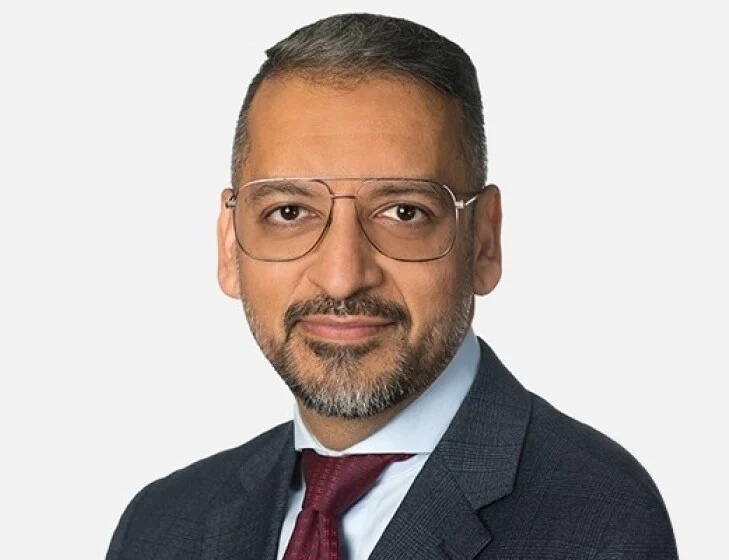
BurjX Earns FSRA Approval and Debuts a Fully Regulated Crypto Trading Hub in ADGM By Desk Reporter In a significant step for the UAE’s fintech landscape, BurjX, conceived and built in the Emirates, has been granted its Financial Services Permission (FSP) by the Financial Services Regulatory Authority (FSRA) of the Abu Dhabi Global Market (ADGM). This milestone enables BurjX to operate as a fully compliant digital asset brokerage and custody platform, immediately offering a selection of over 100 digital tokens. Homegrown Platform With Global Design BurjX comes to life under the leadership of two visionary founders: Omar Abbas, co-founder of Canada’s NDAX exchange, and Adam Ferris, a Harvard JD/MBA alumnus with experience at Goldman Sachs. Abbas emphasizes that BurjX is “not another imported platform entering the UAE” but rather a native venture positioned to lead globally. Their mission resonated with regulators. In the words of Ferris, BurjX’s debut “validates the strength of our infrastructure…the calibre of our team,” and underscores their ambition to be a global blockchain contender from day one. Seamless On-Ramps for AED Transactions A standout feature is the platform’s deep integration with Zand Bank, which allows instant AED deposits and immediate access to trading across its digital asset lineup. This fiat-to-crypto gateway is rare even among regional exchanges and positions BurjX as a frontrunner in delivering frictionless, regulated access to digital finance. Institutional-Grade Security and Custody BurjX is one of the few platforms in ADGM licensed for both brokerage and custody. Beneath its user-friendly interface lies a hybrid architecture: A NASDAQ-grade engine capable of processing over 1 million transactions per second Secure storage powered by Fireblocks’ MPC protocols Multi-layered governance, including hot and cold wallet insurance coverage. This robustness ensures that both retail and institutional users benefit from top-tier infrastructure and risk management. Governance Anchored in Expertise GSquared oversight is provided by Dr. Ryan Lemand, a former Binance boa. His presence on the board strengthens BurjX’s regulatory foundation and internal compliance frameworks. Catering to HNWI and Family Offices BurjX is already welcoming institutional capital through its Private Client Division, offering personalized services such as over-the-counter trades, dedicated client coverage, and portfolio structuring. This aligns with the platform’s flexibility to serve both first-time crypto users and seasoned investors. Context in a Rapidly Expanding Market The move comes at a pivotal time. The UAE’s crypto ecosystem is projected to generate around US $396 million in revenue this year, with an estimated 3.88 million crypto users by 2026, nearly one-third of the population. In this environment, regulated, locally grounded exchanges like BurjX fill a critical void between global offshore platforms and local regulatory standards. What This Means for ADGM and the Region ADGM, headquartered on Al Maryah Island and known for its common-law system and strong governance, launched its virtual assets framework in 2023. With BurjX now fully regulated under FSRA, the centre takes another leap in positioning itself as the GCC’s virtual asset powerhouse. This approval signals to international players that the UAE isn’t just open to building digital finance it on solid ground. Looking Ahead With its license secured and trading platform live, BurjX plans to expand across the UAE and beyond. Future enhancements include additional token listings, expanded fiat support, staking and yield products, institutional custody services, and the potential to tokenize real-world assets

UAE Where Vision Fuels Venture

UAE Where Vision Fuels Venture

UAE Where Vision Fuels Venture By Desk Reporter The United Arab Emirates has become one of the most compelling launchpads for global business, where long-term vision meets policy innovation, and investment meets impact. Opening Doors to Global Entrepreneurs In recent years, the UAE has transformed its economic model to welcome foreign innovation at scale. With 100% foreign ownership now allowed in mainland companies and the introduction of the 10-year Golden Visa, the nation is no longer just a place to invest; it’s a place to build, settle, and thrive. According to the Ministry of Economy’s January 2024 report, the country drew more than AED 84 billion in foreign direct investment in 2023. Key sectors driving this influx include fintech, logistics, and renewable energy, industries that reflect the UAE’s strategic pivot from oil-dependency to knowledge-based, future-facing growth. A Nation Built to Incubate Innovation here is a part of the architecture. Abu Dhabi’s Hub71 and Dubai’s DIFC FinTech Hive are just two of several high-impact accelerators offering early-stage ventures access to funding, mentorship, and regulatory guidance. Whether you’re a fintech founder or a clean energy pioneer, the infrastructure to scale globally is already in place. The Green Frontier of Business The UAE’s commitment to net-zero emissions by 2050 is opening new lanes for sustainable investment. Projects like Masdar City, a planned urban ecosystem powered by renewable energy, symbolize the country’s ambition to lead on climate innovation as well as commerce. From green hydrogen to carbon capture, global investors are finding fertile ground in the UAE’s sustainability sector, just as the country strengthens its global positioning in preparation for hosting climate summits and green finance forums. Smart Finance, Smarter Future Meanwhile, the financial sector is evolving at speed. AI and blockchain are being embraced not just as tools for real-world efficiency, enhancing transparency, lowering operational costs, and expediting transactions. In this data-driven landscape, startups and institutional players alike are testing the future of finance under the region’s maturing regulatory umbrella. A Laboratory for Tomorrow The UAE is no longer just a business-friendly destination; it’s a sandbox for solving global problems through local ambition. Whether it’s digital finance, sustainability, or startup innovation, the message is clear: in the Emirates, big ideas don’t just land, they take off.

Local Voices: The UAE’s Emerging Entrepreneurs

Local Voices The UAE’s Emerging Entrepreneurs

Local Voices The UAE’s Emerging Entrepreneurs By Marina Ezzat Alfred The UAE has long been recognized as a global business hub, attracting multinationals and international investors. Today, a new generation of local entrepreneurs is reshaping the nation’s economy with bold ideas and innovative startups, signaling a shift from dependency on foreign enterprises to homegrown solutions. These forward-thinking individuals are transforming traditional industries and paving the way for a more self-sustaining and tech-driven future. A Supportive Ecosystem for Innovation Fuelled by strategic government initiatives such as the UAE Vision 2021 and the National Innovation Strategy, the entrepreneurial landscape has flourished. These programs have cultivated a dynamic environment that empowers both Emiratis and expats to bring their business ideas to life. With streamlined regulations, access to funding, and a strong push for innovation, the UAE is becoming one of the most startup-friendly nations in the region. Success Stories Leading the Way Notable examples have set a powerful precedent. Careem, founded by Mudassir Sheikha, Magnus Olsson, and Abdulla Elyas in 2012, evolved from a ride-hailing service into a tech ecosystem encompassing food delivery, payments, and car rentals. Its $3.1 billion acquisition by Uber in 2019 remains a landmark achievement in the region’s startup history. Souq.com, founded by Ronaldo Mouchawar in 2005, revolutionized e-commerce in the Middle East and was acquired by Amazon in 2017. Similarly, Talabat, launched by Abdulaziz Al-Loughani in 2004, has grown into the GCC’s leading food delivery platform, reflecting the rapid shift in consumer behavior toward convenience and digital services. Environments that Spark Creativity Creative and tech hubs across the country have become incubators for talent and innovation. Dubai Design District (d3) nurtures creative industries by hosting collaborative events, workshops, and exhibitions. Abu Dhabi’s Hub71, launched in 2019, supports startups in fintech, AI, and health tech through funding, mentorship, and global connectivity. Meanwhile, The Cribb in Dubai provides a collaborative co-working space that fosters entrepreneurial growth through community engagement and expert guidance. Revitalizing Traditional Sectors The impact of local entrepreneurship extends beyond tech. In agriculture, Pure Harvest Smart Farms, founded by Sky Kurtz, uses climate-controlled greenhouses to address food security with sustainable solutions that reduce water usage. Other agri-tech startups are leading the shift toward vertical farming and hydroponics, tackling the challenges of climate change and resource scarcity. In education, institutions like Hult International Business School are equipping future leaders with practical, innovation-focused curricula. Online platforms such as Almentor and Nabbesh are also bridging the skills gap, offering accessible training tailored to regional workforce needs. Healthcare is undergoing a digital transformation led by platforms like YAPILI, which connects patients with healthcare providers across Africa and the Middle East. Regional startups such as Healthigo and DabaDoc are streamlining patient care with services like telemedicine, digital records, and online appointment systems, improving both access and outcomes. Looking Ahead The UAE’s entrepreneurial future is bright. With a strong focus on sustainability, innovation, and digital transformation, startups are tackling challenges that are both local and global in scope. Continued government support through initiatives like the Mohammed Bin Rashid Innovation Fund and a growing network of angel investors will be critical to sustaining this momentum. The rise of local entrepreneurs marks a transformative era for the UAE. These visionary leaders are not only redefining business norms but are also shaping the region’s cultural and economic identity. As they push boundaries and inspire future generations, their voices will continue to lead the conversation in the region’s innovation journey.

The Rise of the UAE Regenerative Economy

The Rise of the UAE Regenerative Economy

The Rise of the UAE Regenerative Economy By Hafsa Qadeer In the shimmer of Dubai’s skyline or the vast stillness of the Rub’ al Khali, a quieter revolution is taking root. The UAE, long defined by its oil wealth and architectural ambition, is nurturing something deeper ,  a regenerative economy where waste becomes wealth, where growth nourishes rather than depletes. Regeneration, once a word used in environmental circles, now finds itself at the heart of boardroom strategies and government roadmaps. It’s not just about sustainability ,  it’s about reversal, renewal, and restoration. From the way buildings are designed to how capital is invested, the UAE is quietly recalibrating its definition of prosperity. A Future Planted in the Soil Take the agri-tech startups blooming in Al Ain and Sharjah. These aren’t just hydroponic farms or vertical gardens. They’re ecosystems of circularity. In these microclimates, water is recycled, energy is solar, and crops are selected not just for taste, but for climate resilience. Entrepreneurs like Layla Al Qasimi are turning food waste into soil-enriching biochar, selling carbon credits while feeding the nation. This is regeneration,  not extraction, but expansion through replenishment. Capital that Comes Full Circle The financial ecosystem is evolving too. UAE-based venture capitalists are now investing in what they call “regenerative finance” or ReFi ,  startups focused on carbon sequestration, biodiversity mapping, and ethical supply chains. DIFC’s green fintech sandbox has incubated dozens of solutions where financial products double as climate tools. At the policy level, the Ministry of Economy is promoting incentives for companies that integrate regeneration into their business models, offering benefits to waste-to-energy firms, recycled-material manufacturers, and water-positive developers. This is more than compliance. It’s a cultural pivot. Buildings That Breathe Look around Masdar City or the new climate-conscious districts in Dubai South. The architecture tells a new story, one where buildings generate their own energy, manage their own waste, and offer habitats to urban wildlife. These are not just structures but living systems. Even luxury developers are leaning in. Residences now advertise “carbon-zero footprints” and use reclaimed desert stone and algae-based paints. Materials matter. Origins matter. Impact matters. The real estate boom has not paused. It has transformed. Youth as the Custodians What fuels this shift isn’t only policy,  it’s people. Gen Z entrepreneurs in the UAE are radically values-driven. They don’t just want to earn, they want to regenerate ,  to fix, rewild, revive. At hackathons and innovation labs, you’ll find teenagers prototyping solar-powered desalination pods or NFTs that fund coral restoration. University programs now offer courses in regenerative leadership. The youth don’t ask why regeneration. They ask what’s next. Beyond Sustainability In many ways, sustainability has always been a bridge, a neutral zone between destruction and healing. The UAE has crossed that bridge. Now, the goal is net-positive: to give more than is taken, to build systems that thrive long after the builder is gone. This is a bold vision. And a necessary one. Because in a world where climate volatility and economic inequality threaten to destabilize entire regions, regeneration isn’t idealism. It’s a strategy. A New Definition of Wealth Perhaps the most radical change is philosophical. Wealth is no longer just GDP or gold reserves. In the UAE’s new lexicon, wealth is fertile soil, clean air, resilient communities, and thriving species. It is a future that can sustain itself. And in the heart of the desert,  once considered barren,  a new kind of abundance is being born. Here, regeneration is not just a practice. It is a promise.

Farah Mourad

Farah Mourad The Analyst Clarifying Global Market Shifts

Farah Mourad The Analyst Clarifying Global Market Shifts By Hafsa Dijoo Global financial markets influence every aspect of modern life. Since the beginning of this decade in 2020, the world has faced an unrelenting series of crises from pandemics to geopolitical conflicts, each one amplifying the demand for clear, trustworthy financial insight. MAGNAV had the opportunity to speak with Farah Mourad, a Senior Market Analyst at IG Group, whose rare ability to simplify complex financial trends sets her apart. With a bachelor’s degree in economics and a master’s in communication, Farah brings a rare blend of analytical depth and articulate delivery. She began her professional journey as a reporter at Al Jadeed before joining MBC in the United Arab Emirates as a producer and editor. Over five years in the media industry shaped her ability to communicate with precision skills that now serve her well as a financial analyst. “When I worked in journalism, I delivered the headlines. But as an analyst, I get to uncover what truly lies beneath them.” Farah’s transition into finance was driven by her curiosity during the COVID-19 pandemic. She felt limited by surface-level reporting and sought to understand the deeper forces behind market movements. One moment that stood out was the market panic on August 5, often compared to Black Monday. Despite the alarmist headlines, Farah’s research revealed it was largely media-driven hype. That experience solidified her desire to pursue a more analytical path. At MBC, her work centered primarily on Saudi Arabia’s economy. Today, her scope is global. Farah analyzes markets across Europe, the Americas, and Asia, covering a wide array of instruments from stocks and commodities to currencies, indices, and cryptocurrencies. Reflecting on the impact of the pandemic, she noted how it created an economic shift that, in some ways, rivaled the Great Depression. “More young people are engaging with financial markets. What was once seen as exclusive to the elite is now widely recognized as affecting everyone.” She also pointed out how the pandemic exposed vulnerabilities in globalization. Supply chain disruptions especially when air traffic was grounded made clear the risks of over-dependence. Inflation added more pressure, driving skepticism around fiat currencies and sparking renewed interest in digital assets. “This shift in consumer behavior isn’t temporary. It marks a long-term change in how we perceive money and value.” The conversation turned toward geopolitical tensions, particularly the wars in Ukraine and Palestine. Surprisingly, Farah observed that these conflicts haven’t deeply shaken global markets. Despite widespread concern, stock indices have continued to rise, oil supplies have remained relatively stable, and most price fluctuations were driven by speculation rather than actual disruption. “We’re seeing a new kind of resilience. Investors are no longer shocked by conflict, they plan for it.” She explained that major institutions now factor in multiple scenarios, protecting portfolios against sudden swings. The flood of capital post-COVID has only added to this momentum, with inflation encouraging a more aggressive investment mindset. Farah’s analysis becomes especially compelling when focused on the Middle East. Her understanding of the region is rooted in both her media background and her financial expertise. She pointed to the Etihad Rail project, a transformative initiative linking the UAE and Saudi Arabia. “Just like the Eurail system boosted regional connectivity in Europe, this project could redefine tourism, logistics, and cross-border trade in the Gulf.” Beyond the Gulf, she highlighted investment opportunities in Egypt, Lebanon, and Jordan. These markets, backed by Gulf investment, are seeing major real estate development and logistics expansions. New port infrastructure across the Mediterranean could position them for substantial growth. “Greater regional integration can only bring stability and prosperity. Europe proved that with the evolution of the EU.” Farah was also asked about the UAE’s ability to remain stable amid the ongoing Palestine conflict. She acknowledged the country’s unique position, noting that the UAE has long been viewed as a safe haven thanks to its consistent political and economic management. “In times of uncertainty, the UAE becomes a magnet for investors seeking safety. That speaks volumes about its strategic strength.”  To date, the UAE has not faced direct consequences from the conflict, providing reassurance to smaller investors who are closely watching the region. Farah also discussed how global businesses have had to respond to shifting consumer sentiments, especially with pro-Palestine boycotts affecting major franchises in Muslim-majority countries like Egypt, Indonesia, and Malaysia. Brands such as McDonald’s attempted to reverse public backlash with donations to Palestinian causes, though the response has been mixed. “Companies can’t afford to be silent anymore. Transparency is no longer optional—it’s expected.” She recommended that brands not only clarify their stance but also diversify product lines and market strategies. Adidas, for instance, recovered strongly after parting ways with Kanye West during a wave of controversy. “Reputation can be rebuilt, but only with courage and consistency.” The interview turned philosophical when asked whether individuals could influence global events through their investment decisions. Farah believes they can. “If BlackRock decided not to invest in your stock, you’d feel it. And that same logic applies, even on a smaller scale, when consumers and retail investors make ethical choices.” She pointed to the growing—but recently slowed, movement of ESG investing. In 2023, ESG-focused ETFs reached $480 billion, although momentum has cooled since. Still, she believes the ethical investing trend has staying power. That said, she noted a sharp rise in defense stocks, with companies like BAE Systems gaining as much as 140% in the last three years. While war profiteering may concern many, there are signs of pushback. Barclays, for example, divested $3.4 million from Elbit Systems, an Israeli defense firm. While this didn’t crash the stock, it made a bold public statement. “The message matters—even when the market impact is minimal.” The Middle East’s strategic location makes it a vital artery for global trade. Any disruption in its shipping lanes, Farah warned, can trigger severe economic consequences. The recent Red Sea incident caused freight prices to spike, but the greater threat lies in potential strikes

Sustainable Wealth Surge of Abu Dhabi

The Sustainable Wealth Surge of Abu Dhabi

The Sustainable Wealth Surge of Abu Dhabi By Desk Reporter Abu Dhabi’s financial landscape is flourishing in 2025, with Masdar City driving a green investment boom. Mubadala, the emirate’s sovereign wealth fund, has invested AED 10 billion in startups focused on renewable energy and carbon capture, aligning with the UAE Economic Vision 2030. EcoVolt, a Masdar-based firm, is pioneering solar-powered desalination systems, capitalizing on the UAE’s tax incentives and innovation-friendly policies. This strategic push is drawing global venture capital, positioning Abu Dhabi as a leader in sustainable finance. The Abu Dhabi Global Market (ADGM) is also thriving, with its fintech sandbox nurturing ventures like GreenPay, a blockchain platform for carbon credit trading. Recent data indicates GreenPay facilitated AED 500 million in trades this year, reflecting the UAE’s stable economy and progressive regulations. International investors are flocking to ADGM, lured by opportunities in green tech. Abu Dhabi’s fusion of financial prowess and environmental focus is redefining wealth creation, proving the emirate can lead the global charge toward a sustainable future.

Generation Zayed: The Rise of Value-Driven Entrepreneurs in the UAE

Generation Zayed The Rise of Value-Driven Entrepreneurs in the UAE

Generation Zayed The Rise of Value-Driven Entrepreneurs in the UAE By Hafsa Qadeer There is a new kind of ambition rising in the Emirates. It does not glitter like gold towers nor roar like supercars. It breathes quietly, in coworking cafés, pitch rooms, and the glowing screens of midnight Zoom calls. This is the age of Generation Zayed, young Emiratis building not only businesses, but a different kind of legacy. These are founders who want to matter more than they want to scale. Whose metrics are not just profit, but purpose. A Spirit Reimagined The UAE has long been defined by bold enterprise, from desert oilfields to megacities. But a shift is underway. Today’s entrepreneurs, born under the promise of the Union and raised with Sheikh Zayed’s vision in textbooks and hearts, are asking deeper questions. What does it mean to build something worthy of this land?  How can growth reflect generosity, not just accumulation? They are the children of visionaries, and they are answering not with nostalgia, but with action. Startups with Soul Across the seven emirates, purpose-led startups are blooming. A Sharjah-based founder builds a zero-waste skincare line using date pits and saffron. A Ras Al Khaimah agritech startup grows hydroponic crops with 80% less water, selling to local grocers instead of exporting abroad. A Dubai fintech app helps Gen Z users track not only spending, but ethical spending. This is not CSR. This is the core strategy. These companies do not add value as an afterthought; they are founded on values. Legacy as Currency For Generation Zayed, heritage is not something to preserve in a frame. It is a design principle. They reference Bedouin barter systems in their e-commerce models. They honor majlis culture by designing community-first apps. Their grandmothers’ perfumes and stories find new life as niche brands, podcasts, and global campaigns. There is a growing sense that business is not only about profit margins, it is about remembering who you are. An Ecosystem Awakening The support is catching up. Initiatives like the National Programme for SMEs and Startups, Hub71 in Abu Dhabi, and Dubai Future Accelerators are no longer just looking for tech unicorns. They’re investing in mission-driven companies, those solving problems from climate to culture. And investors, too, are changing. Where once ROI dominated the pitch, now VCs ask: Who does this help? What story does this tell? What footprint does this leave? It is, perhaps, the most Emirati thing to innovate boldly, but never forget the soil beneath. The Future is Intentional Generation Zayed does not wait for permission. They build in between university classes, family dinners, and prayer breaks. They crowdfund instead of waiting for funding. They launch slow fashion lines from Al Ain, crypto-education portals from Fujairah, and mangrove-based eco-ventures from Abu Dhabi. And in doing so, they redefine what business in the UAE can mean, not just skyscrapers, but social impact; not just success, but significance. They are not just heirs. They are architects. And in every click, pitch, and prototype, they whisper: This is not just our time. This is our turn.

Emirati Entrepreneurship

The New Face of Emirati Entrepreneurship

Built on Ambition The New Face of Emirati Entrepreneurship By Hafsa Qadeer In a land where gold once glinted in souks and pearls shimmered in diving nets, a new kind of wealth is rising, less tangible, more transformative. Today, the UAE’s boldest treasure isn’t in the ground or sea, but in the minds of its people. A generation of Emirati entrepreneurs is rewriting the business playbook, rooted in tradition but wired for tomorrow. A Nation Engineered for Enterprise From the first economic vision laid out by Sheikh Zayed to the high-octane ambition of Vision 2031, the UAE has always positioned itself as a place where possibilities become policies. But today’s economic story is less about oil and more about originality. The country has incubated thousands of startups in the past decade, supported by free zones, incubators, and regulatory frameworks as agile as the minds they support. Walk into Hub71 in Abu Dhabi or AREA 2071 in Dubai, and you feel the charge in the air. Not just electricity, but energy, of ideas turning into prototypes, of pitches becoming products. Here, Emiratis are launching AI-based law firms, eco-conscious beauty brands, and fintech solutions that cater to both regional nuances and global standards. The Business of Identity What makes Emirati entrepreneurs distinct isn’t just the speed of their scale or the sheen of their branding. It’s the way they root innovation in identity. You’ll find brands like Talli that weave Emirati embroidery into fashion tech, or The Camel Soap Factory, where desert ingredients become global skincare hits. This isn’t business as imitation. It’s business as expression. Take Mohammed Al Hammadi, a young founder in Sharjah who built a logistics platform optimized for desert terrain. “Innovation,” he says, “should solve problems that matter to us, not just impress investors.” Women as Economic Architects Women are leading some of the most powerful ventures in the Emirates. Not because they are allowed to, but because they are expected to. From Her Excellency Reem Al Hashimy’s diplomatic legacy to rising stars like Amna Al Hashemi, whose gourmet food empire was built from home kitchens, Emirati women are building bridges between culture and capital. They do not choose between heritage and hustle. They embody both. Fueling the Future with Fintech Fintech, once an outsider, is now center stage. Dubai International Financial Centre (DIFC) and Abu Dhabi Global Market (ADGM) have become magnets for digital banking and blockchain innovation. Meanwhile, the Central Bank of the UAE is piloting a digital dirham. Young Emiratis are creating apps that merge Islamic banking with seamless UX, and remittance platforms tailored for expat-heavy populations. It is finance with a face, and a purpose. Entrepreneurship as Nation-Building There is a civic depth to entrepreneurship here. Programs like the National Program for SMEs or the Mohammed Bin Rashid Innovation Fund aren’t just financial tools, they’re signals. That to build a business in the UAE is to participate in the country’s narrative. In Ras Al Khaimah, a former date farmer now exports smart-irrigation tech. In Fujairah, a father-daughter duo crafts digital Arabic storybooks for diaspora children. These stories are not anomalies. They are blueprints. What Makes the UAE Different While many nations support startups, few intertwine business with belonging the way the UAE does. Entrepreneurship isn’t just economic, it’s cultural. Founders don’t just pitch to win funding. They pitch to shape the future of a nation still in the making. In global boardrooms, “Emirati” no longer means oil or opulence. It means originality. Legacy in the Making The new Emirati entrepreneur does not wear the crown of commerce lightly. They are building something far more resilient than unicorns or IPOs. They are building legacy. Where ambition is not the enemy of tradition, but its evolution. And in a world chasing the next disruption, the UAE quietly teaches a different lesson: that the strongest foundations are those that know where they came from, and where they are going.