MAGNAV Emirates

Fashion And Lifestyle

Chef Nouel Catis,

Chef Nouel Catis, The Architect of Edible Memory

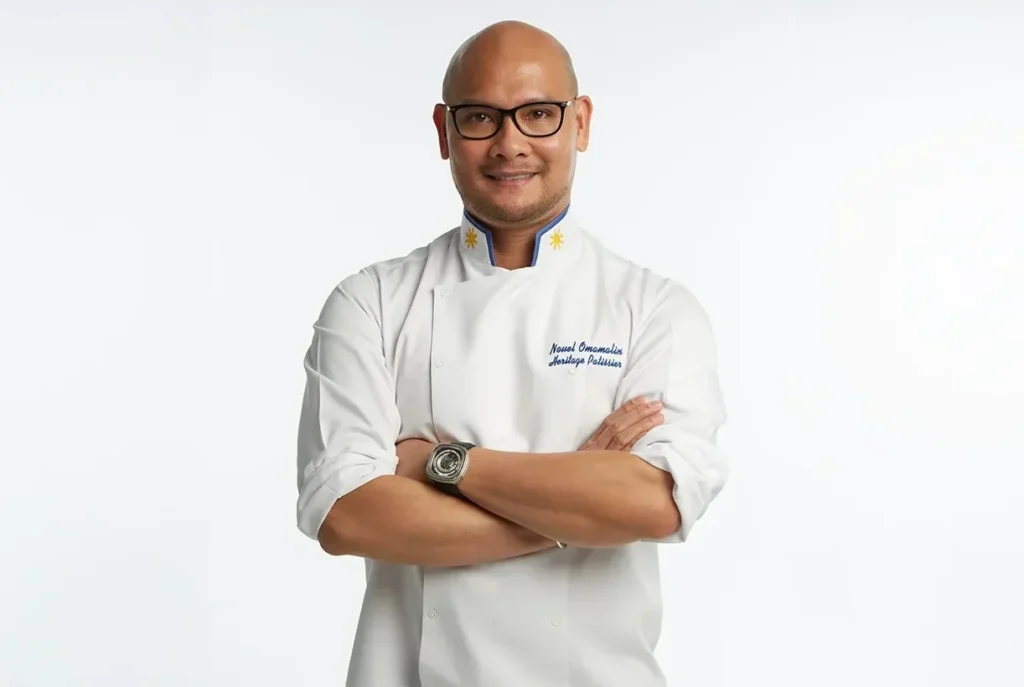
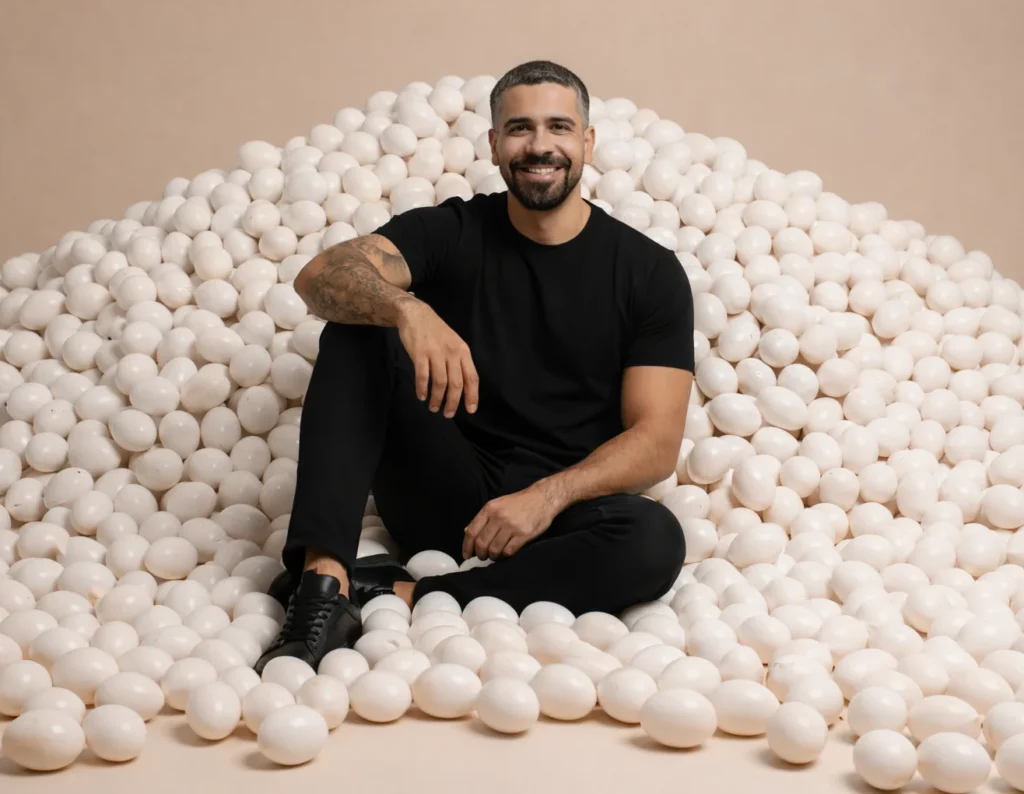
Chef Nouel Catis, The Architect of Edible Memory By Paul Smith A city obsessed with speed and spectacle rarely pauses for sweetness, yet tucked within Dubai’s ever evolving culinary landscape is a kitchen guided by memory rather than momentum. Chef Nouel Catis works quietly with sugar, flour, and chocolate, not to impress but to reconnect. While his creations are globally recognised, his true craft lies in something more intimate. He designs desserts that feel personal, familiar, and deeply human, resisting the industry’s fixation on novelty in favour of emotion and meaning. For Catis, innovation has never meant abandoning who he is. Creativity begins with looking inward, drawing from heritage, childhood, and lived experience. Where many chefs chase surprise for its own sake, he finds power in the familiar, transforming known flavours into something quietly extraordinary. Every dessert must carry a story, a feeling, or a memory. Without that emotional anchor, he believes it has no place on the plate. His approach to creativity is patient and reflective. Rather than racing toward trends, he treats the past as a source of untapped ideas. The flavours and textures that shaped his early life become the foundation for modern techniques, allowing his work to feel both progressive and grounded. Each dessert becomes a narrative, inviting diners to feel something before they analyse anything. Identity guides every decision, ensuring the person behind the pastry is never lost. Ingredients play a central role in this philosophy. Catis listens to them before attempting to reshape them. Fruits, spices, and cacao are chosen for their history and character, not just their visual appeal. When encountering a local or unfamiliar ingredient, his instinct is not to manipulate it but to understand it. He allows its natural qualities to lead the creative process, stepping back so the ingredient itself can speak. his respect extends to sustainability, which he treats as an ethical responsibility rather than a trend. Every recipe is designed with intention, from sourcing to yield. Years of working in environments where resources were limited taught him to value every element. Waste is not simply avoided, it is reimagined. High quality ingredients are central to this mindset, as integrity in sourcing leads to better flavour, longer shelf life, and less excess. For Catis, true luxury lies in restraint and respect. Technology has its place in his kitchen, but it is never allowed to replace intuition. Precision tools support consistency, especially at scale, yet the soul of the dessert comes from touch, smell, and instinct. He trusts human senses over machines, believing that emotion cannot be programmed. A dessert should feel crafted, not processed, and diners can sense the difference. Collaboration is another cornerstone of his work. Local farmers and producers shape his menus, grounding global techniques in regional identity. Working with seasonal ingredients in a desert climate demands creativity and flexibility, challenges he embraces. Dates, pistachios, and saffron are treated not as symbols but as storytelling tools, allowing his desserts to feel rooted in the UAE while remaining globally relevant. He also reimagines the role of dessert itself. Rather than a heavy conclusion, he sees it as a moment of pause. His creations are designed to slow diners down, offering a sensory experience that lingers beyond the final bite. Presentation becomes part of the story, inviting curiosity and emotional connection before taste even enters the conversation. Success is measured not in photographs but in memory. The project widely known as the Dubai Chocolate reflects this philosophy perfectly. What became a global sensation began as a simple attempt to express regional flavour through an accessible format. Its impact revealed something deeper: people crave authenticity and a sense of place. The chocolate bar proved that heritage, when shared honestly, resonates far beyond borders and fine dining rooms. As a mentor, Catis encourages young chefs to build foundations before chasing visibility. Mastery, patience, and discipline matter more than followers or hype. Leadership, in his view, is quiet and consistent, rooted in listening and humility. Growth should be meaningful before it becomes large. Looking ahead, he envisions a dessert culture shaped by intention rather than excess. One that values story, sustainability, and emotion as much as technique. The future of pastry, as he sees it, belongs to chefs who remember where they came from and why they began. Chef Nouel Catis reminds us that progress does not require abandoning the past. Through his work, dessert becomes a bridge between memory and modernity, culture and craft. In a city that rarely slows down, he offers something rare and lasting: truth, served sweetly.

Ayman Yaman, The Architect of Attention

Ayman Yaman, The Architect of Attention

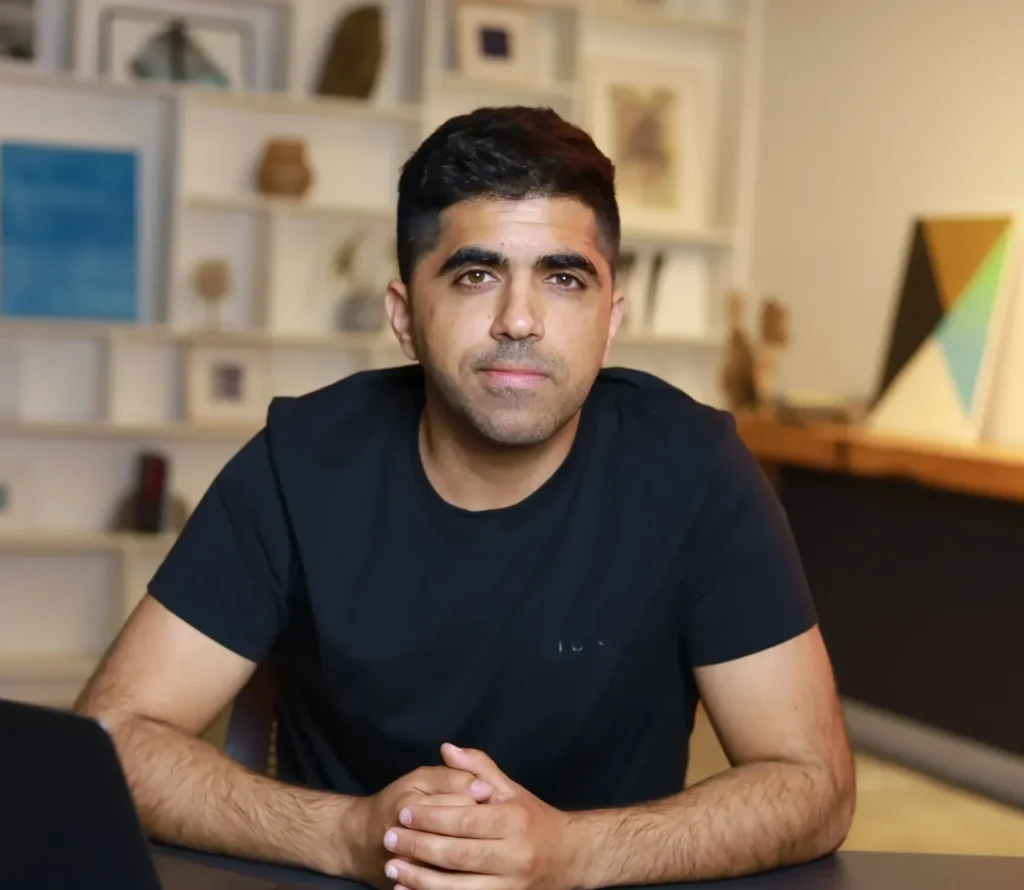
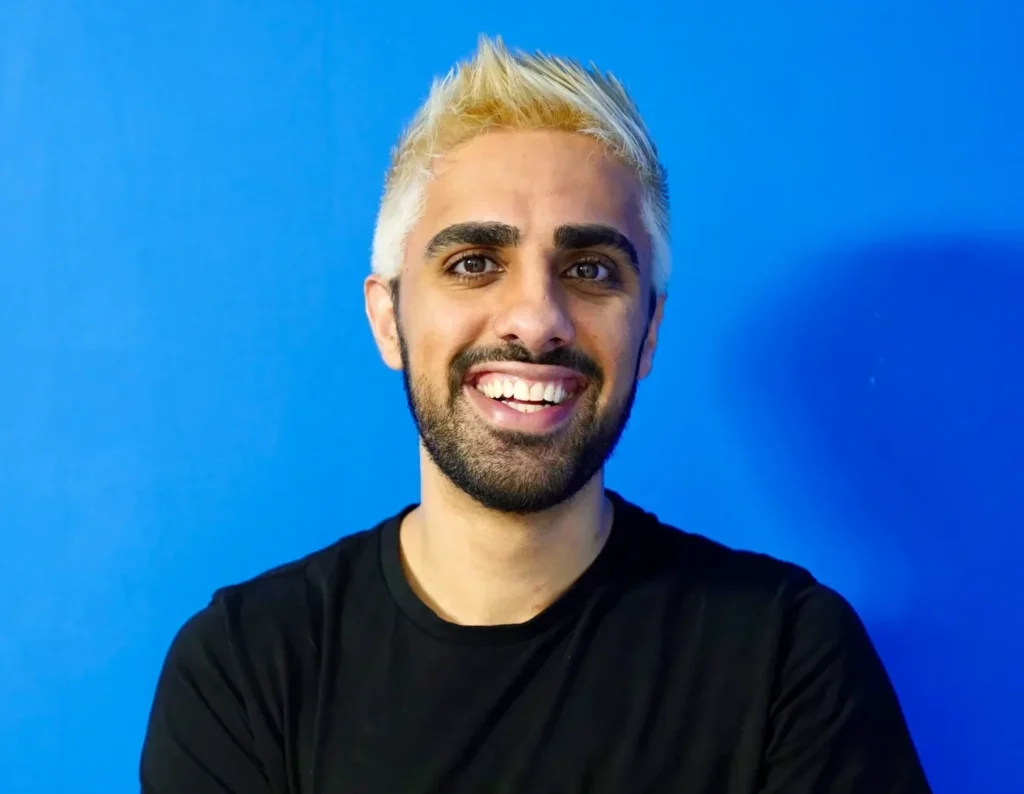
Ayman Yaman, The Architect of Attention and the Radical Blueprint for a New Era of Digital Influence By Natalia Davis Digital culture moves fast, burning bright and disappearing just as quickly. Against that restless backdrop, Ayman Yaman has built something rare: work with weight, shape, and intention. His journey reads less like a viral fairytale and more like a slow, deliberate evolution, from a teenager experimenting with content to a founder quietly reshaping how the creator economy thinks about influence, structure, and longevity. While many are still searching for direction, Yaman has already started redefining the ground beneath it. His rise was never about sudden fame or lucky timing. What sets him apart is far less glamorous and far more powerful: consistency. It began at sixteen, in the ordinary setting of a bedroom, with a camera and the habit of showing up every day. There was no master plan, no talk of impact or scale, just repetition, curiosity, and a willingness to keep going. Over time, something changed. The posts stopped feeling like messages sent into the void. People returned. They recognized a tone, a rhythm, a point of view.  What started as a pastime slowly revealed itself as a form of connection. Yaman understood early that presence, sustained long enough, turns into trust. Rather than getting swept up in numbers, he leaned into observation. The internet became his classroom, and his audience, his teachers. He paid attention to what people responded to, what moved them, what they scrolled past without a second thought. That quiet study of human reaction shaped everything that followed. For Yaman, growth was never just about data or reach; it was about understanding emotion. That belief became the backbone of his work, informing the creation of Bottle Flip Agency and later initiatives like Brand Me and Just Disconnect. Strategy, in his world, begins with psychology. Choosing authenticity in a trend-driven environment came with its own risks. While others chased formats and algorithms, Yaman made a deliberate decision to stay rooted in his own voice, even when it meant sounding blunt or falling out of sync with what was popular. He saw early on that trends deliver attention, not loyalty. By letting go of the need to please everyone, he attracted a smaller but deeply invested audience. Influence, as he sees it, isn’t about mass approval; it’s about resonance that lasts. Authenticity isn’t branding language for him, it’s how relevance survives. As Bottle Flip grew, so did his perspective. The shift didn’t arrive with a single breakthrough moment. It showed up gradually, in the kinds of conversations creators started having with him. They stopped asking for exposure and started asking for direction. Visibility was no longer enough; they wanted sustainability, systems, something that could outlive a platform or a phase. Yaman realized his role had changed. He wasn’t managing content anymore, he was helping build ecosystems where influence could turn into businesses, ideas into infrastructure. Hosting conversations with high-performing thinkers through his podcast sharpened that understanding even further. Across industries and disciplines, he noticed the same pattern: people who create lasting impact think in systems. They move slowly when it matters, ignore noise, and place their energy with intention. Success, at that level, tends to be quiet. It doesn’t announce itself. It compounds. He saw reflections of that mindset in peers like Ghazi, who transformed influence into something cultural and enduring rather than fleeting. One of the most unexpected elements of Yaman’s philosophy is his commitment to silence. Just Disconnect emerged from a very personal need to step away from constant visibility and pressure. He speaks openly about the importance of unplugging, not as an escape, but as a reset. Distance, for him, creates clarity. Time offline sharpens his voice rather than dulling it. The initiative reflects a belief that creativity needs space, and that constant access eventually erodes intention. Disconnecting, in his view, is what makes meaningful return possible. When young creators look to him for advice, he doesn’t offer shortcuts or motivational soundbites. He talks about discipline. About doing the unglamorous work every day. About paying attention to the people on the other side of the screen and building structures that turn attention into something useful. He warns against rushing, against copying, against confusing visibility with value. Real growth, he insists, comes from patience and focus, not hacks. Looking ahead, Yaman doesn’t frame his legacy around status or distance. He wants to be remembered as accessible, as someone whose work felt human and grounded. The platforms he has built—Brand Me, Bottle Flip, Just Disconnect—matter to him because they create space for others to grow. Influence, in his eyes, only counts if it opens doors for more than one person. If he could speak to his sixteen-year-old self, the advice would be simple and calm. Ignore the numbers. Study people. Learn how attention works, how connection is built, how systems sustain what talent starts. Fame fades. Structure lasts. Build the system and let time do its work. Ayman Yaman’s story ultimately circles back to something timeless. Even in an age shaped by algorithms and automation, human response remains the most powerful force online. He hasn’t learned how to manipulate it, but how to respect it. What he’s built isn’t just influence, it’s a space where creativity, business, and sincerity can exist together. Sometimes, the most meaningful part of the message is found not in the post itself, but in the quiet between them

MO Vlogs

MO Vlogs, Behind the Lens of Dubai’s Most Iconic Storyteller

Mo Vlogs, Behind the Lens of Dubai’s Most Iconic Storyteller By Jane Stevens Long before Dubai became shorthand for global spectacle, Mohamed Beiraghdary, widely known as Mo Vlogs, was quietly documenting its rhythm. What began as a personal habit of filming daily life grew into something far more influential, a living record of a city and a generation finding their voice online. More than a content creator, Mo became a witness to change, capturing Dubai not as a destination, but as a place lived in, argued with, celebrated, and understood. His videos were never about display alone. Luxury cars and iconic skylines appeared naturally, but they were never the point. What mattered was the feeling beneath the visuals, the conversations, the energy of the streets, the ordinary moments that revealed character. Viewers did not just watch Dubai through Mo’s lens, they felt it. That sense of intimacy is what set his work apart from the beginning. Recognition came gradually. The first time strangers stopped him in public, it was not the attention that stayed with him, but the realization that his presence carried meaning for others. People were not responding to a persona, they were responding to perspective. That awareness shaped everything that followed. Instead of chasing trends or engineering virality, Mo leaned into honesty. He kept filming his life as it was, trusting that sincerity would travel further than performance. As the city expanded and transformed, so did his audience. Dubai was often misunderstood from the outside, reduced to headlines or clichés. Mo’s work offered a different narrative. His camera moved through cafés, streets, events, and everyday encounters with the ease of someone who belonged there. He was not presenting a polished fantasy, but a lived reality shaped by diversity, ambition, humor, and contradiction. The city felt human because the storyteller was. What makes Mo Vlogs enduring is his instinct for simplicity. His content does not rely on heavy scripting or spectacle. It works because it mirrors how people actually experience life. A conversation, a reaction, a shared laugh. He understands intuitively that if a moment feels engaging to a stranger, it holds value. That clarity has allowed his work to remain relevant even as platforms, formats, and attention spans continue to change. The early years were not without resistance. Social media once carried a stigma, especially for those openly sharing their lives online. What is now considered normal was once dismissed as unserious or embarrassing. Mo persisted anyway. He sensed that documenting life was not a distraction from reality, but a new form of storytelling. Time proved him right. What was once questioned became cultural habit, and Mo stood among those who helped normalize that shift. Consistency has always been the quiet engine behind his success. Showing up daily, filming without shortcuts, and staying curious about people has shaped both his work ethic and his relationships. Whether meeting fans or strangers, he approaches each interaction with respect. He understands that how you treat people off camera matters just as much as what you show on it. At the center of his philosophy is a simple belief. Humanity comes before popularity. Kindness builds connection. Curiosity creates meaning. His videos reflect an ongoing fascination with people, not just their highlights, but their nuances. By documenting small moments alongside bigger ones, he invites viewers to slow down and notice the texture of everyday life. As technology continues to evolve, Mo remains grounded in principles that do not expire. Platforms change. Algorithms shift. Human nature does not. People still want to feel seen, entertained, and understood. That understanding allows him to adapt without losing himself, maintaining trust with an audience that has grown alongside him. Success, for Mo, has never been about numbers alone. Views and followers matter less than impact. The real measure lies in the joy he brings, the curiosity he sparks, and the sense of connection he creates across cultures. His work reflects a belief that storytelling should leave people lighter, more engaged, and more open than before. His journey has no single defining moment. It is a collection of days, conversations, risks, and reflections that together form a narrative still unfolding. Dubai has been both setting and collaborator, evolving as he does. Through his lens, the city feels less like a symbol and more like a shared experience. Today, Mo Vlogs stands as more than a digital figure. He is a storyteller who built trust by staying human. His archive is not just content, but memory. A record of a city growing, a medium maturing, and a life lived openly. By choosing honesty over performance and connection over spectacle, he has created a legacy that extends beyond platforms and trends, one grounded in presence, curiosity, and the simple power of showing up.

Mahdi Al Shafiei

Mahdi Al Shafiei, The Visionary Who Turned Rejection Into Possibility

Mahdi Al Shafiei, The Visionary Who Turned Rejection Into Possibility By Eman Sultan Some entrepreneurs build companies while others build movements. Mahdi Al Shafiei belongs firmly to the latter. His journey was never about chasing titles or validation. It was about redefining ambition for a new generation. Long before his name became associated with billions of views and global expansion, he was simply a young boy growing up in Dubai, watching a city rise from sand to skyline at an unprecedented pace. In that environment, reinvention was not an exception but a rule. For Mahdi, it became a way of life. Between cranes, construction, and constant transformation, a quiet belief took shape that he, too, could create something meaningful and lasting. His foundations were formed long before investors or business plans entered the picture. Raised by Iranian Emirati parents, Mahdi grew up with discipline, responsibility, and a strong sense of identity. Dubai added another layer by offering imagination and the belief that possibilities had no limits. That balance between structure and vision became the core of his personality and later the backbone of his success. At Sheffield Private School, Mahdi was never the loudest voice in the room, but he was always the most observant. He studied people closely, noticing patterns in behavior and influence. At Canadian University Dubai, where he studied communication and advertising, that curiosity deepened into an obsession with understanding why people listen, why ideas spread, and why certain stories resonate. These questions shaped not only his education but his future direction. As he puts it, “I was always fascinated by why some ideas catch fire and others just fade away.” The defining moment of his career came through rejection. While working as an employee filled with belief in an idea he pitched, the response he received was a simple no. What seemed like a closed door became a moment of clarity. “If I truly believed in it, I had to make it happen myself. Looking back, that rejection was the best thing that ever happened to me. It forced me to create something on my own terms, and that’s exactly why I’m here today.” That moment marked the transition from employee to builder. At just 24 years old, Mahdi founded what would later become Trifid Media. The early days were far from polished. He entered entrepreneurship believing passion and online research could solve everything, only to be met with the realities of contracts, failed deals, financial mistakes, and constant uncertainty. Instead of being discouraged, he treated every setback as a lesson. Step by step, he built systems and structures that eventually became the foundation of Trifid’s global operations. As the company grew, so did attention around his leadership style. Unlike traditional executives, Mahdi deliberately built a young team, seeing fearlessness and optimism as assets rather than risks. He placed trust in people before they believed in themselves, and that trust often transformed them. At Trifid Media, creativity is not constrained by hierarchy. Youth is viewed as speed, courage, and a direct connection to the future. “I want my team to think like owners, not employees,” he says, a philosophy that defines the culture he has created. Despite the scale Trifid Media has reached, Mahdi remains deeply involved in the work. He continues to record, edit, and mentor, driven more by passion than ego. He rejects the idea of work life balance, seeing it as limiting, and instead embraces what he calls work life harmony, where purpose and profession are aligned. Trifid Media’s expansion across the GCC and into Australia reflects this mindset. What began as a simple holiday evolved into a major turning point when casual social media content sparked conversations, inquiries, and partnerships. Within months, the company established a presence on a new continent. “Marketing in Australia is still practiced in a very traditional way. There’s a huge opportunity for content virality, and that’s exactly what we do.” Today, Trifid Media operates as a global network of more than 250 professionals, producing hundreds of videos daily and managing creators across multiple regions. Now at 30, Mahdi Al Shafiei stands at the forefront of a global creative empire, yet his definition of success remains deeply personal. It is measured not by numbers alone, but by the lives he has impacted and the young professionals he chose to believe in before anyone else did. “I’m not racing toward a finish line, I’m savoring the journey.” That quiet conviction, born from rejection and fueled by vision, continues to shape everything that lies ahead.

Chef Fatima Redefining Emirati Identity Through The Art Of Pastry

Chef Fatima, Redefining Emirati Identity Through The Art Of Pastry

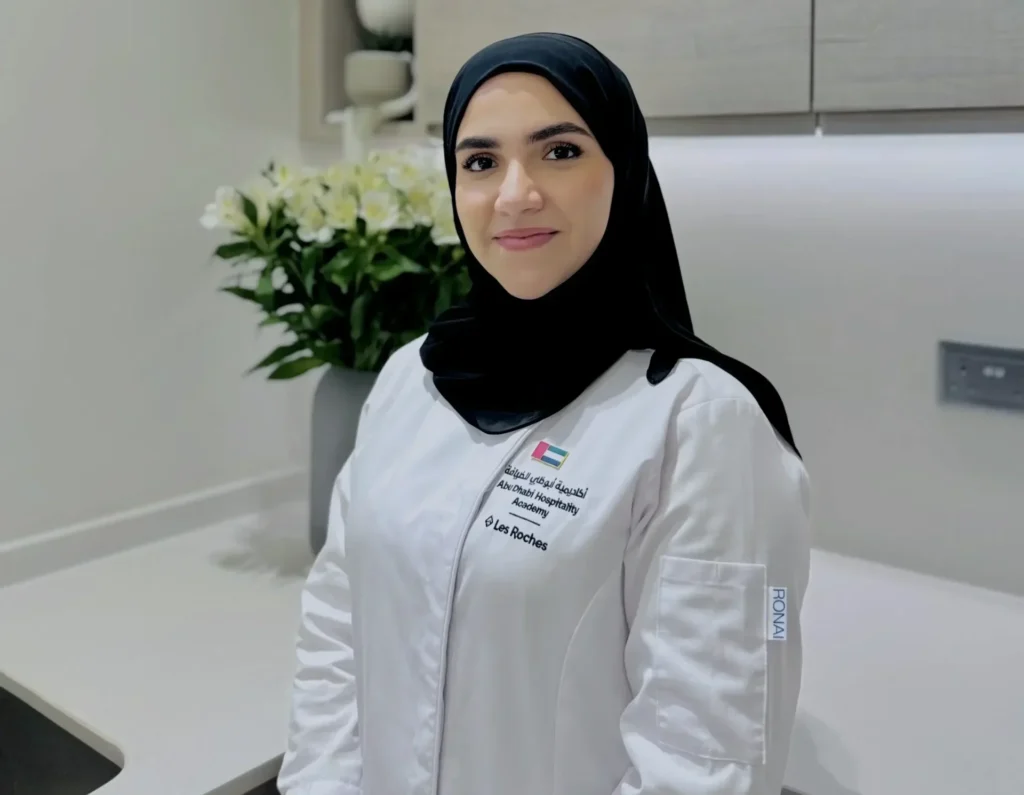
Chef Fatima, Redefining Emirati Identity Through The Art Of Pastry By Peter Davis For Chef Fatima, creativity in the kitchen begins long before flour is weighed or ovens are switched on. It begins with memory. One flavor in particular continues to guide her culinary voice, saffron. In her childhood home, it infused almost everything, tea, rice, chebab, balaleet, becoming part of daily life rather than a luxury. Today, she reimagines that same aromatic spice in macarons, éclairs, cakes, and layered desserts, exploring its balance with sweetness, spice, and tang. For her, saffron is not nostalgia alone, it is a living ingredient with limitless potential. As a certified pastry chef and a Les Roches student ambassador, Chef Fatima embodies a rare balance between emotion and precision. She believes great chefs must hold both artistry and discipline in equal measure. Emotion and imagination take shape at the very beginning of her process, inspired by nature, travel, visual art, and flavors that linger in memory. She sketches ideas before stepping into the kitchen, photographs moments that spark creativity, and allows herself to feel deeply connected to what she is creating. Once inside the kitchen, however, emotion gives way to rigor. Technique, repetition, and scientific accuracy take control. When a recipe fails, grit and perseverance become essential. For her, the kitchen demands toughness, but when discipline meets passion, something extraordinary happens. Looking at the future of pastry in the UAE, Chef Fatima sees innovation rooted not in novelty alone but in cultural fusion. She believes the next generation of pastry will be shaped by the thoughtful integration of Emirati flavors into global dessert traditions. Trends like Dubai chocolate, where pistachio and kunafa meet Swiss chocolate, are just the beginning. To her, this fusion is an opportunity to introduce local flavors to the world in a way that feels refined, modern, and authentic. Unlike many chefs who speak of signature dishes, Chef Fatima is guided by a signature philosophy. Every creation begins with visualization. She walks outdoors, revisits personal memories stored in her camera roll, sketches ideas on paper, and invites conversation by sharing her concepts with others. Fresh perspectives matter to her. Only then does experimentation begin. She follows her own style deliberately, resisting the pull of trends. If a dish does not resonate with her first, it does not move forward. She believes every chef carries a distinct voice, and expressing that individuality is what gives the culinary world its richness. If the UAE’s culinary identity were transformed into a dessert, Chef Fatima imagines it as tangy, warm, and comforting. It would feel modern and evolved, yet deeply familiar, innovative yet grounding. Above all, it would evoke unity, delivering a sense of home while embracing progress. As part of a new generation of Emirati chefs stepping into global hospitality spaces, she carries her culture with pride and intention. Every kitchen she enters becomes a place where Emirati heritage can be represented with respect and clarity. She feels a responsibility to highlight the beauty of her traditions and ensure they are understood not as static history, but as a living, evolving culture. In pastry, consistency is everything, yet creativity thrives on experimentation. Chef Fatima believes the bridge between the two is science. Once a chef understands the chemistry behind ingredients, precision becomes freedom rather than limitation. Her experience working on the Expo festival cake structure brought this philosophy to life. Collaborating closely with engineers, she navigated physics, mathematics, and material behavior, considering stability, heat, sunlight, and ingredient reactions. Only by mastering these technical realities was she able to push creative boundaries without compromising structure or safety. Failure, she says, is inseparable from growth. Every mistake in the kitchen, whether small or significant, has shaped who she is today. Sometimes the science is pushed too far, and a dish fails, not because the idea was wrong, but because it needs to be approached differently. One defining experience came in 2022 when she entered pastry school at just fifteen years old, the youngest in her class. That moment shifted her mindset completely. Surrounded by older students, she realized she had time, potential, and the ability to study pastry arts on a deeper, more technical level. Rather than a single failure, it was a series of challenges and lessons that transformed her craft and strengthened her belief in herself. In an era where social media often dictates creative direction, Chef Fatima remains grounded in authenticity. She believes growth comes from uniqueness, not imitation. Her content is deeply personal, aligned with her values, and she is selective about collaborations that reflect her vision. While she understands the mechanics of visibility and reach, she refuses to compromise her identity for the sake of an algorithm. Looking ahead, her ambition is clear and unwavering. Chef Fatima dreams of opening her own restaurant and earning Michelin stars, a journey she plans to begin within the next five years. It is a vision built not on trends or shortcuts, but on discipline, cultural pride, and a deep respect for both art and science. In redefining Emirati pastry for a global audience, she is not just creating desserts, she is shaping a legacy, one thoughtful creation at a time.

Mariam Mohamed

Redefining Representation, Mariam Mohamed, An Emirati Voice On The Global Miss Universe Stage

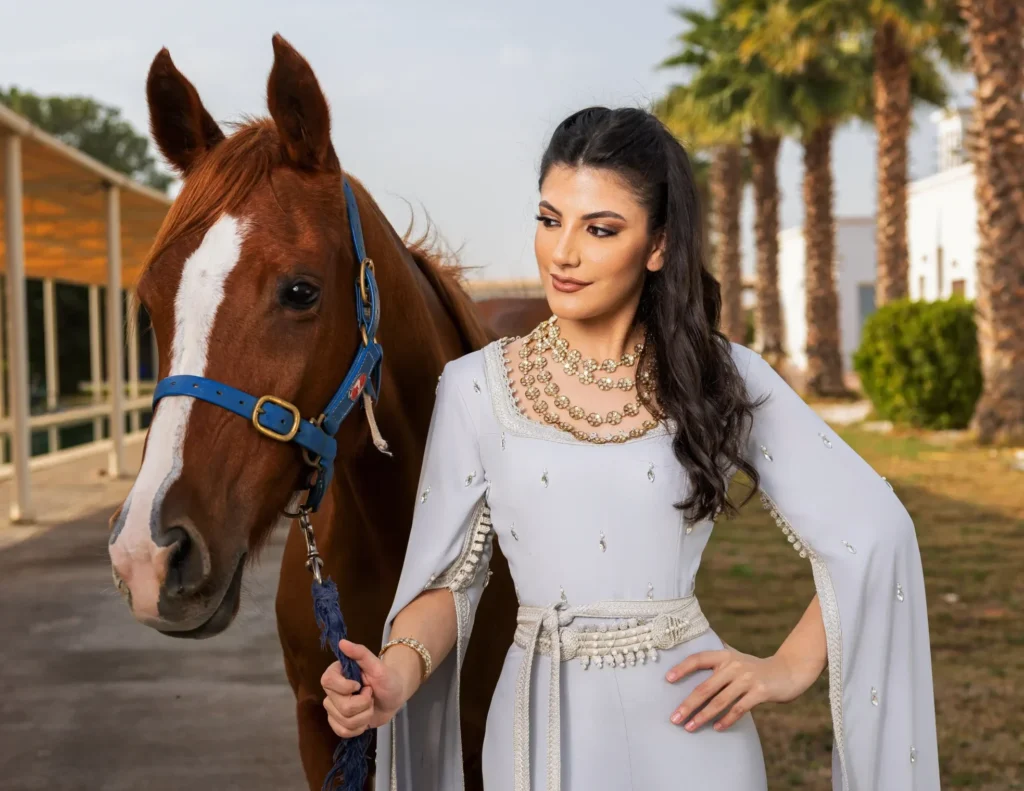
Redefining Representation, Mariam Mohamed, An Emirati Voice On The Global Miss Universe Stage By Sidra Asif Making history as the first Emirati woman to represent the United Arab Emirates at Miss Universe 2025, Mariam Mohamed embodies a moment of profound pride, purpose, and possibility. For Mariam, this achievement is not merely the fulfillment of a personal dream but the beginning of a larger responsibility to her community and her nation. Standing on one of the world’s most visible stages means carrying her values, her culture, and her aspirations with intention and grace. She sees this milestone as an opportunity to uplift others, especially young women, reminding them that their ambitions are valid, achievable, and worth pursuing. Beyond the crown and the spotlight, Mariam is eager to showcase the UAE’s extraordinary creative talent, from designers to artisans, and to share the beauty, innovation, and cultural richness of her country with a global audience. Mariam’s journey is shaped by a rare blend of disciplines. With an academic foundation in Economics from the University of Sydney and ongoing fashion studies at ESMOD Dubai, she seamlessly bridges analytical thinking with creative expression. Economics fuels her curiosity about how the world works and how systems can be improved, while fashion provides her artistic outlet and lifelong passion. Together, these worlds inform her approach to leadership and advocacy.  Mariam envisions building a fashion business rooted not only in creativity but also in impact, one that gives back through charity, empowers others, addresses abuse in all forms, including online harassment, and contributes to reducing global poverty. As a self-described voice for Emirati women, Mariam is determined to challenge outdated perceptions. On the Miss Universe stage, she wants the world to see Emirati women as strong, ambitious, educated, creative, and deeply grounded in their values. She represents a generation that is modern and forward-thinking while remaining proudly connected to its cultural identity. Her message is clear: women can lead, innovate, and dream boldly without losing sight of who they are. Emirati women support one another, uplift their communities, and excel across education, business, fashion, and humanitarian work. Mariam’s sense of identity is deeply rooted in traditional Emirati pastimes such as falconry and camel riding. These experiences connect her to her heritage and instill values of patience, discipline, resilience, and respect for nature. Rather than seeing these traditions as relics of the past, she embraces them as sources of strength in global spaces, providing clarity about where she comes from and grounding her presence on international stages. This connection to heritage is powerfully expressed through her introductory Miss Universe costume, inspired by the falcon. A symbol of courage, freedom, and pride, the falcon reflects the spirit Mariam hopes to embody and project. Through this design, she sought to portray Emirati women as fearless, ambitious, and deeply proud of their culture. It also serves as a modern artistic celebration of her passion for falconry. Like the falcon, Mariam believes that success requires movement and courage. Dreams can only be reached when one dares to fly rather than remain still. Sustainability is another key pillar of Mariam’s advocacy, particularly within the fashion industry. She views the UAE as a leader in shaping a future where innovation and environmental responsibility go hand in hand. From sustainable materials to supporting local artisans, she believes the region has the potential to redefine responsible fashion. Her ambition is to collaborate with brands and designers to create collections that are glamorous yet ethical, creative yet community-focused. Through her platform, she also aims to spotlight local designers internationally, champion Arab fashion, and show that Arab women can thrive and lead in the global fashion industry. Mariam’s vision extends beyond fashion into tangible social impact. As her Miss Universe journey unfolds, she hopes to launch a business that celebrates Arab creativity while directing a portion of its profits toward charitable causes, particularly those addressing poverty and supporting women in developing communities. She is also committed to using her platform to advocate for kindness, self-confidence, and digital safety. Having witnessed the harm caused by cyberbullying, Mariam aspires to help create online spaces that inspire people to uplift one another rather than tear each other down. Balancing modern ambition with cultural heritage comes naturally to Mariam, as both are integral to her identity. Raised with values such as respect, generosity, and pride in her roots, she carries these principles into every aspect of her life. At the same time, the UAE’s culture of ambition has taught her that dreaming big is something to embrace, not suppress. For Mariam, tradition provides strength while ambition offers direction, together shaping the woman she is becoming. As she prepares to stand alongside contestants from more than 130 countries, Mariam believes the most resonant part of her story is her personal growth. Choosing to rise above challenges, find her voice, and build confidence from within has defined her journey. Her message to a global audience is one of courage and self belief. Confidence begins when you stop listening to negativity and start trusting yourself. Dreams, she believes, do come true when pursued with determination, authenticity, and heart. Looking beyond Miss Universe 2025, the legacy Mariam hopes to leave is rooted in kindness, empowerment, and unity. She wants future pageant hopefuls in the UAE and young Arab women everywhere to know that success does not require fitting into a stereotype or changing who you are. As a natural introvert, she has proven that courage is not about being loud, but about believing in yourself and stepping outside your comfort zone when it matters. Her message is simple yet powerful. Stand tall, be yourself, protect your confidence, and never allow anyone to diminish your worth. Uniqueness is not something to hide. It is something to celebrate, because it is what makes every woman truly special.

Stitching Identity How Emirati Women Designers Are Redefining Modern Luxury

Stitching Identity How Emirati Women Designers Are Redefining Modern Luxury

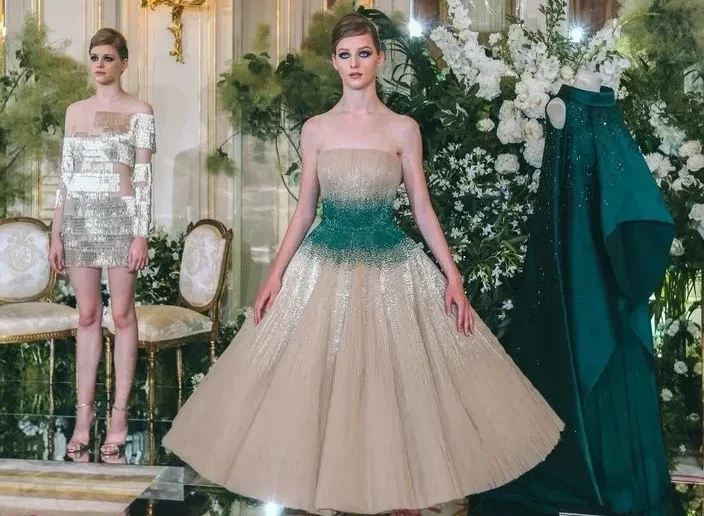
Stitching Identity How Emirati Women Designers Are Redefining Modern Luxury By Eman Sultan Stitch by stitch, a new generation of Emirati women designers is reshaping the language of luxury. Rooted in heritage yet confidently global, their work reflects a powerful dialogue between tradition and modernity, modesty and innovation, individuality and collective memory. Across the Emirates, fashion is no longer merely an aesthetic pursuit; it has become a cultural statement, a narrative form, and a declaration of identity. From fluid abayas reimagined with architectural precision to minimalist silhouettes informed by Scandinavian restraint and Japanese philosophy, Emirati women designers are carving out a distinct space on the international fashion stage. Their creations honour the past while speaking fluently to the present, transforming fabric into stories that resonate far beyond the region. Over the past decade, the UAE’s fashion ecosystem has undergone a remarkable evolution. Emirati women have emerged as influential voices in both luxury and modest fashion, seamlessly merging ancestral roots with cosmopolitan sensibilities. Their collections are positioning the Emirates as a rising hub of fashion excellence, where authenticity and innovation coexist. As one designer aptly puts it, fashion is not about following directions, but about translating emotion into form. This new wave of designers does more than create clothing. They craft meaning. Through daring prints, inventive silhouettes, essential classics, and majestic gowns, they articulate a vision of contemporary Emirati womanhood that is confident, thoughtful, and deeply expressive. Each piece stands as a testament to artistic skill, cultural pride, and the dynamic transformation of fashion in the Emirates. Azzalia Quiet Confidence, Reimagined Born and raised in Dubai, Sheikha Amal Al Maktoum grew up at the intersection of tradition and modernity. Surrounded by the understated elegance of Emirati heritage and inspired by the ever-evolving global fashion landscape, she developed an early understanding of balance: where strength meets delicacy, and respect for the past fuels bold reinvention. The name Azzalia carries intimate meaning, inspired by the names of her daughters and infused with notions of familial love, continuity, and grace. For Amal, the brand is a living legacy, one she hopes every woman who wears Azzalia will embody. With a background in business and design management, she approaches fashion with equal parts creativity and strategy, recognising clothing as both an artistic and cultural medium. Founded in 2015, Azzalia was born from a desire to redefine modern Arab luxury. Amal observed how women in the region used fashion to express identity and empowerment, and she saw an opportunity to elevate modest fashion beyond convention. Each collection begins with a story, blending fluid abayas and capes with precise tailoring, soft organza with architectural lines, and timeless craftsmanship with forward-thinking sustainability. Ethical practice is central to the brand’s ethos. Responsibly sourced fabrics, limited production runs, and collaboration with local artisans ensure that each garment carries intention and integrity. Azzalia has grown into more than a label; it is a platform for empowerment, offering versatile, luxurious pieces that celebrate individuality while remaining deeply rooted in cultural identity. Featured in leading regional publications and showcased at fashion weeks across the Middle East, Azzalia has become a creative movement. As Amal herself reflects, she does not simply design garments; she crafts stories that women can wear, rooted in heritage and shaped for the future. Madiyah Al Sharqi Elegance Beyond Time Raised in the tranquil landscapes of Fujairah, Sheikha Madiyah Al Sharqi’s aesthetic was shaped by the poetic contrast between ancestral palaces and modern architecture. Filigree windows, saffron dunes glowing at dawn, and the quiet majesty of her surroundings left an indelible mark on her creative vision, one that balances tradition with contemporary refinement. Her formal fashion journey began at ESMOD Paris, where she immersed herself in couture discipline and atelier craftsmanship. While Paris taught her precision and structure, her inspiration always remained rooted in home. In 2012, she returned to the UAE to launch her namesake label, initially focusing on bespoke pieces before expanding into ready-to-wear collections. Craftsmanship sits at the heart of Madiyah’s work. Delicate embroidery, featherwork, and hand-pleating define her designs, each piece reflecting hours of meticulous refinement. Her aesthetic is unmistakably feminine, with pastel-hued silks, whisper-light chiffons, and soft organza forming fluid, romantic silhouettes. Tailoring is precise yet gentle, prioritising movement and wearability over rigidity. Madiyah’s brand celebrates timeless elegance and cultural authenticity. From ethereal bridal gowns to refined everyday pieces, her collections tell stories of understated luxury and modern femininity. Proudly bearing the “Made in the UAE” label, she collaborates closely with local artisans and ateliers, ensuring that each garment carries the spirit of place. For Madiyah, true elegance transcends trends; it is a spirit that endures beyond seasons. Twisted Roots Where Utility Meets Poetry Latifa Al Gurg’s life has always been a conversation between cultures. Raised between Copenhagen and Dubai, with an Emirati father and Danish mother, she grew up immersed in Scandinavian minimalism and Middle Eastern tradition. This duality became the foundation of her design philosophy, weaving two worlds into a singular, purposeful vision. Her path to fashion was unconventional. With a degree in electrical engineering and a career in tech consulting, Latifa developed a deep appreciation for structure, function, and problem-solving. It was during her work on construction sites that she confronted a practical challenge: the lack of clothing that was both modest and functional. This experience sparked the idea behind Twisted Roots, launched in 2014. Approaching fashion as an engineered system, Latifa designs garments where form follows function and every seam serves a purpose. Twisted Roots merges minimal Scandinavian aesthetics with the expressive fluidity of Middle Eastern dress, creating pieces that are versatile, comfortable, and elegant. Her collections are designed to transition seamlessly across professional, social, and spiritual settings. Adaptability lies at the core of the brand’s philosophy. Modesty, for Latifa, is not a limitation but a form of freedom. Ethical production, small-batch manufacturing, and sustainable sourcing further reinforce the brand’s intentional approach. Twisted Roots is more than clothing; it is a cultural map, stitched with purpose and worn with confidence.

Nouf Al Qadi

Nouf Al Qadi, A New Generation Of Emirati Climate Voices Bringing People Back Into The Climate Conversation

Nouf Al Qadi A New Generation Of Emirati Climate Voices Bringing People Back Into The Climate Conversation By Sidra Asif Across the UAE, climate conversations are evolving. For years, they were shaped mainly by data, policy language, and global agreements. Today, a new kind of voice is emerging in the country’s sustainability space: young Emiratis who believe that environmental action begins with human connection. Among these voices is Nouf Al Qadi, a young environmental professional whose approach blends scientific knowledge with community-driven awareness. Nouf does not position herself as an activist in the traditional sense. She does not speak in slogans or alarmist tones. Instead, she believes that the most powerful environmental progress happens when people feel a direct emotional bond with the land and sea around them. For her, climate action is not only about meeting targets. It is also about understanding heritage, valuing place, and recognizing the deep cultural relationship Emiratis have always shared with nature. Young Emiratis are bringing heart back into the conversation, she explains, highlighting a shift away from purely technical communication. We are sharing lived experiences and real stories, not only numbers. Sustainability in the UAE is part of who we are, not just a policy goal. Her approach reflects an important moment in the region. As the UAE expands its renewable energy programs, conservation projects, and sustainability initiatives, individuals like Nouf are ensuring that public engagement grows along with them. The Role of Storytelling in Science Nouf’s background gives her a strong foundation in environmental research, but she is equally committed to storytelling. She believes that climate action becomes meaningful only when people personally relate to it. Data alone does not move people, she says. Stories do. Science gives me the facts, but storytelling gives those facts a soul. Her method is straightforward: translate technical knowledge into everyday language so people understand why environmental protection is necessary, not just what it requires. This combination of clear communication and scientific accuracy is increasingly valuable in the UAE, where sustainability is now a key pillar of national strategy. Youth Initiatives Turn Awareness Into Action For many, youth involvement in climate discussions is still associated with awareness campaigns and educational workshops. Nouf sees something much stronger happening. According to her, young people in the UAE are not only learning about environmental responsibility. They are actively shaping it. She points to initiatives such as mangrove restoration projects, zero-waste community programs, and nature-focused content platforms run by young Emiratis. Youth-led initiatives are now catalysts for real on-ground action, she notes. We are showing that creativity and collaboration can drive climate efforts, not only policy directives. This perspective reflects a broader national movement. The UAE has created platforms for youth voices in government, business, and science. Nouf represents the spirit of that involvement: practical, informed, and consistent. Building Connections Across Generations One of the strongest ideas in Nouf’s approach is the need to connect generations. She believes sustainable progress is not possible without learning from those who lived closer to nature in the past. The wisdom of older generations and the innovation of youth must meet in the middle, she says. This concept is especially relevant in the UAE, where previous generations survived through resource awareness, limited consumption, and deep respect for natural surroundings. Their lived knowledge, Nouf notes, can guide modern approaches to environmental planning and sustainable resource use. Her work emphasizes dialogue rather than division. She sees elders as partners in climate understanding, not as voices of a different era. This balanced view strengthens her credibility among diverse audiences, from professional environments to youth circles and community groups. Lessons From Environmental Fieldwork While many young climate voices focus on advocacy or communication, Nouf’s grounding in field research shapes her ideas. Her work with seabirds offered valuable insight into environmental adaptation and ecological sensitivity. Seabirds navigate land, water, and sky. Observing how they respond to changing conditions taught me what resilience really means. This experience did not lead her to dramatic conclusions. Instead, she gained a practical understanding of environmental balance: ecosystems shift, species adjust, and survival depends on awareness and flexibility. She applies this perspective to human systems as well, believing that societies must stay informed and adaptive in order to protect natural heritage. Responsibility in Development and Infrastructure One of the most impactful parts of Nouf’s professional journey is her role at GHD, where she works as a terrestrial ecologist. Her responsibility involves assessing land ecosystems and sharing environmental considerations with developers and infrastructure teams. Her goal is not to slow development, but to guide it responsibly. We cannot care about something we do not know exists, she explains. She believes awareness drives better decisions, especially in rapidly developing regions. By introducing stakeholders to local species, land characteristics, and ecosystem needs, she supports thoughtful planning. This reflects a growing belief in the UAE: sustainable progress does not mean choosing between nature and growth. It means understanding both and making informed decisions. Ithra by Nouf Like many impactful ideas, Ithra by Nouf began quietly. It was a personal outlet for sharing environmental experiences and reflections. Over time, it attracted people who felt the same desire to reconnect with nature in everyday life. The platform soon became a space for shared learning, appreciation, and simple sustainable habits. Ithra did not require a formal campaign to gain attention. It succeeded by being genuine, inclusive, and grounded in accessible language. Followers recognized themselves in the content, and a community formed naturally. In a digital era, where environmental messaging can often feel heavy or urgent, Ithra stands out for its calm, encouraging tone. Youth Impact Without Spotlight Among the many moments in her journey, one stands out. Nouf recalls watching young volunteers lead mangrove cleanups and restoration without waiting for formal direction, recognition, or media attention. To her, this represented the true spirit of environmental responsibility: quiet, sincere, and motivated by care rather than visibility. She believes change often begins in silence — through steady actions rather than dramatic declarations.

Menna Shahin, The Architect Of Purposeful Power

Menna Shahin, The Architect Of Purposeful Power

Menna Shahin, The Architect Of Purposeful Power By Michelle Clark Menna Shahin stands as a rare kind of leader, one who has mastered the art of merging vision with virtue. Her story is not just about entrepreneurship; it is about evolution. From a young woman determined to “change the world” to a global voice redefining what it means to lead with purpose, Meena’s journey is a lesson in balance, brilliance, and belief. When asked what first ignited her desire to merge corporate leadership with social impact, Meena’s response is beautifully simple: “I wanted to change the world.” But for her, change was never about slogans or sentiment. It was about structure. “I saw that true, scalable change couldn’t just come from passion; it needed to be underpinned by strategic thinking and operational excellence,” she reflects. Over the years, that understanding became her compass. What began as an emotional impulse transformed into an intellectual mission to build business models that make change measurable, profitable, and permanent. That mission gave birth to eJaby, a social enterprise that embodies everything she stands for. The Birth of eJaby The concept of eJaby was born from two intertwined passions: empowering women and saving the planet. Raised in Egypt, Meena grew up surrounded by women of strength, yet she also saw the barriers they faced. “I’ve always wanted to be a role model for women,” she says. “But empowerment isn’t just about opportunity, it’s about creating a stable, sustainable world where women can thrive.” Her environmental consciousness grew alongside her social one. She saw waste, not only as an ecological crisis but as a moral one. “To have a better world for us and for the next generation, we must address the massive issue of waste,” she explains. eJaby became her answer to this double challenge. It tackles food waste and overstock while building a business ecosystem that uplifts women through leadership and employment. In Meena’s world, doing good is not an act of charity, it is an act of innovation. Leading with Purpose Keeping purpose alive in the world of business is no easy feat. Yet Meena has done it with a clarity that borders on philosophy. “Every action we take daily is aimed at creating a better life for ourselves or the people around us,” she says. “The key is to scale that scope.” Her formula for meaningful leadership is a balance of three forces. Empathy allows her to see the needs of others. Innovation turns small ideas into scalable impact. And execution transforms vision into tangible change. “By constantly measuring every decision against its potential for positive impact,” she says, “purpose naturally becomes the guiding principle.” The Trials That Built Resilience Like any founder, Meena’s path was not free of turbulence. “Founding a startup is a daily workout for your resilience and leadership,” she admits with a smile that carries both pride and fatigue. “The most profound challenge is not the market or the technology, but the human element, leading people and maintaining a unified vision.” In those moments, Meena discovered that true leadership is not about control but about connection. “You must constantly work to keep people understanding and believing in your vision, especially when the path is uncertain.” For her, resilience is not just bouncing back, it’s showing up every day with faith, and transferring that faith to your team. “Your resolve is mirrored in the collective strength and belief of the people you lead.” The Myth of Compromise Many still believe that social enterprises cannot grow without losing their soul. Meena smiles knowingly at this idea. “That’s an old way of thinking,” she says. “At eJaby, our values are not a separate initiative, they are the very engine of our growth.” Her model is self-sustaining: the more the company grows, the more impact it creates. “Our profitability is a direct measure of our success in reducing food waste and promoting sustainable consumption.” In other words, growth amplifies impact, and impact fuels growth. “By making impact the core value proposition,” she explains, “we ensure that scaling is synonymous with scaling our mission.” Redefining Leadership for Women As a champion of gender equity, Meena is unafraid to challenge long-held systems. “The most critical change needed is to stop expecting women to lead like men,” she says firmly. “For too long, leadership has followed a masculine template, forcing women to suppress their natural strengths.” She calls for workplaces that embrace empathy, collaboration, and holistic thinking as core leadership skills. “We must empower women to lead as women,” she continues. “When we value the distinct strengths women bring to the table, we unlock a far more inclusive and effective model of leadership.” This philosophy, she believes, will shape the next era of leadership in the MENA region, a movement where diversity is not a box to tick, but a power to harness. Sustainability as a Personal Legacy Sustainability is not just a business term for Meena, it is an inheritance she wants to leave her children. “It’s about the future I want for my two sons,” she says softly. “They are three and five, and I want them to live in a better world.” For her, living sustainably means raising consciousness, educating teams, customers, and communities to make mindful choices. But she believes true progress depends on collective effort. “If we do not all work together, we will not achieve anything. Leading sustainably means building systems that make participation easy and accessible.” Through eJaby, she has done exactly that, turning personal conviction into collective momentum. The Rise of Purpose-Led Entrepreneurship in the MENA Region When speaking about the entrepreneurial transformation sweeping across the MENA region, Meena’s tone fills with optimism. “What excites me most is the fusion of ancient values with modern innovation,” she says. “This region has always had a deep-rooted sense of community and responsibility. Now, entrepreneurs are channeling that purpose through technology and business.” She believes the MENA region is on the verge of defining a new global model, one

Abdul Wahab Darwich, Crafting Elegance With 1937 Bespok

Abdul Wahab Darwich, Crafting Elegance With 1937 Bespok

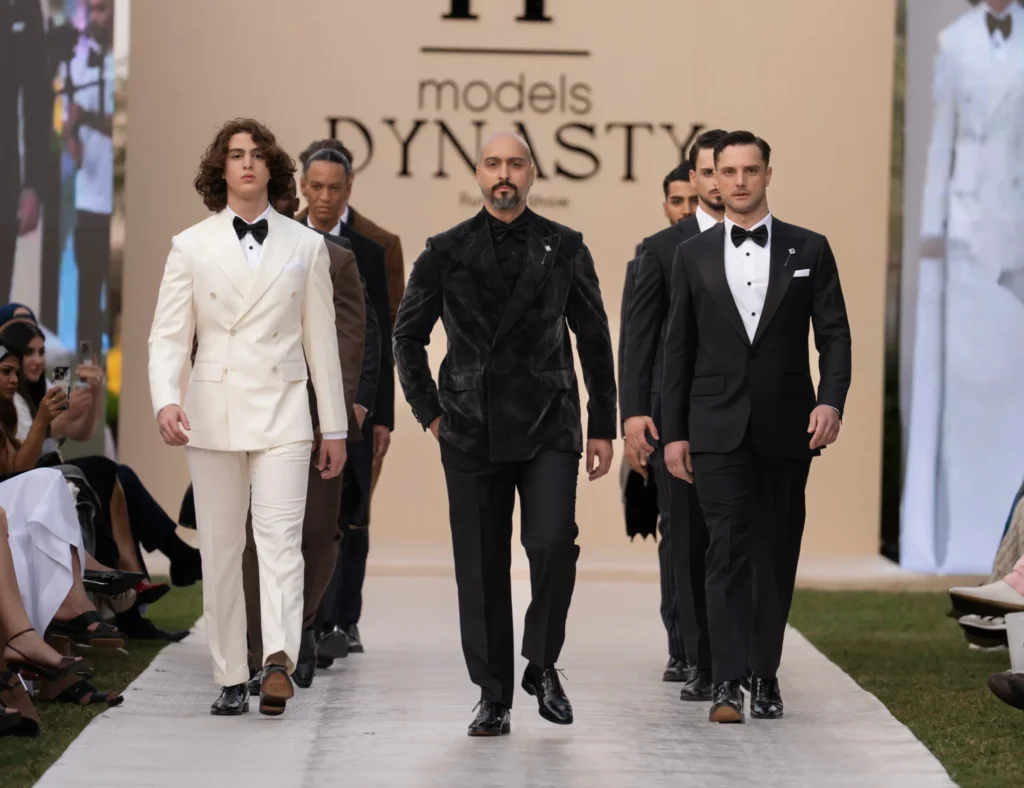
Abdul Wahab Darwich, Crafting Elegance With 1937 Bespok By Sara Hammoud Abdul Wahab Darwich, the creative force behind 1937 Bespoke, is a designer whose work merges tradition with modernity, precision with artistry, and personal heritage with global influence. From his early fascination with fashion to walking the runway with his own creations, Abdul Wahab has carved a path defined by dedication, innovation, and an unwavering commitment to elegance. For him, the Dynasty Runway Show was more than a milestone, it was a dream realized. “Seeing my ideas come to life on the runway was incredibly emotional,” he shares. “It allowed us to connect with people who truly admire fashion, and it opened doors for future collaborations.  Walking alongside my models, I felt proud of what we had achieved, grateful for my team, and excited for all the possibilities ahead.” While coordinating the distance between their villa and the runway posed challenges, Abdul Wahab credits the Dynasty team’s support for making the show seamless, allowing every detail to shine. The name 1937 Bespoke carries deep personal meaning, reflecting the year his grandfather opened his first tailor shop and symbolizing an era of elegance and innovation. Abdul Wahab’s passion for fashion began in his teens, when he gravitated toward timeless, elegant styles rather than the early 2000s hip-hop trends, devouring fashion magazines, studying art, and learning the craft alongside his father and grandfather.  After gaining invaluable experience with high-end fashion maisons including Giorgio Armani, YSL, and Dior, he followed his dream and opened his first tailor shop, bringing with him a philosophy grounded in precision, quality, and attention to detail. The 1937 Bespoke collection draws inspiration from British elegance and the classic tailoring of Savile Row, blending traditional techniques with contemporary influences. “Every tailored suit is a one-of-one piece, crafted to respect the wearer’s body morphology and proportions,” Abdul Wahab explains. “It boosts confidence, makes a man feel powerful and unique, and leaves a strong impression of professionalism.”  He believes the transformative effect of tailoring extends to women as well, enhancing their silhouette, highlighting their best features, and instilling a sense of strength and sophistication. His approach follows what he calls the 80/20 rule, balancing tailored pieces with casual elements to create versatile, elegant looks for any occasion. Abdul Wahab attributes his perseverance to a love for creating something truly unique. “Even when things got tough, the dream of bringing my ideas to life kept me going,” he says. “I focus on action, problem-solving, connecting with people, and maintaining a positive mindset.” Family plays an equally vital role in 1937 Bespoke’s success, with his brother Omar handling sales and client relations. Their shared goals and mutual support, he says, bring out the best in the brand. While his heart remains closely tied to Lebanon, and he dreams of having a base or studio there, Abdul Wahab also envisions a global future for 1937 Bespoke. “In five to ten years, I want the brand to be recognized worldwide, with studios in major fashion cities, collaborations with other designers, artists, luxury cars, and brands, and a lasting reputation for craftsmanship.” He advises anyone building their personal style to start with timeless, well-fitting pieces, focusing on quality rather than quantity, and seeking guidance from tailors or stylists when needed. When asked about modern style icons, Abdul Wahab highlights Wael Kfoury, a symbol of classic elegance. “If he wore a 1937 Bespoke creation, it would be an exciting blend of classic and contemporary fashion, combining his charm with vintage design,” he notes. Abdul Wahab Darwich’s journey with 1937 Bespoke is a testament to the power of heritage, dedication, and creativity, creating timeless pieces for modern clients and redefining what bespoke fashion can mean in today’s world.

Marina Skiba, The Woman Reshaping Fashion Talent In The Middle East

Marina Skiba, The Woman Reshaping Fashion Talent In The Middle East

Marina Skiba The Woman Reshaping Fashion Talent In The Middle East By Michelle Clark In an era defined by constant reinvention and the relentless pursuit of meaning, some leaders rise not through noise, but through clarity, purpose, and the ability to transform challenges into momentum. Among them stands Marina Skiba, the founder and CEO of FP Models Agency & Academy, a woman whose journey from Kyiv’s creative corridors to Dubai’s dynamic fashion scene reads like the story of a quiet revolution. Her rise is not the familiar tale of overnight success, but a layered narrative of courage, resilience, curiosity, and the unshakeable belief that people, not trends, are the true heartbeat of fashion. Today, FP Models is widely respected as one of the Middle East’s most human-driven modeling ecosystems. But its foundation was laid long before Marina occupied boardrooms or managed global clients. It began with a young student in Kyiv who stumbled into a world that would transform her future. Marina never imagined she would enter the world of modeling. She was invited to join a modeling school as a student, an invitation she accepted almost playfully, unaware of its long-term impact. With no prior experience, no clear idea of where it might lead, she stepped into a space that would unlock new dimensions of creativity and identity. “It opened a completely new world,” she recalls. “One full of expression and new ways of seeing myself.” While discovering the language of posture, poise, and presence, Marina was simultaneously immersed in another world: writing. She worked at COCKTAIL, a fashion magazine in Kyiv, serving as both a writer and sales executive. What began as a student job quickly became a masterclass in communication, persuasion, industry dynamics, and human connection. Fashion was no longer just visual; it was editorial, intellectual, and deeply personal. The magazine also became the setting where she met her future business partner—two people with parallel ambitions, complementary strengths, and a shared vision of what the fragmented modeling industry could become. Together, they imagined a space that educates talent, elevates creativity, and serves both the industry and its people with genuine professionalism. The creative world she experienced at modeling school blended with the structural insight she gained from editorial work, forming the blueprint of FP Models: a balance of heart and strategy. Long before fashion became her profession, literature shaped Marina’s worldview. Her favourite subjects in school were languages and literature, not because they were simple, but because they granted access to imagination, cultural depth, and emotional understanding. “Words shape identity. They shape culture. They shape how we understand ourselves and the world,” she says. Storytelling became her natural strength, an intuitive skill that would later define her approach to journalism, marketing, brand-building, and ultimately leadership. In her boardroom today, communication is not merely a tool but a grounding force that ties her teams, clients, and community together. Four years ago, Marina made the life-changing decision to move to Dubai. It wasn’t impulsive; it was a strategic leap toward a market undergoing rapid evolution. Dubai was emerging as a global intersection of fashion, technology, and culture city where ambition wasn’t just admired, it was expected. The regional fashion industry was flourishing. International brands were entering the market. Local designers were gaining global visibility. The ecosystem needed trained talent, creative structure, and a modernized approach. She understood the importance of timing and recognized that if she didn’t move then, the opportunity might never return. Yet her journey to Dubai was not driven solely by professional motivation. She arrived carrying deep personal loss and life changes that required her to rebuild not only her career but her inner world. That period, she admits, was the hardest she had ever faced. But it also revealed her resilience in ways she had never known before. Rebuilding from nothing taught her that adversity is not a wall, it is a sculptor. FP Models emerged not as a conventional modeling agency but as a holistic ecosystem grounded in what she calls the Triple FP Philosophy: Fashion – Profession – Passion – People. This philosophy reflects her belief that talent cannot be developed through random opportunities; it must be nurtured through structured learning, real experience, and a supportive environment. The agency provides representation for models, connecting them with brands and creative teams across campaigns, runway shows, activations, and commercial projects. But it was the academy, Dubai’s first government-certified modeling academy, that truly transformed the region. The academy offered structured training, industry etiquette, casting preparation, and confidence-building, becoming a bridge between aspiring talent and professional readiness. Alongside this came a community that grew organically: workshops, intimate meetups, creative collaborations, and a network built on support rather than competition. FP Models became more than a business. It became a movement, redefining how the Middle East thinks about fashion talent. Marina’s leadership is grounded in emotional intelligence, adaptability, and intentional focus. For her, leadership is not about hierarchy, it is about energy and awareness. Her guiding principle in recent years has been the importance of focus: “Your focus shapes your reality.” Amid market fluctuations or sudden industry changes, this principle acts as her internal compass. Balancing creativity with commercial demands remains one of the most challenging parts of her role, yet she bridges the two worlds through communication and sensitivity, ensuring both creative minds and business teams feel understood and valued. She also learned early that passion alone cannot sustain growth. Systems, processes, and reliable teams are essential foundations. Today, FP Models operates with strong internal structure because she embraced that lesson. Just as important is her commitment to maintaining team morale. She leads not from a distance but through presence, listening, and awareness of emotional cues. Marina’s approach to nurturing talent is equally intentional. She recognizes potential not simply in beauty but in discipline, resilience, and willingness to grow. She aims to create an environment that shapes talent through care rather than pressure and teaches them that real success requires commitment, patience, and emotional maturity. The

Chathuri Samaraweera, Anaya’s Collection, Where Emotion Becomes Couture And Every Woman Becomes A Story

Chathuri Samaraweera, Anaya’s Collection, Where Emotion Becomes Couture And Every Woman Becomes A Story

Chathuri Samaraweera, Anaya’s Collection, Where Emotion Becomes Couture And Every Woman Becomes A Story By Ami Pandey Fashion in Dubai often moves with a pace that mirrors the city itself, restless, ambitious, always reaching forward. Yet in the midst of this rapid evolution, a few voices choose to create at a different frequency. They do not follow the noise; they follow emotion. They do not chase relevance; they shape it. Among these rare visionaries is Chathuri Samaraweera, the founder and creative director of ANAYA, a brand built not merely from fabric and form, but from memory, introspection, and the belief that a woman’s inner world is the most powerful source of design. ANAYA is a label that emerged quietly, almost intuitively, but it has since carved out one of the most distinct identities in the Middle Eastern fashion landscape. Its designs are soft yet structured, timeless yet modern, intimate yet undeniably global. And at the heart of it lies a woman who sees fashion not as an industry, but as a deeply emotional art. A Childhood Inside a Gallery Every designer has an origin story, but Chathuri’s feels almost cinematic. Before she ever touched chiffon or sculpted satin, her world was shaped by the rhythms of art. Her father owned an art gallery, a space where sculptures towered above her childhood and where paintbrushes, canvas textures, and color palettes became her early companions. While other children grew up surrounded by toys, she grew up surrounded by stories, visual, abstract, emotional. “Art was home,” she often reflects. And it is this early exposure that quietly planted the seeds of her aesthetic philosophy. Years later, motherhood would give shape to the brand’s name. ANAYA was not a strategic choice; it was a tribute to her daughter, a symbolic continuation of the emotional lineage she inherited from her own father. It was, in many ways, an inheritance of meaning. And meaning continues to guide everything the brand creates. “ANAYA started with a simple vision,” Chathuri says. “To celebrate the strength and softness within every woman, to design pieces that feel like an extension of her inner light.” This intention, gentle yet powerful, has remained the brand’s core. A Design Philosophy Rooted in Emotion What makes ANAYA instantly recognizable is its commitment to feel before form. Chathuri designs like someone who views fashion as a second language, a way of translating emotion into silhouette. Her collections do not follow fleeting trends or social media aesthetics; they emerge from lived moments, sensory experiences, and artistic memories. Her inspirations are deeply reflective: The organic architecture of Gaudí. The underwater silence of the Balearic Islands. The fluid movement of Posidonia waves like underwater poetry. Cultural textures discovered during her travels. Memories that cling to her imagination long after the moment passes. “I design from emotion first and structure second,” she explains. It is a philosophy that gives ANAYA its unmistakable softness, a softness that is not fragile but deeply feminine and assured. Couture Meets Accessibility In Dubai’s competitive fashion scene, many brands struggle to maintain a balance between couture artistry and ready-to-wear practicality. ANAYA has mastered it. The secret lies in its definition of luxury. For Chathuri, luxury does not equal extravagance. “Luxury is intention,” she says, a line that encapsulates everything the brand stands for. Whether a gown takes hundreds of hand-beaded hours or whether a ready-to-wear piece is sculpted with minimalist precision, the same thread of craftsmanship runs through it. The silhouettes may simplify, but the artistry never does. Clean lines, architectural cuts, refined detailing, every element is purposeful. This commitment ensures that ANAYA’s pieces remain both wearable and transcendent, allowing the brand to embrace accessibility without losing its couture soul. Dubai Design District If there is a creative home for ANAYA, it is Dubai Design District. D3 is more than a location, it is an ecosystem where art, fashion, architecture, and innovation coexist. Being based in D3 means that ANAYA breathes the same air as global designers, stylists, buyers, and visionaries. The district’s multicultural energy mirrors the brand’s own identity: hybrid, evolving, and deeply international. “Being in D3 pushes us to elevate our craft,” Chathuri reflects. The exposure it brings, from international markets to industry collaborations, has played a defining role in ANAYA’s trajectory. It is here that the brand matured from a Dubai-grown label into a name recognized by global audiences. The Silent Thread of the Brand In a world where sustainability is sometimes treated as a marketing strategy, ANAYA approaches it with quiet sincerity. Couture, by nature, embodies sustainability through intentionality and longevity. Chathuri leans into this truth, creating a brand that resists wastefulness and celebrates craftsmanship. Made-to-order production ensures minimal fabric waste. Local artisans and small ateliers carry forward handcrafted traditions. High-quality materials ensure longevity rather than seasonal relevance. Every design is timeless enough to live beyond a single event or trend. “Sustainability is a responsibility,” she emphasizes. It is not an aesthetic, it is ethics stitched into the foundation of ANAYA. Inspiration That Moves Like Water The most poetic part of Chathuri’s creative process is the way she draws inspiration from movement. She is fascinated by fluidity, ocean waves, the movement of marine plants, the ripple of architectural shadows on stone surfaces. Many of ANAYA’s gowns seem to echo this fascination. Their layers float rather than fall. Their embellishments mimic shimmer rather than shine. Their silhouettes move as though they carry their own tide. The Balearic Dreaming collection is perhaps the clearest example. It was inspired by the hours Chathuri spent underwater, observing Posidonia, those dense meadows of seagrass, moving in synchronized silence. She describes the moment as “watching poetry breathe.” And in her gowns, that poetry remains alive. A Dialogue Between Woman and Designer While ANAYA produces ready-to-wear pieces, it is the brand’s bespoke work that reveals its heart. Chathuri treats custom design like an intimate collaboration. The process begins not with sketches, but with conversation, about who the woman is, what she feels drawn to, and how she imagines

Nouf Al Katheeri

Nouf Al Katheeri, The Story Is Just Beginning

“The Story is Just Beginning” An Exclusive Conversation with Nouf Al Katheeri By Michelle Clark There are people who enter the world of media chasing fame, and then there are those who enter it because it calls to them. Nouf Al Katheeri belongs to the latter. A powerful voice in media and television presenting, she has become known not only for her eloquence but for the sincerity that runs through her every word. Living between Abu Dhabi and London, she embodies a modern blend of Arab heritage and global perspective, transforming the way audiences experience storytelling. In this exclusive feature with Magnav Magazine, Nouf opens up about her journey, her philosophy, and the vision that continues to guide her forward. Nouf often says, “I didn’t choose media, media chose me.” It was never something planned on a vision board, but a calling that she simply couldn’t ignore. From the beginning, she realized that media isn’t just about appearing on screen; it’s about creating meaning.  The true challenge and art, she believes, lie in crafting stories that don’t just fill airtime but truly resonate. “That’s the difference between being seen and being remembered,” she says. For her, impact has always been the goal, not visibility. Every story she has told and every emotion she has expressed has connected her with someone, somewhere. That awareness, that we are never truly alone, has shaped her deeply, both professionally and personally. Through her work, Nouf has discovered that media is not just a career but a bridge, one that connects people through shared human experience. If her words can comfort or inspire even one person, she knows she is doing exactly what she was meant to do. Living between Abu Dhabi and London has given Nouf a worldview grounded in openness. “Being open-minded is not just a skill, it’s a value,” she says. For her, it means being receptive to different people, cultures, and ideas without fear. That openness, she believes, is the foundation of creativity and innovation. “Innovation is never born in isolation. It’s born when differences intersect, when cultures meet, when two disciplines cross paths.” Studying political sociology in London reinforced this perspective, teaching her that understanding society requires exposure to diversity. “If Abu Dhabi grounded me in heritage and vision, London stretched my mind to think globally,” she reflects. “Together, they shaped not only how I work, but who I am.” Creativity and strategy, for Nouf, are inseparable partners. Creativity provides the spark, while strategy gives it direction. Her academic background in Integrated Strategic Communications taught her how essential it is to blend the two. Whether in media, marketing, or policy, the most powerful results, she believes, always come when creativity fuels strategy. “When you surprise people, you don’t just win attention, you leave a lasting impact,” she explains, describing how she constantly seeks that delicate balance between imagination and purpose. Despite her success, Nouf is known for her positivity and radiant smile. But behind that brightness lies resilience. “People often assume that positive people don’t have problems,” she says. “But positivity isn’t the absence of problems, it’s the way I choose to face them.” For Nouf, hope is a decision, one that keeps her moving forward. “My smile isn’t a mask, it’s me. Problems visit everyone, but what makes the difference is how you answer them.” When it comes to the question of impact, Nouf’s answer is beautifully humble. “Real impact isn’t something you declare about yourself, it’s something others feel,” she says. “It’s not about how loudly you say you’ve changed something, but about how deeply someone else feels that change.” Her goal is simple yet profound, to create meaning, connection, and honesty in all that she does. If one person walks away feeling inspired or less alone, she considers that her greatest success. In a time where digital platforms and artificial intelligence are reshaping the media landscape, Nouf remains confident about the enduring power of storytelling. “I don’t like to separate media into ‘traditional’ and ‘new,’” she says. “Media is simply a meeting point between the producer and the audience. Platforms evolve, but storytelling never dies. ” Whether through television, radio, or social media, she believes that each medium has its own audience, its own rhythm, and its own role in connecting people. “Centuries ago, we told stories around a fire. Today, we tell them on screens. The difference is only the medium, not the meaning.” Nouf’s personal philosophy of growth is rooted in her ability to let go of sadness and keep moving forward. “Sadness is a visitor, not a roommate,” she says. “If I let it stay too long, I press pause on my own life, and I refuse to live on pause.” Her words carry the wisdom of someone who has faced disappointment but chosen strength. “People will hurt you, but in the pursuit of greatness, the choice is simple. sit in the pain, or rise above it. Sadness may knock, but it will never unpack its bags.” Among the people who inspire her, one name stands out, Ahmed El Shugairi. “I love that he’s Arab, from the Gulf, because his work shows what it means to have a vision rooted in our culture,” she says. “He proved that media can be elegant, purposeful, and deeply impactful.” She admires his humility and the way he uses media not for fame but for transformation. “He doesn’t chase the lights, he chases the message. And that’s the kind of media I believe in.” As for what lies ahead, Nouf leaves it beautifully open-ended. “Stay tuned, and watch,” she smiles. “The story is just beginning.” Nouf Al Katheeri stands as a reminder that purpose and presence can coexist beautifully. Her journey reflects the power of authenticity in an age of noise and the strength of faith in one’s calling. She has proven that media, when done with heart, can become more than a platform; it can become a bridge between people, cultures, and emotions. And as she continues to evolve, one

Dr. Sandreen Hitti

A Conversation with Dr. Sandreen Hitti, The Symbiosis Between AI, Fashion, and Beauty

The Symbiosis Between AI, Fashion, and Beauty A Conversation with Dr. Sandreen Hitti By Cynthia Mansour In a landscape where technology evolves faster than our ability to interpret it, few voices stand at the crossroads of innovation and human creativity with the clarity and conviction of Dr. Sandreen Hitti. Armed with a Ph.D. in AI and Marketing, she is a Certified Trainer, an Assistant Professor at the Lebanese American University, and a Lecturer at the American University of Beirut. Her influence, however, extends far beyond academia. Dr. Hitti possesses a fluency in both the language of machines and the emotional intuition of human culture. Her ability to translate the complexities of artificial intelligence into insight that inspires and empowers has made her a leading voice in the region. Passionately committed to staying ahead of global AI trends, she shares her knowledge constantly, making technology feel accessible and deeply connected to the world. In this editorial conversation, Dr. Hitti opens a window into the future, where AI and creativity coexist in harmony and together reshape the worlds of fashion, beauty, and modern consumer psychology. AI, FASHION, AND BEAUTY THROUGH HER LENS AI as the New Creative Partner For Dr. Hitti, AI’s entry into fashion marks a turning point. Rather than replacing designers, it expands imagination. Generative design models are now capable of analyzing vast datasets of silhouettes, archives, color palettes, and emerging trends, offering designers inspiration that accelerates the creative process. AI becomes a creative partner that encourages exploration and breaks creative blocks. Beyond creativity, AI is reshaping the foundations of the industry. Precise forecasting, automated quality control, and virtual prototyping are redefining efficiency and supporting sustainability. For an industry known for overproduction, the ability to predict demand and reduce waste is transformative. According to Dr. Hitti, the future of fashion production will be guided by a balance between innovation and responsibility. Personalization is entering a new era as virtual try-ons, body-scan data, and smart styling systems create deeply tailored shopping experiences. Consumers will soon navigate journeys that feel intuitive and emotionally aligned with their preferences. Digital Models and the Evolution of Representation AI-generated models are rapidly reshaping the landscape of campaign production. Fast fashion and e-commerce brands have already embraced this shift for its efficiency and scalability. Companies such as H&M are developing digital twins of human models, producing diverse imagery without the constraints of traditional photoshoots. Yet Dr. Hitti believes real models remain essential in luxury and high fashion. The runway, the presence, the emotional gravity of a face and a personality all create a connection that technology cannot replicate. She sees the future as a blend of both worlds, with AI supporting large-scale content creation and human models continuing to embody fashion’s emotional and cultural core. Why Human Creativity Still Leads Despite the rise of AI-generated campaigns, human creativity remains at the center of powerful storytelling. AI can accelerate tasks and provide variations, but it cannot originate vision. It lacks the emotional intelligence required to shape a brand’s identity or understand the subtleties of culture. Dr. Hitti believes that the next era of the industry will be defined by creators who know how to collaborate with AI rather than rely on it. The most meaningful work will emerge from minds that combine artistic intuition with technological intelligence. Ethical and Authentic Intelligence Authenticity and transparency are central to how Dr. Hitti believes AI should be integrated into luxury, fashion, and beauty. Technology should enhance craftsmanship without overshadowing it. Consumers must understand when AI contributes to a design, a campaign, or a personalized experience. She emphasizes the need for diverse and unbiased datasets to ensure fair and accurate representation. AI also has the capacity to support sustainability by improving forecasting, minimizing waste, and enhancing traceability. When used responsibly, it becomes a tool for empowerment, not a threat to creativity. The Science and Sensibility of Beauty The beauty industry is undergoing a technological evolution, with AI accelerating research and formulation processes. Major companies now use AI to simulate millions of ingredient combinations, dramatically reducing time and cost. Even with these advancements, Dr. Hitti notes that beauty remains rooted in emotion and sensory experience. The feel of a texture, the memory carried in a scent, and the harmony of packaging all require human sensitivity. AI brings scientific precision, but the artistry comes from people. Forecasting the Emotional Future Trend forecasting, once based on intuition and observation, is now becoming a predictive science powered by AI. By analyzing billions of images, search patterns, and consumer behaviors, AI identifies emerging trends well before they reach mainstream visibility. What is even more compelling is AI’s ability to interpret emotional climates. Shifts toward calming colors, sustainable materials, or minimalist shapes often reflect collective mood. With tools capable of reading these signals, designers can connect more meaningfully with global audiences. Digital Shows and the Irreplaceable Runway Virtual fashion shows have expanded the possibilities of storytelling, offering accessibility and creative freedom. However, the physical runway remains an irreplaceable emotional experience. The energy in the room, the movement of fabric, the music, and the presence of models create a sensory moment that technology cannot duplicate. In Dr. Hitti’s view, virtual shows will enrich the industry, but the runway will always hold a sacred place. When Algorithms Shape Beauty AI increasingly shapes beauty standards through filters, editing tools, and algorithmic amplification. These systems often favor symmetry and polished perfection, which can narrow the diversity of what is portrayed as beautiful. Dr. Hitti encourages brands and creators to remain conscious of these effects. The responsibility lies in preserving authenticity and broad representation. A New Psychology of Desire AI’s impact on consumer psychology is profound. Personalized recommendations and predictive messaging create experiences that feel intimate and intuitive. Consumers often feel understood, which strengthens their connection to brands. This influence must be used with integrity. Personalization should build trust and confidence rather than manipulate behavior. Authenticity will determine which brands succeed in the long run. A Future Built on Symbiosis If Dr.

Marisse Aranas: Cultivating Change Through Education, Soil, and Sustainability

Marisse Aranas, Cultivating Change Through Education, Soil, and Sustainability

Marisse Aranas, Cultivating Change Through Education, Soil, and Sustainability By Sidra Asif There is something quietly sacred about the act of planting. To touch the soil, to feel its grain slip between your fingers, to watch something small and fragile push through it toward the light, it is a ritual that speaks of patience, hope, and connection. For Marisse Aranas, an educator and sustainability advocate at the Higher Colleges of Technology, this ritual is more than a metaphor; it is the foundation of a philosophy, one where education is not just instruction, but cultivation. “I still remember the soil between my fingers,” she recalls softly. “Cool, dark, and full of promise.” As a child, Marisse spent afternoons beside her grandmother’s garden wall, filling seedling bags of pepper plants with her cousins. What seemed like play at the time, rewarded with snacks and laughter, was, in truth, her first classroom. “She never told us we were learning,” Marisse smiles. “But through those moments, she taught patience, care, and the quiet power of nurturing life.” Years later, as an educator, Marisse returned to that memory. The lessons from her grandmother’s garden became the blueprint for a deeper kind of learning, one that connects classrooms to farms, and minds to soil. In her world, sustainability isn’t a chapter in a syllabus; it’s a lived experience that begins with the earth itself. Learning Beyond Walls In the heart of her campus community garden, the usual hierarchies dissolve. Professors kneel beside students, puzzling over yellowing tomato leaves. Administrators discover the meditative calm of harvesting herbs between meetings. Faculty and staff trade cuttings and growing tips like neighbors swapping recipes. The garden becomes a living metaphor, a space where titles blur, where everyone becomes a grower, a learner, a caretaker. “Someone once asked me why this mattered so much,” Marisse recalls. “I told them, because it brings me peace. And because the best things I’ve learned in life came from someone who made me feel joy while learning them.” That philosophy that joy is the root of transformation defines her work. For Marisse, education becomes a movement when it stops feeling like instruction and starts feeling like an invitation; when learning is not imposed, but discovered through community, care, and connection. From Soil to Soul: Linking Minds with the Land Her passion for linking classrooms with farms is both scientific and spiritual. “Someone once told me, ‘Plants are like your children, you nurture them from the womb and watch them grow.’ Those words stayed with me,” she says. In her teaching, Marisse draws powerful parallels between tending soil and cultivating the mind. “Your mind is the soil where everything begins,” she explains. “If it’s too acidic with doubt, too depleted with stress, nothing will grow there, no matter how many opportunities you plant.” In her community gardens, students learn this truth through their own hands. They test soil pH, balance nutrients, and watch their seedlings transform from frail stems into flourishing plants. In that transformation, something profound takes root within them. “They realize that just as soil can be adjusted and renewed, so can they,” Marisse says. “They learn that conditions, whether in nature or within themselves, can always be changed.” It’s this intersection of ecology and empathy that fuels her mission. When a student’s lettuce finally grows after weeks of tending, or a staff member finds calm after an hour among the plants, she witnesses what she calls “education in its purest form.” It’s not about grades or lectures, but about creating conditions for growth, of both food and faith in oneself. “The ecosystem beneath the soil mirrors the ecosystem within communities,” she reflects. “We grow better together. When the conditions are right, when there’s support, patience, and shared purpose, extraordinary things can grow.” Rediscovering Roots in a Modern World For young Emiratis, Marisse believes the path to sustainability begins with rediscovery, of heritage, of ancestral wisdom, of balance. “During one of my sessions, a student said, ‘Ms., that’s how my father used to do it.’ That simple line reminded me, this is more than gardening; it’s remembering identity,” she says. Before cities rose from the sands, Emiratis lived in harmony with the desert, reading winds, mastering falaj irrigation, coaxing life from arid soil. Farming wasn’t just labor; it was faith in nature’s rhythm. Today, when students touch the soil, they’re not just learning sustainability; they’re reconnecting with a legacy. “To return to the soil is to return to self,” Marisse explains. “Progress and tradition are not opposites, they are roots and branches of the same tree.” In her view, modern innovations like hydroponics and smart irrigation are simply contemporary expressions of ancestral resilience. “Technology doesn’t erase tradition,” she says. “It amplifies it.” Cultivating Leadership: A Woman’s Journey Marisse’s own journey has been one of perseverance. Entering a field dominated by technical expertise, she faced her share of skepticism. “There were times my ideas were called too idealistic,” she admits. “But the soil taught me resilience. Growth takes time. Roots must struggle before they find depth.” Her leadership philosophy is grounded, literally and figuratively. “When projects fail, I look to the earth,” she says. “Even the richest soil needs rest; even the strongest roots need renewal.” What keeps her grounded are the faces of her students and colleagues, their laughter during planting sessions, their pride when they harvest their first lettuce. “Leadership, like farming, isn’t about control,” she reflects. “It’s about cultivation.” Each time she steps into the garden, Marisse finds herself reminded of what truly matters: not perfection, but persistence; not instruction, but inspiration. Turning Awareness into Action In an age of digital learning, Marisse insists that true sustainability cannot be taught; it must be experienced. “Awareness begins in conversation, but transformation begins in practice,” she says. Through her projects at HCT, students grow, harvest, and share food, bridging theory with tangible impact. Many have launched start-ups rooted in upcycling and sustainable business innovation. “They don’t just meet academic requirements, they become changemakers,” she explains. By connecting innovation

A Visionary Founder Profile on Onur Kece

A Visionary Founder Profile on Onur Kece THE REFRESHMENT CLUB Where Disruption Becomes Culture

THE REFRESHMENT CLUB Where Disruption Becomes Culture A Visionary Founder Profile on Onur Kece Onur Kece, Founder & Creative Director of The Refreshment Club, and Alix Petit Kece, Design Director Disrupting the familiar: The Refreshment Club’s bold Arrival in Dubai Forget conventional campaigns and glossy taglines. The Refreshment Club (TRC) isn’t here to fit in Dubai landscape – it’s here to rewrite it. Founded in Paris and now rooted in Dubai, the agency bridges art, culture, and technology to craft ideas that challenge, connect and endure. “Disruption for us isn’t noise,” says Onur Kece, founder and Chief Creative Officer. “It is about simplifying what others complicate – finding emotion in precision, and meaning in boldness.” The philosophy: Clarity as a Creative Weapon TRC’s philosophy is built around disruption through clarity. In a world oversaturated with content, Onur emphasizes the danger of “visual content pollution,” where brands lose identity in the endless stream of social feeds. “Producing more content doesn’t build a brand. Producing meaningful ideas does, he says. TRC flips this script, crafting work that earns its place in culture, not just on screens. The agency’s DNA integrates strategy, human insights and emotions, allowing them to create campaigns that sweeps audience off their feet rather than simply populate feeds. “In a world flooded with visuals, the real disruption is creating ideas people can actually feel,” Onur explains. When AI Meets Emotion TRC doesn’t treat AI as a shortcut – but as a collaborator, not a replacement. | “You won’t lose your job to AI – you will lose it to the person who knows how to use it,” Onur points out. The agency merges machine precision with human instinct, enabling fast, agile, and precise execution without sacrificing creativity. This AI powered approach supports strategy, ideation, and production, while always placing humans at the center of decision- making. The result? Ideas that were previously impossible due to cost or complexity now become feasible. Teams are empowered to push boundaries, exploring “impossible ideas” that redefine the creative landscape. The Topical Approach: Culture before Content One of TRC’s most defining principles is this: A global brand entering a new culture, this can’t be copy- pasted. Onur calls it a topical approach – a deep dive into the cultural nuances, behaviors, symbols, and emotional cues of the audience a brand wants to speak to. “A brand introduced to a new culture must be handled differently,” he explained. “We need to understand the cultural fabric before we create anything for it.” Relating this approach to TRC’s new chapter in the Middle East, let’s differentiate: As global brands enter the Middle East, many fall into the same trap; exporting a creative idea built for another culture and expecting it to land unchanged. The Refreshment Club sees this as the biggest missed opportunity in modern branding – and the starting point of their most innovative work’ For TRC introducing a brand is not a translation; it is a transformation. “We believe every audience deserves creative that speaks their language – not just their market,” Onur explains. This belief powers TRC’s topical approach: a deep dive into the cultural fabric, social rhythms, emotional cues, and historical context of each new audience. So, this is where TRC’s methodology becomes unique. Instead of relying on assumptions or generic playbooks, they use AI as a catalyst to explore culture- specific insights faster and more intelligently. Ai helps them map emerging behaviors, surface micro- trends, and brainstorm culturally resonant ideas at unprecedented speed. Disruption in Action TRC’s philosophy isn’t a theory – it’s visible in their work. Heimstone Public Pool – SaintTropez  A retail space transformed into a sideways swimming pool. Not a store – an installation. The result? 25M impressions. Sold- out drops. Global editorial buzz. It didn’t go viral because it goes loud – but because it turned retail into emotion.  Saint- Peres Paris Experiential design inspired by the inside of a kiln. A poetic bridge between heritage and modernity – anda Vogue Paris Fashion Week must- see. A brand reborn through culture storytelling. Elie Saab x Vogue An AI-driven campaign film created before the dress even existed physically. Here, Al wasn’t the star – emotion was. Technology simply enabled the impossible. Westfield A global campaign system powered by AI, creating culturally relevant visual expression across diverse markets – proving that culture-first thinking Each project is proof of TRC’s thesis: An embodiment of TRC’s philosophy of meaningful disruption, strategic creativity, and cultural scale. relevance. Each project is proof of TRC’s thesis: An embodiment of TRC’s philosophy of meaningful disruption, strategic creativity, and cultural relevance. Dubai: A Playground for Creative Rebels With their Dubai presence, TRC isn’t just entering a new market; they are redefining how global trends belong here. The bring a model built on agility, cultural intelligence, and region- specific creativity – a model designed for a region where nuance isn’t optional, it’s everything. By this, TRC is one of the few creative houses treating the Middle East’s culture not as a backdrop, but as the brief. Quality over Quantity While other agencies produce content like factories, TRC focuses on impact. “You can’t cook a five- hour Italian Ragu in five minutes – and you can’t move people with fast content,” Onur asserts. This meticulous approach ensures campaigns are strategic, identity driven and designed to resonate deeply, reducing media spend while maximizing ROI. The Creative Duo Leading the Refreshment Club In September 2025, The Refreshment Club enters the Middle East, and at the helm of this new chapter are two forces shaping TRC’s identity: Founder & Creative Director Onur Kece and Design Director Alix Petit. Together, they embody the rare blend of visionary strategy and redefine the agency. Onur brings over two decades at the intersection of advertising, design, and brand strategy, and Alix complements this by bringing more than 15 years of leadership in fashion and brand building. This dual leadership is not about titles – it’s about balance. Strategic disruption and crafted beauty. Together they lead the Dubai team with a shared mission: to build work that isn’t just seen,

Affordability vs Ethics

Affordability vs Ethics, Overcoming the Barriers to Sustainable Women’s Fashion in the UAE

Affordability vs Ethics Overcoming the Barriers to Sustainable Women’s Fashion in the UAE By Zulaikha Bi In recent years, sustainability has evolved from a niche concern into a mainstream movement, influencing industries from energy and construction to food systems. The UAE has been at the forefront of this transformation, championing eco-friendly initiatives across multiple sectors. Women, who play a central role in household decision-making, are increasingly conscious of their fashion choices. Surveys by regional fashion consultancies indicate that over 60% of young female consumers in the UAE express concern about the environmental impact of their purchases. Yet, despite growing awareness, sustainable women’s fashion remains far from mainstream. Ethical clothing often carries a premium price tag, while fast fashion, cheap, accessible, and constantly refreshed, continues to dominate. At the core of the challenge lies an economic reality, sustainable fashion costs more to produce and therefore more to buy. Ethical brands that emphasize fair wages, responsible sourcing, and environmentally friendly materials often operate on smaller scales, which drives up production costs. In the UAE, many sustainable women’s fashion brands position themselves in the premium or luxury market, accessible primarily to high-income consumers. For middle and low-income groups, including a large expatriate population, these prices remain out of reach. Fast fashion thrives in this affordability gap. For the cost of one ethically made outfit, shoppers can often purchase several trendy pieces from global chains like Zara, H&M, or Shein. While many women aspire to shop consciously, their budgets make it a difficult choice to sustain regularly. Beyond affordability, fast fashion’s cultural appeal keeps it deeply embedded in the UAE’s style landscape. In an image-conscious society where social events and online visibility are frequent, the pressure to showcase new looks is immense. Each gathering or Instagram post often demands a fresh outfit, fueling a constant cycle of consumption. Moreover, fast fashion brands have mastered digital marketing through influencer collaborations, AI-driven personalization, and accelerated trend cycles, creating a sense of immediacy and excitement that sustainable brands struggle to match. Until ethical fashion can compete with fast fashion’s speed, variety, and convenience, or until consumer mindsets shift, fast fashion will likely continue to dominate wardrobes. However, there are meaningful steps that can bridge the affordability gap and bring sustainable fashion closer to mainstream acceptance. Government action can significantly influence both consumer and business behavior. The UAE, known for its forward-thinking policies, has the potential to lead the region sustainably by reducing import taxes on eco-friendly textiles, offering grants for ethical fashion startups, or providing subsidies for sustainable manufacturing. With national strategies such as the UAE Vision 2030 and Dubai’s Clean Energy Strategy already promoting sustainability, expanding these frameworks to include fashion could help make conscious clothing both accessible and affordable. Some brands are also reimagining their production models to balance ethics with affordability. Techniques such as on-demand manufacturing, digital prototyping, and the use of recycled or upcycled materials are helping reduce waste and production costs. Encouraging local sourcing and regional manufacturing hubs could further minimize shipping expenses and carbon footprints. Strengthening domestic fashion infrastructure would not only support emerging designers but also make sustainable fashion more competitive in pricing. Equally important is how sustainable fashion is communicated. Fast fashion sells immediacy, while sustainable fashion must sell longevity. Brands that succeed in the UAE market are those that position sustainability as an investment, offering garments that last longer, transcend trends, and align with personal values. This shift in narrative, from guilt-driven messaging to empowerment, helps consumers see sustainability as a form of self-expression and status. Collaborations with trusted influencers, transparent storytelling, and educational campaigns can reshape perceptions and inspire conscious buying behavior. Despite current challenges, the tide is slowly turning. In Dubai and Abu Dhabi, secondhand fashion platforms, clothing rental services, and thrift events are becoming increasingly popular among younger consumers. Minimalist wardrobes, capsule collections, and slow fashion movements are also gaining momentum, especially with Gen Z’s preference for authenticity and sustainability. Events like Fashion Forward Dubai and initiatives such as The Sustainable City are further amplifying awareness of ethical designers and practices. However, for true impact, sustainable fashion must evolve from a niche lifestyle to a cultural norm that is accessible, aspirational, and widely adopted. To reach wider audiences, sustainable brands must rethink how they connect with women. Instead of focusing solely on saving the planet, they should emphasize personal benefits such as durability, comfort, health, self-expression, and long-term investment. When sustainability becomes associated not just with ethics but also with elegance and empowerment, it will naturally appeal to the modern UAE woman who values both beauty and purpose. The road to widespread adoption of sustainable fashion in the UAE is not without challenges. Yet the nation’s blend of affluence, innovation, and visionary leadership offers fertile ground for transformation. The question is no longer whether women in the UAE care about sustainability, they clearly do. The true challenge lies in making ethical fashion accessible, stylish, and practical enough to inspire consistent loyalty. If affordability meets ethics, and if sustainability becomes a symbol of sophistication rather than sacrifice, the UAE could set a global benchmark for a new fashion era, one that allows women to look good, feel good, and do good. The promise of sustainable women’s fashion in the UAE is undeniable, but its potential remains constrained by economic and cultural barriers. Overcoming these challenges will require collaboration between governments, brands, and consumers, combining affordability with ethics, and innovation with tradition. When sustainability is no longer an alternative but the default, the UAE will redefine what it means to dress with both conscience and style. In my opinion, the future of women’s fashion in the UAE will not be a choice between affordability and ethics, it will be the harmony of both.

Beyond Trends, How AI Is Redefining Global Fashion Design

Beyond Trends, How AI Is Redefining Global Fashion Design

Beyond Trends How AI Is Redefining Global Fashion Design By Zulaikha Bi Fashion has always reflected the rhythm of society, its culture, aspirations, and creativity. From the hand-stitched garments of ancient civilizations to the fast-paced production lines of the 20th century, fashion has evolved alongside every major technological and cultural shift. Today, a new force is transforming this ever-changing industry, artificial intelligence. AI is more than a modern buzzword; it is becoming a powerful creative and strategic asset. Once confined to logistics and data analysis, it now influences how clothes are designed, produced, and experienced. The boundaries between creativity and computation are blending, opening up a new dialogue between human intuition and digital intelligence. Traditionally, fashion design has been an emotional and intuitive art form, guided by personal inspiration, cultural influences, and imagination. Now, AI is entering this space as a collaborator rather than a competitor. Using vast amounts of data from fashion shows, social media, and consumer preferences, AI tools can suggest new colors, styles, and fabrics.  Designers can experiment with thousands of variations on a single concept in just a few clicks. Companies like The Fabricant have even taken this innovation to a digital level, creating clothing that exists only in the virtual world. By removing the physical limits of material and production, such tools offer designers a new level of freedom. Design software like Adobe Sensei and CLO 3D allows creators to visualize designs in three dimensions, test fits, and make changes instantly. This shortens the design process, reduces material waste, and supports sustainability. Rather than replacing human touch, AI frees designers to focus on storytelling, emotion, and creativity while technology manages repetitive tasks and data-driven insights. In production, AI is addressing one of fashion’s biggest challenges — inefficiency. Overproduction, long lead times, and unsustainable manufacturing have plagued the industry for decades. Now, AI systems analyze purchasing behavior, market trends, and even weather to forecast demand with remarkable accuracy. Brands like Zara and H&M rely on this technology to manage inventory and reduce waste, ensuring they produce only what customers actually want. Automation in factories is also transforming the manufacturing process. AI-driven machines handle fabric cutting, stitching, and quality control with precision, minimizing errors and allowing greater customization. Some manufacturers are using AI to develop sustainable textiles, optimizing raw materials and creating eco-friendly alternatives that reduce environmental harm. Perhaps the most exciting shift comes in the way AI personalizes the shopping experience. With virtual try-ons and augmented reality, customers can now see how clothes look on them before buying. Brands like Gucci, Nike, and ASOS use these features to enhance convenience and reduce returns. Services such as Stitch Fix combine AI with human stylists to curate personalized fashion boxes tailored to each customer’s size, taste, and lifestyle. Advances in AI body-scanning technology have also made made-to-measure clothing more accessible and inclusive. Customers can upload a few photos, and AI calculates precise measurements, offering custom fits without traditional tailoring costs or delays. AI is also democratizing fashion globally.  No longer limited to fashion capitals like Paris or Milan, creativity is flourishing everywhere. A designer in Nairobi, Jakarta, or Bogotá can now create and market a full collection using AI tools for trend analysis, virtual modeling, and logistics. Platforms such as Fashwell and Vue.ai provide advanced design tagging and image recognition, giving small and independent brands access to tools once reserved for large corporations. AI is also inspiring cultural fusion. Designers are now able to explore influences from across the globe, blending traditional aesthetics with modern forms.  Indian startups are reinterpreting heritage textiles like Bandhani and Kanjivaram, while African designers are using AI to celebrate Afro-futurism and share indigenous fashion with international audiences. Despite these advancements, AI’s growing role in fashion raises important ethical questions. What does originality mean in an age when algorithms can mimic artistic styles and brand aesthetics? Intellectual property laws are still adapting to these new realities. There are also concerns about bias in AI models, which often reflect the data they are trained on. If that data lacks diversity, it can exclude certain body types, skin tones, or cultural styles. To build a more inclusive industry, brands must ensure that the data guiding these systems represents a wide range of human experiences and identities. Automation also affects the workforce. Millions of people in countries like Bangladesh, Vietnam, and Ethiopia rely on textile and garment jobs. As machines become more capable, there is a risk of widespread job displacement. A fair and responsible transition requires investment in retraining programs, ethical sourcing, and policies that protect vulnerable communities. Another critical contribution of AI is in promoting sustainability. Fashion remains one of the world’s most polluting industries, but AI is helping change that. It assists in selecting durable, eco-friendly materials and enables digital prototyping to reduce fabric waste. Even digital fashion garments created only for virtual use is becoming a sustainable option for influencers, gamers, and digital consumers. By predicting demand more accurately, AI reduces overproduction and waste. It also helps consumers make conscious choices by offering transparent information about a product’s origins, materials, and environmental impact through smart tags and traceable digital labels. Fashion is more than just clothing. It is a language of culture, identity, and emotion. AI is not replacing this language; it is helping us rewrite it with greater imagination and responsibility. From sketch to shop floor, from luxury runways to online wardrobes, artificial intelligence is making design more inclusive, production more efficient, and experiences more personal. Yet, this technological progress must remain guided by human values, creativity, empathy, and ethics. The future of fashion will not belong solely to algorithms or to humans, but to the collaboration between both. When intelligence meets imagination, fashion becomes not only smarter but also more meaningful, sustainable, and human. In a conversation with a young woman about fashion, she shared a refreshing perspective. “Personally, I prefer simple and casual dressing, mostly in light colors,” she said. “Simplicity always wins. Casual clothes save time and reduce confusion.

Mira Abou Jaoudé

A Conversation With Mira Abou Jaoudé, The Soul Behind the Style

A Conversation With Mira Abou Jaoudé The Soul Behind the Style By Cynthia Mansour Mira Abou Jaoudé, a survivor, businesswoman, and influencer, carries a presence that radiates strength, warmth, and authenticity. From her earliest days on digital platforms, she has captivated audiences with her genuine smile, resilience, and unwavering support for those facing similar battles. A cancer survivor, Mira transformed her personal journey into a beacon of hope. Through her content, followers witnessed not only her recovery but also her remarkable transformation, one that extended beyond the physical to reveal emotional depth, maturity, and an unshakable sense of gratitude. Mira has been an integral part of Rami Kadi’s team for as long as many can remember. As a luxury brand marketer and PR professional specializing in strategy, marketing, and communications, her work reflects deep loyalty to the fashion industry and a genuine dedication to the creative community she calls home. Her commitment goes beyond tasks, it is a form of love for art, storytelling, and the people behind it. Throughout her health journey, Mira opened a window into her world, sharing moments from hospital corridors to everyday routines, and offering heartfelt reflections on how illness reshaped her perception of strength, beauty, and presence. Her honesty brought comfort to many, patients fighting the same battle and loved ones seeking understanding and hope. After overcoming her illness, Mira began sharing a new chapter rooted in transformation, healing, and mindful living. Whether she is offering time management tips, book recommendations, or fitness motivation, her message remains consistent, to help others grow and to remind them that life is a gift worth cherishing. What makes Mira truly stand out is not just her style or influence, but her ability to turn life into meaning. She reminds us daily that nothing is worth sacrificing our mental peace, that health is a privilege never to be taken for granted, and that every day should be lived fully, with gratitude, not regret. For all these reasons, her authenticity, her influence in fashion, and her inspiring impact on mental wellness, it felt only natural to sit down with Mira for a conversation that captures her essence, a dialogue on fashion, healing, and the art of living beautifully. For Mira, fashion has never been just about aesthetics, it is an emotional language, a mirror of the soul. “Fashion is my way of expressing everything,” she shares. “My knowledge in fashion helped me navigate this journey in a way where I could turn scars into beauty. It is no longer about how I look, but how deeply I feel through what I wear.” Through her evolution, she has turned style into self-expression, transforming pain into presence and design into healing. In a world built on appearances, Mira stands firmly rooted in truth. “Authenticity is my luxury,” she says with conviction. “I have learned that perfection does not inspire, but truth does. I bring both worlds together by staying honest, even in glitter, because why not?” Real elegance, she believes, lies not in perfection but in transparency, in being bold enough to be human in an industry that often hides behind polish. To Mira, fashion is more than fabric, it is storytelling in motion. “Fashion today should tell stories of resilience, identity, and consciousness, not just beauty,” she explains. “It should remind people that style is energy, not ego.” Her perspective highlights a shift within the industry, one that values emotion, diversity, and authenticity over surface glamour. When asked about her work with Rami Kadi and the legacy of Lebanese designers, Mira’s pride shines through. “Lebanese designers create from emotion, not formula,” she reflects. “There is a heartbeat in every stitch, a fusion of pain, passion, and poetry that speaks beyond trends. Lebanon just tells a different story.” It is this emotional craftsmanship, she believes, that sets Lebanese couture apart, artistry that carries both heritage and heart. If fashion were a language, Mira’s would be fluid and free. “Flow, freedom, and feeling,” she says. “A mix of strength and softness, like silk over steel.” Her fashion choices embody balance, power with grace, resilience with femininity. In a digital world that never stops demanding more, Mira has learned to slow down. “By choosing presence over pressure,” she says. “I pause, breathe, and remind myself that being grounded is what navigates me through life.” It is a philosophy that keeps her centered, staying authentic even in a space that often glorifies constant performance. Having faced illness, loss, and renewal, Mira’s definition of beauty has evolved profoundly. “Beauty, to me, is truth unfiltered,” she reflects. “It is the light that appears when you have been through darkness and still choose to shine. Your inner glow, I call it that.” For her, beauty begins where filters end, it is the courage to be seen as you are. Once driven by achievement, Mira now defines success through presence and peace. “Success used to mean doing more, now it means being more, more peaceful, more purposeful, more myself.” This redefinition reflects the growth of someone who has lived through change and chosen depth and alignment. For Mira, fashion is not only creative, it is therapeutic. “Clothes can heal,” she affirms. “When we dress with intention, we reconnect with the part of us that still believes in magic. You need to feel good in your skin, always.” Perhaps her most powerful belief is that fashion can be a form of mental health advocacy. “Fashion can normalize honesty,” she explains. “It can remind women that it is okay to show up as they are, style is about expression, not perfection.” Her message is simple but profound, what you wear should never hide who you are. Fashion is not a mask, but a reminder that true style begins with self-acceptance. Through her work, her story, and her words, Mira Abou Jaoudé continues to redefine what it means to be a woman in fashion today, graceful, grounded, and unapologetically real. Her journey proves that fashion is not only about beauty

Maisoon Al Saleh: Reimagining Heritage Through a Contemporary Lens

Maisoon Al Saleh, Reimagining Heritage Through a Contemporary Lens

Maisoon Al Saleh Reimagining Heritage Through a Contemporary Lens By Jane Stevens To encounter the art of Maisoon Al Saleh is to step into a dialogue between past and future, memory and imagination. Her work feels at once grounded and transcendent, weaving threads of Emirati heritage with modern narratives that challenge and expand the visual language of identity. Born in 1988, Maisoon belongs to a generation of Emirati artists who have witnessed their country’s cultural awakening and, through creativity, have helped shape its evolving artistic landscape. A graduate of Zayed University with a Bachelor’s degree in Arts and Design, she has exhibited across more than 25 countries, from Paris and Vienna to Miami and Basel. Her pieces have appeared in major international venues such as the Carrousel du Louvre in Paris, the Contemporary & Fine Art Basel Biennale, and the Art Cannes Biennale, while locally, her presence at Art Dubai, Abu Dhabi Art, and Emirati Expressions has positioned her as a powerful voice within the UAE’s cultural movement. Beyond her exhibitions, she is also the founder of The Paintly Store, a creative platform that merges art, design, and entrepreneurship, extending her influence from gallery walls to community spaces. Maisoon’s art is unmistakably her own, a synthesis of surreal forms, cultural symbolism, and bold reinterpretations of tradition. For her, heritage is not a relic of the past, but a living language that evolves with time. “Tradition is the foundation,” she explains, “but innovation is what lets it grow in new directions.” Her process often begins with sketches and stories rooted in Emirati culture, which she reimagines through modern techniques, futuristic colors, and layered symbolism. The result is work that speaks to continuity as much as change — a visual conversation between origin and possibility. Storytelling lies at the heart of Maisoon’s creative practice. Each piece is a narrative, often revealing hidden histories or reinterpreting cultural memory through striking imagery. Her recurring use of skeletal motifs has become one of her signatures, not as a reference to mortality but as a metaphor for shared humanity. “Bones and skulls are not about death,” she notes, “they are a reminder that beneath our differences, we are all equal.” This philosophy reached its most powerful expression in a ten-meter panoramic painting that captures the essence of Dubai’s evolution, traditional dhows drifting alongside futuristic skyscrapers, construction cranes reaching upward, and communities of every nationality coexisting in harmony. All the figures in the scene are rendered as skeletons, uniting the diverse faces of the city through a message of equality and connection. Having exhibited for more than a decade, Maisoon has witnessed the UAE’s art community transform from a small, close-knit circle into a global cultural hub. She speaks of this growth with admiration and optimism. “When I began exhibiting, the scene was intimate,” she recalls. “Now it’s vibrant and fearless, with artists blending disciplines and creating bold new dialogues.” What excites her most is the confidence of emerging Emirati artists who are redefining the country’s visual narrative not just preserving heritage but reinventing it for a global audience. Maisoon’s entrepreneurial journey through The Paintly Store is an extension of her belief that art should exist beyond galleries. By bringing creative tools and educational experiences into people’s daily lives, she bridges the gap between artist and audience. “Launching The Paintly Store allowed me to merge entrepreneurship with artistry,” she explains. “It deepened my connection to the community and helped me see how people experience art in everyday life.” This initiative also reflects her commitment to mentorship; through workshops and creative sessions, she helps nurture the next generation of Emirati artists, encouraging them to experiment, take risks, and find their authentic voices. In the digital age, where algorithms often shape visibility, Maisoon approaches social media with intention and restraint. She uses online platforms not as performance spaces but as storytelling tools. “Authenticity resonates more than algorithms,” she says. “I prefer to share the process, not just the polished image. It’s about creating genuine connections with people who respond to the spirit of the work.” Collaboration, for Maisoon, is another form of storytelling, an exchange that broadens the vocabulary of art. She envisions future projects that merge visual and spatial design, particularly collaborations with architects and musicians. “Architecture and music share something with art: rhythm, emotion, and narrative,” she reflects. “By merging these worlds, we can create experiences that transcend boundaries and bring Emirati heritage to life in new dimensions.” In her view, Emirati artists carry a responsibility that extends beyond their canvases. “We are cultural ambassadors,” she says. “Through art, we can offer the world a deeper understanding of who we are, not through stereotypes, but through authenticity, innovation, and dialogue.” Each Emirati artist, she believes, contributes a unique note to a broader symphony that defines the UAE’s modern identity: proud of its roots, yet open to global conversation. To emerging artists, Maisoon offers wisdom that feels both practical and poetic. “Trust your voice, even when it feels unconventional,” she advises. “Don’t imitate trends — explore your heritage, learn your craft, and stay curious. Art is not a race but a reflection of who you are. Growth comes from community, not competition.” Her words echo the same balance she seeks in her art — courage rooted in tradition, creativity guided by self-awareness. Looking ahead, Maisoon’s focus is expanding toward immersive and multisensory art experiences works that invite viewers to step inside her world rather than observe it from a distance. She envisions installations that blend physical and digital realities, exploring themes of memory, transformation, and belonging. “Art is not just to be seen,” she says. “It should be felt, experienced, lived. I want to create environments where people don’t just look at my work, they become part of it.” As her career continues to evolve, one constant remains: a deep reverence for the Emirati spirit that shaped her. Every brushstroke, sculpture, or digital composition carries traces of her heritage reinterpreted, reimagined, but never forgotten. In Maisoon Al

Najat Makki

Dr. Najat Makki, The Colour of Heritage, the Light of a Nation

Dr. Najat Makki, The Colour of Heritage, the Light of a Nation By Jane Stevens There is something luminous about Dr. Najat Makki not merely in her art, but in the way she speaks of it. Her words move like her brushstrokes, deliberate yet fluid, filled with emotion, memory, and light. One of the UAE’s most celebrated artists and a pioneering Emirati woman to pursue formal art education, Najat has spent her life transforming the essence of her homeland into colour, rhythm, and form. Through decades of work, she has not only defined her own artistic language but also helped shape the identity of Emirati contemporary art itself. Her journey began in the heart of old Dubai, where every street corner seemed to whisper stories and every texture of daily life found its way into her imagination. She recalls her childhood in Bur Dubai with tender nostalgia  the creek shimmering under sunlight, the murmurs of the souk, and the quiet beauty of faces crossing from one shore to another. “I was born into a world rich with visual stimuli,” she often says, “and from those early days, colour became my language.” When the UAE opened the door to international scholarships in the early years of the Union, Najat saw her path clearly. Against family expectations and social convention, she chose to study art  a decision that demanded courage and conviction. “I knew it was my destiny,” she reflects. With determination, she left for Cairo and entered the Faculty of Fine Arts, immersing herself in sculpture, where she discovered the tactile poetry of form and mass. Those years in Egypt were transformative, filled with experimentation and self-discovery. She recalls the thrill of standing before a blank canvas or raw stone, feeling her pulse quicken as each work took shape. When she graduated in 1982, she returned to the UAE with a heart full of dreams and a mind sharpened by exploration. Her first exhibition in Dubai, held at Al Wasl Club in 1987, marked the beginning of a lifelong dialogue with colour and light. The local environment  the rhythm of the desert, the pulse of the sea, and the serenity of everyday life  became an unending source of inspiration. In her work, the dunes glow with golden warmth, the waves shimmer with turquoise calm, and the air seems alive with unseen movement. Dubai taught her how to see beauty not as an abstraction but as something woven into the very soul of life. The path to becoming one of the first Emirati women to formally study art was not without resistance. At a time when creative careers were not widely accepted, Najat faced skepticism, both cultural and personal. Yet her perseverance became her greatest strength. “When a person possesses true willpower, they can reach their goal,” she says. Her journey to Cairo was an act of faith in herself, in her identity, and in the belief that art could be a voice of both individual freedom and national expression. These challenges gave her work emotional gravity and depth, strengthening her resolve to portray the Emirati woman as a symbol of determination and grace. In her art, Najat has always sought harmony between tradition and modernity. She draws from her surroundings, the desert, the sea, the city, translating their textures and rhythms into abstract forms and bold colour palettes. Her paintings capture the motion of sand, the pulse of light, and the serenity of vast horizons. The influences of Al Sadu weaving and Bedouin crafts find their way into her brushwork, while natural pigments like henna and saffron ground her art in the earth itself. For Najat, the act of painting is a dialogue between heritage and the present, a way of transforming old patterns into new visual languages. Her reflections on the evolution of Emirati art reveal both gratitude and vision. She recalls the early cultural foundations that shaped the UAE’s artistic identity, the establishment of the Emirates Fine Arts Society in Sharjah, the Cultural Foundation in Abu Dhabi, and the International Art Center in Dubai. These institutions nurtured a generation of artists who brought Emirati creativity into the global conversation. Over the years, events such as Art Dubai, the Sharjah Biennial, and Art Basel have carried the country’s talent to international stages, affirming the UAE’s place in the world of contemporary art. For Najat, these achievements symbolize not only progress but also a deepening of national identity. Emirati art, she believes, thrives in its ability to balance modernity with emotion, technology with spirit. Even as digital media, artificial intelligence, and virtual exhibitions reshape the creative landscape, she insists that true art must remain human at its core. “Art should never become just a display,” she says. “It must carry the pulse of life, the voice of a people, and the memory of a place.” When asked what defines the “Emirati aesthetic,” Najat describes it as something far greater than visual motifs or stylistic signatures. It is, in her words, “a complex fabric woven between memory and modernity, between the material and the spiritual, between stillness and openness to the world.” She sees this aesthetic as an interplay of collective memory, landscape, spirituality, and nostalgia, all bound by a search for identity in a rapidly changing world. It is the quiet of the desert, the rhythm of the sea, and the glow of the city lights, all speaking in the same visual tongue. To young artists, especially women, Najat offers advice born of experience and grace. “Stay true to your heritage and emotions,” she urges. “Experiment, explore, and take risks, but let authenticity guide you.” She encourages them to see art as a means of storytelling through one’s own lens, not as a mirror of online trends. For her, the greatest danger of the digital age is imitation; the greatest power is sincerity. “Use social media to share, not to define,” she advises, believing that the truest art comes from curiosity, reflection, and faith in one’s inner world. If she

Eveningwear & Couture New Luxury Narratives Shaped by Middle Eastern Craft

Eveningwear & Couture New Luxury Narratives Shaped by Middle Eastern Craft

Eveningwear & Couture New Luxury Narratives Shaped by Middle Eastern Craft By Raveena Parmar In a world where fashion trends cycle faster than ever, couture remains one of the rare art forms that resists time. And nowhere is this resistance more poetic, and more powerful than in the Middle East. Here, eveningwear is more than glamour: It is memory, heritage and devotion stitched into silk. Today, a new generation of Middle Eastern designers is rewriting the meaning of modern luxury: one that balances structure and softness, opulence and restraint, heritage and innovation. Couture from the region is no longer content to be admired, but it demands to be felt. Threads of Memory, Sculpted in Modernity The soul of Middle Eastern couture lies in craftsmanship. Not as marketing rhetoric but as an inherited tradition. Generations of master artisans have perfected the sacred language of needle and thread, passing down hand-embroidery, beading, crystal placement, and metallic threadwork as forms of storytelling. Lebanese couturier Elie Saab, the undisputed poet of eveningwear, once said, “Elegance is not about being noticed, it’s about being remembered.” His gowns, often drenched in constellations of Swarovski crystals and moonlit sequins, feel like preserved fragments of beauty. They whisper rather than shout. This reverence for handwork echoes across ateliers from Beirut to Dubai, from Marrakech to Riyadh. Zuhair Murad turns embroideries into entire universes,star maps, baroque florals, and celestial motifs that seem destined for red carpet mythology. Georges Hobeika breathes softness into couture through feathers and silk petals that sway like poetry in motion. Rami Al Ali fuses Arab geometry with couture minimalism, proof that embellishment and purity can coexist.These designers are guardians of a legacy but they are also architects of a new future. The Rise of Wearable Opulence Once upon a time, couture was purely spectacle as it was beautiful but distant, untouchable beyond gala carpets and editorial fantasy. Today, Middle Eastern couture is evolving toward emotional wearability. Eveningwear now moves, adapts, and transforms to the rhythm of modern women. Designers are responding to a new generation, to the one that wants clothes they can feel themselves in, not disappear beneath. The gowns are still breathtaking, but now they hold ease and softness. Structure is still celebrated, but it serves the body instead of restricting it. Shapes sculpt rather than suffocate; corsetry is lighter, and silhouettes embrace fluidity. Even modesty, which is a key element in Middle Eastern fashion, has become a dimension of modern couture. Capes replace bare shoulders. Draping replaces deep cuts. Coverage becomes elegance rather than limitation. A new visual language is emerging: sensuality through silhouette, not exposure. Craft Meets Innovation The future of couture doesn’t abandon tradition; it transforms it. The growing demand for function in luxury has birthed modular eveningwear: gowns with detachable trains, adjustable sleeves, and removable crystal harnesses. Convertible couture allows a woman to wear a dramatic runway gown as both a red-carpet statement and a more intimate soirée look. It is an emotional and intelligent design. In Dubai and Riyadh, experimental houses like Ashi Studio are redefining eveningwear through sculptural minimalism, using architectural structure and innovative materials to craft gowns that look like moving art. Meanwhile, designers from North Africa like Maison Sara Chraibi are infusing couture with symbolism, embedding Amazigh patterns, calligraphy, and spiritual geometry into contemporary shapes. Technology has also entered the atelier: laser-cut silks, 3D floral appliqué, and AI-assisted embroidery mapping are quietly shaping the future. Yet the heart of couture remains deeply human. Hours of labor. Devotion by hand. A relationship between maker and garment. Red Carpet Power: The Middle Eastern Takeover You can trace the power of Middle Eastern couture not only through ateliers but through pop culture itself. From Beyoncé’s golden tour gowns by Nicolas Jebran to Jennifer Lopez’s ethereal Zuhair Murad cape in Cannes, from Priyanka Chopra’s crystal-encrusted Elie Saab moment to Bella Hadid’s sculptural Ashi Studio gowns, the influence is global and undeniable. The Middle East isn’t just participating in the red carpet; it is defining its visual language. Celebrities now turn to these designers not just for spectacle but for storytelling. These gowns carry meaning, drama, and identity. They are wearable art and full of soul. LUXURY WITH PURPOSE Fashion Beyond Fantasy A quiet revolution is also happening behind the seams. Many Middle Eastern designers are championing ethical luxury and artisan preservation. Instead of outsourcing production, they keep ateliers local, passing on artisanal skills to young generations. Couture becomes a way to preserve heritage rather than commercialize it. Even sustainability, which was once seen as incompatible with couture, is now finding its way in. Rami Kadi experiments with recycled sequins along with other young Arab designers who are upcycling vintage fabrics from souks. Future couture is not only stunning but also conscious. A New Luxury Narrative The world once looked to Paris for couture, and today it looks East, too. Because in the Middle East, couture is not just a business,it is also a living legacy. Eveningwear is treated with emotion, and gowns are made to carry identity. Luxury is not excess, but it’s an expression. The next chapter of couture belongs to designers who balance heritage and innovation, those who dare to imagine gowns that transcend time but move with the world. Designers who build cathedrals of embroidery and allow a woman to dance in them. Middle Eastern couture is not just rising: It is redefining the global language of elegance, one handcrafted masterpiece at a time. As someone who observes this industry not just with admiration but curiosity, I believe the true future of couture lies in honesty. Luxury today is not defined by price, but by purpose. What makes Middle Eastern couture stand out to me is not only its beauty, but its emotional depth, as it is one of the few fashion movements that still carries a soul. Yet I also think couture must continue evolving beyond fantasy. I want to see more designers embrace storytelling that resonates with real women, not just muses, but

Seif El Hakim – Awakening the Alpha Within

Seif El Hakim Awakening the Alpha Within

Seif El Hakim Awakening the Alpha Within By Michelle Clark Leadership today is constantly being redefined, yet Seif El Hakim has carved out a voice that transcends trends and titles. Known to many as “The Alpha,” Seif embodies more than a name. He represents a movement built on discipline, authenticity, and purpose. From Cairo to Dubai, from the corporate boardroom to the global stage, his journey is a testament to courage and vision. For Seif, being an Alpha is not about dominance, it is about responsibility. It begins with self-mastery, discipline over the mind, control over emotions, and clarity of vision. “True leadership today isn’t about having followers, it’s about creating more leaders,” he reflects. “The Alpha is not a crown you wear, it’s a standard you live by.”   That philosophy has guided Seif through his journey of building an empire that bridges business, media, and influence. But he doesn’t see himself as simply a CEO or a creator. “I see myself as a movement in motion,” he explains. “Businesses can scale, but movements shift generations. That’s what I’m building.” With millions following him online, authenticity is at the core of his brand. He refuses to draw lines between the personal and professional, instead choosing transparency as his guiding principle. “My brand is me, and I am my brand,” he says. “People don’t want perfection, they want truth. That’s why I share both the wins and the scars. If the audience sees me fall and rise again, they don’t just follow the Alpha, they connect with Seif, the human being. That’s where trust is born.” Yet, behind the spotlight lies a story of grit. Few see the nights he spent sleeping on the floor after leaving his corporate career, or the isolation of lying in a hospital bed in a foreign country. Fewer still saw the struggles of navigating corporate politics, racism, and self-doubt while leading billion-dollar businesses. “Those invisible battles shaped me more than any spotlight,” he admits. “Success is built in silence, long before it’s celebrated in public.” Seif’s identity has been sculpted by the cities he has called home. Cairo gave him resilience and hunger, while Dubai offered scale and vision. Moscow instilled toughness, Seoul taught discipline, and Istanbul showed him how to bridge cultures. “Each city added a layer to who I am, sharpening not only my entrepreneurial instincts but also my ability to tell stories that connect across worlds,” he says. For Seif, leadership is rooted in balance, power aligned with purpose. “Power without purpose is destruction. Purpose without power is just a dream,” he explains. “Being Alpha is not standing above people, it’s standing in front of them, taking the hit first, and pulling them forward. Dominance builds fear. Purpose builds legacy.” In a world where attention is the new currency, Seif distinguishes between temporary sparks and lasting fire. “Attention is a spark. Impact is fire. The secret is consistency with depth. Influence only matters if it moves someone to act, to think bigger, to build something, to change their life. That’s how you turn noise into movement and followers into future leaders.” Perhaps the most defining moment of his journey came when he walked away from a secure, multimillion-dollar role as Regional CMO at Samsung to start from scratch. “Everyone thought I was crazy,” he recalls. “But freedom has a price, and I was willing to pay it. That was the true Alpha move, betting on myself when no one else would.” If the younger Seif could see him now, he believes the message would be simple: “You made it, but you didn’t lose yourself.” That commitment to authenticity, even in the face of success, remains his proudest achievement. And as for his legacy, Seif hopes to be remembered in one sentence, “He awakened the Alpha in others.” For him, true success lies not in building empires but in building people, leaders, and generations who will carry the torch forward. Or, in his own words, “Nobody on earth could twist his arm.” A man unshaken in principles, unwavering in values, and resolute in awakening the Alpha spirit in everyone he meets. Seif El Hakim is more than an entrepreneur, more than a media personality, and more than a leader. He is a movement, one that challenges people across the world to rise, to lead, and to live with both power and purpose. His story is not simply about success, but about resilience, integrity, and the courage to bet on oneself. Above all, his mission is clear, to awaken the Alpha within us all.

rayana masri

Rayana Masri On How Gen Z Communicators Are Reshaping Leadership Narratives Across the Middle East

Rayana Masri On How Gen Z Communicators Are Reshaping Leadership Narratives Across the Middle East By Afef Yousfi The communications landscape of the Middle East is transforming at an unprecedented pace. From digital acceleration to cultural shifts, a new generation is stepping forward not quietly, but with clarity, courage, and conviction. Among the most inspiring voices in this evolution is Rayana Masri, a rising Gen Z communicator whose career reflects the resilience, creativity, and collaborative leadership her generation is known for. Rayana’s journey began early. At just 18, she found herself walking into boardrooms surrounded by CEOs, producers, and directors who had decades of experience over her. Many would have kept quiet, but Rayana refused to shrink herself. She spoke up, offering bold perspectives that ultimately shaped the final cut of a major talent show on Abu Dhabi TV. That pivotal moment revealed something important: leadership is not about age or hierarchy, but about creating space for ideas, no matter where they come from. For Rayana, this became the foundation of her career and the ethos of Gen Z leadership, a model that is collaborative, empathetic, and authentic. Still, being a young voice in the region wasn’t easy. Early on, Rayana often felt compelled to hide her real age, telling clients and colleagues she was 28 instead of 18 to be taken seriously. The fear of being underestimated taught her an important lesson about perception. Too often, youth was equated with inexperience, and fresh ideas were dismissed before they were even heard.  Yet, rather than retreat, she leaned into opportunities, once even leading a full pitch from planning to execution. That experience proved that capability is not measured in years, but in initiative, creativity, and results. This drive carried her into public relations, where she joined Bates Pan Gulf straight out of university and quickly managed accounts for international names like Michelin Guide, Uber, Mindvalley, and Evian. Within just seven months, she rose from account executive to senior account executive—a testament to her ability to deliver impact, challenge expectations, and prove that Gen Z can thrive in industries still dominated by hierarchy. What sets Rayana apart is her ability to merge creativity with strategy. Her background in production sharpened her instinct for audience insight and storytelling, while PR allowed her to transform those insights into powerful campaigns. For her, success lies at the intersection of vision and execution: knowing what makes an idea resonate, then bringing it to life with precision and authenticity. This blending of creativity and strategy, she believes, is fast becoming the hallmark of Gen Z leadership. Recognition soon followed, with Campaign ME’s 30 Under 30 and PRCA Young Lions finalist adding weight to her portfolio. Yet even with accolades, Rayana realized awards alone don’t shift power dynamics. What truly changes the narrative is when young professionals are trusted with responsibility, empowered to lead, and allowed to shape outcomes. Her perspective is also deeply rooted in purpose. She sees GeZ as the most values-driven generation, one that doesn’t just craft campaigns to sell but to connect meaningfully. When working on Uber’s campaign, for example, she insisted on ensuring influencer content reflected authentic experiences rather than hollow promotion. For Rayana, purpose is the bridge between brand goals and community needs, and authenticity is what ensures stories resonate. In a region undergoing massive digital, cultural, and social change, she sees her peers making the boldest impact through social media. Platforms like Instagram and TikTok are no longer just tools for marketing—they are town squares where culture is shaped, ideas spread, and communities gather. And with AI accelerating how content is produced, Rayana believes Gen Z’s greatest strength is ensuring storytelling remains human, relatable, and emotionally engaging. But perhaps the most profound aspect of her philosophy is her call for mentorship and allyship. She is quick to credit leaders who trusted her with responsibility early in her career, allowing her originality to flourish. She emphasizes that mentorship should not be about molding young voices into replicas of the past but about creating space for them to lead in their own way. Looking ahead, Rayana hopes her story inspires leaders across the region to stop measuring capability by age and start valuing creativity, perspective, and impact. Her message is clear: Gen Z is not here to follow old playbooks, but to write new ones, ones grounded in empathy, collaboration, and authenticity. Rayana Masri is more than a rising voice in communications. She embodies the narrative of a generation that is redefining leadership in the Middle East. Her career is proof that boldness, resilience, and purpose can break barriers, and that the future of leadership is not only younger but also more human, more inclusive, and more connected than ever before.

Sana Osmani A Glimmering Narrative Reviewing the Sana Osmani Party Wear Collection

Sana Osmani A Glimmering Narrative Reviewing the Sana Osmani Party Wear Collection

A Glimmering Narrative Reviewing the Sana Osmani Party Wear Collection By Jane Stevens The fashion landscape is a canvas of fleeting trends and enduring styles, and within this dynamic space, certain designers emerge to offer a distinct, signature narrative. Sana Osmani, a luxury brand founded in Dubai, has consistently crafted a vision of effortless glamour, and its latest party wear collection is a testament to this philosophy. Eschewing the ephemeral for the extraordinary, the collection weaves a story of modern sophistication, where radiant sequins, flowing silks, and bold silhouettes converge to create a wardrobe for the woman who “dares to shine.” This review will delve into the core elements of the collection, examining its aesthetic direction, material palette, and standout pieces, including the highly coveted Diana Jumpsuit. The aesthetic of Sana Osmani’s new party wear line is a masterful balance of celebratory extravagance and refined elegance. The collection is not merely about clothing; it’s about crafting a mood. The color palette is both vibrant and luxurious, featuring rich golds, shimmering aquas, and eye-catching gelato flower prints. This is a collection for the woman with a “sparkling social calendar,” as the brand describes its target audience. The pieces are designed to be noticed without being overpowering, with a focus on fluid, body-skimming silhouettes that accentuate the natural form. The designs show a clear understanding of contemporary desires for comfort and versatility, allowing for movement and ease while maintaining a high-fashion sensibility. It’s an aesthetic that speaks to sun-drenched resort evenings and glamorous city galas alike. Central to the collection’s appeal is its commitment to luxurious and tactile materials. The use of sequins, a hallmark of the brand, is elevated from a simple embellishment to a defining feature. The sequin pieces, such as the Divina Sequin Dress and the Lumi Sequins Shorts, are designed to catch and reflect light, creating a dazzling effect that is both playful and chic. What makes the brand’s approach to sequins unique is the way they are often paired with contrasting textures like flowy linsilk and shimmering linen, preventing the look from feeling one-dimensional. This intelligent combination of textures creates visual interest and depth. The fluid silk and linsilk fabrics used in pieces like the Muse Dress and the Agor Silk Top provide a soft, graceful counterpoint to the more structured or embellished items, ensuring a balanced and harmonious collection. While the entire collection is a feast for the eyes, the Diana Jumpsuit stands out as a quintessential piece that encapsulates the brand’s entire ethos. Billed as a “dazzling piece in printed lightweights sequins,” the jumpsuit is designed for maximum impact. Its backless design, halter neck, and wide-leg silhouette combine to create a statement-making garment that is simultaneously powerful and feminine. The open front slits add an element of allure and drama, ensuring the wearer turns heads. The styling suggestions—pairing it with bold earrings and a statement bracelet are a nod to the garment’s role as a standalone centerpiece, a piece that requires minimal accessorizing to create an unforgettable ensemble. The Diana Jumpsuit is more than just a garment; it is an invitation to embrace boldness and confidence, making it perfect for cocktail parties, gala events, and any sparkling occasion. Beyond the jumpsuit, the collection offers a range of pieces that cater to various tastes and events. The Mizelle Kaftan and Zenda Kaftan offer a more bohemian, free-spirited vibe, while the Desire Top and Sirene Skirt Set and the Bliss Top and Pants Set provide sleek, coordinated options. The Canary Backless Mini Dress is perfect for those who prefer a shorter, more flirtatious silhouette, and the variety of tops and skirts allows for endless mix-and-match possibilities, catering to the creative spirit of the modern woman. The consistent use of new arrival designations and limited product options suggests an emphasis on curated, special pieces rather than mass production, a strategy that enhances the sense of luxury and exclusivity. In conclusion, Sana Osmani’s new party wear collection is a well-thought-out and beautifully executed offering that successfully bridges the gap between luxury and wearability. It is a tribute to celebration, confidence, and the enduring power of high-quality design. The collection’s use of radiant fabrics, its dynamic range of silhouettes, and its clear brand identity all contribute to a powerful fashion statement. It’s a collection that understands its audience, the woman who wants to feel both effortless and extraordinary and provides the perfect pieces to achieve that balance. The Diana Jumpsuit is a shining example of this vision, but the true strength of the collection lies in its comprehensive and coherent approach to party wear, offering a versatile yet unified look.

Ahmad Al Marzooqi

Ahmad Al Marzooqi The Rise of Emirati Creators Shaping Global Conversations on Cinema & Culture

Ahmad Al Marzooqi The Rise of Emirati Creators Shaping Global Conversations on Cinema & Culture By Michelle Clark The voice of Emirati creators is growing stronger every day, shaping how cinema and culture are experienced in the region and beyond. Among these rising voices is Ahmad Al Marzooqi, a passionate storyteller whose journey from personal struggle to cultural influence reflects the spirit of today’s UAE. With an unwavering love for Bollywood and a commitment to building bridges between communities, Ahmad has positioned himself as one of the creators redefining how digital platforms inspire and connect audiences. Ahmad’s love for Bollywood began in childhood, but it was more than just entertainment, it was a lifeline. He recalls facing years of bullying and struggling with confidence until one transformative moment changed everything. A scene from Darr, where Shah Rukh Khan speaks to himself in the mirror, inspired him to practice the same. Through that daily habit, he slowly built the confidence to become more social, independent, and determined to create his own path. What began as personal empowerment soon evolved into a responsibility to share the magic of cinema with others. Bollywood had transformed him, and he felt compelled to use storytelling to continue the cultural bond between the UAE and India, a bond that began through trade generations ago and today thrives through cinema, food, and culture. As audiences increasingly turn to digital platforms, Ahmad believes creators connect so strongly because of their simplicity and honesty. He explains that people do not always have time for long and detailed reviews, they want quick takeaways that are relatable and easy to understand. Unlike traditional critics, creators focus on giving straightforward insights that help audiences decide if a film is worth watching, and that approach has made their voices more trusted and accessible. As an Emirati storyteller, Ahmad sees his role as a bridge between cultures. Many in the GCC grew up with Bollywood, and shared traditions, food, and values make the connection stronger. Through his reviews, he introduces audiences to films they may not have considered, and he recalls how his review of the film Saiyaara reached over a thousand viewers, proving how Bollywood’s magic resonates across the Middle East. Cinema, in his view, is more than entertainment; it is a universal language. From Turkish dramas to Korean films, people discover cultures and connect with others who share their interests, forming communities that might otherwise never meet. For Ahmad, cinema is a bridge that inspires curiosity and togetherness. Being based in Dubai has given Ahmad a unique perspective and a supportive environment to grow as a creator. He believes the UAE provides unmatched support for content creators, encouraging them to focus on producing positive, educational, and entertaining material. With leadership that emphasizes inclusivity, discipline, and positivity, along with new trade license rules that maintain professional standards, Ahmad credits Dubai with shaping his creative journey and vision. For him, influence also comes with responsibility. He stresses the importance of being accurate and well researched because so many people trust the content creators share. Followers often rely on these insights for their decisions, and giving misleading information can have serious consequences. Ahmad believes truthfulness, responsibility, and humility are at the heart of meaningful content. He is especially optimistic about the next generation of Emirati creatives who are beginning to make their mark. Watching young storytellers step into industries with content that resonates globally brings him great pride. In his field of Bollywood reviews and interviews, there are very few influencers, which presents enormous opportunities for growth. Ahmad sees it as his role to pave the way for others, to show that success is possible and to encourage aspiring creators to pursue their passions. Looking to the future, Ahmad is excited by global cinema trends and the chance to be more directly involved in productions. He reflects proudly on having dubbed a South Indian film into the Emirati dialect that made it to cinemas, and hopes this achievement will inspire others. His vision is to create a legacy that encourages others to follow their dreams without fear of rejection. He wants people to look back at his journey and see a role model who proved that success could be achieved with humility and authenticity, grounded in gratitude and free of ego. Ahmad Al Marzooqi’s story is a powerful reminder of how creativity can change lives, connect cultures, and build lasting legacies. As he continues to grow, his voice reflects the broader vision of the UAE, where culture, inclusivity, and innovation come together to inspire communities across the globe.
Sarah Hariri A New Blueprint for Influence in the Luxury Sector

Sarah Hariri A New Blueprint for Influence in the Luxury Sector

Sarah Hariri Redefining Influence and the Future of Luxury By Jane Stevens In a world defined by rapid change, shifting global powers, and an evolving definition of success, Sarah Hariri has emerged as one of the most magnetic figures bridging cultures, industries, and communities. With trusted access to some of the most exclusive circles of royalty, investors, and decision-makers, she has built her reputation on something far more valuable than status, trust. Her work spans diverse industries, from AI and defense to private aviation and luxury lifestyle, yet at the heart of her journey is a philosophy that influence is about creating opportunities, building bridges, and shaping experiences that carry meaning. For Hariri, the new currency of influence is trust combined with access, and she sees true leadership not in titles but in the ability to unlock doors and mobilize ecosystems. In her view, credibility and consistency are what set leaders apart, and real power lies in delivering results that benefit all sides.  This belief has guided her through a career where luxury and innovation intersect, creating synergies that others often overlook. Her background in fashion and luxury brought creative flair while her roles in aviation, AI, and defense demanded vision and precision, a combination that allows her to connect industries in fresh, dynamic ways. She speaks passionately about the future of luxury, which she sees as moving away from mere extravagance toward experiences rooted in personalization, sustainability, and seamless technology. The new luxury will no longer be about what people own but about how they feel, with AI-powered hotels and eco-conscious aviation setting the stage for an era where meaning and responsibility carry more weight than status. For the ultra-wealthy, true indulgence will lie in authenticity, safety, and experiences that reflect their values. From her work across the Middle East, Europe, India, and the United States, Hariri notes that global leaders are often struck by the speed of execution and boldness of vision in the GCC, particularly in the UAE and Saudi Arabia, where projects are realized at a breathtaking pace. She finds that this region’s unique blend of tradition and modernity, protecting heritage while investing in futuristic ventures, pushes leaders to rethink what is possible and inspires a new dialogue about legacy and ambition. As the founder of Luxe Atelier and a representative of the Dolce Vita Luxury Women’s Club, Hariri has redefined luxury not only as exclusivity but also as empowerment and experience. For her, luxury is about elevating lives, whether through couture, travel, or access to transformative communities. She emphasizes that true luxury makes people feel seen, valued, and inspired, even if only for a moment, and it is in this transformation that empowerment is born. Her philosophy extends to how people enter elite networks, where she argues that magnetism stems from authenticity, generosity, and vision. Those who are truly magnetic are not the ones seeking attention but those who create opportunities for others, bringing ideas, introductions, and inspiration into every room they enter. This ability to add value, she says, is what earns access to the highest levels of influence. Philanthropy is a vital part of Hariri’s mission, and she insists it is not separate from business but integral to it. She consistently asks how major ventures can also empower women, children, and communities, weaving purpose into profit and ensuring that success is measured by impact. For her, women’s empowerment and education remain at the heart of meaningful progress, grounding her work and reminding her of the importance of building models where social good and business thrive together. Looking to the future, her upcoming podcast, Be Magnetic with Sarah, promises to explore leadership and the art of living a magnetic life. She believes that in 2025 and beyond, the single most essential quality for leaders will be emotional intelligence, as technology and global networks continue to grow but human connection remains irreplaceable. The ability to understand, inspire, and unite people will determine the sustainability of leadership, making emotional intelligence the true hallmark of influence. Sarah Hariri’s story is not just about business, luxury, or influence, it is about a vision for a future where trust, authenticity, and purpose define power. Her journey proves that success is not measured by what you own but by what you create, inspire, and leave behind. With a career that bridges industries and continents, she embodies the essence of modern leadership, one that is magnetic, purposeful, and deeply human.
Holly Aldhebaiei builds a holistic sanctuary in Dubai, uniting crystals, community, and wellness for transformative living.

Holly Aldhebaiei Crystals, Community & Creating a Holistic Sanctuary in Dubai

Holly Aldhebaiei Crystals, Community & Creating a Holistic Sanctuary in Dubai By Jane Stevens In a city defined by speed, ambition, and futuristic skylines, Holly Aldhebaiei has created something rare, a sanctuary of calm where crystals, coffee, and community weave into a tapestry of soulful living. Holly Holistic, her brainchild, was born from a deeply personal journey that began not in the boardroom but in a moment of stillness with an Amethyst bracelet. For Holly, what began as an accessory quickly became a companion, a reminder of peace during a transitional chapter of her life. That spark of connection revealed that crystals are more than objects of beauty, they are vessels of energy, capable of guiding, grounding, and healing. From that realization, Holly Holistic began to take shape, transforming her passion into a movement. The journey has been one of alchemy, as Holly describes, from sourcing raw stones at trusted family-owned mines to opening the doors of a soulful café in Dubai where guests sip coffee surrounded by crystals. She calls this transformation the most magical part of her work, watching a dream become a living sanctuary where authenticity, energy, and community converge.  To her, crystals are not just aesthetic ornaments but quiet teachers, reminding her to breathe, pause, and realign. Through meditation, placement in her home, or simply holding them in moments of imbalance, she finds their vibrations amplify inner strength and clarity. This philosophy naturally extended into Holly Holistic itself, which she designed as a multi-dimensional experience blending retail, wellness, and hospitality. Visitors may walk in for a coffee, leave with a crystal, and in the process reconnect with themselves. Her inventive “Crystal Brews” concept elevates daily rituals into moments of intention, with each drink paired to a crystal’s energy, such as rose quartz for love or amethyst for calm, and accompanied by affirmations to nourish both body and soul. Dubai, with its relentless pace and futuristic edge, has proven to be the perfect backdrop for Holly Holistic, because it is here that people crave stillness the most. Holly believes her café and store offer that vital balance, a grounding oasis amid skyscrapers and speed, and she proudly calls it one of Dubai’s best hidden “gems.” Yet this path has not been without challenges. For Holly, the hardest moments came in learning to trust the process during uncertain times. Building a space rooted in authenticity meant moving with patience, resilience, and integrity. This lesson shaped her not only as an entrepreneur but as a human being, teaching her that growth is strongest when aligned with values. The impact of Holly Holistic is felt most vividly through its community. Holly recalls one customer who walked in drained and lost, only to later tell her that the space had become their safe haven during a difficult chapter. For Holly, that moment defined the purpose of her work, proving that beyond crystals, coffee, or aesthetics, Holly Holistic is about healing and belonging. She hopes that every guest leaves with the feeling that they are exactly where they need to be, lighter, more centered, joyful, and aware that magic exists within and around them. Looking ahead, Holly envisions Holly Holistic leaving a legacy not only in Dubai but across the global wellness movement. She wants it remembered not as just a shop or café but as a movement that made spirituality accessible, joyful, and soulful. Her dream is to inspire people everywhere to weave intention into daily life, to see wellness not as a luxury but as a way of living with love, light, and connection. Holly Aldhebaiei’s story is one of courage, intuition, and vision. By transforming her personal journey into a collective sanctuary, she has shown that wellness can be both grounding and glamorous, simple yet profound. Holly Holistic is more than a destination, it is a reminder that in even the busiest of cities, we can find stillness, and in even the smallest of rituals, we can rediscover the magic within ourselves.ual preferences. From artificial intelligence that acts as your intuitive travel companion to virtual explorations that allow you to wander through destinations before you book, the future of travel promises to be more exciting, more personal, and more responsible than ever before.
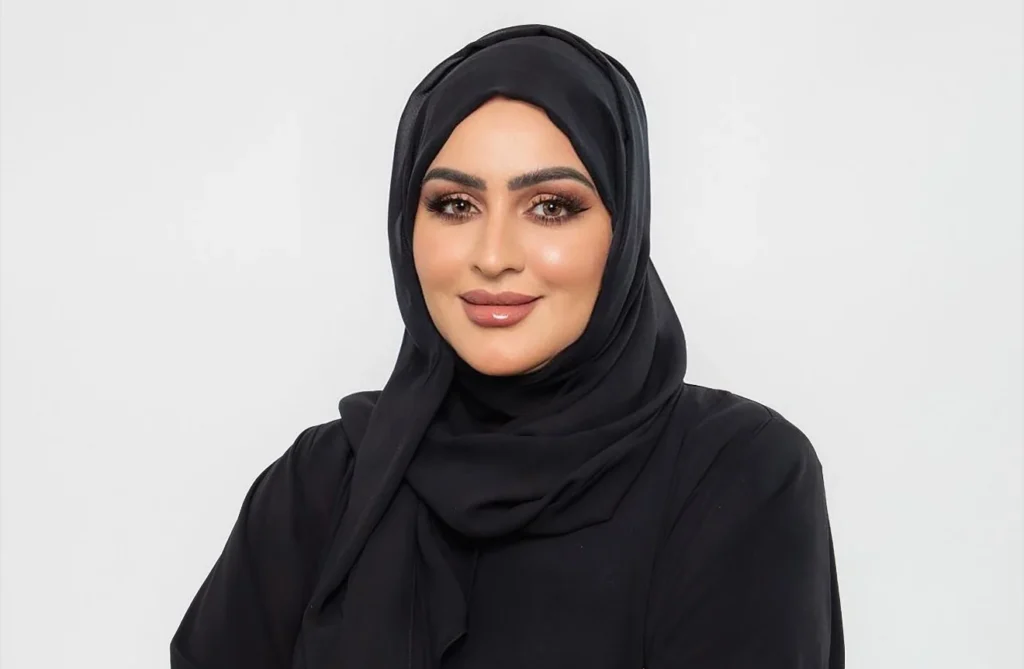
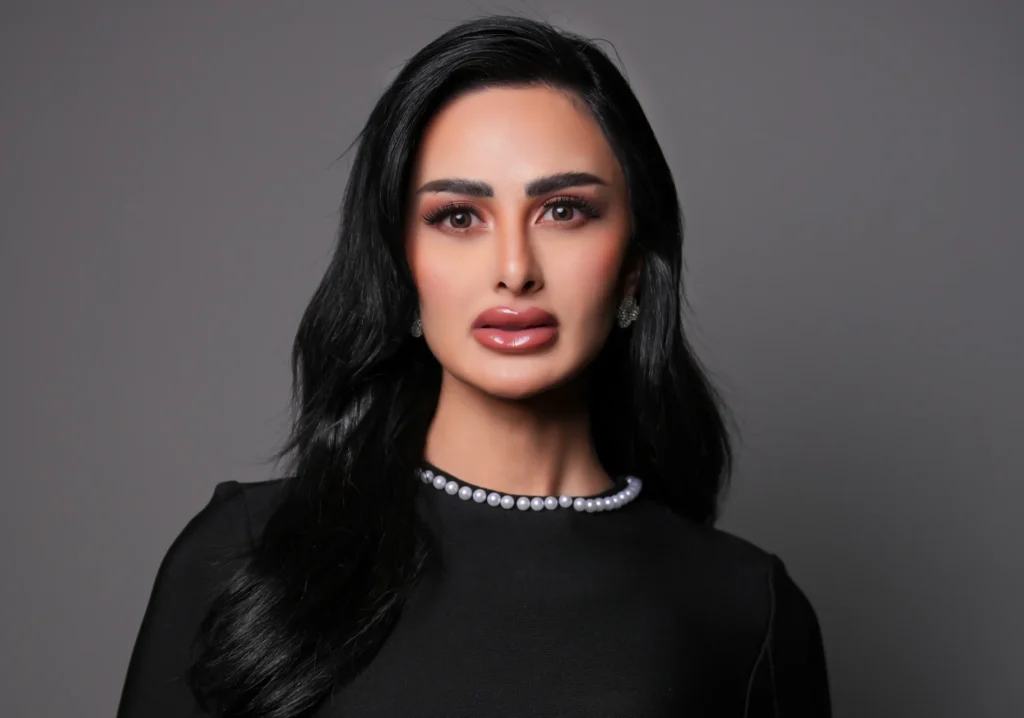
Ahmad Al Ketbi

Ahmad Al Ketbi Preserving the Soul of Storytelling in a Digital Age

Ahmad Al Ketbi Preserving the Soul of Storytelling in a Digital Age By Jane Stevens In today’s fast-changing world of digital media, where content is consumed at lightning speed, Ahmad Al Ketbi stands as a voice of balance between tradition and innovation. For him, traditional Arabic storytelling and voice culture remain essential anchors of identity, treasures that offer depth, authenticity, and emotional resonance. While modern platforms may alter how stories are shared, the rhythm of narration and the weight of voice heritage are timeless, powerful tools that can still connect with audiences across generations. Al Ketbi believes that emerging technologies like artificial intelligence are not a threat but rather a vessel to amplify cultural heritage. From restoring old radio archives to translating dialects or even recreating the voices of historical figures, AI can make tradition accessible in ways that resonate with younger audiences. The challenge lies in ensuring that these tools do not dilute authenticity but instead amplify the richness of heritage. For him, the true impact of innovation depends on intention. If technology is used merely for speed and trends, cultural identity risks being eroded. But when guided by values, digital tools can serve as guardians of tradition, documenting endangered oral histories, creating immersive cultural experiences, and preserving what might otherwise be forgotten for future generations. Examples of this balance are already visible both locally and globally. In the UAE, heritage-driven radio shows have evolved into multi-platform experiences, blending traditional poetry and storytelling with social media reels enhanced by AI visuals. On a global scale, interactive museum exhibits allow visitors to hear recreated voices from centuries past, showing how modern technology can breathe new life into heritage. Having worked across both classic broadcasting and AI-driven content, Al Ketbi has learned that innovation must remain a frame, not the canvas. The soul of the content, its message and emotional depth, should always lead. Whether through a radio interview, a documentary, or an AI-generated reel, technology can enhance but should never overshadow. Authenticity, he emphasizes, builds trust and ensures the human essence endures. Looking ahead, Al Ketbi highlights the importance of engaging the next generation of media professionals.  He advocates for mentorship, collaborations with cultural institutions, and workshops that merge traditional storytelling with emerging tools. By experiencing heritage as something living and adaptable rather than static, young creators can naturally weave it into their work. His vision for the future of media in the UAE is both ambitious and inspiring: a landscape where cutting-edge AI studios coexist harmoniously with live majlis-style storytelling. In this balance, the UAE has the potential to lead globally, showcasing how tradition and innovation can not only coexist but enrich one another. Ahmad Al Ketbi’s perspective reminds us that while media will continue to evolve, the soul of storytelling must remain intact. It is this blend of authenticity and innovation that will ensure cultural heritage is not only preserved but also thrives in the digital age.

Amna Ali Salem Aladidi

Amna Ali Salem AlAdidi A Voice of Leadership, Poetry, and Humanity

Amna Ali Salem Aladidi A Voice of Leadership, Poetry, and Humanity By Michelle Clark Amna Al Adidi’s journey is deeply rooted in the values of family, heritage, and service. Growing up in a close-knit household, she was shaped by the love and determination of her mother, who, despite not having a formal education, poured her heart into ensuring her children reached the highest levels of learning. From her father, who was raised under the vision and teachings of Sheikh Rashid bin Saeed Al Maktoum, Amna inherited wisdom, resilience, and a strong sense of purpose. These foundations became the compass guiding her through life as both a leader and a poet. For Amna, politics and poetry are not opposing worlds but complementary realms. In politics, she is guided by justice and principle; in poetry, by compassion and humanity. She has always believed that words carry immense power, whether spoken under the dome of parliament or written in delicate verses. In both spaces, she seeks to be a voice for humanity, strong in conviction, yet tender in expression. Her love for poetry began early, when words became a refuge and a tool to express emotions she could not otherwise articulate. What started as simple verses grew over time into deeper reflections filled with symbolism and intellectual weight. Today, her poetry is not just a personal outlet but a bridge that connects her individual experiences to broader human and national concerns. Infused with Emirati identity, her poems carry the essence of sea, desert, and majlis traditions. Through them, she intertwines nostalgia, pride in the present, and hope for the future. While her poetry speaks from the heart, her academic background provides a strong intellectual framework for her political career. With a master’s degree in Strategic Oversight, Amna approaches governance with a methodical eye, ensuring long-term planning, effective policy evaluation, and social balance. This training equips her to merge theory with practice, helping shape decisions that reflect both the aspirations of the nation and the needs of its people. Within the Federal National Council, Amna’s passion is most evident in her advocacy for education, healthcare, and social development. She envisions an education system that nurtures creativity and critical thinking.  This healthcare structure prioritizes both physical and mental well-being, as well as social policies that strengthen families and empower vulnerable communities. For her, these pillars are inseparable, forming the very foundation of a sustainable and just society. As an Emirati woman, Amna draws inspiration from the UAE’s values of safety, peace, and cultural diversity. She lives each day with both freedom and responsibility, free to express herself and contribute, yet responsible for representing her nation’s values with dignity. This balance of openness and security has empowered her with confidence, influencing not only her public service but also her poetic voice. For Amna, literature and poetry are vital to preserving the soul of Emirati culture. They serve as mirrors of society, carriers of tradition, and bridges between generations. In a fast-changing world, she sees them as essential to ensuring that identity and heritage are not lost, but instead celebrated and passed forward with meaning. She also believes deeply in the ability of Emirati youth, especially women, to strike a remarkable balance between tradition and modernity. Grounded in their roots yet open to the future, they embody the harmony of progress without compromise. Her advice to the younger generation is simple yet profound: never place limits on yourself. She urges Emirati youth to embrace both intellect and heart, public service and creativity, responsibility and talent. For her, identity is not a rigid mold but a continuous journey, and every pursuit, whether in governance, art, or personal growth, adds depth to that journey. When asked how she wishes to be remembered, Amna resists the idea of a single title. She does not wish to be known only as a leader or a poet, but as someone who served her country with love and sincerity in every possible way. If there is one legacy she hopes to leave, it is that of an honest voice, a faithful vision, and a tireless dedication to her nation. Amna Al Adidi’s story is one of harmony between intellect and emotion, tradition and modernity, politics and poetry. She embodies the values of her heritage while looking forward with vision, offering both her words and her actions as contributions to the growth and spirit of the UAE.

Gen Marketing

Gen Marketing Where Yesterday Turns into History

Gen Marketing Where Yesterday Turns into History By Minahil Rasool Marketing has come a long way from the days of radio ads, billboards, and word-of-mouth, when its only purpose was to spread awareness about a product or service. Back then, a mix of colorful posters and persuasive storytelling, what we now call traditional marketing, was enough to leave a lasting impact. Whether through handmade posters or Instagram reels today, one truth remains unchanged: marketing has always revolved around connection.Traditional marketing began as simple, one-way communication, without algorithms or engagement metrics to worry about. Iconic campaigns like Nike’s “Just Do It”, L’Oréal’s “Because You’re Worth It”, and De Beers’ “A Diamond is Forever” made history not just because they sold products, but because they stood by the values they represented. Marketing evolved from being a surface-level tool into the science behind brand success. That science deepened with the rise of market research. Companies learned to decode consumer psychology and purchasing patterns, relying on data-driven campaigns to stand out. This shift gave consumers more freedom to research, critique, and choose brands transparently, pushing businesses toward more ethical practices. Marketing became a two-way street, where consumer voices could amplify or challenge a brand’s reputation. The saying “All PR is good PR” gained relevance, though it also revealed the risks of missteps. Volkswagen’s 2015 scandal, for example, showed how fabricating environmental claims could cost years of consumer trust. On the other hand, brands like Tesla, Spotify, Coca-Cola, and Huda Beauty have strengthened loyalty by openly addressing social issues, sustainability, and workers’ rights. The rise of social media transformed marketing into a global conversation. Platforms such as Facebook, Instagram, X, and TikTok allowed messages to reach millions in seconds, at a fraction of the traditional cost. From influencer partnerships to user-generated content, social media gave brands a stage to amplify their presence and create unique identities. But with opportunity came pressure, brands must constantly deliver fresh, engaging content to maintain their audience’s attention. Competition became endless, with every post, view, like, share, and even watch time being measured, analyzed, and monetized. These insights allow marketers to understand audiences deeply and build lasting connections. The evolution of marketing has also created entire industries of opportunity. Careers in graphic design, filmmaking, content creation, data analysis, and brand management have flourished, making marketing one of the most lucrative and dynamic fields today. Success is no longer measured by revenue alone but by the attention a brand captures and the perception it creates in the minds of its audience. In this sense, attention has become the new currency. For businesses, marketing strategy now sits at the heart of planning and execution, requiring careful investment of time, people, and resources. Every campaign is not just about a product, it is about forecasting consumer behavior, anticipating needs, and shaping future loyalty. Looking ahead, the rise of artificial intelligence and big data promises to transform marketing even further. Predictive analytics and hyper-personalized strategies will allow brands to connect with audiences on an emotional level like never before. Yet, one principle remains vital: businesses should not blindly chase trends but instead align their strategies with what truly reflects their identity and values. Only then will they resonate authentically with their target audience.

Latifa Algurg

Latifa Algurg Crafting Stories, Building Purpose

Latifa Algurg Crafting Stories, Building Purpose By Afef Yousfi Latifa AlGurg is not your typical fashion consultant. She is a business coach, a founder, a globe-trotter, and a curious mind who believes that success is a journey, not a destination. Her brand, Twisted Roots, is a reflection of that philosophy,  a celebration of culture, creativity, and the interwoven experiences that define our lives. What immediately stands out about Latifa is how effortlessly she combines analytical thinking with artistic exploration, blending the precision of engineering with the freedom of design. “I approach life holistically,  balancing structure with creativity, analytics with imagination.” For Latifa, life is best approached holistically. Balancing structure with creativity is at the core of everything she does. Her engineering background taught her to tackle challenges methodically, while her love for design fuels innovation.  In her consulting work, this means guiding emerging brands to merge operational efficiency with creative storytelling. In the social impact space, it translates to deeply listening and understanding the needs of communities to design solutions that are meaningful and sustainable. Travel has been a constant source of inspiration for Latifa. Each journey exposes her to new cultures, perspectives, and experiences, which she channels into her work. Twisted Roots was born from this curiosity,  an attempt to express the rich tapestry of life she encounters across the globe. “We live lives that are layered and connected by human experiences that create roots that ground us and intertwine.” Her work is as much about storytelling and cultural dialogue as it is about design, blending personal experience with universal human themes. Latifa’s approach to mentoring emerging designers is equally thoughtful. Many new creators focus narrowly on products, but she encourages them to step back and define their purpose. Creativity, for Latifa, is a narrative journey. She draws inspiration from architecture, art, music, landscapes, and cultural ceremonies, allowing these elements to guide her design choices. Each collection evolves organically, telling its own story as colors, forms, and textures emerge. The brands that succeed, she observes, are those with resilience, adaptability, and a grounded sense of identity. Clear purpose, operational strength, and authenticity are what make them memorable. Two pivotal moments have defined her career. First was winning the Expo 2020 Dubai Volunteer Uniform Competition, which shifted her perspective from personal recognition to creating broader, lasting impact. The second came during the COVID-19 pandemic, when a slowdown in business allowed her to reflect and realize that her contribution would be most meaningful in supporting emerging designers and amplifying their growth. “Success is not producing more, but creating ripple effects that empower others.” Looking ahead, Latifa envisions Twisted Roots evolving as a platform for cultural storytelling, empowerment, and social impact. Through consulting, she hopes to guide the next generation of designers in the Middle East to achieve their visions while sharing their stories with the world. “Fashion is never just about what we wear, but the ideas, values, and experiences we carry with us.” Meeting Latifa, it becomes clear that her vision extends far beyond fashion. She reminds us that curiosity, purpose, and authenticity can create meaningful impact, and that the most powerful successes are those that touch others. Through her journey, she exemplifies how passion, guided by strategy and empathy, can transform not only businesses but the world around us.

Ksenia Lapsiuk

Ksenia Lapsiuk Dream. Create. Inspire. Fashion Illustrator & Live Event Artist

Ksenia Lapsiuk Dream. Create. Inspire Fashion Illustrator & Live Event Artist By Michelle Clark In the vibrant world of fashion and art, there are artists who don’t just capture beauty , they translate it into timeless experiences. One such artist is Ksenia Lapsiuk, a Ukrainian-born fashion illustrator and live event artist, now based in Dubai. With a Master’s degree in Fashion Art and Design from Kyiv National University of Technology and Design, Ksenia has dedicated her life to revealing beauty in its most elegant forms. Her collaborations with luxury houses such as Fendi, Bvlgari, Van Cleef & Arpels, Chopard, and Graff have positioned her at the crossroads of fashion, art, and human connection. For Ksenia, beauty and art are not just professions but values that guide her life. Every collaboration immerses her in a brand’s unique identity, inspiring her to refine her artistic language while staying true to her own vision. These projects are more than commissions, they are opportunities to celebrate elegance and transform fleeting moments into meaningful artistic expressions. Her passion shines most brightly during live fashion sketching, where she captures people in the moment with precision, speed, and a touch of her own perfectionism. Balancing detail and timing, she brings sketches to life before guests’ eyes, often leaving them moved and deeply touched. Some moments stay with her forever,  like the joy of a guest who, upon seeing her portrait, exclaimed, “This is really me! You made my day!” or the warmth of another who still sends her holiday greetings years later. For Ksenia, such reactions are priceless reminders of why she creates: to connect, to inspire, and to celebrate beauty with others. Her guiding philosophy is summed up in three simple but powerful words: Dream. Create. Inspire.  To dream means believing that nothing is impossible and finding beauty everywhere. To create is to bring those dreams into reality with soul, passion, and emotion. And to inspire is to share that beauty and wonder with others. These principles are not just her artistic motto but also the lens through which she experiences life. Though she works with both digital and handmade techniques, Ksenia remains captivated by the tactile nature of traditional illustration. She believes that in an era of AI and rapid digital innovation, the human touch,  with all its spontaneity, imperfections, and authenticity, will only grow more precious. Every hand-drawn piece, in her view, carries a soul that no machine can replicate. Preparation is another cornerstone of her work. Each event requires immersion into a brand’s story, from studying its colors and materials to understanding its emotional essence. By aligning her vision with the brand’s identity, she creates experiences that feel both seamless and unforgettable, leaving a lasting impression on every guest. If given the chance to sketch anyone in history, Ksenia would choose Coco Chanel, a woman whose courage and vision revolutionized fashion and continues to inspire generations. Chanel’s story, like Ksenia’s, is a reminder that true artistry comes from daring to dream, embracing joy in creation, and inspiring others through beauty. Beyond her work, Ksenia draws inspiration from fashion, photography, art, and travel experiences that shape not only her creative expression but also the way she lives and sees the world. Every detail, every fleeting moment becomes a spark of inspiration, fueling her mission to share beauty wherever she goes. At the heart of her journey lies a simple truth: art is not only about what is created but about the emotions it awakens. Through her live sketches, collaborations, and illustrations, Ksenia Lapsiuk continues to turn moments into memories, reminding us that beauty is everywhere waiting to be noticed, celebrated, and shared.

Tetiana Skoryna

Exclusive Interview with Tetiana Skoryna

Exclusive Interview with Tetiana Skoryna From Sharjah’s industrial beginnings to Dubai’s digital spotlight, Tetiana Skoryna shares her journey of resilience, creativity, and living the true ‘Dubai dream. By Hafsa Qadeer There are some stories that define resilience, courage, and the pursuit of passion and Tetiana Skoryna’s journey is one of them. From humble beginnings in Sharjah’s industrial area to becoming a widely recognized content creator in Dubai, Tetiana embodies what she calls the “Dubai dream.” Her life is a powerful example of how hard work, adaptability, and creativity can transform not just a career, but an entire identity. When Tetiana first arrived in Dubai, her reality was far from glamorous. She worked in a small car-parts shop in Sharjah, putting in long, challenging hours. From there, she moved into hospitality as a waiter and later found herself in the fitness industry as a trainer. Each step brought new lessons and a growing determination to push further. Together with her sister, she reached an important milestone by opening their own gym, a proud achievement for their family. Yet, deep within, Tetiana knew her journey wasn’t complete. Driven by her passion for creativity and storytelling, she took a leap of faith, shifting her focus to content creation full-time. Today, she shares her life, her experiences, and her love for Dubai with millions of people online. For Tetiana, this transformation is proof of the Dubai dream, where perseverance and belief can take you from “zero to hero.” Over more than a decade in the UAE, the city has shaped not only Tetiana’s career but also her character. Living in Dubai’s multicultural environment has taught her openness, adaptability, and respect for people from every corner of the world. She explains that this diversity has made her content more universal designed to connect with audiences across cultures, languages, and traditions. By creating content that reflects the shared human experience, Tetiana has not only become a better creator but also a more empathetic person. For Tetiana, everyday details of life in Dubai hold powerful meaning. Observing how people respect shared spaces, follow etiquette on the metro, and value harmony in public life has deeply influenced her. She incorporates these lessons into her videos, not as rules, but as reflections of respect and consideration. This mindful approach helps newcomers appreciate the city’s lifestyle, while also showcasing the unique spirit that makes Dubai stand apart. Her content highlights the richness of diversity not through polished brochures, but through real, everyday experiences. Whether it’s an Emirati family sharing food during Ramadan, a casual market interaction, or strangers from multiple countries bonding on the metro, Tetiana brings forward the beauty of these unscripted moments. Diversity in Dubai, she believes, is not something you just see, it’s something you live daily. This cultural blend has reshaped her storytelling approach. In creating content, she constantly considers whether people from Europe, Asia, or the Middle East can relate to it. That awareness makes her narratives universal, helping her connect authentically with audiences across the globe. Tetiana also sees her role as more than just an entertainer. She believes influencers can serve as cultural bridges, offering real glimpses of everyday life beyond stereotypes. The greatest reward for her is hearing from followers who say her videos gave them the confidence to move to Dubai, because through her content, they already feel at home. Looking ahead, Tetiana is inspired by the way the UAE is blending tradition with innovation. She admires how Emirati heritage is preserved while also evolving to resonate with younger generations in fields such as fashion, food, and architecture. For her, this balance between honoring roots and embracing the future is what makes Dubai so extraordinary, and it’s a narrative she is passionate about sharing with the world. Tetiana Skoryna’s story is not simply about personal success, it’s about growth, gratitude, and connection. From her first job in a small shop to inspiring millions through digital storytelling, her path reflects the possibilities that Dubai offers to dreamers who dare to work hard. In every video, every story, and every message she shares, Tetiana captures the essence of the city: a place where diversity thrives, respect shapes daily life, and ambition finds its wings. In her own words, “living the Dubai dream” means more than building a career, it means growing into the best version of yourself, while inviting the world to share in that journey.

Fashion Retail Thrives in UAE While the World Rethinks It

Fashion Retail Thrives in UAE While the World Rethinks It

Fashion Retail thrives in UAE While the World Rethinks It By Alhanouf Mohammed Alrowaili In the UAE, the future doesn’t just arrive; it’s curated, color-coded, and couture-clad. Amid shifting sands and skyscraper shadows, the retail sector, particularly fashion and luxury, is not only alive but elegantly evolving. Welcome to 2025, where luxury isn’t just a label; it’s the language of identity, and the UAE is its most fluent speaker. Retail’s Resilience: Numbers, Not Narratives According to the Dubai Chamber of Commerce, the UAE’s total retail market reached AED 308 billion ($83.9 billion) in 2025, with fashion, beauty, and luxury accounting for nearly 34% of that spend. The sector is growing at 6.2% CAGR, fueled by tourism, Gen Z consumerism, and experiential retail. “Retail in the Emirates is not a categoryit’s a culture,” says Nisreen Shocair, President of Fashion at Chalhoub Group. “It reflects who we are, what we value, and how we want to be seen by the world.” Dubai: The Runway of the Region With over 19 million visitors expected in 2025, Dubai remains the global capital of experiential shopping. Retail contributes 12% of Dubai’s GDP, according to Dubai’s Department of Economy and Tourism. And it’s not just quantity; it’s also quality. From Level Shoes and THAT Concept Store to Fashion Avenue in Dubai Mall, the city curates a theatrical blend of global glamour and Gulf-specific storytelling. Hermès, Chanel, Cartier, and Valentino are not merely tenantsthey are narrators in the Emirates’ retail mythology. Luxury Reimagined: Modesty, Legacy & Data Luxury in the UAE has undergone a transformation from exclusivity to expression. The 2025 Chalhoub Luxury Insights Report reveals: 68% of Emirati luxury consumers now prioritize cultural relevance in collections. 73% of Gen Z shoppers expect digital integration with their luxury experiences (AR fitting, NFT certification, etc.) “Fashion here is less about Western aspiration, more about Arab authorship,” notes Dina Al Herais, Regional Director of Marketing at Dior Middle East. “We’re seeing a renaissance of modestwearnot as compromise, but as couture.” Valentino’s Ramadan Kaftan Salon sold out in two weeks. Gucci’s Middle East-exclusive ‘Noor’ line saw 4x engagement compared to global drops. Dior’s flagship in Dubai has added a “Maison Majlis,” a private showroom inspired by Emirati hospitality. Homegrown Power: From Trend to Testament While the global names headline, Emirati and Arab designers are driving emotional loyalty, brands like The Giving Movement, Bouguessa, and Anatomi are blending sustainability, spirituality, and sophistication in ways that resonate. The Giving Movement hit $25M+ in annual revenue this year and expanded to KSA and UK. Three Arab celebrities wore Bouguessa’s SS25 collection at the Cannes Red Carpet. Farfetch and Ounass both report double-digit growth in demand for regional labels. The Rise of ‘Phygital’ and Smart Luxury Step into Mall of the Emirates and you might meet your AI stylist. Browse Dior, and receive a digital NFT of the design history. Order from Bloomingdale’s and track the ethical sourcing in real-time. “Customers today want to shop a story, not just a product,” says Patrick Chalhoub, CEO of Chalhoub Group. “The smart luxury experience is now about transparency, personalisation, and heritagedelivered through tech.” The Group has rolled out AI-powered inventory tools, blockchain-based authenticity tracking, and AR-enhanced virtual concierge apps across flagship stores. Tourism & Retail: A Love Affair Continues Dubai’s strategy to align high-end tourism with luxury retail is paying dividends. According to Dubai Economy & Tourism: In 2025, 40% of luxury spending is expected to come from international visitors. Tourists from China, India, Russia, and Nigeria show the highest per capita luxury consumption. Events like Dubai Fashion Week, Arab Fashion Council’s Modest Summit, and Emirates Gold Card Retail Access programs are turning shopping into a pilgrimage. Urban Vision: Retail as Citymaking With the Dubai 2040 Master Plan well underway, the future of shopping won’t be confined to malls. Mixed-use zones, cultural retail districts, and pop-up lifestyle hubs are becoming increasingly central to how Emiratis interact with their surroundings. The upcoming Al Khawaneej Fashion Park is expected to be a first-of-its-kind luxury + wellness + community retail experience designed around Emirati values and aesthetics. A Retail Renaissance, Rooted in Identity As Western markets question the future of brick-and-mortar and fight return rates, the UAE is asking a different question:   “How can retail reflect who we are becoming?”   And that’s why it’s working. In 2025, fashion and luxury in the UAE are not simply about what you wear, but about what you mean, what you preserve, and what you project. In the Emirates, fashion is more than fabric’s the architecture of ambition.

Mona Tajarbi Redefining Influence Through Authenticity, Motherhood, and Meaningful Impact

Mona Tajarbi Redefining Influence Through Authenticity, Motherhood & Meaningful Impact

Mona Tajarbi Redefining Influence Through Authenticity, Motherhood, and Meaningful Impact By Michelle Clark Mona Tajarbi began navigating her public journey behind the safety of anonymity, sharing her voice, her ideas, and a desire to connect. With time, she evolved into a visible creator, brand founder, and advocate for women balancing multiple roles. Today, she speaks candidly about the choices that shaped her creative path, the drive behind her beauty brand, and the deeper purpose fueling her influence. When she first launched her platform “Tajarbi” (meaning “experiences”), Mona shared insights through narration without showing her face. The anonymity gave her space to explore and grow while she figured out her direction. But as her audience grew, so did her desire to connect more authentically. “I realized I was building genuine connections yet holding back a big part of myself. I wanted to show up fully not just as a voice, but as a woman, a creator, and someone proud of her story.” Showing her face transformed the nature of her connection with followers, offering not just content but the real person behind it. Today, Mona successfully manages two identities: founder of Blink Beauty Cosmetics and full-time influencer. She is involved in every aspect of her brand, from product creation and packaging to storytelling, while continuing to inspire and engage her growing digital community. Rather than separating the two roles, she lets them enrich each other. Her insights as an influencer shape Blink’s product line, and her brand serves as a creative extension of who she is. In her words, it’s “a piece of my heart in product.” As a mother and entrepreneur, Mona understands the pressure modern women face to wear multiple hats. She believes the real challenge isn’t just time, but identity. Through her collaborations with Emirates Football Club and other initiatives, she has made it her mission to help women, especially mothers, remember that their voices matter. Whether in sports, business, or at home, she wants women to feel seen, heard, and celebrated. She creates spaces where women can show up as their full, authentic selves. Looking back at her digital journey, Mona recalls starting with only 99 followers, no grand plan, just passion and honesty. Her growth didn’t come from chasing numbers, but from consistent, purposeful sharing. The turning points included showing her face and story, posting with intention, prioritizing community over metrics, and embracing her full journey—including the challenges. She responded to every message and built real relationships with her audience. “That trust is something I’ll never take for granted,” she says. Among the many accolades she has received, one moment stands out: her first award as an entrepreneur. It wasn’t the flashiest recognition, but it carried deep meaning. It validated the hard work, the sleepless nights, and the risks she took while juggling motherhood and business. It reminded her that Blink Beauty was more than a product line. It was her vision, her resilience, and the start of a legacy built on heart and determination. Mona also emphasizes the responsibility that comes with influence. She believes that having a platform should be about more than trends and aesthetics. It should be used to promote meaningful conversations and positive change. Through her collaborations with government bodies and global organizations, she has witnessed how impactful influencer partnerships can be in creating awareness and driving real transformation. “Whether it’s advocating for women, supporting education, or amplifying local causes, I see it as my duty to use my platform with intention,” she says. Mona Tajarbi’s journey from anonymous storyteller to impactful entrepreneur and influencer is a testament to the power of authenticity, intention, and community. Her decision to reveal her true self, and her passion for building something with meaning, have led her to inspire thousands. Whether helping women find their voices or turning her ideas into products, Mona proves that influence is most powerful when it’s rooted in purpose.

DR. MAHRA LUTFI: The Transformational Journey from Conflict to Cure

Dr Mahra Lutfi The Transformational Journey From Conflict to Cure

Dr. Mahra Lutfi The Transformational Journey From Conflict to Cure By Michelle Clark From the hushed corridors of regenerative medicine labs to the global stage of diplomacy and beauty, Dr. Mahra is a woman who defies definitions. A healer by training, an ambassador by mission, and an icon by grace, she carries within her the resolve of a survivor and the vision of a builder.  “I was born into conflict,” she says. “But I chose to become a source of healing.” What follows is not the story of titles , but of transformation. Born in Iraq and raised amid the echoes of war, Dr. Mahra’s earliest memories are of instability and separation. Her family fled the shadows of political unrest, seeking refuge and hope across borders. “The pain of displacement leaves more than a physical scar,” she reflects. “It reshapes how you see yourself, how you connect with the world.” This early exposure to human fragility sparked a calling that transcended personal ambition. Medicine wasn’t just a profession , it was a pathway to restoration. She began her academic journey in the U.S., where she trained in regenerative medicine, an emerging field at the intersection of biology, innovation, and care.  “Stem cell therapy is not about chasing futuristic science,” she explains. “It’s about using what we already have within us , our cells, our capacity , to repair, regenerate, and restore.” Dr. Mahra is now the first board-certified Emirati physician in regenerative medicine and among a handful of Arab women leading the charge in this advanced specialty. Her current mission is the development of the UAE’s first comprehensive stem cell therapy hospital, a vision rooted not only in scientific excellence, but in access and equity. “This hospital isn’t just for the privileged,” she says. “It’s for the grandmother with osteoarthritis. For the burn survivor. For the child with a rare disorder. We want to remove the barrier of geography from hope.” But her path has never followed a singular line. In 2023, she made international headlines by winning Miss Planet International , a global pageant that places emphasis on humanitarian impact. As the first Emirati woman to hold such a title, the win carried both symbolism and substance. “I didn’t enter the pageant to be seen,” she notes. “I entered to give visibility to the causes I care about, climate action, refugee support, and women’s health.” The pageant stage became a platform, not a pedestal. Wearing the crown gave her entry into spaces where she could advocate for regenerative medicine funding, push for greater female representation in STEM, and speak to youth across underserved communities. “In some rooms, a lab coat opens doors. In others, a sash does. I learned to carry both with responsibility.” Social media became her third space. Dr. Mahra has cultivated a digital presence that merges vulnerability with vision. Her posts are less about perfection and more about purpose , glimpses into medical missions, policy talks, and her own quiet battles with mental health and identity. “People follow authenticity,” she says. “And they can tell when someone is hiding behind curated filters. I choose to show up with truth , whether I’m tired after surgery or excited about speaking at the UN.” Indeed, as a UN Ambassador for Stem Cell Research, Dr. Mahra has helped shape international guidelines around ethical research, patient consent, and inclusion in clinical trials. Her voice has become particularly vital in advocating for underserved populations , especially refugees and women , who are often excluded from innovation pipelines.  “We can’t afford to have a future in which only the wealthy benefit from scientific progress,” she argues. “Dignity must be the starting point of every breakthrough.” Beyond her professional reach, Dr. Mahra’s philanthropic work speaks volumes. She funds regenerative care for trauma survivors, partners with NGOs for cross-border medical outreach, and sponsors girls pursuing degrees in biotechnology and medicine.  “Impact isn’t what you post,” she says. “It’s the quiet ripple of someone walking again. Of a young woman entering a lab she never thought she belonged in.” Her efforts are anchored by a deep connection to the UAE , the nation she now calls home. “The UAE gave me more than shelter. It gave me a chance to lead, to serve, to belong,” she says. “Here, tradition and progress walk hand in hand. It’s where a woman can be both fierce and feminine, both ambitious and anchored.” That identity , as a modern Emirati woman who holds space for contradictions , is something she fiercely protects and proudly shares. “I’m Arab, I’m Muslim, I’m a scientist, I’m an advocate. I’m not meant to fit into a single frame , and I want other girls to know they don’t have to either.” Her legacy, she says, isn’t about applause. It’s about permission.  “I want girls to know they can be more than one thing. That they can build hospitals and speak on world stages. That they don’t have to choose between intellect and beauty, faith and freedom, care and courage.” As she continues her work , in labs, at podiums, across continents , Dr. Mahra’s message is one of synthesis. Her life is not a series of chapters, but a symphony where every note is intentional: the healer, the refugee, the queen, the builder. Each part made stronger because of the other. And when asked what still drives her, she pauses. Then offers:  “There’s still so much pain in the world. And where there’s pain, there’s room for healing. That’s where I’ll be.”

Exclusive Interview with Maya Nassar Maalouf

Exclusive Interview with Maya Nassar Maalouf

Exclusive Interview with Maya Nassar Maalouf Ms Fitness Universe 2025 | International Fitness Model | Virgin Radio Host | Founder of Start Living Right By Hafsa Qadeer Maya Nassar Maalouf, crowned Ms Fitness Universe 2025 in Las Vegas, is more than a global champion, she is a pioneer in Arab fitness, a successful entrepreneur, and a powerful voice on the airwaves. As a mother of four, international athlete, and media personality, her journey continues to inspire a generation of women across the Middle East and beyond. Having lived in the United States, Nigeria, England, and Lebanon, Maya’s outlook on fitness and discipline has been deeply shaped by her global experiences. Each culture brought a unique philosophy toward health and lifestyle, broadening her understanding of fitness beyond physical appearance. The variety of environments taught her how to adapt, remain motivated, and stay disciplined no matter the circumstances. Her fitness journey began in 2010 during a time of personal challenge, which sparked a desire for transformation. What started as a personal goal soon turned into a passionate pursuit of bodybuilding. Through this process, she discovered not just physical strength, but deep mental resilience. Competing was a natural next step, allowing her to push her limits and redefine her sense of self. A defining moment came when she became the first Lebanese athlete officially endorsed by the government to compete in an international bodybuilding event. That endorsement represented more than personal recognition, it marked a breakthrough for Lebanese women in sport. It was a proud, symbolic moment, signalling to women across the region that they, too, could claim space on global athletic stages. Winning first place at the 2014 Pure Elite UK Championships was a pivotal achievement that validated years of dedication and sacrifice. It established Maya’s credibility in the international fitness community and opened the door to further success. Most recently, she added another crowning glory to her career, being named Ms Fitness Universe 2025 in Las Vegas. That moment was especially meaningful, a culmination of years of commitment achieved while raising four children. Her platform, Start Living Right, was born out of a desire to empower others. The goal was to make fitness accessible and enjoyable, offering structured resources and expert guidance. Today, it stands as one of the region’s top-ranked fitness apps, with official endorsement from the Ministry of Youth and Sports. The app’s success is a testament to its positive impact on the community and the growing appetite for credible wellness solutions in the Arab world. Transitioning from athlete to entrepreneur was not without its challenges. Navigating the business world required Maya to learn about operations, marketing, and finance, territories she hadn’t explored as a competitor. Running a business meant shifting her mindset and embracing continuous growth, all while staying connected to her roots in fitness. Balancing that with motherhood and media responsibilities has been demanding, but rewarding. Maintaining personal motivation and consistency amidst so many commitments comes down to prioritisation. Maya treats her workouts like any essential meeting and sets realistic, achievable goals. Finding joy in the process has helped her stay grounded and committed to her own wellbeing, even when time is scarce. Media has played a vital role in expanding Maya’s platform. Her features in publications such as Women’s Health, Oxygen Magazine, and Muscle & Fitness have helped reshape perceptions of Middle Eastern women in fitness. Through her visibility, she continues to challenge outdated stereotypes, showcasing the strength, capability, and ambition of Arab women. Her work in broadcasting, most notably as a radio host on Virgin Radio, gives her the opportunity to reach an even wider audience. Through on-air discussions and community engagement, she spreads awareness about health and wellness in a way that’s both relatable and inspiring. Media, in this context, becomes a catalyst for cultural change, encouraging people across the Arab world to adopt healthier lifestyles. As Maya continues to grow and evolve, her ambitions remain rooted in impact. She is exploring new business ventures and community-based wellness initiatives designed to reach more people, particularly women seeking empowerment through health. Personal development remains a constant focus, as she seeks to refine her leadership skills and continue inspiring others to pursue their own journeys toward balance, fitness, and self-belief. Maya Nassar Maalouf’s journey is not just a story of success, but of transformation, leadership, and purpose. She continues to inspire, not only through her achievements, but through her unwavering commitment to helping others start living right.

Turning Wellness into a Way of Life

How the UAE Is Turning Wellness into a Way of Life

How the UAE Is Turning Wellness into a Way of Life By Hafsa Qadeer In the heart of the UAE, where skyscrapers mirror the stars and the pulse of commerce never rests, there is a quieter revolution underway. It doesn’t shout or shimmer. It hums, like the sound of breath in a yoga dome, the whisper of incense in a majlis, the slow pour of saffron tea. Welcome to the Mindful Majlis, a new way of living that fuses ancient hospitality with modern wellness. In a nation known for its pace, stillness is becoming a power of its own. Wellness Reimagined, Culturally Rooted Forget the imported notions of self-care found in glossy Western magazines. The UAE’s wellness movement draws from deeper wells, falaj systems that taught flow, majlis traditions that taught presence, and desert silence that taught listening. Wellness here is not escapism. It is homecoming. In Abu Dhabi’s mangrove retreats and Dubai’s desert sanctuaries, Emiratis and residents alike are redefining what it means to be well, not just physically, but spiritually and culturally. Mental health clinics are designed like majlises. Retreat centers serve dates alongside adaptogens. Camel milk is offered not as trend, but as tradition. Urban Serenity Even in the cities, mindfulness is no longer a niche. Offices now have prayer pods and aromatherapy lounges. Corporate wellness programs include Qur’an recitation breaks and guided visualizations through sand dunes. Digital detox cafes are on the rise, spaces where phones are surrendered at the door and conversations flow face-to-face, like they once did in moonlit tents. And from Jumeirah to Sharjah, parks and beaches now host community sound baths, full moon meditations, and morning qigong by the sea. The fast lane, it seems, is learning to pause. From Mosques to Mindfulness Spiritual wellness, long woven into the rhythm of daily life through prayer, is now converging with contemporary practices. In places like the House of Wisdom in Sharjah, reading nooks double as wellness corners. In Al Ain, Sufi poetry sessions are being revived as emotional healing circles. Here, mindfulness isn’t imported. It is remembered. Well-Tech and the Rise of Smart Wellness True to its tech-savvy DNA, the UAE is infusing its wellness renaissance with innovation. AI wellness coaches, smart abayas that monitor hydration, and virtual prayer mats are just the beginning. Startups are combining biometric data with traditional healing practices. Apps recommend personalized meditation routines based on heritage and lunar cycles. There’s even a metaverse mosque in development, offering guided inner journeys that transcend physical borders. But for all the tech, the heart of this movement remains profoundly human. Healing the Community, Not Just the Individual What makes the UAE’s wellness wave unique is its collective ethos. This is not just about yoga retreats for the few. It’s about mental health education in schools, trauma-informed therapy for refugees, and inclusive design that considers people of all abilities. Even traditional healers, herbalists, hijama practitioners, and dream interpreters are being integrated into modern healthcare systems, not as relics, but as respected allies in the care of the soul. A Cultural Blueprint for Global Wellness In a world seeking balance, the UAE offers a compelling model: one that honors its spiritual roots while embracing global well-being. Where wellness is not indulgence, but inheritance. It is in the way a guest is offered water before words. In the fragrance of oud that lingers like memory. In the pause between call to prayer and action. This is the Mindful Majlis, not a place, but a way of being. And as more people gather within its circle, it becomes clear: the UAE’s greatest luxury may not be what it builds, but how it helps us simply be.

Ras Al Khaimah Wellness Haven

Ras Al Khaimah Wellness Haven

Ras Al Khaimah Wellness Haven By Desk Reporter Ras Al Khaimah is emerging as the UAE’s wellness capital in 2025, with Al Wadi Desert Resort leading the charge. Its Bedouin Bliss program offers yoga amid the dunes, paired with traditional ghawa coffee rituals and frankincense aromatherapy, attracting urbanites seeking serenity. The resort’s falconry sessions, followed by guided meditation, create a unique blend of adrenaline and calm, rooted in Emirati heritage. These experiences cater to a growing demand for holistic escapes that honor the UAE’s cultural legacy. The emirate’s tourism board reports a 20% increase in wellness visitors this year, with the Hajar Mountains hosting mindfulness hikes through ancient wadis. Small retreats are sprouting across the region, offering farm-to-table dining and stargazing sessions that celebrate Ras Al Khaimah’s natural beauty. This wellness boom reflects the UAE’s modern lifestyle, balancing rapid progress with moments of reflection. By weaving tradition into rejuvenating experiences, Ras Al Khaimah invites residents and travelers to reconnect with nature and themselves.

Designing a Wardrobe for the Climate-Conscious Gulf

Designing a Wardrobe for the Climate-Conscious Gulf

Designing a Wardrobe for the Climate-Conscious Gulf By Hafsa Qadeer In the shimmering heat of the Gulf, style has always been a statement of wealth, of modesty, of power. However, today, as the UAE transitions from an oil-based economy to a knowledge-driven, eco-conscious society, its fashion narrative is evolving. A new aesthetic is emerging from the sand and steel: post-oil fashion, characterized by minimalism, mindfulness, and a deep-rooted connection to identity. This isn’t a rejection of glamour. It is a recalibration. The Fabric of Responsibility Step into a boutique in Alserkal Avenue or scroll through a digital showroom from a Dubai-based label, and you’ll see it: natural fibers replacing synthetics, camel wool blended with organic cotton, and garments dyed with desert herbs instead of chemicals. Young Emirati designers are ditching fast fashion in favor of conscious couture. Labels like Twisted Roots, Nafsika Skourti, and Bouguessa are leading the charge, blending architectural silhouettes with ethical sourcing, creating clothes that whisper sustainability without sacrificing elegance. Here, sustainability is not a trend. It is a promise. Climate as Couture’s Muse The Gulf sun, once tamed only by tinted glass and air-conditioned malls, is now a design influence. Flowy cuts, loose tailoring, breathable layers, these are more than cultural staples; they’re becoming climate-responsive design principles. In Abu Dhabi, a new generation of fashion students is experimenting with UV-protective fabrics. In Sharjah, modestwear brands are innovating with cooling textiles and desert-adaptive dyes. Traditional dress forms like the abaya and kandura are being reimagined with zero-waste patterns and biodegradable threads. This is not just about looking good. It’s about feeling in harmony with the land. Minimalism with Meaning Post-oil fashion in the UAE is also a quiet rebellion against excess. The days of logo-heavy luxury may not be gone, but there’s a rising appetite for subtler statements, heirloom jewelry passed down generations, tailored jalabiyas made by local artisans, and capsule wardrobes curated for purpose, not spectacle. The color palettes mirror the land, sands, silvers, date-palm greens, and dusky rose. It’s not monotony. It’s restraint. A new kind of opulence that speaks softly. Modesty Meets Innovation In this region, fashion has always walked a fine line between modesty and extravagance. But today, that dance is choreographed with tech. AI-powered fittings, blockchain for supply chain transparency, and fashion lines optimized for low-carbon shipping are redefining modest wear as futuristic. Digital runways in the metaverse showcase abayas that shimmer with virtual light, and NFTs are being paired with physical garments to prove authenticity and sustainability. This isn’t just fashion. It’s philosophy in fabric. Cultural Threads, Global Weave What sets the UAE apart is how deeply its post-oil fashion remains rooted in cultural memory. From the hand-stitched embroidery of Fujairah’s mountains to the gold-threaded weaves of old Dubai, heritage is not lost, it’s repurposed. In a world drowning in overproduction, the UAE’s emerging designers are looking inward, not outward, for inspiration. They are not mimicking Paris or Milan. They are building something new, a wardrobe for the desert future. The Aesthetics of What Comes Next As the UAE reimagines its economy beyond oil, it is also reimagining its aesthetic. Fashion here is not just adornment; it is adaptation, identity, and a gentle yet firm declaration that style can be sacred, sustainable, and still stunning. Post-oil aesthetics are not defined by what they discard, but by what they choose to carry forward. The threads of tradition. The spirit of innovation. The warmth of climate wisdom. In the end, perhaps that is what real elegance is: knowing how to dress for tomorrow, without forgetting where you began.

Modest Elegance of Dubai

The Modest Elegance of Dubai Redefines Global Trends

The Modest Elegance of Dubai Redefines Global Trends By Desk Reporter Dubai’s 2025 Modest Fashion Week at Dubai Design District (d3) has solidified the emirate’s role as a global leader in values-driven style. Emirati designer Noor Al Suwaidi’s Elegance by Noor collection, featuring abayas with Swarovski crystals and hand-stitched Bedouin motifs, blends tradition with luxury. Her designs, available at high-end boutiques such as Ounass, resonate with women who seek sophistication without compromise. The event’s focus on cultural pride has elevated Dubai’s status as a modest fashion hub, drawing designers from Paris to Jakarta. Sustainability took center stage, with Ajman-based Green Thread showcasing hijabs and dresses made from recycled silk sourced locally. Recent industry reports project Dubai’s fashion market to grow 15% by 2026, fueled by its blend of innovation and heritage. Local designers are leveraging the UAE’s global connectivity to reach international markets, while eco-conscious practices resonate with a growing consumer base. Dubai’s fashion scene is proving that modesty, sustainability, and high style can coexist, setting a new benchmark for the industry.

The Aesthetic Rebellion Against Maximalist Luxury

The Aesthetic Rebellion Against Maximalist Luxury

The Aesthetic Rebellion Against Maximalist Luxury By Hafsa Qadeer In a country known for gold-laced skylines and couture-lined avenues, a quieter movement is unfolding. Gone are the layers, the excess, the embellished bravado. In their place: breathable neutrals, clean lines, and fabric that speaks of desert stillness rather than downtown flash. Across the UAE, a new aesthetic has emerged, Desert Minimalism, a style born not in defiance of luxury, but in refinement of it. This is not austerity. It is intentional restraint. A Climate of Clarity Fashion in the UAE has long reflected its global ambitions. But as the world turns toward sustainability, and the Emirates positions itself as a climate-conscious state, young designers are turning inward. They are inspired by the landscape, not just in color but in philosophy. The endless dunes. The silent geometry of falaj systems. The silhouettes of abayas flowing like desert winds. Their designs are calm. Their palette is sand, date-palm green, salt-white. Each piece whispers: enough. Local Fabric, Global Form Emirati labels like Qasimi, The Orphic, and Endemage are redefining elegance. They champion organic cotton, handwoven linen, and locally sourced silks. They produce in l batches. They cut with empathy. Their garments honor the past, traditional cuts, tribal motifs, but never imitate it. They are rooted in heritage but designed for a borderless future. These aren’t outfits for red carpets. They’re for airports, art galleries, classrooms, everyday iconography. The Abaya Reborn Nowhere is this minimalism more radical than in the reimagining of the abaya. Once black and boxy, it now drapes like a sculpture, monochrome, belted, unstitched. It floats without a statement. It leads without loudness. In this reimagining, modesty is not a limit; it’s a language. Less is the New Luxe Across concept stores in Alserkal Avenue and boutiques in Abu Dhabi’s Saadiyat district, consumers are no longer looking for brand logos. They’re seeking meaning, garments that are ethically made, seasonless, and enduring. And designers are responding with pieces that breathe, that belong, that last. Minimalism, here, is not just aesthetic; it is economic, environmental, and emotional clarity. A Philosophy in Motion Desert minimalism is not just fashion. It is part of a wider movement in Emirati life toward wellness, intentional living, and cultural reclamation. It asks: What do we need? And what beauty exists when we remove everything else? In a world addicted to more, the UAE’s designers are choosing less, but better. And perhaps, in that silence, they are echoing something ancient,  Something the dunes have always known.

Algorithmic Aesthetics: When AI Becomes Your Stylist

Algorithmic Aesthetics When AI Becomes Your Stylist

Algorithmic Aesthetics When AI Becomes Your Stylist By Hafsa Qadeer In an age of scrolling fatigue and overflowing wardrobes, fashion in the UAE is undergoing a silent transformation. Not with louder prints or faster runways, but with quieter, smarter code. Welcome to the world of AI-driven style, where algorithms know your mood before you do. Where fashion doesn’t just follow trends, it predicts your lifestyle. “Fashion has always been about storytelling,” says Mariam Al Bastaki, founder of the Dubai-based fashion-tech platform Zayna AI. “Now we have a tool that lets each person’s story be heard, not just seen.” In the UAE, where tradition threads through every hemline, AI is not just disrupting fashion, it’s realigning it with purpose. Smart wardrobes track weather patterns from Fujairah to Abu Dhabi, your daily calendar, and even your prayer times to make nuanced clothing suggestions. A soft abaya for the cooler majlis evenings. UV-blocking fabrics for the Dubai Marina strolls. AI is learning your context and reflecting it back with elegance. But this is more than convenience. It’s a redefinition of luxury. “In the past, luxury was about excess, now it’s about intention,” says Dr. Ayesha Kareem, sustainability strategist and textile technologist. “AI helps us reduce waste by designing only what we actually wear. That’s not just smart. That’s ethical.” Designers, once wary of artificial intelligence, are beginning to treat it not as a competitor but as a collaborator. Algorithms generate infinite variations of a silhouette, but human instinct filters them through cultural lenses. From Sharjah’s modest fashion collectives to Dubai’s high-tech ateliers, the pattern is clear: AI assists, humans decide. And amid this evolution, personalization is becoming powerful. In a region where style is a subtle expression of identity, AI allows Emiratis and residents alike to reclaim authorship. Your digital stylist remembers that you prefer pastels for Ramadan nights or that you never repeat an outfit at family events. It learns from you, not the other way around. This is fashion that adapts to faith, formality, and feeling. “Technology doesn’t erase our identity,” Mariam adds. “It enhances it. For women in the Gulf, that’s especially powerful. We no longer have to choose between cultural integrity and cutting-edge design.” The result? A new aesthetic is emerging: quiet luxury, powered by intelligent design. One where minimalist tailoring meets maximal personalization. One where tech doesn’t scream, it listens. And perhaps, that’s the most stylish thing of all. Because in this algorithmic age, fashion’s future isn’t louder, it’s smarter. And most importantly, it’s finally about you.

Emirati Designers

How Emirati Designers Are Sewing the Future

Threads of Memory How Emirati Designers Are Sewing the Future By Hafsa Qadeer In the quiet of an Abu Dhabi studio, a young designer runs her fingers across raw silk embroidered with a pattern her grandmother once stitched by hand. In this moment, the past is not distant. It is design. This is the new language of Emirati fashion, one that speaks not only of aesthetics, but of ancestry. Modernity in Modesty The global fashion world has turned its gaze eastward, not just for trends, but for truth. Modest fashion, once niche, now walks runways in Milan and New York. But in the UAE, it never needed reinvention. It simply evolved. Designers like Huda Al Nuaimi and YNM Dubai are merging contemporary cuts with cultural silhouettes. The abaya, long misunderstood as uniform, is now a canvas of creativity, hand-painted, crystal-draped, or minimal and modern. Fabric as Identity What you wear in the UAE often says who you are. Not in luxury logos, but in heritage markers. The Talli stitch from Sharjah. The Al-Sadu weave of the Bedouins. Patterns once whispered between generations are now declared on global stages. Here, fashion is not fleeting. It’s familial. Sustainable by Soul Unlike fast fashion’s churn, many Emirati labels are returning to slow craft, reviving artisanal dyeing, upcycling vintage fabrics, and collaborating with local seamstresses. It’s not just about green trends. It’s about gratitude, for the land, the craft, the legacy. The Global Emirati Today’s Emirati designer lives between worlds. One foot in tradition, the other in tech. They sketch with one hand and swipe Pinterest with the other. They know that true elegance lies in balance, and their clothes carry that wisdom. Because in the UAE, style is not what changes. It is what continues.

Style Rewritten UAE’s New Fashion Identity

Style Rewritten UAE’s New Fashion Identity

Style Rewritten UAE’s New Fashion Identity By Desk Reporter Fashion in the UAE is undergoing a cultural shift, an evolution where tradition isn’t replaced but reinvented. Local designers are pushing creative boundaries, transforming the abaya from a symbol of modesty into a canvas for artistic expression. Global fashion weeks now feature UAE-based talent who blend Emirati heritage with contemporary cuts, bold colors, and sustainable fabrics. The UAE’s textile and apparel market is projected to reach $7.6 billion by 2026, driven largely by rising local demand for homegrown fashion that speaks to both identity and individuality. Creative districts like Alserkal Avenue and Dubai Design District are hotbeds of fashion experimentation, where high-end boutiques sit next to independent concept stores. Events like Dubai Fashion Week and Arab Fashion Week are increasingly spotlighting young designers from across the region. Influencers and stylists from the UAE are also playing a crucial role, sharing daily style diaries that combine streetwear with cultural motifs and drawing global attention to the Emirati fashion scene. The result is a style movement that’s not just trendy but rooted in a deep sense of place and pride.

luxury meets ambition

Luxury Meets Ambition How the UAE Masters Modern Living

Luxury Meets Ambition How the UAE Masters Modern Living By Desk Reporter In the UAE, ambition doesn’t come at the cost of well-being. Life here moves fast, but it’s never without elegance and ease. Across the Emirates, professionals are redefining what balance looks like, spending weekdays in high-rise offices and weekends in beachside resorts or tranquil desert escapes. The UAE government’s progressive policies, such as the new Monday to Friday workweek, have aligned public and private sectors with global markets. This enables smoother international collaboration while giving residents more meaningful weekend time. It’s a lifestyle where success is measured not just by career growth but by quality of life. Wellness is now part of daily life. From sunrise yoga sessions on Dubai’s rooftops to retreats in Ras Al Khaimah that blend nature with mindfulness, health has become a priority, not a luxury. According to the Global Wellness Institute, the UAE’s wellness tourism market is expected to grow annually by 6.8%, reflecting a strong public interest in mental and physical well-being. As skyscrapers light up the skyline, they also symbolize how the UAE merges drive with self-care, proving that here, ambition and serenity complement each other.